

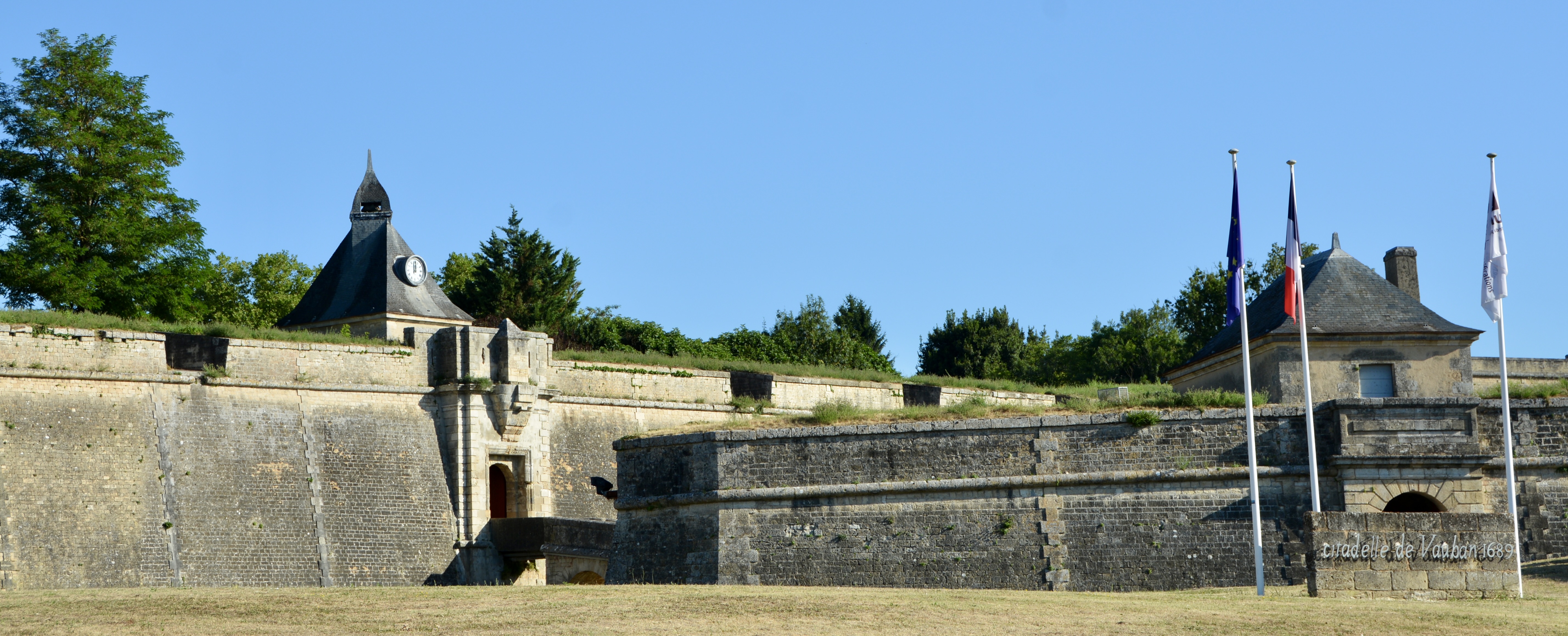
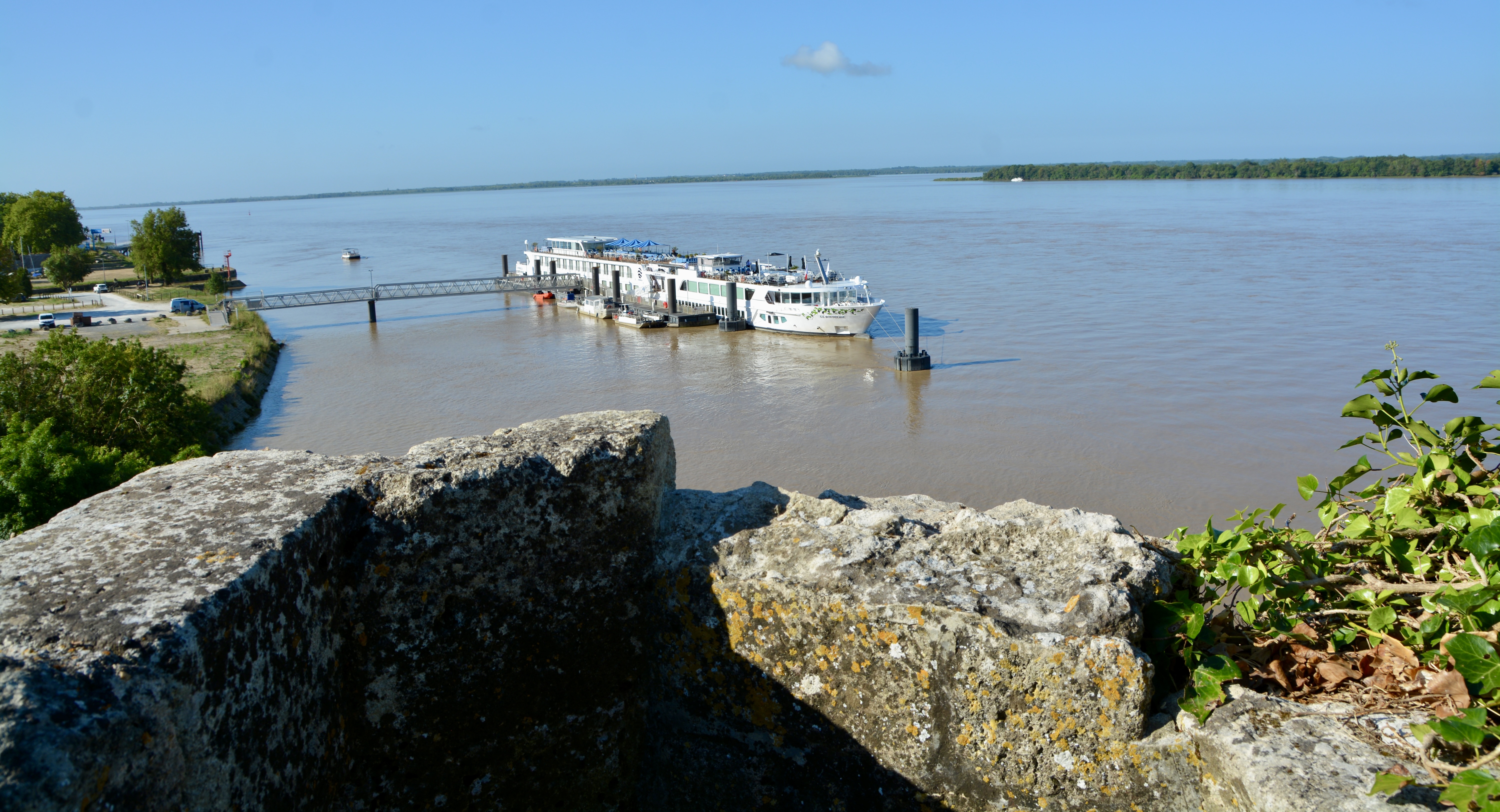
Today we see another element in the estuary fortification known as the block of the estuary. We sailed to Blaye to see the fortress of the same name. There is a market in town today we can visit after our tour and before lunch. The popular local market is on Wednesdays and Saturdays. This afternoon Boris and I are taking an optional trip to Cognac.

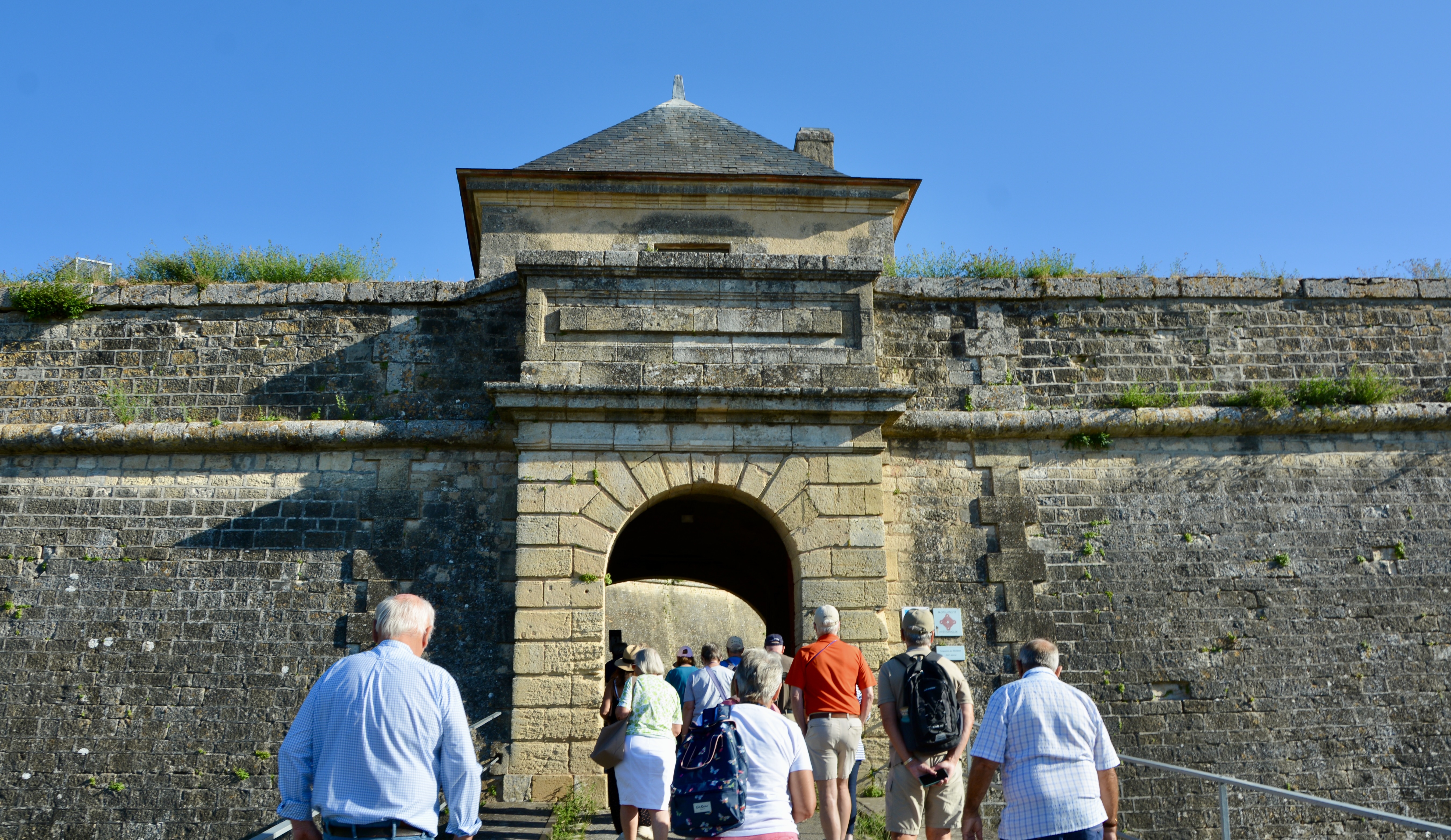
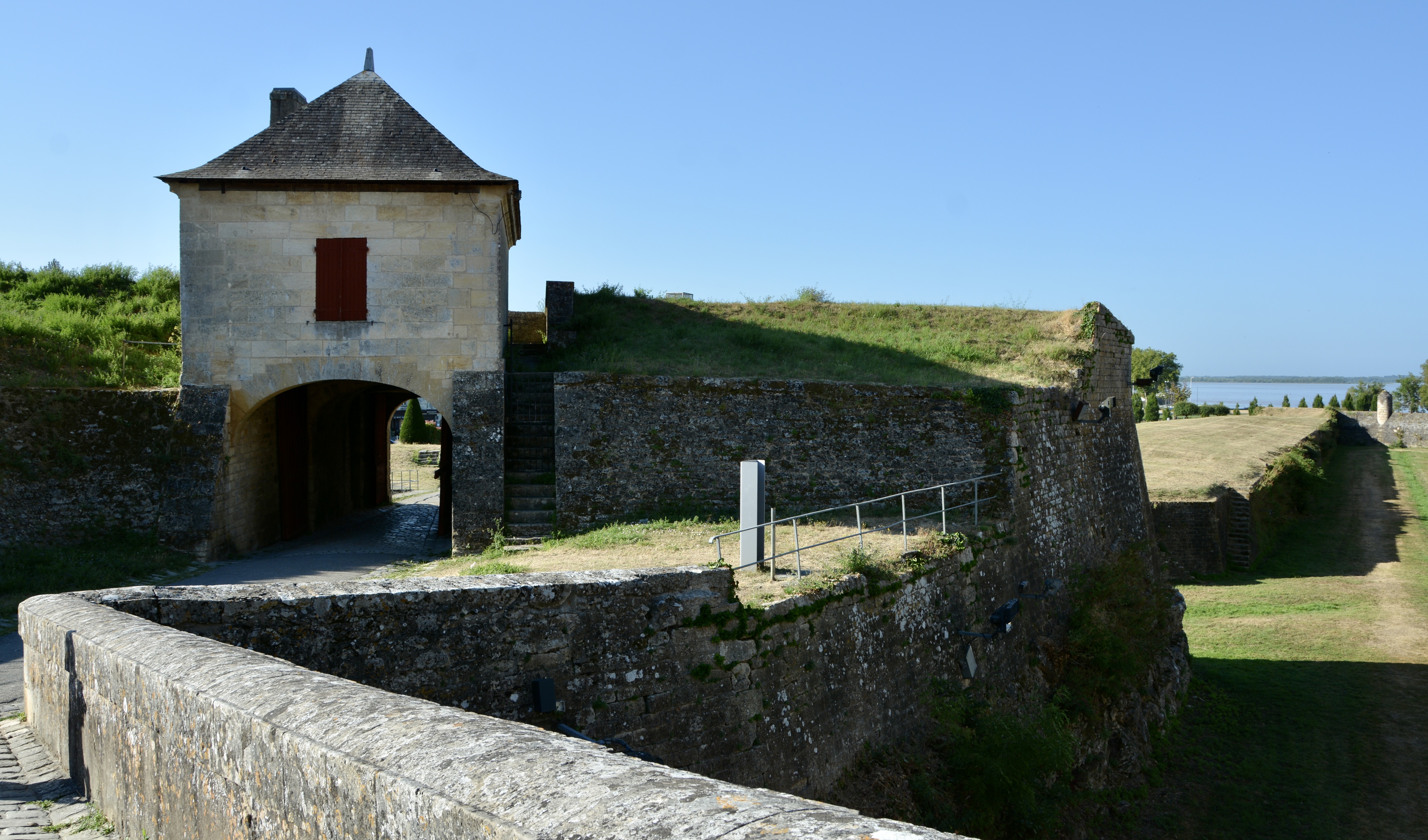
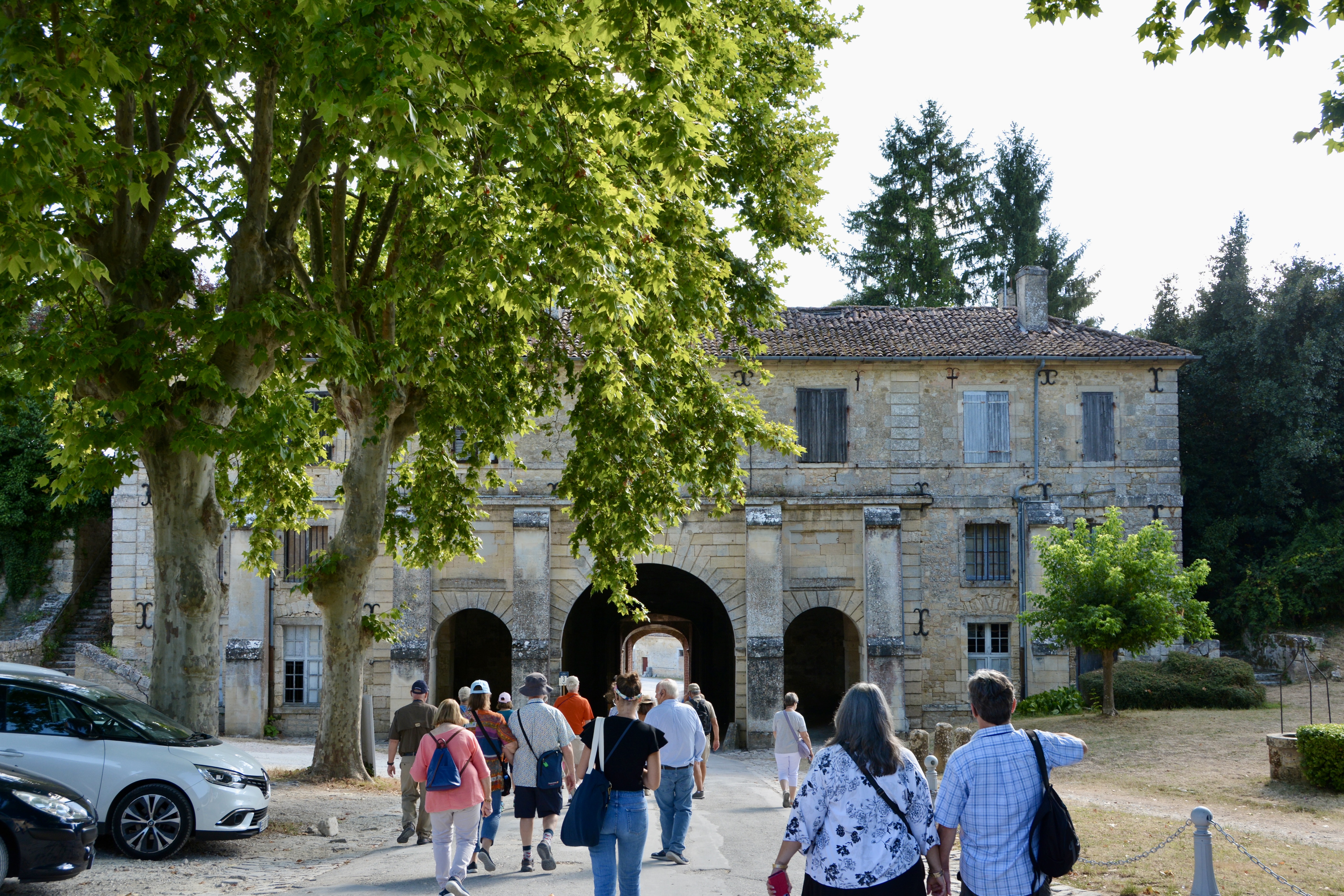
The fort is open to visitors at no charge, and we were fortunate to be early and the only visitors at this hour. The fortress is in good condition and has been revitalized. There are shops, place to eat, residences, and parade grounds that up until recently hosted a major horse jumping competition. The four-day competition takes place in the fortress’ moat.
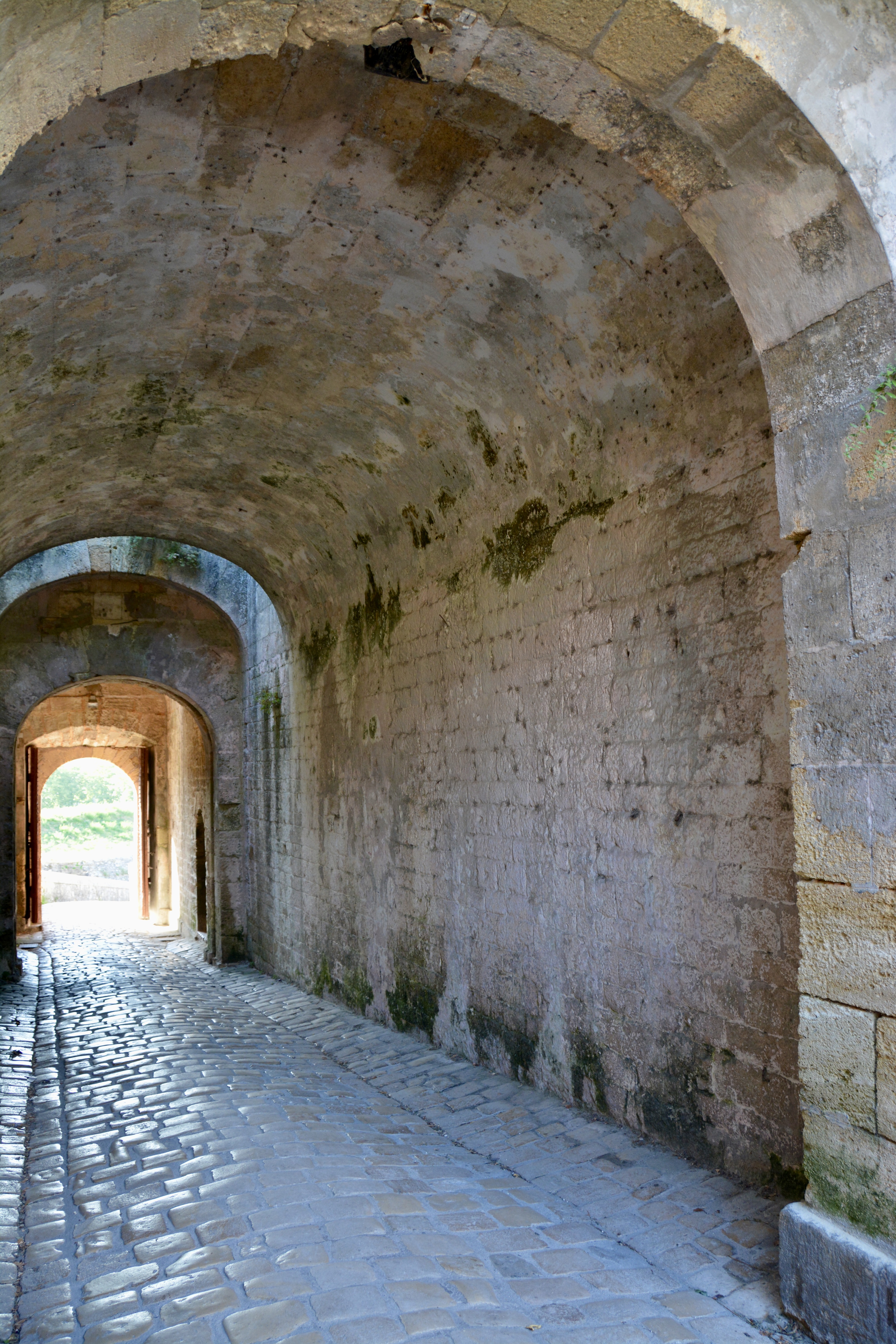

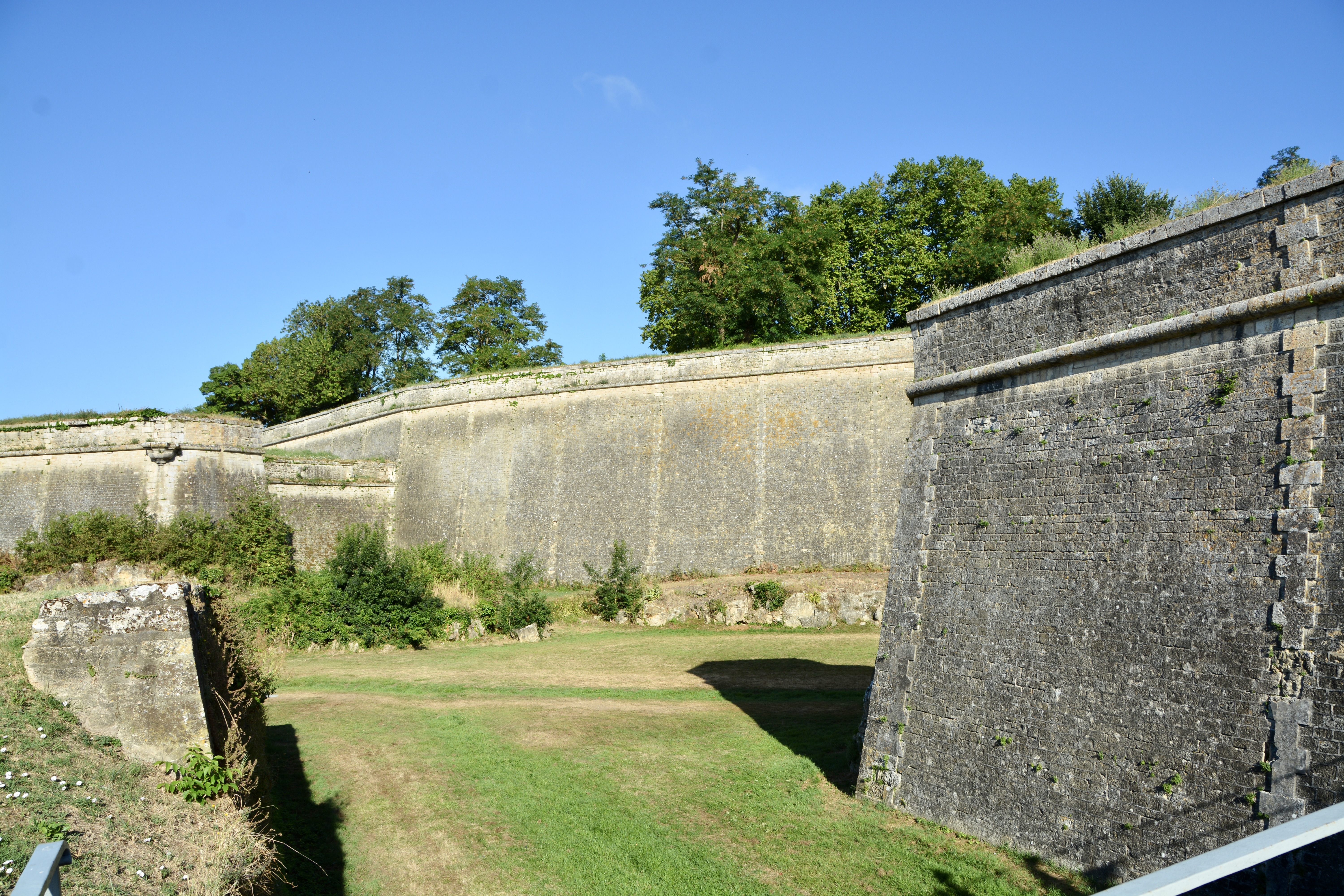
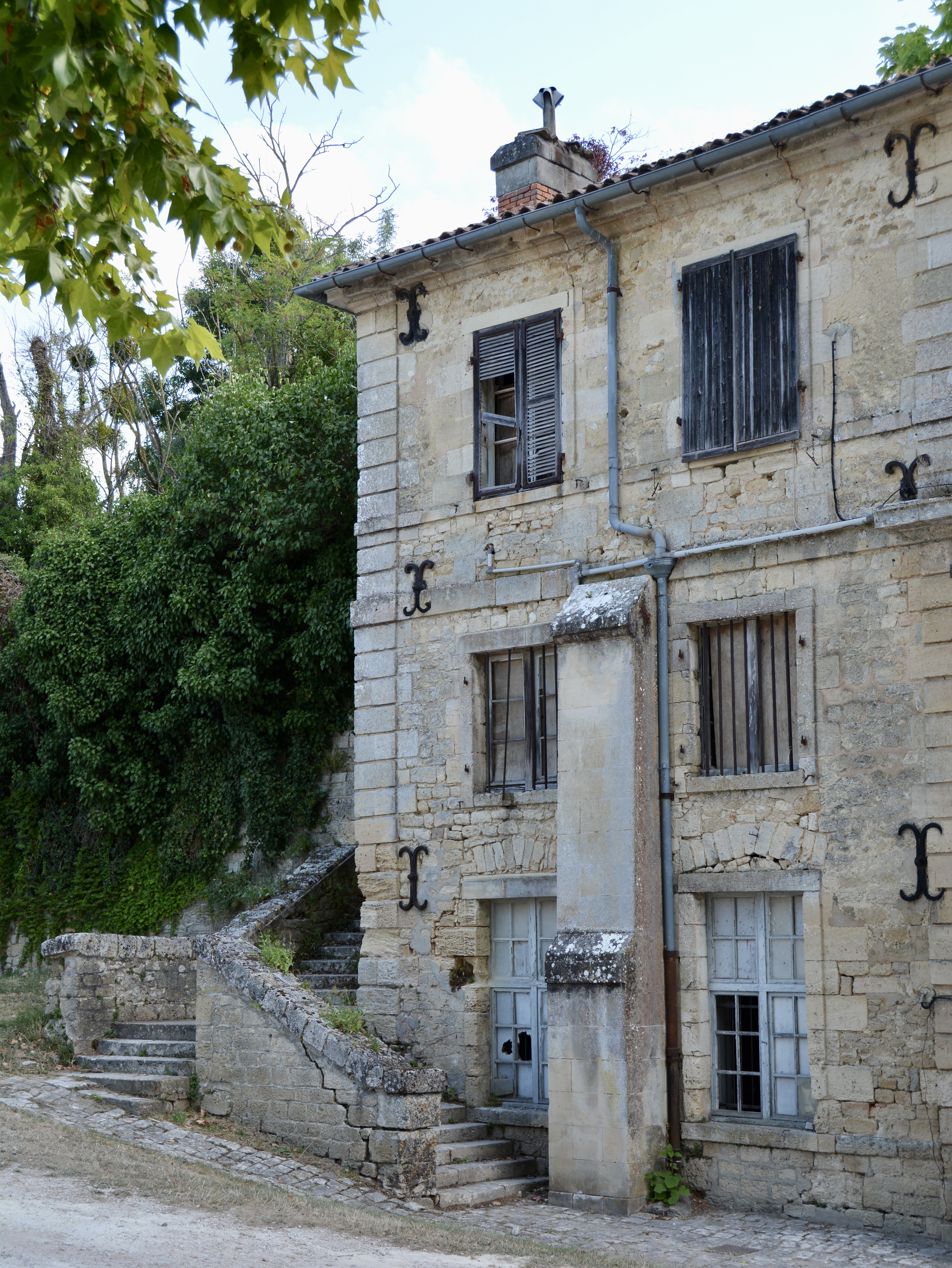
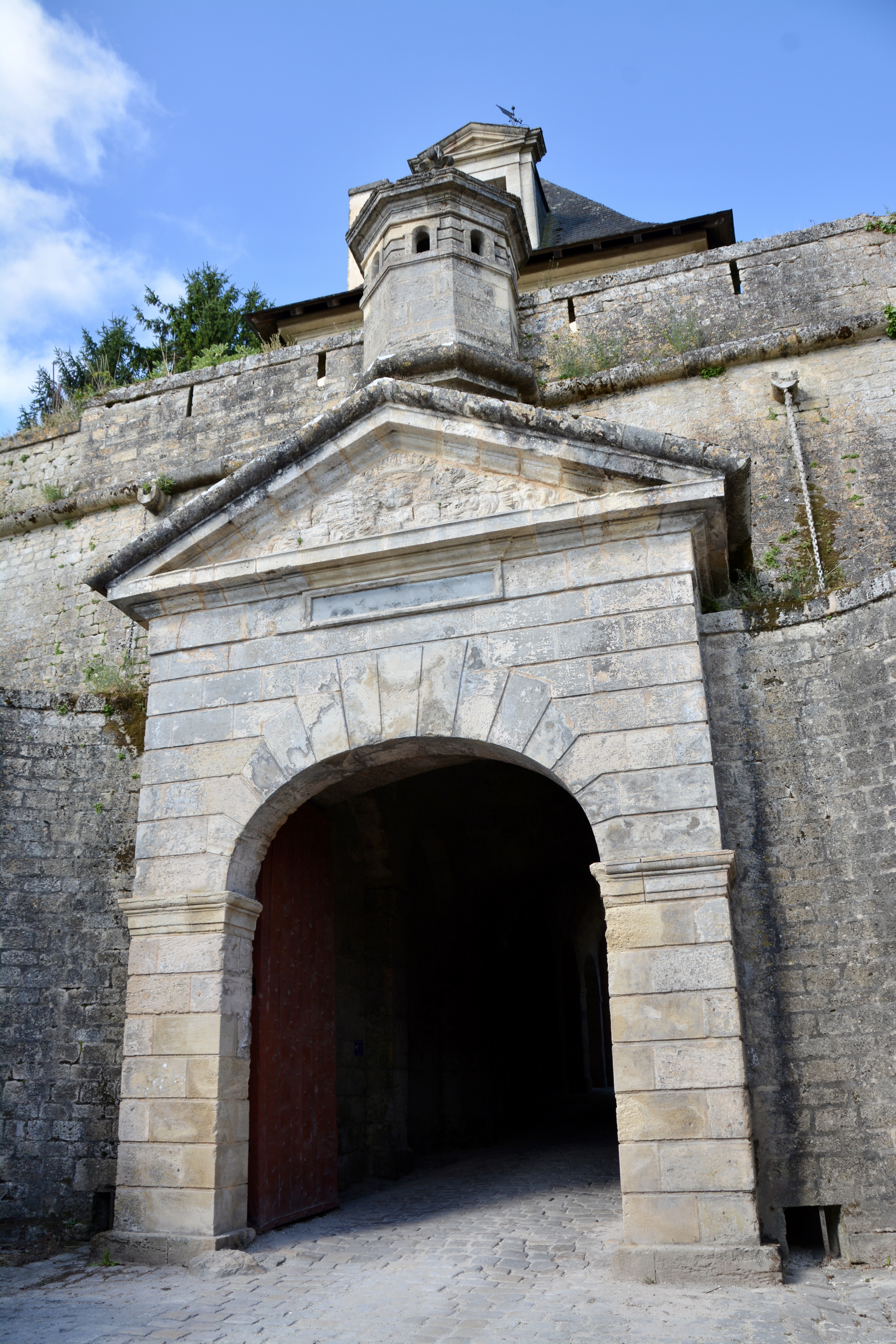
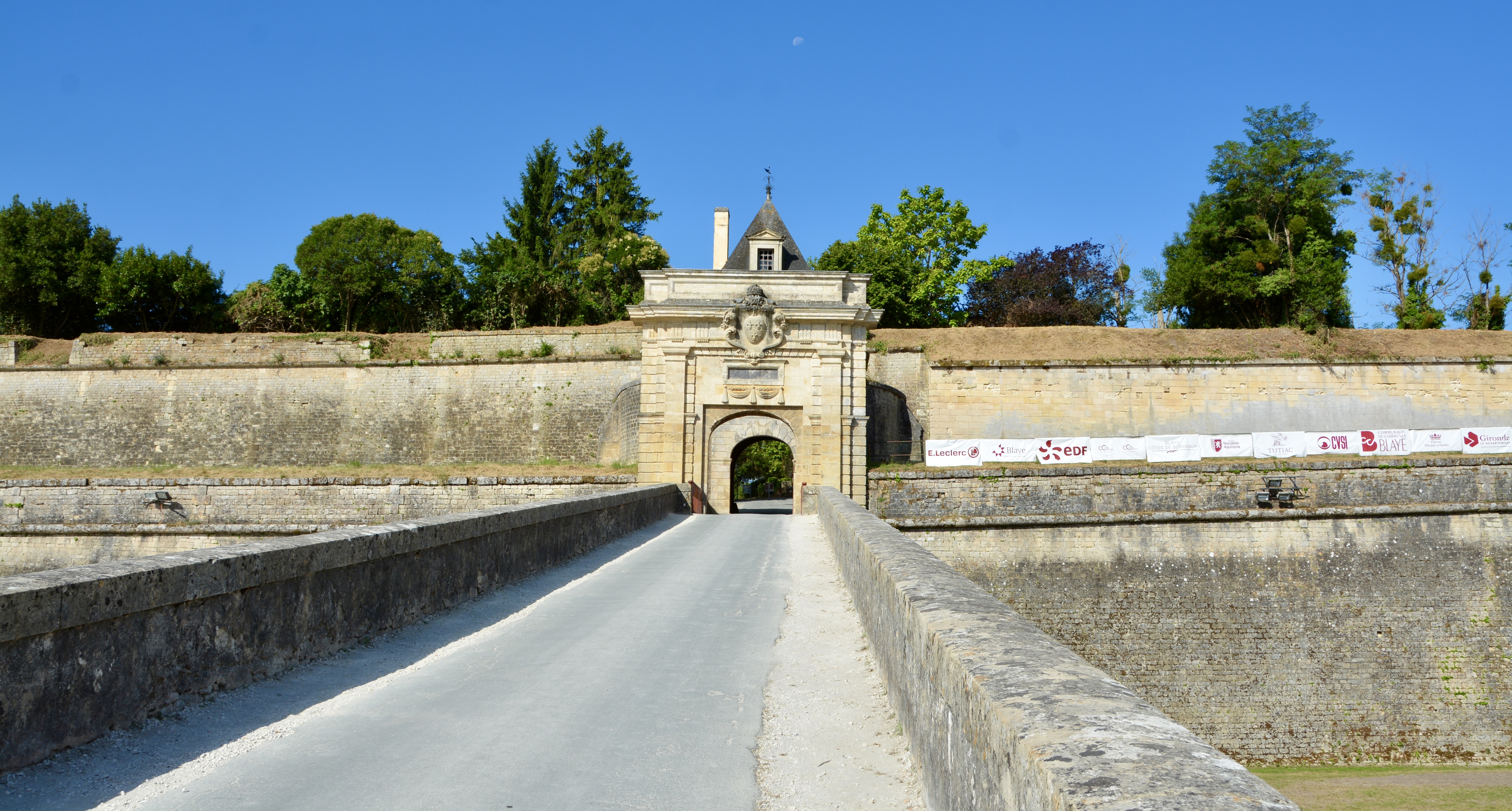
Blaye sits on the right bank of the Gironde Estuary. Even the Romans appreciated this strategic location. “The site of the citadel saw its first castle in the 7th century. Vauban’s fortress though was built in 1689 and took three years.” SeeBordeaux.com. La Citadelle de Blaye, with its 10m (almost 33 feet) thick curtain walls, covers over 100 acres and includes the ruins of the 12th-century Rudel Castle, a monastery, and army barracks. It is an easy walk to tour the fortress.

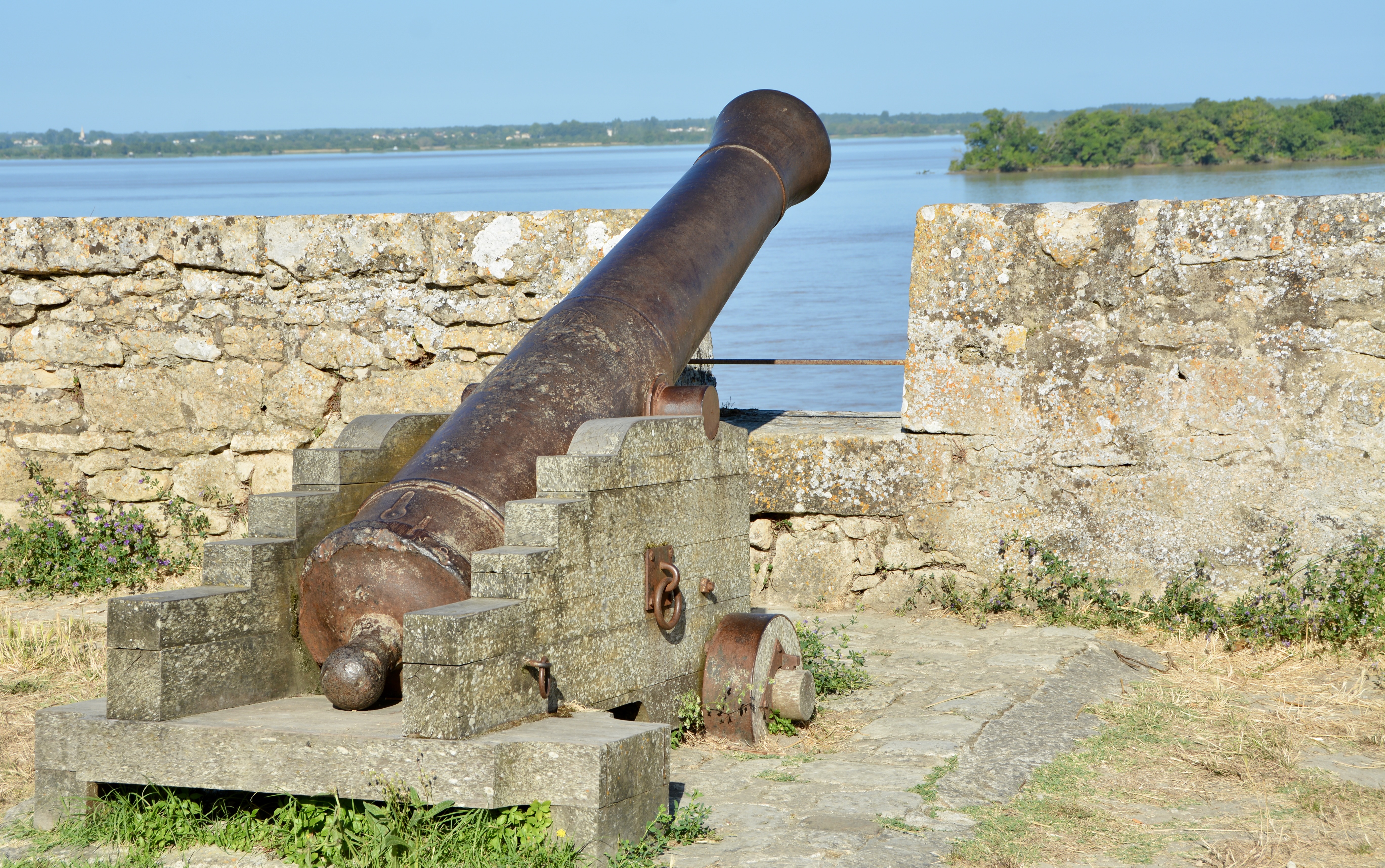


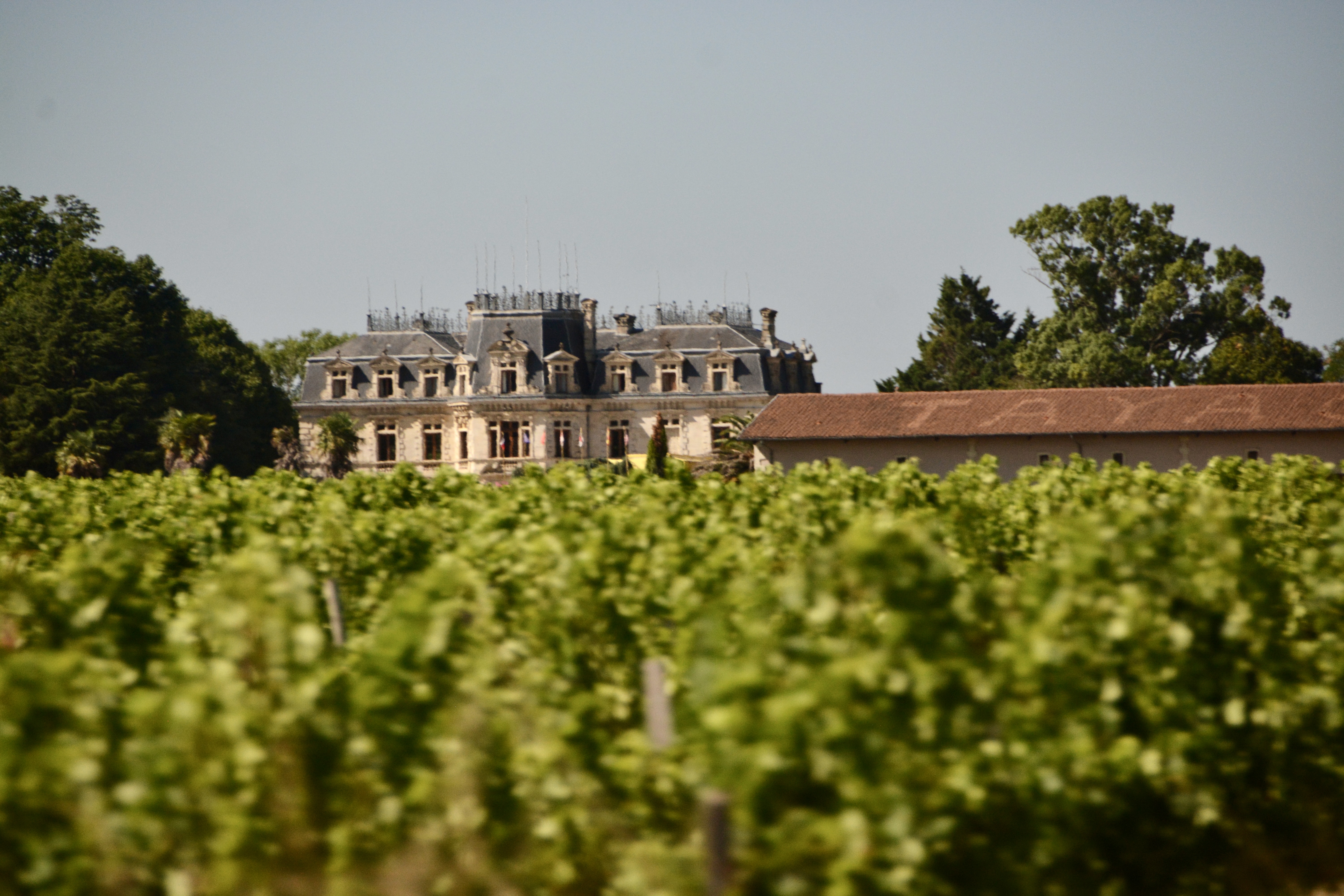
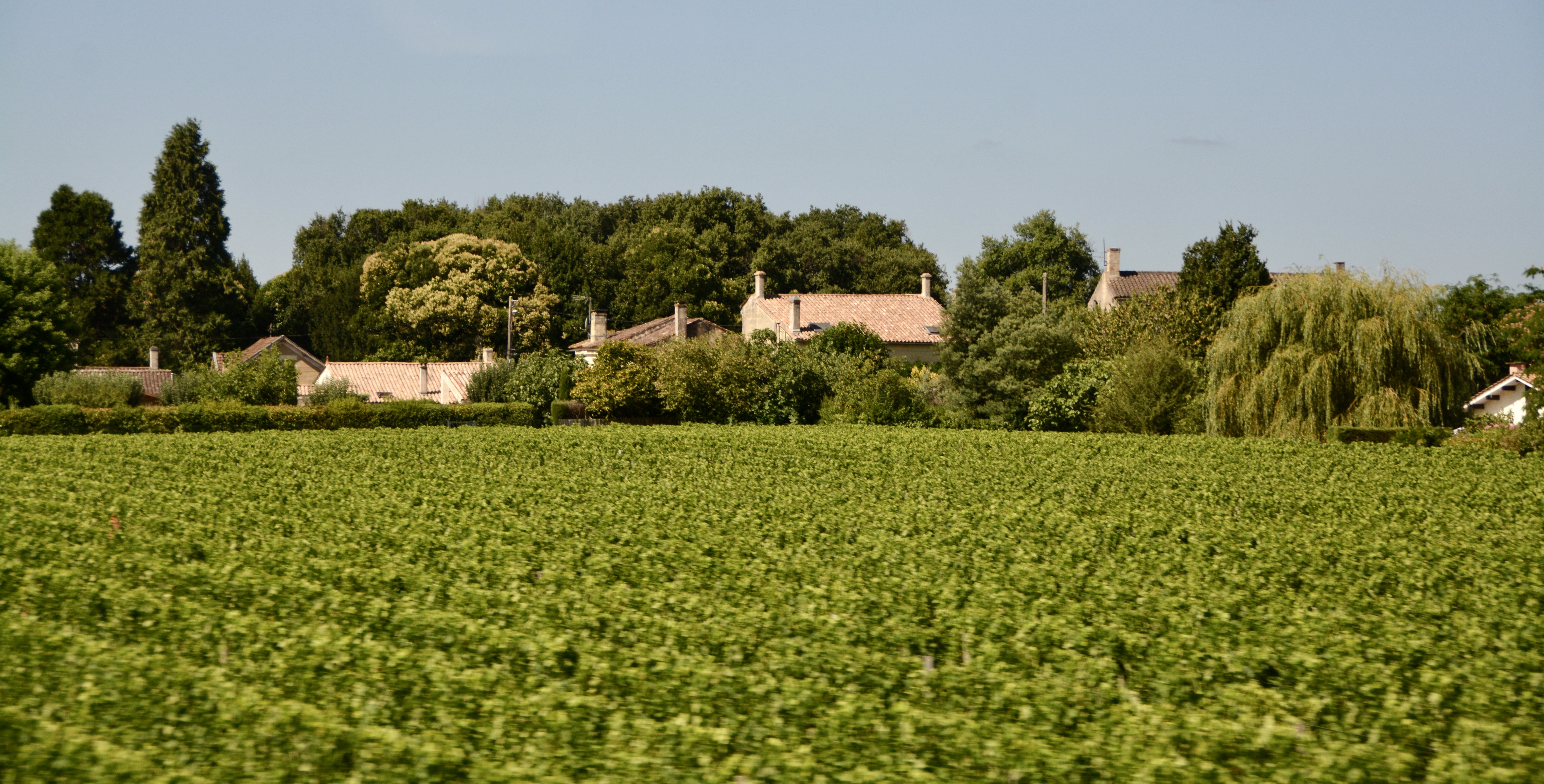
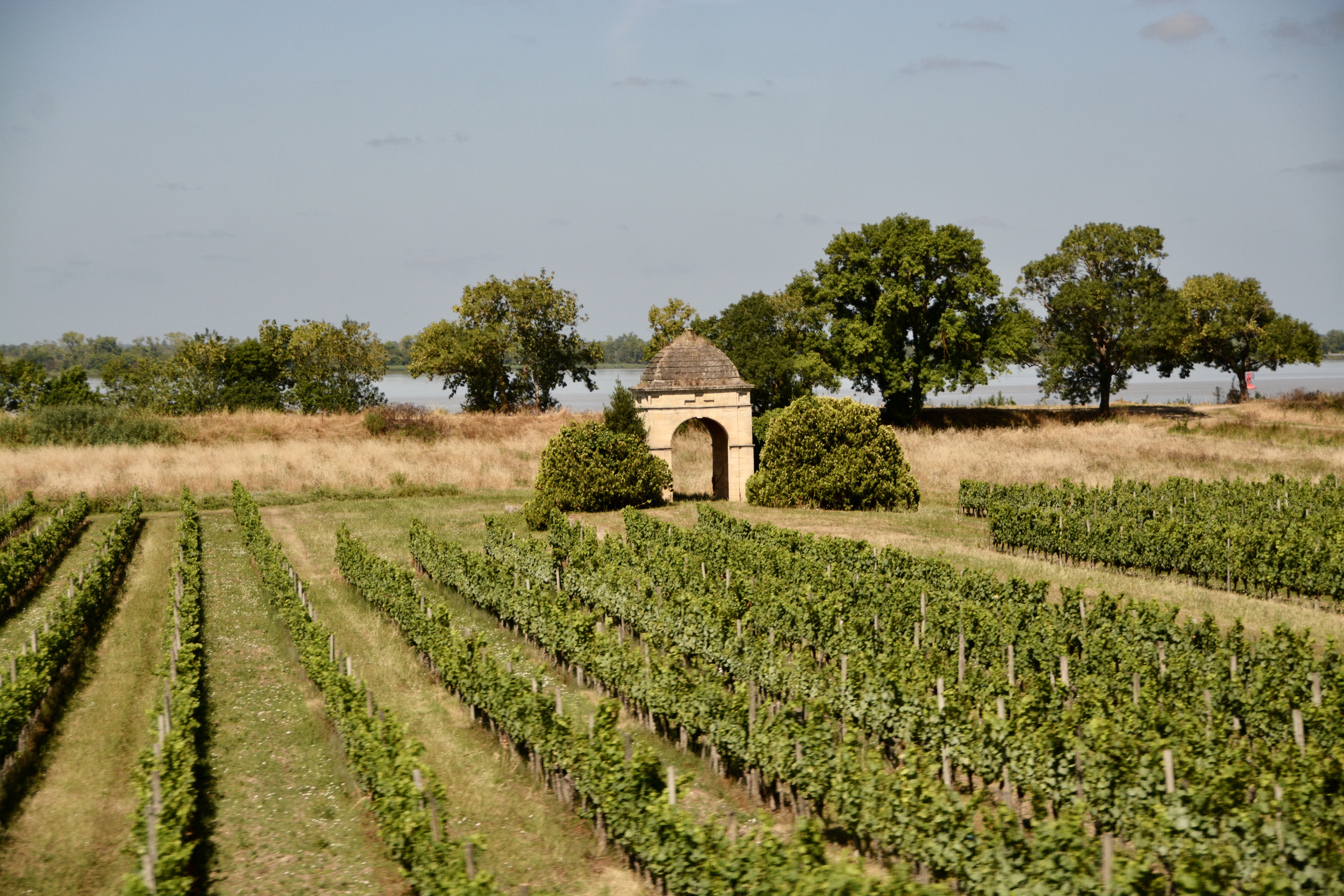
As we walked out crossing over the wide fortress moat, we shared pathways with vehicles and workers dismantling the structures associated with the horse jumping competition. Our bus picked us up here to go south to a “scenic” lookout point where the Dordogne and Garonne rivers converge. Unfortunately, industrial buildings made the point less than scenic. Look in almost every other direction and you will see lovely vineyards and hamlets.


Traveling along the cliffs and the water’s edge, we followed the Route de la Corniche Fleurie, named for the cliffs and the exotic flowers found here. We passed the beautiful homes built by the sea captains that were based here and grew wealthy off the trade. Today the region is more known for its gateway to the wine regions beyond and the white asparagus grown in the region.


Since we had a quick turnaround before our afternoon tour, we skipped the market but heard from several guests about the treasures they found there. After lunch on the ship, it was back to the bus for our trip to Cognac and to visit the headquarters of the famous distiller Remy Martin.

Remy Martin has been making cognac for three centuries and is among the oldest cognac producers still in existence. It is one of the “big four” cognac houses.
Cognac has traditionally been associated with stogy, cigar jacket-wearing old men. The distiller is working hard to appeal to a younger audience primarily by pushing cognac as a mixer in fancy cocktails. We will enjoy one of these cocktails at the end of the tour.

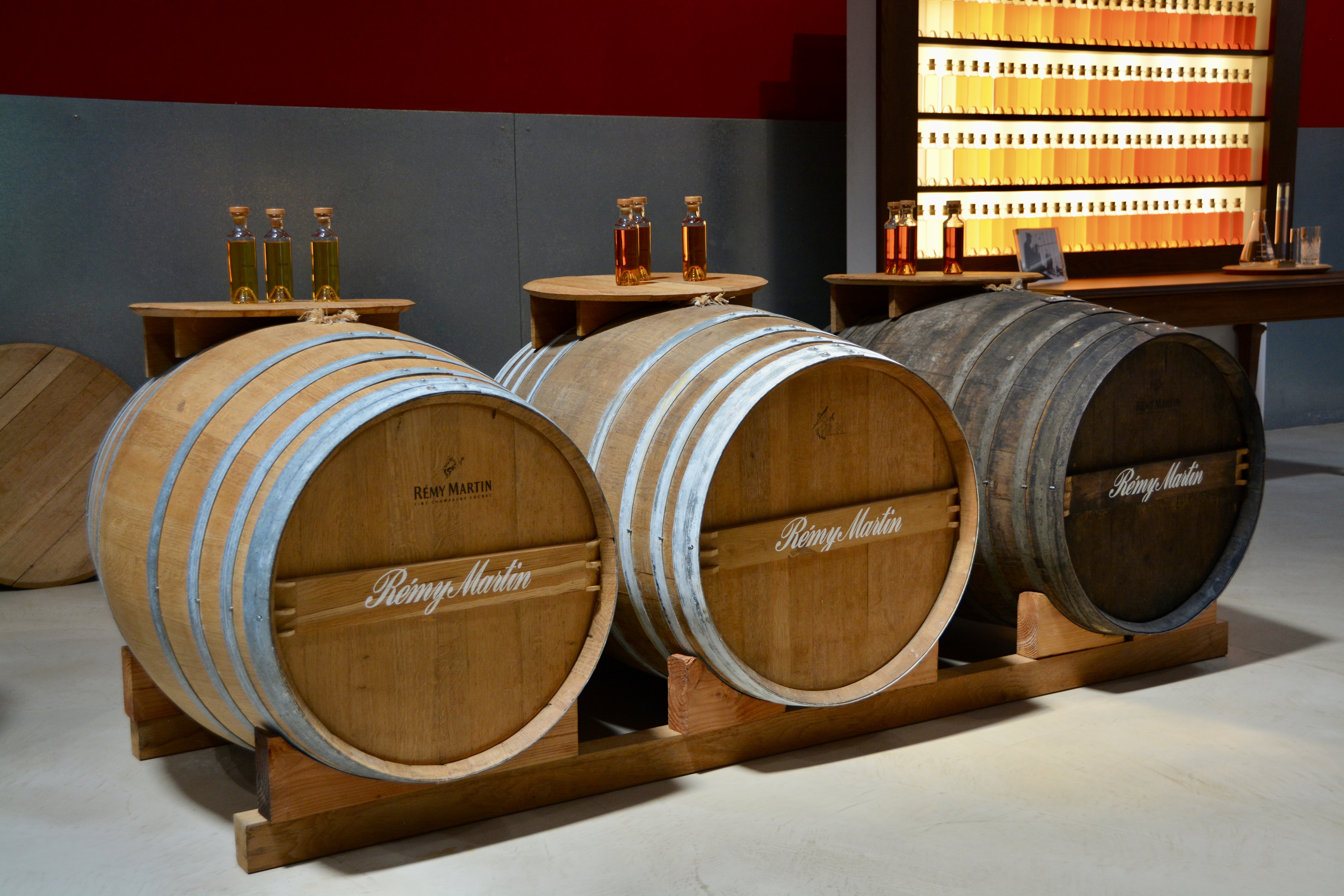
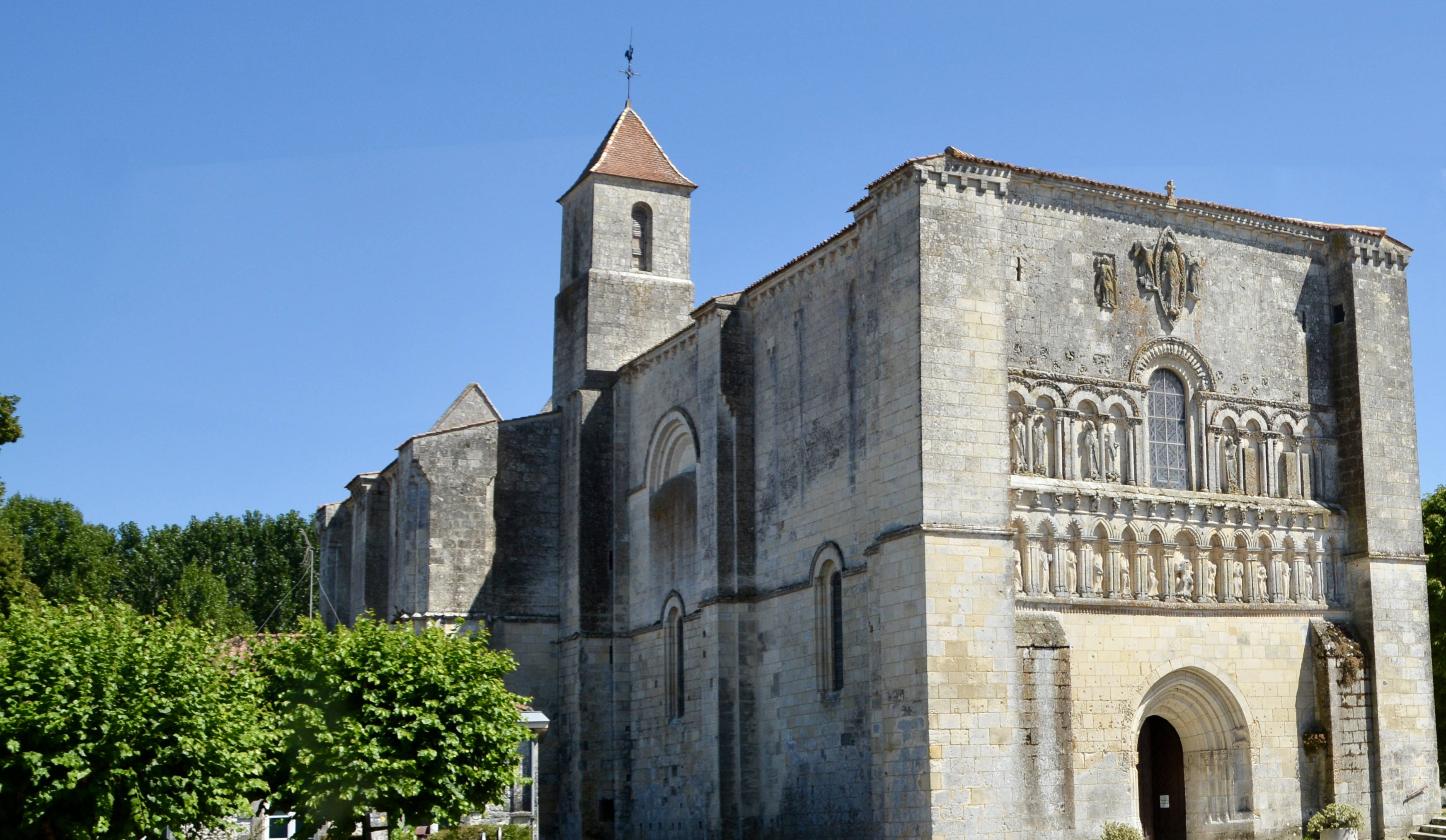
We are visiting older, classic facilities. Most of the production has moved off site outside the city of Cognac. They can’t go too far. All phases of their production must take place within this region, or the brandy loses its designation as cognac. All cognac is brandy, but not all brandy is cognac.
The testing and decision-making originates in a committee to which any employee, regardless of position, may apply to join. The testing is done by smell, not by taste. It is your sense of smell that determines your suitability for the committee. The cellar master is chosen from among the committee members. Remy Martin’s current Cellar Master, Baptiste Loiseau, took the position in 2014, at only 34 years of age.
The production of cognac is more about the process than about the grapes themselves many of which are lost in the distilling process. Despite this, Remy Martin is proud that all its grapes come from the relatively small and best suited Grande Campagne and Petite Champagne cru. In this context, cru is a French district. (So there is no confusion, Remy Martin does not make a sparkling wine.)

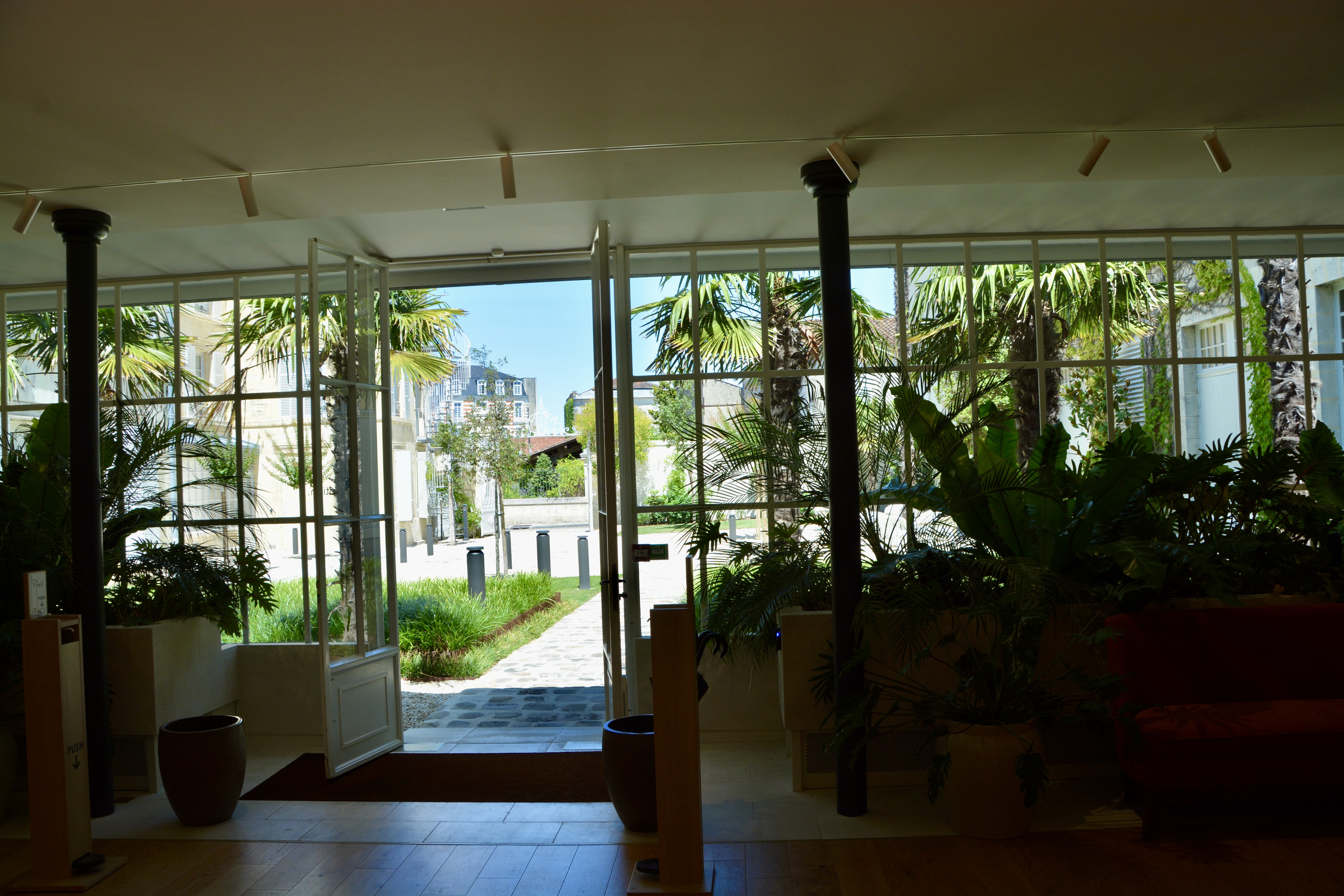
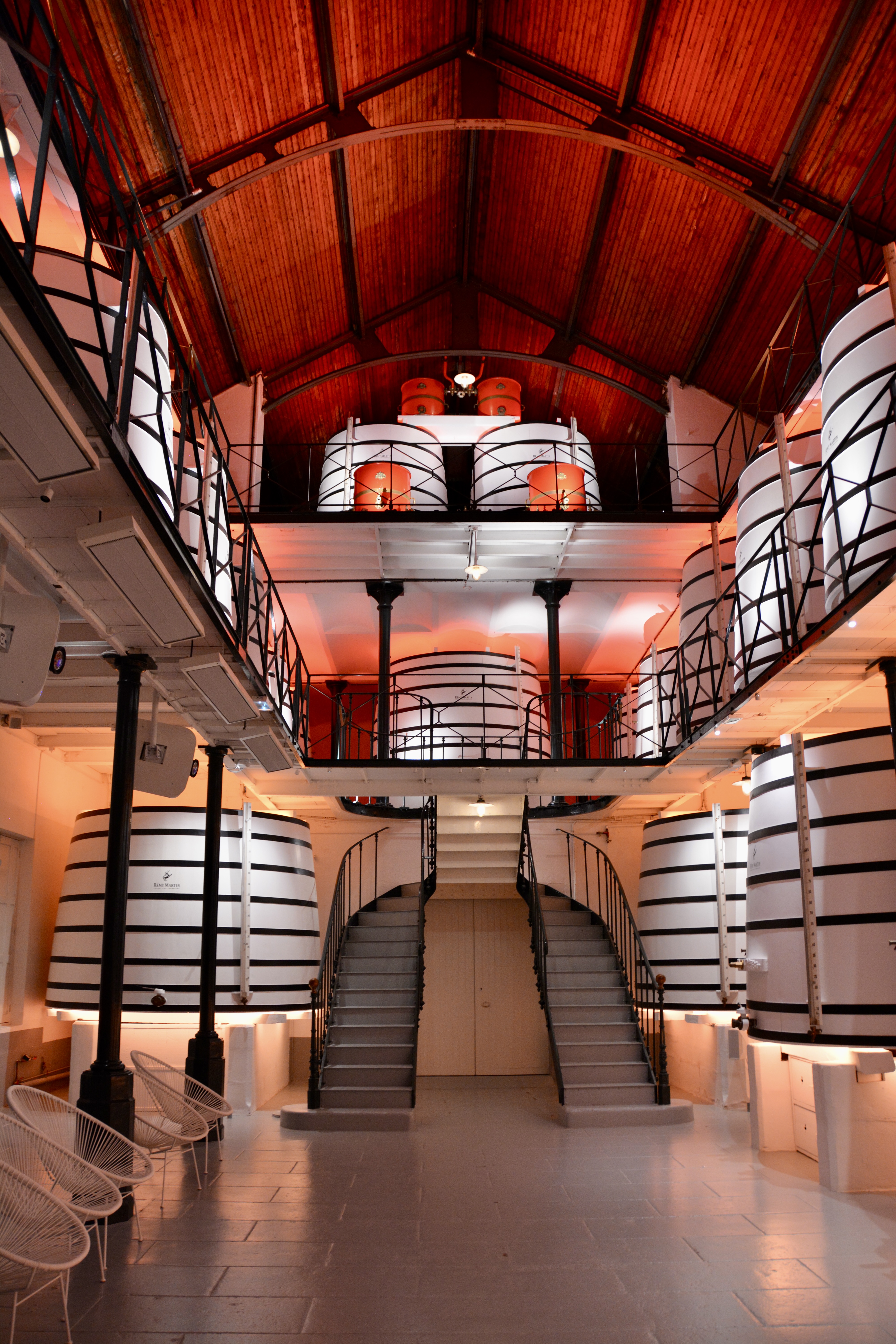
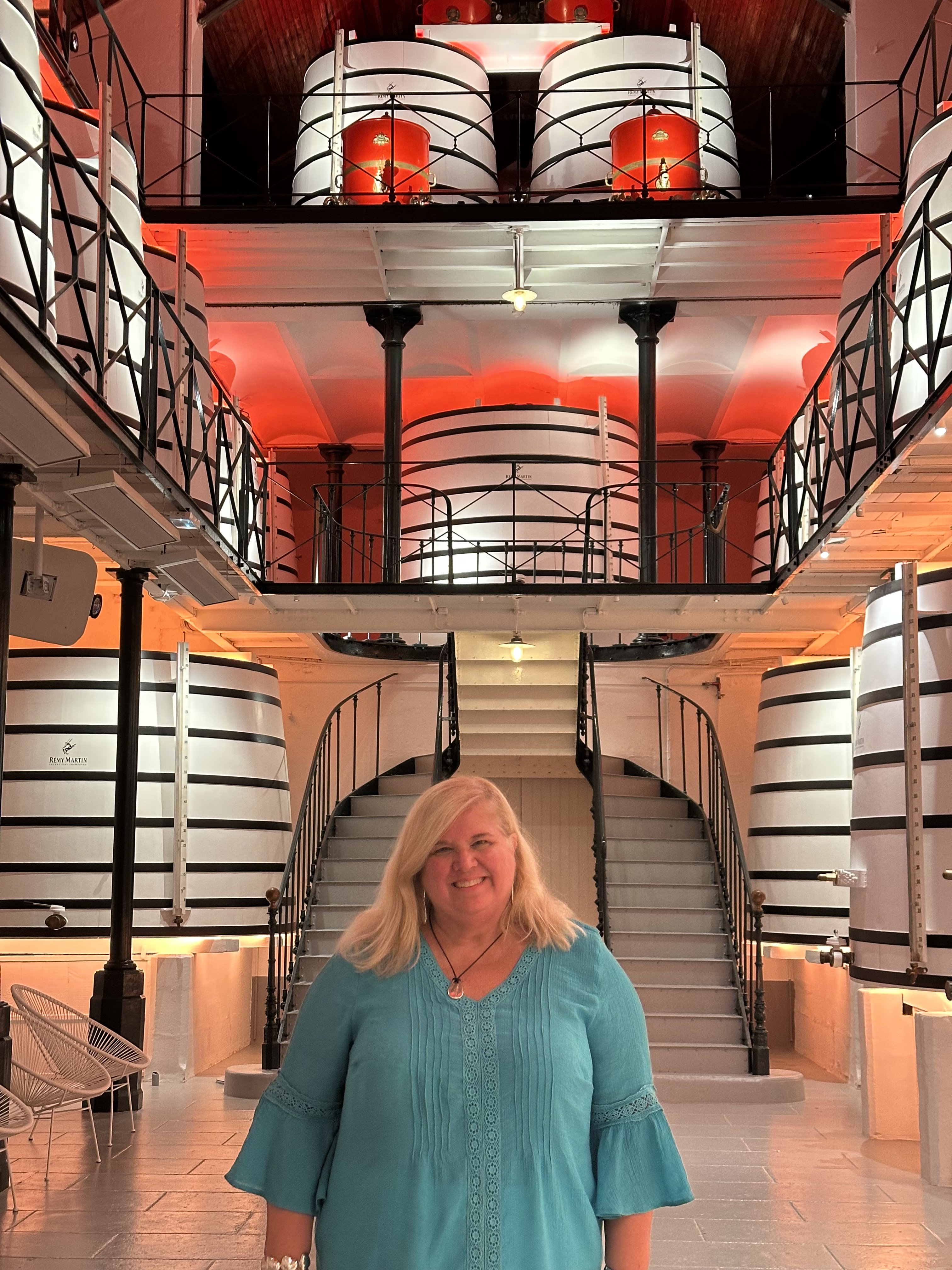
The facilities in the city of Cognac were quite lovely and the presentation informative. There is a wonderful visual and sound show in the presentation room with the large vats. We were able to walk in and enjoy it with our cocktails. Afterwards, we were offered a tasting of the XO and then you could do your shopping. For the bottles also available at our local distributor, the prices were the same as at home. However, Boris bought a bottle of a blend he could not get in the United States.

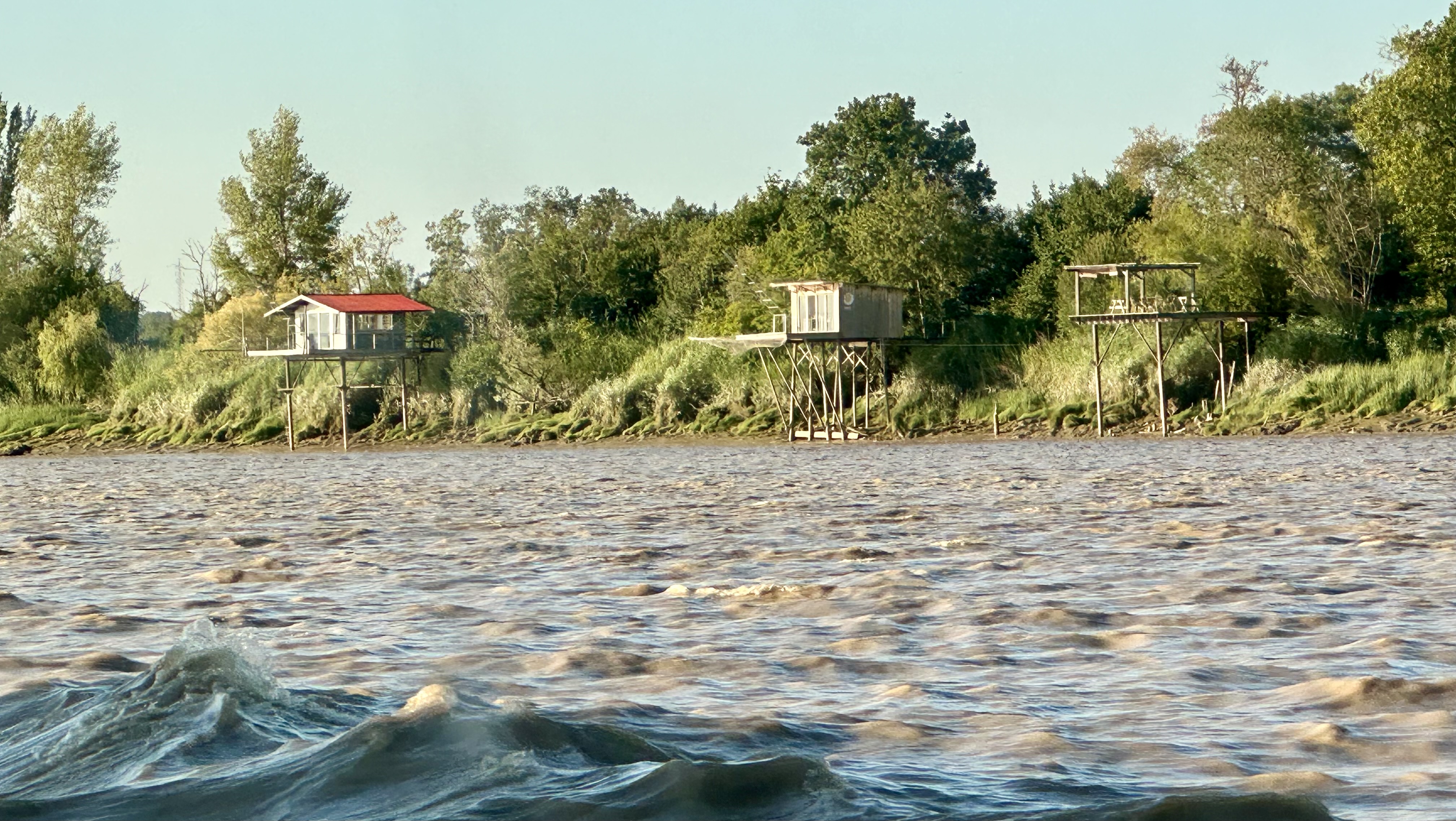
We made our way past the fields of sunflowers back to the ship still docked at Blaye. After all-aboard, we traveled to Libourne during the dinner hours. Tonight is trivia night. I enjoyed taking photographs of the many fishing huts that line the estuary. You must have a permit for them. Few are used for their original intended use. Today they are popular man caves and party spots for cocktails.




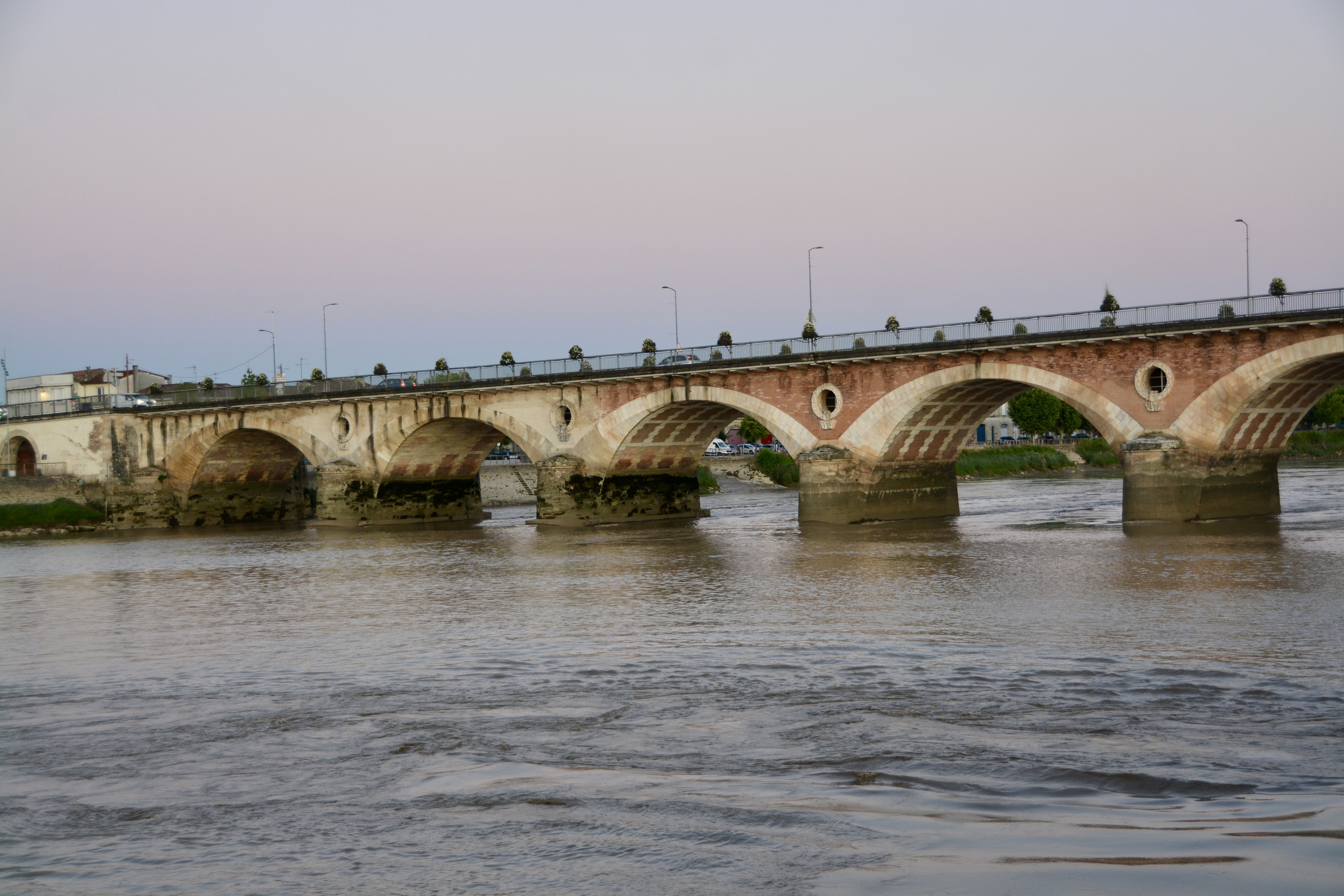
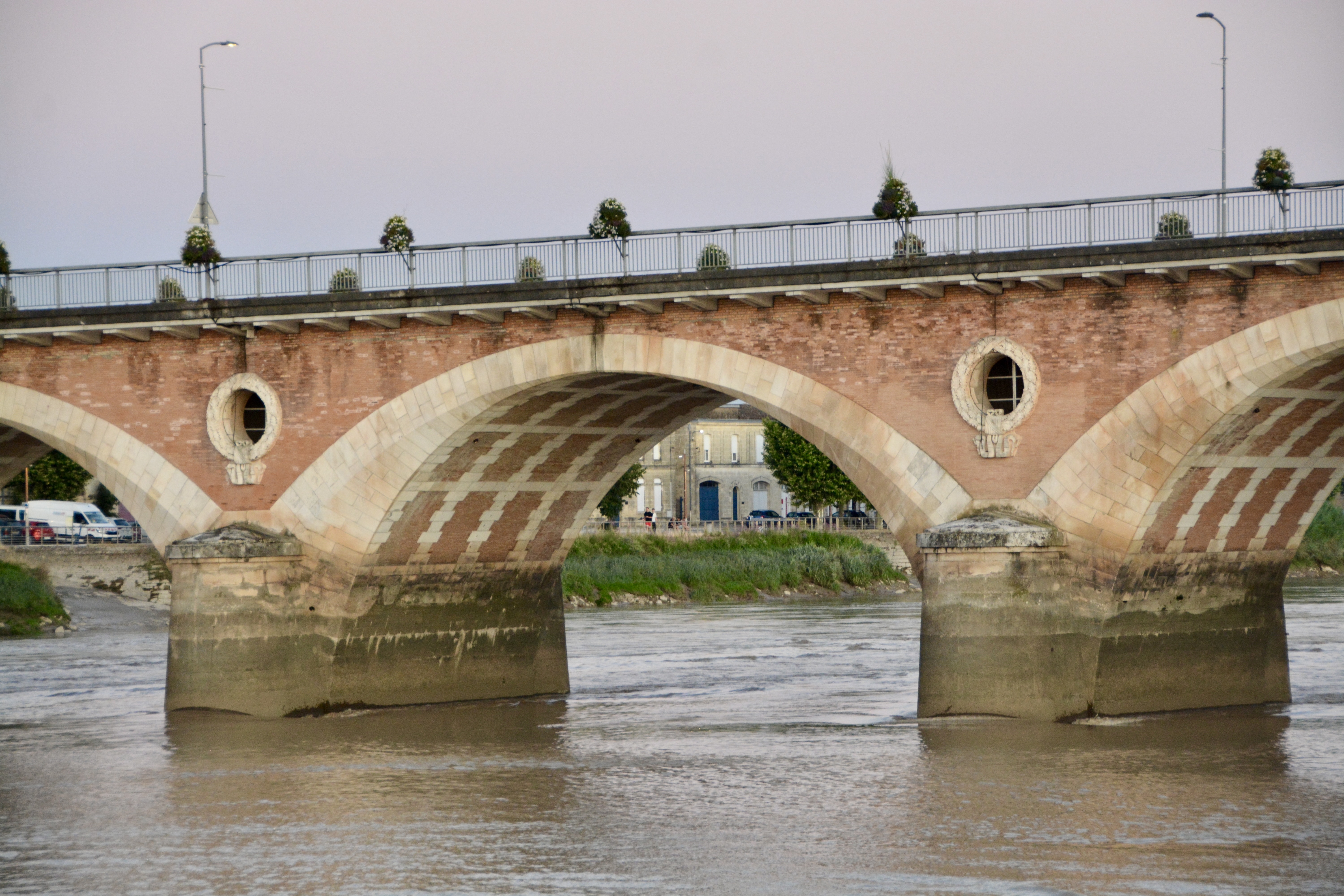
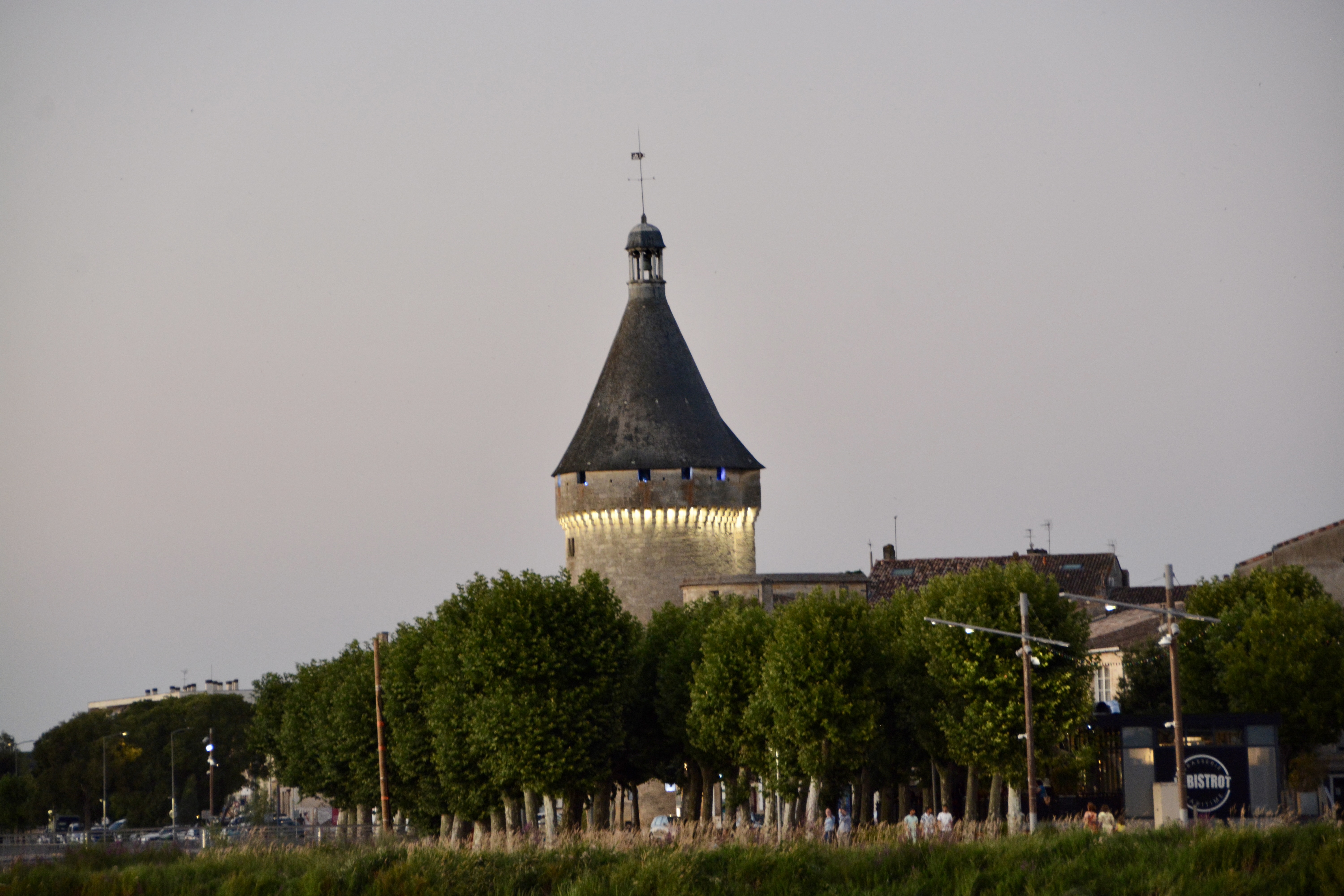
Libourne is charming. We made berth across the river from the city, so we had a wonderful view. I was out on the balcony as the city lights came on to highlight the enchanting buildings. Marvelous. Tomorrow the ship will move to dock on the city side of the river. Time to get those pictures tonight.



 travelbynatasha