This post should have started with details on my tour of Libourne with an outing to either a flour mill, chateau, bike ride along the river, or an in-town villa along with a trip to the farmer’s market. Instead my stomach rebelled. After more than a week of French food (all those sauces!!) and drinking at all hours of the day (lots of wine tastings adds up), my system just couldn’t do it anymore. I had an exceptionally tough night. No dinner, no breakfast, no lunch. Our cabin steward worked hard to put the room to rights and I stayed aboard experiencing the mascaret, but missing all the touring in Libourne. We are cruising back to Bordeaux this afternoon, so I hope to enjoy that. At least I won’t be missing more tours The meal that tipped the scales was not on board the ship, but rather in Saint-Emilion.
The afternoon touring was lovely. One of my complaints about this itinerary was that we didn’t move along the river very much. Of the seven nights, we were docked in Bordeaux for five nights and Libourne for two nights. There was plenty to see in this small geographic area, but I really enjoy afternoons like this where we can just relax and enjoy the sights along the river (with a camera at hand if you are like Natasha).
The SS Bon Voyage did make a technical stop just before reaching Bordeaux. They refueled, got rid of waste, and added supplies. It made docking right in town easier rather than trying to do the loading and unloading in the middle of the city. Refueling at these pontoons is probably not safe, encouraged, or easy.
I did my best to not eat or drink anything that might upset my tender tummy. No alcohol for Natasha today. We arrived in Bordeaux right at dinner time. We are eating at 6 pm, an hour earlier than usual because we have a very special nighttime excursion. We will take buses at 8 pm and be back on the ship by 10 pm. I have been extra careful today so I didn’t have to miss this.
Construction of the German Submarine Base, Bordeaux, France bassin-lumières.com
Tonight we are going to a WWII German submarine base. for Bassin des Lumieres. “Dating from 1941-43, the base is one of five built by the Germans on the Atlantic coast for U-boats during the Second World War. This gigantic bunker is a veritable honeycomb with eleven alveolus linked by an inner street.” Bordeaux-tourism.com.uk There were 32 Italian submarines in the 11 bays. Some were dry bays, others wet. Netting was used to camouflage the openings. 6,500 workers were used to build the base, many of whom were Spanish prisoners.
Construction of the German Submarine Base, Bordeaux, France bassin-lumières.com
The concrete roof of the base is 9 meters (almost 30 feet) thick. On top on that roof, there was a fangrost or “bomb trap/screen” to further protect the submarine base from aerial attack. The fact that it is still standing suggests the detailed construction served its purpose. “During the 22 months of its existence, 43 U-boats were assigned to it in order to carry out attack missions in the Atlantic Ocean, near the American coast, and resupply missions in the Indian Ocean.” bassin-lumieres.com
After WWII the base was taken over by the French Navy and the U-Boat Bunker was entrusted to the port of Bordeaux. The bunker was mostly intact. It was used by various companies from the 1960s to close to the turn of the century. In spite of its bleak history, today it has been repurposed to serve as a museum and a theater for an amazing light and sound show. The site was both created and is managed by Cultural Spaces. These types of productions are set around the world and sometimes travel. The Museum of Fine Art, Houston had one of the expositions. We also saw another one of types of presentation in an old quarry in Les Beaux de Provence, France.
After arriving at the base, we walked through between the bays for an introduction to the facility and the show. It began with a powerful piece in the bay as if a submarine was entering. I wish I had videotaped it, but I just lived the moment instead. This venue accommodates the disabled and those that are less mobile. I stayed in the auditorium type seating area so I was close to a restroom, but the best way to experience the show is to move around the venue. There were lots of alternative locations from which to watch the show. We were fortunate that Uniworld had rented the entire production venue for our event.
The projections are on the wall, floors, ceilings, and even on the water in the bays. Like the show we saw in Les Baux de Provence, there is a long segment followed by a short one. Our long program was on the Egyptian Pharaohs and the short program was the Orientalists. I enjoyed both. You could walk right up to the front of the bays, on platforms over the water, and all along the sides. There was limited seating in the other bays.
It was a short ride back to the ship after the show. I am so glad I didn’t have to miss this. No nightcap for Natasha though. Time to take it easy. Tomorrow there are tours of Bordeaux. As we have done the city tour on a previous trip, our plan is to do a little shopping on St. Catherine Street. It is an incredible city and there is a lot of construction going on. New areas are opening up as people flood in to the city, not just as tourists, but as residents. New housing districts have been developed since our last visit. That said, Boris and I saw a lot of the city the last time we are here and I suggest you check out my previous post on Bordeaux for some of the city highlights.
The next morning, Boris and I had a lazy breakfast. We are going to go out after the tours have left. However, the tours included tram tickets to take us to the heart of the city-that’s a big plus on a hot day-and Boris went to collect our tickets from the tour guide since it is included in our cruise. Riding the tram was fun and look us directly to St. Catherine Street. I saw a lot of the old landmarks I enjoyed on our last visit.
The tram was actually fun, very clean, and easy to use. We took a long walk down the pedestrian shopping street. It was Saturday and it was crowded. We both bought some shoes, gifts for a new niece and nephew, some food products, and an antique spyglass. We had lunch back on the boat and relaxed and spent the afternoon packing. I would definitely have taken advantage of the easy tram ride and our ample time in the city if I felt better. Anticipating the long trip home that begins tomorrow with the train back to Paris, I didn’t want to overdo it.
We had a great trip. We reverse the travel process with the train to Paris. Uniworld made all the arrangements to get us to the train station, but only transportation to and from the airport on embarkation and disembarkation days is included so we have to cover the cost of the cab. We are just going to stay at a hotel near the airport on points. Our flight out is the next morning. We have to make connections again. I can highly recommend Uniworld, the SS Bon Voyage, and this itinerary. However, if you are looking for more scenic river travel you might want to check out over options. Love the ability to cover a region without having to unpack and repack at every new spot and also to have all the touring arranged. We loved our floating hotel, getting to know other guests, and the amazing meals and accommodations. Boris is on a French kick, so I know we will be back soon.
Today we travel by bus only 8 km (less than 5 miles) from Libourne to Saint-Emilion which our cruise director referred to as a hill town. If you are thinking Tuscan hill town, you will need to adjust. Saint-Emilion is also only 40 km (less than 25 miles) from Bordeaux. After the bus departure the ship will release its moorings and eventually reposition to a pontoon on the opposite side of the river.
The reason for the maneuver is the phenomenon known as the mascaret. Mascaret is the French term for a tidal bore. “The tidal bore is a natural phenomenon on estuary rivers. The tidal bore is produced when the water level is lower and the tidal coefficient exceeds 90 (late spring to autumn). It starts at the mouth of the estuary, at the time of the falling tide / rising tide with the rising flow of the ocean against the downward flow of the river…This wave, occurs often in the Gironde estuary. It can reach up to 2 meters high, and travels between 15 and 30 km/h. Surfers can ride the wave for up to 10 minutes.” purefrance.com.
Twice a day, everyday of our two-night stay in Libourne, the boat will release and draft downriver a bit to accommodate the mascaret. If not, it is likely that the mooring lines would snap.
The French town of Saint-Emilion has many religious ties and has been considered a pilgrimage site. There are beautiful churches, convents, and cloisters throughout the city. “The legend tells us about a monk from Brittany who fled from Vannes, his hometown, to seek refuge in one of the natural caves in a place called Ascum Bas (former name of the village) in the 8th century. His name was Emilion. Living the life of a hermit he accomplished a few miracles and rapidly became famous in the region and even far beyond its borders. Soon he had many disciples and with their help he evangelized that place and made it become a great religious center. Even after his death his followers carried on his legacy and even called the town after him: Saint-Emilion.” Bordeaux-tourism.co.uk
Our guide worked hard to get us through the city as easily as possible. There are a few challenges if you are bothered by steep inclines. As usual, Uniworld offered an easy-walking group. We chose the regular tour. We will tour the city first in the early hours when there are very few people about, then it is out to the nearby countryside to enjoy a tasting, and finally we return to the city for free time. On this morning’s walk, I am not only enjoying the scenery, but decided what I might want to do when we return later.
Our first stop is the monolithic church, an underground church from the early 12th century. The church is locked and you must visit with a guide. The proportions are huge. The church is almost 40 feet high and almost 125 feet long. The bell tower is over 223 feet tall. The church is dug into the limestone plateau right in the heart of the city. It was probably developed around the pilgrim activity for visitors to the tomb of St. Emilion and the need to accommodate hundreds of pilgrims.
“Carved in the 12th century, painted in the 14th, devastated in the 16th, battered in the 18th during the Revolution and restored in the 20th! Today, it is still consecrated and hosts regular religious ceremonies, sometimes concerts, but also induction ceremonies of the Brotherhood of Wines of Saint-Emilion – The Jurade.” saint-emilion.tourisme.com. It is a must-see for any visitor to Saint-Emilion; unfortunately due to its fragile state-there are serous support structures inside-you are not allowed to take pictures of the interior.
After our visit to the church, the guide walked us over to a terrace view of Saint-Emilion that tells you why people might refer to this as a hill town. We also got a closer view to the tower. The church tower is not centered and the difficult weight distribution is just one of the reasons that so many supports are required in the interior of the monolith church.
You could see the city starting to fill up. There were lots of lovely cafes with inside and outside dining. Our guide also pointed out a 14th-century cloister built by the Franciscans that was mostly destroyed during the French Revolution. In the 19th century, the underground galleries were converted to produce and store sparkling wine. Today you can visit for a tasting of the local sparkling wine. Outside of the Champagne region of France, sparkling wines are referred to as cemant. The local speciality is Cremate de Bordeaux and is found at Les Cordeliers. I put that on the list for later.
On our route back out of the city, we passed through a beautiful cloister with some of the original frescos still visible. “If you pay close attention to the walls of the cloister you will see quite a lot of interesting items such as graves, statues, and even a little dragon.” lostinbordeaux.com
Passing through the cloister, you enter the Collegiate church gothic doors of the 14th century. In contrast, the west door of the church was built in the Romanesque style in the 12th century. The church was built between the 12th and 15th centuries. It is not necessary to enter as part of the tour. You can enter on your own and enjoy a mix of Romanesque and Gothic styles, reflecting the long period of the collegiate church’s construction.
Next it was back on the bus to enjoy the very short trip to Saint-Emilion’s vineyards. In fact, it was actually quite close to the city, but in order for the bus to make the turn into the gate of the estate we had to take the long way. Our guide is a local and she pointed out her home in the vineyards. Her husband’s family is in the wine industry.
The wine of this area’s claim to fame is its “world-famous limestone terroir”. The earth is a mix of limestone, clay, and gravel and it enjoys the “caress of a gentle maritime breeze” off the Dordogne River. In fact the streets of Saint-Emilion are composed of cobblestone that were actually the ballast stones from the ships that came in to secure the wine. When replaced by the weight of the full wine barrels, the ballast stones were no longer needed and they were left behind and then used to create roads and passages throughout Saint-Emilion. bordeauxwinevacations.com.
We met in the courtyard of the 14th-century chateaux, were shown the vineyards, toured the production facilities, and had a tasting at Grand Mayne. We visited one day post-blending and the cleanup from that process was still taking place. I didn’t care at all for the first two offerings we tasted, but I really liked the third and got a bottle. “The vineyard of Chateau Grand Mayne is located to the west of Saint Emilion, at the foot of the plateau. Even though the vineyard is in one large block of vines, Chateau Grand Mayne is the result of two different terroirs.” thewinecellarinsider.com. I read after our visit that “Chateau Grand Mayne is better with at least 5-8 years of bottle age. Of course, that can vary slightly, depending on the vintage. Chateau Grand Mayne is best enjoyed in the first 6-25 years of life.” the winecellarinsider.com. The one I selected was a 2015; the two I didn’t care for were more recent vintages.
After our tasting, we returned to Saint-Emilion for our free time. Boris wanted to head straight to lunch. It had warmed up considerably and I knew he wouldn’t want to sit outside. We ended up at one of the award-winning restaurants we had seen. L’Envers du Décor started as the city’s first wine bar, but has gained an excellent reputation for its food. We got in, but were seated in the “American room” which was where they put families with children and (you guessed it) Americans who wanted a table for lunch. It was not a spectacular table, but the food was excellent. I had two wonderful seafood dishes (more than I needed, but I wanted to try everything) and closed with a soufflé I shared with Boris. I even skipped the wine after starting the drinking so early today.
Of course, it took a lot of time and there wasn’t much left over after lunch so we just wandered back toward the bus. I had saved for the sparkling wine, but was so full and with so little time we didn’t make it to those cloisters. There was one stop I really wanted to make just at the edge of the city before the bus lot.
You know those famous French macaroons? Well they were actually born here in Saint Emilion. They were created in 1620 by the Ursuline sisters who had a convent in the city. The original is unlike the two-layered, cream-filled treat we see today. They are a single layer (no filling) of sweet goodness. The recipe has been passed from generation to generation and Fabrique de Macarons, one of the local bakeries, still makes them following the original recipe. I got a sample pack of six for me and a larger box I could give as a gift. After trying mine, I think the larger box is staying with me. The shopkeeper was friendly and there was a line out the door.
After our free time in Saint-Emilion, we returned to the ship by bus. We will stay overnight once again in Libourne. Tomorrow we have the choice of four tour options. I suspect they need us in smaller groups for these facilities. You can do a farmers’ market and estate tour and tasting at Chateau Boutinet; a bike ride along the river and the village day tour; Moulin de Porcheres’ flour mill tour and the farmers’ market; or a tour of Villa Mulato and the farmers’ market. Tomorrow afternoon we sail back to Bordeaux.
Today we see another element in the estuary fortification known as the block of the estuary. We sailed to Blaye to see the fortress of the same name. There is a market in town today we can visit after our tour and before lunch. The popular local market is on Wednesdays and Saturdays. This afternoon Boris and I are taking an optional trip to Cognac.
The fort is open to visitors at no charge, and we were fortunate to be early and the only visitors at this hour. The fortress is in good condition and has been revitalized. There are shops, place to eat, residences, and parade grounds that up until recently hosted a major horse jumping competition. The four-day competition takes place in the fortress’ moat.
Blaye sits on the right bank of the Gironde Estuary. Even the Romans appreciated this strategic location. “The site of the citadel saw its first castle in the 7th century. Vauban’s fortress though was built in 1689 and took three years.” SeeBordeaux.com. La Citadelle de Blaye, with its 10m (almost 33 feet) thick curtain walls, covers over 100 acres and includesthe ruins of the 12th-century Rudel Castle, a monastery, and army barracks. It is an easy walk to tour the fortress.
As we walked out crossing over the wide fortress moat, we shared pathways with vehicles and workers dismantling the structures associated with the horse jumping competition. Our bus picked us up here to go south to a “scenic” lookout point where the Dordogne and Garonne rivers converge. Unfortunately, industrial buildings made the point less than scenic. Look in almost every other direction and you will see lovely vineyards and hamlets.
Traveling along the cliffs and the water’s edge, we followed the Route de la Corniche Fleurie, named for the cliffs and the exotic flowers found here. We passed the beautiful homes built by the sea captains that were based here and grew wealthy off the trade. Today the region is more known for its gateway to the wine regions beyond and the white asparagus grown in the region.
Since we had a quick turnaround before our afternoon tour, we skipped the market but heard from several guests about the treasures they found there. After lunch on the ship, it was back to the bus for our trip to Cognac and to visit the headquarters of the famous distiller Remy Martin.
Remy Martin has been making cognac for three centuries and is among the oldest cognac producers still in existence. It is one of the “big four” cognac houses.
Cognac has traditionally been associated with stogy, cigar jacket-wearing old men. The distiller is working hard to appeal to a younger audience primarily by pushing cognac as a mixer in fancy cocktails. We will enjoy one of these cocktails at the end of the tour.
We are visiting older, classic facilities. Most of the production has moved off site outside the city of Cognac. They can’t go too far. All phases of their production must take place within this region, or the brandy loses its designation as cognac. All cognac is brandy, but not all brandy is cognac.
The testing and decision-making originates in a committee to which any employee, regardless of position, may apply to join. The testing is done by smell, not by taste. It is your sense of smell that determines your suitability for the committee. The cellar master is chosen from among the committee members. Remy Martin’s current Cellar Master, Baptiste Loiseau, took the position in 2014, at only 34 years of age.
No, not the cellar master. Natasha enjoying the afternoon at Remy Martin in Cognac, France
The production of cognac is more about the process than about the grapes themselves many of which are lost in the distilling process. Despite this, Remy Martin is proud that all its grapes come from the relatively small and best suited Grande Campagne and Petite Champagne cru. In this context, cru is a French district. (So there is no confusion, Remy Martin does not make a sparkling wine.)
The facilities in the city of Cognac were quite lovely and the presentation informative. There is a wonderful visual and sound show in the presentation room with the large vats. We were able to walk in and enjoy it with our cocktails. Afterwards, we were offered a tasting of the XO and then you could do your shopping. For the bottles also available at our local distributor, the prices were the same as at home. However, Boris bought a bottle of a blend he could not get in the United States.
We made our way past the fields of sunflowers back to the ship still docked at Blaye. After all-aboard, we traveled to Libourne during the dinner hours. Tonight is trivia night. I enjoyed taking photographs of the many fishing huts that line the estuary. You must have a permit for them. Few are used for their original intended use. Today they are popular man caves and party spots for cocktails.
Libourne is charming. We made berth across the river from the city, so we had a wonderful view. I was out on the balcony as the city lights came on to highlight the enchanting buildings. Marvelous. Tomorrow the ship will move to dock on the city side of the river. Time to get those pictures tonight.
On our second full day aboard the SS Bon Voyage, we are once again sailing out of Bordeaux this time headed to Cadillac. We have two included tour options, a tour and tasting at a former royal residence and a tour of a smaller residence once lived in by Toulouse Lautrec. Since Boris and I have differing preferences, we are splitting up today for the tours. For those who want to hear all about Toulouse Lautrec, you are going to be disappointed. That was the tour Boris chose. He enjoyed it, but did say there were very few original works on-site which had been his primary reason for choosing that tour.
I am going to Chateau Cazeneuve, the royal castle of King Henri IV and Queen Margot. Henri IV was the only Protestant king of France, although his religious preference did go back and forth depending on public sentiment. His father was Catholic; his mother was Protestant. Queen Margot was his first wife who he later divorced and left at Cazeneuve. The chateau is still in the same family and we are going to be greeted by the current owner Comte Louis-Elzear de Sabran-Ponteves.
The dukes of Albert and the Kings of Navarre have owned the property since the 12th century. Henri II of Navarre (the future King Henry IV of France) inherited the castle in 1572 and that same year married Margot, daughter of the King of France, Henry II and Catherine de Medici-Marguerite, and the sister of three kings of France. In 1583, Henry IV placed Margot under house arrest in Cazeneuve. She had been unable to give him an heir and he wanted the marriage annulled. Margot’s numerous love affairs were common knowledge. The castle has stayed in the family until present day although the family name has changed as the property often passed through the female line.
The estate is currently owned by the direct d’Albert descendants, the Sabran-Ponteves. The family lives on the property in one section of the chateau. The Sabran-Ponteves family is quite significant having produced five queens, two kings, two saints, and a pope. We were greeted by the current owner. The Comte was quite friendly and down to earth. Our guide for today is an American woman who married a French man and lives in France with her husband and two daughters. Her girls go to school with the Comte’s children. When she asked him why he didn’t send his children to private school, he told her that he thought the public schools in the area were quite good.
We were only allowed to take photographs outside and in the first room we entered. A detailed English language guide was provided and our guide provided commentary as we toured the chateau. One of the most significant things about the property was that the furnishings were all original. They had been well hidden when the property was subject to attack. Many French chateaux were seriously damaged and ransacked during the French Revolution, but Cazeneuve Castle only lost some exterior ornamentation.
To me, the original furnishings were significant and a rare find. Not all the rooms were furnished for the same period, but everything was original. Standouts for me included Queen Margot’s drawing room, the royal bed chambers, the king’s study, and the beautiful bedroom of the Countess Emmanuel De Sabran-Ponteves. The famous novelist Charlotte-Rose de Caumont la Force was born in this room and later became lady in waiting to the queen. She was the author of Persinette, the inspiration for Disney’s Rapunzel.
After passing through the largest private interior chapel I have ever toured-I guess if there is a Pope in the family you get a bigger chapel-we got a view of the main courtyard, a smaller inner courtyard, and the beautiful lush green grounds surrounding the chateau from a terrace and exterior upper walkway. We finished our tour on the ground floor. After leaving the kitchen, we were greeted by the Comte again who handed us each a glass of Sauternes, the local speciality. These are completely different and sweeter wines than we sampled yesterday. A local vintner was commissioned to create the estate’s wine.
This is the region of the sweet French wines Americans often refer to as dessert wines. Sauternes is a French sweet wine from the Sauternes region in the Graves section of Bordeaux. Sauternes wine is made from grapes affected by noble rot that “causes the grapes to become partially raisined, resulting in concentrated and distinctively flavored wines. Due to its climate, Sauternes is one of the few wine where infection with noble rot is a frequent occurrence”. Due to the convergence of the cooler Ciron (spring fed) and the Garonne Rivers a mist is created which covers the vineyards promoting the development of the noble rot fungus. By midday, the sun dissipates the mist. The Oxford Companion to Wine.
We then had the opportunity to browse the Comte’s private wine cellar, the crypts, and the gift shop. Since we couldn’t take pictures inside, I decided to see if there was a guide book with photographs of the chateau’s rooms. I also liked the wine we sampled and wanted to get a bottle. To my surprise, it was the Comte himself who helped me find what I wanted and checked me out.
We travelled through the countryside noting the differences in the vines and seeing more lovely chateau. Sauternes can be an expensive wine to make. Some years the temperatures will not produce the optimum level of noble rot and producers may even chose not to produce in those years. The harvest can also take much longer and be done over a series of weeks to get the optimum level of the fungus. “The Sauternes, located in the Graves region of Bordeaux in France, is the source of the world’s most sought-after dessert wines.” First Leaf
After reboarding our ship in Cadillac, we had a nice lunch and sailed back to Bordeaux where we will once again dock for the night. There was some time in the afternoon if anyone wanted to go ashore before dinner. Boris wanted to stay aboard so he could attend the cancan workshop. I kid you not.
After a nap, we went to the lounge for the workshop. Cat (our instructor) started with a history of the cancan and then asked for volunteers to learn the steps. You even got to wear a special skirt. One of the children on board joined her, along with an older woman who used to dance and a father and his adult daughter from Scotland. He claimed his skirt was a kilt. Whatever works for him. Boris was pretty excited when the leg sweep demo happened over his head.
During dinner our new friends from California shared their photos of some of the military wrecks that are visible when the Gargonne is at low tide. By the time dinner was over the water was too high to see them anymore. The wrecks make navigation a bit tricky if you didn’t realize they were just below the surface.
Military vessel wreckage along the Garonne River FranceMilitary vessel wreckage along the Garonne River FranceMilitary vessel wreckage along the Garonne River France
That evening after dinner, Cat was joined by a French-speaking singer and the two gave performed a cabaret show for us. The singer was talented, but I prefer English language songs (with a few notable exceptions) so it was not my favorite evening entertainment. Boris loved it. Cat had a few costume changes and ended with her cancan to the familiar music.
Our first full day on the river cruise ship, Uniworld’s SS Bon Voyage, we left Bordeaux headed down the Gironde Estuary in route to Fort Medoc. The three forts that make up the ‘”Bolt of the Estuary” were developed to work together to protect the city of Bordeaux and are now a UNESCO World Heritage site. The fortifications are in three parts, Fort Medoc on the left bank, the Citadel of Blaye on the right bank, and Fort Pate on one of the small islands that sit in the middle of the Gironde Estuary.
All three pieces of the system were developed in the late 17th century by the Sun King’s (Louis XIV) military engineer, Sebastien Vauban. We will see the citadel later in the week. The fort offered an almost romantic collection of buildings in ruins, although at the time it was in use the inhabitants were constantly attacked by mosquitoes and were the victims of disease.
Today, July 14, is Bastille Day in France and during our late-morning visit to the fort, vendors were setting up on the grounds with food booths and inflatables for children for the celebration which would take place later in the day. Families approaching the fort by car were beginning to enter the fort grounds.
For us, this is an oyster stop. We are sampling “as fresh as you can get” oysters and wine from a local vendor. The ship docked at the far side of the fort and we made our way to the building just beside the river. Some guests didn’t venture further, but I enjoyed most of our 45-minute stop with my camera wandering around the fort grounds.
Back on the ship, we enjoyed lunch and continued traveling down the Garonne on our way to Pauillac. This afternoon we will visit a chateau and have a wine tasting. We had the option to upgrade our visit to one of the more exclusive chateau in this region.
Pauillac is on the left bank of the Gironde. The town of Pauillac is the largest in Medoc and sits nearly 30 meters (almost a 100 feet) above sea level. “Thanks to the exceptional terroir, Pauillac wine region includes three of the five premier cru châteaux of Bordeaux : Latour, Lafite Rothschild and Mouton Rothschild.” Cabernet Sauvignon is most popular Bordeaux grape variety in Pauillac. But when blending, Cabernet Franc, Merlot, Petit Verdot and Malbec are other popular varieties that are widely used. Wine Tourism.com
We drove through the countryside seeing the beautiful vineyards and gorgeous chateaus. We made a photo stop to see a chateau built in 1791 by an eccentric owner with a fascination for Asian architecture. The flags outside the Chateau Cos d’Estournel depicted the nationalities of the guests staying on site. The property is adjacent to Chateau Lafite-Rothschild.
We also had the opportunity to wander around the estate’s vineyards just across the road from the chateau. It will be another month before the grapes take on their rich black color. Leaving the chateau behind, we saw many other beautiful estates before arriving at our destination. We dropped one group off at Chateau Pichon Baron for an upgraded excursion.
We are visiting the Chateau Lamothe Bergeron. “Located between Margaux and Saint-Julien, the Château Lamothe Bergeron has over 67ha [hectares, over 165 acres] vineyard on the Haut-Médoc appellation. Its wine reflects the quality of its terroir marked by the Garonne river and enjoys the Cru Bourgeois status since the 19th century…Since 2015, the Château welcomes visitors in a fully restored building from the 19th century.” ruedesvignerons.com
We visited the beautiful chateau first. The ground floor has been renovated to accommodate visitors for an orientation and wine tasting. We entered from the back and then went out through the front to see the vines, before returning for our tasting.
After seeing the vines, we toured the production facilities. I asked about the interior lighting and was told it indicated what stage in the process the wine inside the stainless steel vats was at. It looked more aesthetic to me. I am not sure the guide’s response wasn’t lost in translation. They use French oak barrels of various sizes and large clay vats to age the wine. After the production tour, we retuned to the chateau for our tasting.
After our tasting, we had the opportunity to visit the gift shop and purchase bottles or other estate related gifts. We then returned to Pauillac to rejoin the ship. We are returning to Bordeaux tonight to join in the Bastille Day celebrations and enjoy the fireworks from the deck of our ship.
“Bastille Day is the common name given in English-speaking countries to the national day of France, which is celebrated on 14 July each year. It is referred to, both legally and commonly, as le 14 juillet in French, though la fête nationale is also used in the press.” Wikipedia In Paris, they celebrate with a military parade on the Champs-Élysées and fireworks over the Eiffel Tower. When we were in Paris, we saw the stadium seating being set up in Place de la Concorde. Throughout the country, cities and towns celebrate national unity with Firemen’s Balls (“bals des pompiers”), concerts and popular gatherings. Apparently young women look forward to these balls all year (so said our guide). Ironically, you would think the firemen need to be on high alert that night with all the fireworks.
The celebrations are nationwide and we saw the set up for the festivities at Fort Medoc and in Pauillac. Tonight, we are docked in Bordeaux so we can enjoy the fireworks at 10:30 pm. It’s that late before it gets dark here at this time of year. After dinner, I went to our upper open deck and enjoyed the featured French 75 cocktail, one of my favorites with gin and champagne. There was a singer performing lots of 80s and 90s classics live. The dance floor was full. What a great start to our cruise.
Boris and I are finally off on another adventure. The past year has included a lot of adventure-including a move to the Texas hill country-just not a lot of travel. This summer we are going on a river cruise in the Bordeaux region of France centered on the Gironde estuary. In other words, lots of wine. We will board our ship on Sunday, but are spending a few days in Paris before the cruise begins.
I highly recommend staying awake upon your arrival in France. We have found that flights from the US typically arrive in the early morning hours. It helps you adjust to the time change. After a long one and one half-hour cab ride into the city (too much luggage for the metro), Boris and I didn’t follow that advice and napped. We missed the afternoon, but we enjoyed a wonderful evening with a casual dinner and lots of people watching at a major intersection near one of our favorite Paris hotels.
We started in the hotel bar with Kir Royals (champagne and raspberry liqueur) before walking to dinner. We liked to stay at the Maison Astor in the 8th arrondissement (administrative district). It is a short walk from Palace de la Concorde, the Opera, Harry’s, and lots of shopping. There is also great access to the metro. We have been to Paris many times.
The following morning, we had a nice breakfast and walked around before returning to get dressed for our very special lunch at Le Pre Catelan in the woods just outside the city. The restaurant is located in a former royal hunting lodge in the Bois de Boulogne, a public park since 1852. The park takes up the western end of the 16th arrondissement of Paris. The three-star Michelin restaurant Le Pre Catelan features a fixed menu in either five (lunch only) or 12 courses. You can enjoy the meal with or without the wine pairing.
We arrived in Paris just after my birthday, so this is a special treat. Yes, it’s expensive but doable (at lunch) and oh so worth it. We got to the restaurant just before opening so we waited in the lounge with views out onto the grounds.
When seated, we had a lovely table that took in the entirety of the main dining room. It’s spectacular. The menu is seafood heavy, and they easily accommodated one change for us, subbing in another item off the twelve-course menu.
The food was beyond excellent. They made liberal use of foam. Our menu included crab, lobster, salmon, and pigeon. They even brought a second dessert for my celebration. We started with champagne and did opt to include the wine pairing (two glasses). I can highly recommend the entire experience.
After lunch we went back and changed and then had the afternoon to wander around Paris. That night we found ourselves at Harry’s New York Bar, not far from the opera house. Neither of us wanted dinner, but that did not stop us from enjoying French 75s (champagne and gin) at the bar where they were invented. “The Bar was born on November 26, 1911 on Thanksgiving Day, (a sign for an American bar). It is a bar literally dismantled from the 7th avenue of Manhattan and reassembled rue Daunou in Paris.” harrysbar.com
We met a mother and daughter from Sydney who were killing time before their late dinner reservations at 10:45. The daughter was in law school and doing an internship at an arbitration firm in Paris. Boris likes to talk about how Hemingway and Fitzgerald used to come to Harry’s and sometimes write and he happily spent an hour talking literature with the women next to us while the tables continued to turn over.
When Boris suggested yet another drink, I told him I probably needed something to eat so we shared the most expensive hot dog on the planet. That got the attention of several other patrons that asked us about them, and Harry’s sold lots of hot dogs that night.
We worked off the three French 75s we each had by walking back to the Mason Astor. I will just call this conditioning for the cruise through the wine region of Bordeaux.
The next morning, we once again enjoyed the wonderful breakfast at the hotel before heading out for our day. Notre Dame was severely damaged by fire on April 15, 2019, and finally in December 2024 it reopened for visitors. We of course picked the most crowded day of the week for our visit, Saturday. I blissfully stood in line to see the magnificent church. The queue moved quickly.
It is obvious that there is still work being done on the outside of the church, but the interior looks wonderful. There is no cost to enter the church, you just have to brave the lines. Hopefully, my photographs give you a taste of how it looks today.
Afterwards, we stopped for a treat and sat at a sidewalk café to people watch and to enjoy an ice cream soda. After wandering around the area for a while we went back to the Palace de la Concorde to walk around a bit more. Boris offered to go into the shops to find me a birthday gift, but I don’t really need anything that high-end, especially now that we are living in the hill country.
At Palace de la Concorde, they were in the process of erecting stadium seating for viewing of the military parade that comes down the C-E and for other Bastille Day festivities that will take place on Monday.
In the evening, Boris took me to a cabaret show at Crazy Horse Paris. It is one of the few shows that has not totally been transformed into a tourist experience. The shows have been around since 1951. There was a cabaret singer, female dancers with very little clothing, and a comedian. I recommend arriving 45 minutes before show time and no less than 30.
A bottle of champagne for two and caviar and crackers were included. Boris got us VIP seats so we got the full experience-even a host dressed like a Mountie who personally escorted us to our seats from the lobby when we checked in. About 30 minutes before showtime the singer warmed up the crowd with song and some seriously outrageous costumes. (That horse tail!!)
The actual show was about 90 minutes long. The lighter group numbers which opened and closed the show were comedic and the most fun. I honestly got immune to looking at naked female breasts. After the opening number, the host announced that photographs were not permitted. Boris and I have also been to the Moulin Rouge. The show at Crazy Horse is much more intimate. It is a smaller venue housed in a former wine cellar. It is also a more sensual show. The lighting is very strategic.
The women were seriously good dancers. With all the breast enhancement and tattoos out there, I was surprised that neither appeared on any of the dancers. The names of all the “Crazy Horse Girls” who have performed there since its opening in 1951 are listed on the walls of the venue. The most surprising thing of the night was the large number of female groups who honestly cheered the loudest. (Lots of UK and American women celebrating birthdays and dressing as slutty as possible.). Overall, the audience was mostly couples.
It was obvious the show was meant to be fun, although there were a few serious dance numbers. My favorite performer was the silent comedian who was really a contortionist. He was very entertaining. There are three nighttime shows (at least on Saturdays).
Afterwards, we opted to stay in the area and enjoy a wonderful seafood dinner at Janette Bar de la Mer on Avenue George V. They served an excellent crab dip with bread. We over-ordered, getting grilled lobster and a shrimp risotto. We were served the largest platter of fries that I ever saw; they were excellent. Boris even got the chocolate mousse for dessert. He got the single serving, the smallest of three sizes. Honestly it was enough to feed five.
It was after 10pm when we finished, and it was still light outside, so we had a nice view of the Eiffel Tower at twilight. We took a cab directly back to the hotel.
On Sunday morning we had breakfast earlier than usual so we could head to the train station for our trip to Bordeaux. Everything is well-marked, but we had a lot of luggage (which I don’t recommend for train travel) so we had to locate the elevator or escalators when available.
Boris said go for it on the first-class tickets, so we enjoyed very large comfy seats, Wi-Fi, a USB port and utility connection, a seriously large dropdown table, and luggage storage at the end of the coach, under the seat in front of us, and overhead for small items. I really liked having an assigned seat.
The train station in Bordeaux, Bordeaux-Saint-Jean, was character-filled and smaller so it was easier to navigate. Once we figured out where the cabs picked up, we went straight to the ship. There were booths set up on the boardwalk along the river in anticipations of the Bastille Day festivities tomorrow. It looked like the everyone decided to start a day early. Despite this, the ship’s porter spotted us and came out to meet the cab and we were quickly aboard
We checked in and although our room wasn’t ready, we were invited to a late lunch. By the time we finished eating, our cabin was ready, and our luggage was already inside. We used the rest of the afternoon to unpack and relax. Later we had cocktails in the lounge and a nice dinner. We overnight docked in Bordeaux and begin our tours tomorrow.
We have two sea days as we travel from one of the northernmost points in Norway, Honningsvag, to one of the southernmost, Kristiansand, Norway. Kristiansand sits at a strategic point between Denmark and Norway in route to Sweden and Russia to the east. Traveling directly west (over the water) you reach Scotland. During the sea days, we completed our journey in the Norwegian Sea and return to the North Sea.
These are lazy days for us. The lectures held no interest for us. It is cloudy and cold, so not great pool days, although the solarium is popular. I spent my time editing photographs, writing blog posts, reading, hanging out in the solarium, and researching future cruises. I did enjoy the second production show, The Tree of Life. It was upbeat and featured songs from more recent decades. The “tree” and background screen went through the seasons of the year. We heard back from Sue and Andy and met them for dinner the night of the second sea day. We just switched tables and still had our favorite waiter Mo serving us.
After dinner we went to the show and then on to “The Club” for the Abba sing-along, my choice. Sue and I really got into it. Afterwards, Sue suggested a nightcap at Eden so we headed up there after 11 pm. The bar ended up closing shortly after we arrived so the Eden Production Cast could so a technical rehearsal in costume (cue to cue for lights, sound, etc.). Guests were invited to stay if they liked. I have seen and been through many technical rehearsals as I have been involved with theater, but it was a new experience for Sue, Andy, and Boris.
It was fun seeing “behind the curtain”. It’s a new show, roughly based on Alice and Wonderland and the performers were costumed accordingly. We talked to the director afterwards. She is a former Celebrity performer. The cruise line has its’ own production company based in Miami (Florida, USA). Celebrity is part of the Royal Caribbean family of cruise lines. The director works for the production company. She comes on board for two weeks as they put the final touches on a new show. The Eden Production Cast will do Night of Dreams at 10:45pm on our last night of the cruise. Needless to say, we got to bed after 1 am after watching the technical rehearsal.
Our final port in Norway is Kristiansand. We were tired from our late night, so we were glad that we had an afternoon excursion. It was a little strange not to see mountains after that was part of every other location we visited. Had I realized how lovely the town was, I would have made the effort to get up early and go out. We by-passed the tented exit since we were on an excursion, but Joanne who sits at the table next to us said they had maps and information about the area available. From the pier you could walk to the nearly and newly refurbished area, the old fish quay Fiskebrygga, where you can still find a fish market, but the area is now the home of lots of upscale and fast-food restaurants.
This section of the city has been revitalized not only because of the ferry and cruise passengers but because of the new cutting-edge Kilden Performing Arts Center and Kunstsilo, a modern arts museum housed in a series of former grain silos, that sits next to the performing arts center in the recreational area of Odderøya.
There is also a large beach area, Bystranda. Joanne saw lots of families out and about on this beautiful sunny day, one of our best weather days of the trip. It was a perfect day to walk around it. In fact, if you were going to pick a port on our itinerary not to take an excursion on, this was it.
In the city center, called Kvadraturen, you will find more than 400 shops and plenty of cozy cafes and restaurants. The major pedestrian street is heated in the winter from energy generated by burning trash; it is also blocked off to vehicular traffic. Of course, the American fast-food chains have made their way in. I saw a McDonald’s as we drove by.
This older area of the city also features the traditional white houses and a few wooden houses in other colors. Our guide told us that white was originally an expensive color to produce so it was a sign of personal prosperity to paint your house (or at least the front side) white.
There had been an effort to widen the street, but only one had been partially renovated. Citizens wanted to keep the original grid layout of King Christian IV who founded the town in 1641. Kristiansand is named after King Christian IV of Denmark and Norway. The town rose to prominence as a hub for shipbuilding. Today it is the most important transportation center in southern Norway and provides freight services to countries around Europe and the United States. In addition to freight, there is a lot of personal and recreational travel to and from Kristiansnad. We saw the large ferry terminal; from this terminal, you can reach Denmark in about 3 and a half hours.
Just another selling point for the city, this is the hometown of the Crown Princess. She still has family in Kristiansand. She and the Crown Prince visit often, sometimes with their two children. The Crown Princess also has a son from a previous unmarried relationship. Prior to her marriage, she was a commoner and single mother. There is an understanding with the citizens and the press in Kristiansand that the royal couple will be treated as regular people and not bothered while in residence. Our guide told us a story of when she went to a charging station to recharge her car on the way home from giving a tour. She was in a hurry and wanted to ask the couple in front of her how long they would be. She thought they looked familiar and was embarrassed that she might not remember the name of someone she had met before if she spoke to them. Then she realized that the couple was the Crown Prince and Crown Princess. The Princess was in a sundress and the Prince was in just a tee shirt and shorts. The guide decided to let the couple take as long as they needed to charge their car and she stayed in her own car instead of approaching them.
Our afternoon excursion is entitled War Relics. Boris picked it early and I didn’t look further at other options. We both love history, but military history is more his area of interest. Both sites we are visiting are related to WWII and the Nazis’ five-year occupation of Norway.
Our first stop is at a military site where the Germans installed four large canons. It was done late in the war, 1944. The installation was never actually completed. You could see the remains of one of the large concrete bunkers that were to have covered each of the cannons. The one cannon that remains is uncovered. It rotates a full 360 degrees and could still be operated (if someone knew how to do it). Once a year, the Norwegian military makes a complete rotation of the cannon, although no artillery is set off.
When fully operational, the cannon would let off three shots in three minutes. Then the cannon had to be rested at least 45 minutes before it could be fired again. The shots went off in rapid succession and there was no way to know if any would hit the target before the second and third shots were fired. Recalculations could be made before firing the other three cannons. The cannons could collectively get off approximately 12 shots in an hour to hit what was presumptively a moving target. There is no indication that any shots fired by the cannons ever hit anything.
The Germans also installed the same long-range cannons in Denmark to block off access to the Baltic Sea from the North Sea. Between the two sets of cannons, there was only a 5 mile stretch in the center that was beyond cannon range. The Nazis mined this unprotected area.
We were able to view the cannon and the track it rotated on from ground level; go inside the control center of the cannon and look straight down the barrel which was open; go underneath the cannon where the bombs were stored and loaded; see where they did the strategic calculations to target; and go outside at the lower level to see the base and access points.
The guide recounted a story from a previous tour when she described how the access point in the underground area was used to move the bombs to the elevator to be loaded into the cannon. During that previous tour, she told the tour group that no one knew exactly how everything worked. One of the tour participants, an elderly man, walked forward and began shifting levers and opened the hatch. He had been stationed there at age 16 as a German soldier.
The tour guide was wonderful, not only in telling us about the cannon, but in sharing war stories from her own family. She told us about a great uncle who had been head of the resistance in the area. The only access to his farm was through the German camp and they not only allowed him passage but invited he and his family to shelter with them in the bunkers during raids. The Nazis had no idea they were sheltering with the head of the local resistance.
She told about another family member who worked at the local brewery (now closed) who was fluent in German. Especially towards the end of the war, the Nazis were conscripting children into the military ranks. Many of these very young boys ended up in Kristiansand. They were so afraid and lonely, missing their mothers and the rest of their families, that they sought out her family member to speak in their native tongue. They often just sat and cried. They could not speak to their superiors for fear of retribution.
Our next excursion stop was a visit to a structure that was originally built to house the local archives. You could see the older original building and the new glass structure that sat next to and attached to it. It was in a lovely neighborhood with beautiful homes nearby. I took a picture of the exceptionally pretty home on the corner before we walked in.
When the Germans took control of Kristiansand during WWII, they took over the older building as their Gestapo headquarters. Years after the war, the Norwegian government was going to put the building on the open market for sale and a foundation lobbied to keep it as an education and documentation center. It was sold to the foundation for one kroner. Stiftelsen Arkivet houses the Institute for Dialogue and Conflict Resolution and the Center for Humanitarian Organizations.
Not only did the Gestapo confiscate the archives building, but they took the beautiful homes in the adjacent neighborhood. The lovely home that I admired when approaching the archives was the site of many Nazi parties where German and Norwegian hookers (the guide’s word) were brought in.
A guide from the Foundation gave us a tour of the lower level of the former Gestapo Headquarters including the office of the former commander Rudolf Kerner who was only 35 when he was posted in Kristaiansand; the former torture chamber; cells, and an exhibit hall.
Their goal at this location was not to kill, but to torture and frighten to get information on the resistance movement in the area. Inside Kerner’s office all the furnishing and artifacts are original except for the Nazi flag. The guide even showed us a switch where Kerner could turn on music to drown out the screams from the nearby torture chamber.
Outside, there is a monument to the 162 persons taken through the archives and sent to concentration camps that never returned. On the ground are stones from each mayor that came to the building dedication indicating the name of the province and the number of men and women from their province that were taken to the archives.
The Gestapo’s methods were brutal and unrelenting. They did not hesitate to torture pregnant women, even bringing in a doctor to find out how the torture could be done without killing the child. Years later, one such child born to a tortured pregnant prisoner returned to the center. After giving birth, her mother was sent to a concentration camp, and they were separated for three years. The child (now an older woman) toured the center but could not bring herself to enter the torture room. The video from an interview with her is shown on the wall; it is in Norwegian.
Children were also taken. In one instance a teacher was taken from his classroom and the children whistled when this happened. The Gestapo, considering themselves insulted, took all the children to the archives where they were kept and barely fed for the entirety of the Christmas and New Year seasons. Their parents had to pay large sums to get them released.
In the final space we visited our guide told us more about the resistance movement and after the war. The local resistance movement was responsible for blowing up key cells at the local factory for heavy water,
Resistance fighters were sent to the United Kingdom and trained. They were returned to the mountains near Kristensand and parachuted in. They received regular supply boxes. It paid off if you were the first one to reach the box; you got the bottle of whiskey. The guide told a story of a local man who had saved his silk parachute. After the war when he wanted to marry, fabric was in short supply. His wife’s wedding dress was made from his silk parachute. Many local families shared stories about family baptismal gowns that were made from the white silk parachutes. You had to use whatever you had. One older woman recounted that she was given a skirt made from an old Nazi flag to wear as a child.
When the war ended, the Gestapo officers attempted to flee by putting on the uniforms of regular soldiers hoping to be transported home. Former archives prisoners were brought in to identify the officers. Five of the gestapo leadership were tried and sentenced to death. They appealed and their sentences were comuted and they were sent back to Germany. The leader, Rudolf Kerner only served eight years before he was sent home. He returned to being a shoe salesman in Germany and no one there was the wiser about his role in the torture of people in Norway. After the Archive Museum was opened, a tour group came through and when the guide started talking about Rudolf Kerner. A woman and child stopped the guide and identified themselves as the daughter and grandchild of Kerner. They said he had told them about his time being in prison in Norway. They never knew about his role in the Gestapo until they took the tour.
Norwegians that helped the Gestapo were not as fortunate. When tried and convicted, they were taken out and shot. When the tour was complete, we had ten minutes of free time. I just went outside and sat in the sunshine as a tonic for all I had heard.
So the excursion didn’t end on a sad note, the guide wisely took us on a drive through town on our way back to the ship. I enjoyed seeing all the lovely homes and summer flowers. The city is quite charming. Tonight is one of my favorite cruise activities, the silent disco. It will be just after the chandelier show at the martini bar in the Grand Plaza, a more upbeat way to end our last tour day.
Our last port in the Arctic Circle is in Honningsvag, Norway, the northernmost city in mainland Norway. (I actually think this is an inaccurate description because Honningsvag is on an island, not the mainland.) In spite of its location, Honningsvag has a subarctic climate and does not get as cold as you might think. The city has about 2,245 inhabitants. “Honningsvåg was declared a city in 1996 by the municipal council of Nordkapp. National legislation was passed in 1997 that states that a Norwegian city must have at least 5,000 inhabitants, but since Honningsvåg was declared a city in 1996, it was exempt from this legislation. This makes it one of the smallest cities in Norway.”-Wikipedia
Honningsvag is a popular cruise ship stop in the summer. It is well known as a spot to experience the “midnight sun”, where the sun never sets in the summer. In the winter is a great jumping off point for seeing the northern lights. The city is situated at a bay on the southeastern side of the large island of Mageroya, while the famous Nordkapp, or North Cape, and its visitor center where we are going today are on the northern side of the island.
When not welcoming visitors, it is a tiny fishing village that had to be completely rebuilt after the second world war. Today it relies on fishing and tourism to support its economy.
This will be a short post because the entirety of our experience was a trip to and from the North Cape. About ten minutes before our arrival at the Visitor’s Center the fog began rolling in and the views became exceptionally limited. As we came back down, the mist followed us. As we sat at dinner, the fog just got thicker and thicker. No chance of seeing the northern lights on this trip.
The trip north on Mageroya was punctuated by vast stretches of land with no inhabitants except for the visitors in camper vans. The Visitors’ Center is at the northernmost point in Europe that can be accessed by car. To reach the most northern point, you hike in from the peninsula that sits next to it. We saw the parking area for the hikers: it was not nearly as close to the northern shore as the Visitors’ Center entrance.
The highlight for me was the many reindeer that roamed freely across the land, and they were the subject of most of my pictures for the day. We saw them alone, in pairs, in large groups, and even a mother with her calf.
When we reached North Cape Hall, the Visitors’ Center, the fog was so thick that it was hard to even see the water. The structure was built in 1988 on the plateau. In addition to the view, attractions as the center include dioramas, a theater, a post office, a café, a restaurant, a bar, and a gift shop.
We started inside with what we thought would be an orientation video. However, there were no words which makes sense since they have visitors from all over the world. The photography in the video, which roughly follows the change of seasons through a calendar year, is gorgeous. There was some lovely photography of the northern lights to end the video; that will probably be my only experience with the lights despite my goals for this trip.
Our “excursion” was actually just a transfer, so we received no orientation on the bus. After the film and viewing the limited dioramas, we went outside to the globe that marks the far point of the plateau. While you could get a picture with the globe, you could barely see the water in the photos I took. This was a “just-so-I-could-say-I-have-been-there” excursion that lasted too long. It originally was to include a stop at a Sami camp, but that was eliminated.
After spending a little time outside, the coldest I have been on this trip, we went inside and wandered through the gift shop, snapped some pictures with the troll statues, and decided to get a drink in the café. Unfortunately, it was only hot drinks and by then I was warmed up. They also had the heat up so high that even Boris (who has been rather cold on this trip) said he would rather sit outside.
I was going to take pictures of some of the outdoor art installations, but the fog had gotten even thicker. We pulled out the blanket we had just bought and waited for our bus to arrive. Apparently, the coaches were doing double duty, so we had to wait until the bus was moved and tagged with our transfer group number.
I got to see things from the other side on the way back down, but the fog was following us, and the views were not as good as those on the way up. Fortunately, we still saw some reindeer out and about.
For complete accuracy on the location, you should note that Nordkapp is often inaccurately referred to as the northernmost point of Europe. The neighboring Knivskjellodden Cape actually extends 1,450 m (4,760 ft) further north; that is the point you can reach by hiking out. Additionally, both points are situated on Mageroya Island which is connected to the mainland by a road. The northernmost point of mainland Europe is located at Kinnarodden, Cape Nordkinn, “which lies about 5.7 km (3.5 mi) further south and about 70 km (43 mi) to the east. That point is located near the village of Mehamn on the Nordkinn Peninsula. The northernmost point of Europe including islands, is hundreds of kilometers further north.” -Wikipedia
In other words, there was no real significance to the location we visited other than it is pretty far north. After today, we take two sea days to reach Kristiansand in Southern Norway. Relaxation ahead. –Natasha
After a day at sea when we crossed into the Arctic Circle, we reached Tromso, Norway. We had expected more fanfare, even a simple announcement from the bridge when we crossed. We slipped in and that was that. Even the sea day’s lecture was on Viking Victuals (victuals meaning food and drink). I could have done without 8 slides of the types of berries there are in Norway. The speaker was really reaching. I don’t blame her; she was just talking about things in her wheelhouse. Celebrity had poorly selected the single speaker on this cruise. We had multiple presenters on our passage from Iceland last year. The itinerary said Arctic Cruising, but it was just a sea day partially within the Arctic Circle. We were extremely disappointed.
The bright spot to our sea day was that after the evening show in the theater, we ran into Sue and Andy and they met Boris and invited us to join them in Eden for a drink. We had a great time and ended up staying so late that we were there for the artistic performance on the Eden stage. We didn’t have the best vantage point (we were just happy to find seats when we arrived), but we were next to the performers as they entered so it was fun to see “backstage”.
Once again it was the aerialists that shone brightest. I loved the close proximity to the performers during the show. The finale was an aerialist in a raised “ball” to the song Chandelier. Perfect. After that we were all tired and called it a night, glad we weren’t docking until noon tomorrow and could sleep in.
We didn’t dock in Tromso until about 12:20 pm. We are docked at pier 21 right by the Botanical Garden, Science Center, and the Arctic University of Norway. The cruise director suggested that we wait an hour after the gangway was down to ease the line at the shuttle and let all the excursionists off the ship. It is Bastille Day and I suggested to Boris that we try the French bistro on deck 4. It is a specialty restaurant that only serves lunch (and costs about half the price of the steak house).
We had what I think was my best meal on board so far. You could have as many courses as you wanted. I started with their version of a French 75 to drink; I would not recommend it. The food however was fabulous. I had mussels, lobster bisque (that came with a pastry top) and sole as my entrée. Oh my! I didn’t even order dessert I was so full, but the server boxed up four of their amazing pastries for me to take back to the room. (Two were gone before dinner and two after.) Sole is the special entrée on Sundays. The special at Le Grand Bistro changes daily but is announced for the whole week so you can plan your visit.
Forgot you were in Norway? Just look out your cabin window and see the practice ski jumps (Hoppbakken) right in the middle of town. Tromso is a university town. 80% of the population has work with the medical center associated with the university. In the last 30 years, the city’s population has more than doubled going from over 30,000 to over 80,000 residents. There are also lots of festivals in the “Paris of the North”; in the summer months there is one almost every weekend.
Tromso is sometimes referred to as the Arctic’s capital. Its city center contains the highest number of old wood houses in northern Norway, the oldest dating from 1789. “Most of Tromso, including the main city center, is located on the island of Tromsoya. The island is connected to the mainland by a bridge and a tunnel.” –Celebrity Today.
There were only a handful of excursions offered, so we just decided to take the shuttle into town ($15/person) and look around on our own. I really wanted to see the iconic Arctic Cathedral.
It was Sunday and the city was dead. (The most recent festival had just ended.) Almost everything in the old town was closed. A few souvenir shops were open. The shuttle driver pointed out the Troll Museum and the Polar Museum, but I am not sure they were even open. I never saw anyone go inside. They were handing out brochures for Polaria up the road, so I think it was probably open. Polaria is a small aquarium featuring sea life including several species of seal. You have three opportunies daily to watch the feeding and training sessions. There is a variety of interactive exhibits and a panoramic theater which allows you to virtually visit the northern lights and the local glaciers and mountains. We will see how we feel about an additional walk after the Arctic Cathedral visit.
We decided to first take the walk over to the Arctic Cathedral, not to be confused with the city’s Catholic Cathedral or the Cathedral of the Church of Norway in the center of town that was closed this afternoon. The Arctic Cathedral is off island and just over a mile from the shuttle’s drop off point in town. What we hadn’t factored in was the incline when crossing the bridge. It was a challenging walk. The bridge was under construction so there was no vehicular traffic unless you count the bicycles which went along the opposite side. The pathway was only wide enough for two people going opposite directions to cross each other.
It was our first fully sunny day, and I was overdressed for the walk and the weather. Once we reached the Cathedral, we were happy to pay the $10 entrance fee just to sit inside and to use their toilets. I found it rather warm inside, but that was probably due to the walk. Apparently just before we got there, there was an organ concert. I am sorry we missed that. The guests that caught it said the acoustics were wonderful.
There is a beautiful stained-glass window behind the altar. Unfortunately, it was the wrong time of day, and the sun was not coming through the glass. Additionally, and out of necessity for the services, white walls had been erected behind the altar and they covered more than 25% of the stained glass. The interior of the church is very simple and only seats 600 people. There are candles to light so bring your coins.
The official name of the structure is Tromsdalen Church. It is actually a parish church and not a cathedral at all. However, it acquired the nickname Ishavskefedralen which means Cathedral of the Arctic Ocean. The nickname has beenshortened to Arctic Cathedral which is how the church is widely known.
Construction began in 1964 and was completed the following year. It certainly has a ‘60s vibe. The structure is almost all concrete, although there was some metal used during the construction process. The glass mosaic, “The Return of the Christ”, was added in 1972 and the organ in 2005.
The cable car was also on this side of the bridge, but we were tired and an additional uphill walk to the entrance wasn’t in the cards. We also hadn’t heard much about the cable car either, so we weren’t sure if it is worth the effort. We didn’t see any taxis near the Arctic Cathedral (although you could catch them at the pier or in town) so make sure you have arrangements to take you back if you taxi over to the church.
The locals had done a good job of having information about Tromso available when you left the ship. You could purchase the shuttle pass, a pass for the local buses, or pick up a free local map right in the tent they had erected at the pier for passengers to go through.
On the way back over the bridge, we discovered that most of the bridge’s incline was on the city side so the trip back over the water was easier despite us being tired. I had easily worked off all three of my lunchtime courses at the Bistro. After we made it back across, I took some pictures and waited by the shuttle stop for Boris while he went to look at the castle ruins (not much there at all) and got lost. Apparently quite a few of the guests ended up in the wrong place but it is a small area so eventually (5 shuttles later) Boris made it back to me and we headed to the ship.
The ship’s entertainment director has been rescheduling evening events so they could live stream World Cup Football (soccer to the American readers) so there is another game tonight. There are lots of English guests on board. Luckily, we have our set reservations so we can make it to the show that is set a half hour earlier than normal. Last time we saw a performer covering Aretha Franklin hits. Tonight, it is a Beatles cover band.
We had found a waiter we liked so we made standing reservations at one of the main dining rooms. It means we can walk right in. They hold the table for up to a half hour, but we like to give them the courtesy of being on time.
One more stop on the northern coast of Norway, Honningswag, before we begin our return trip down the western Norwegian coast and leave the Arctic Circle behind.
Flam, Norway sits at the end of a beautiful fjord, Aurlandsfjord, an arm of the larger Sognefjord, the world’s longest fjord. It is primarily a departure point for off-the-boat excursions, but there are some charming buildings with bars, restaurants, and souvenir shops right at the end of the pier for those that haven’t scheduled anything. Flam has only 450 inhabitants, although it welcomes over a million visitors each year.
Boris and I are splitting up again. More than anything else on this cruise itinerary, I wanted to ride the Flam Railway. Originally that was Boris’ plan too, but once he read about the Viking Village where his relatives (because of course he has done the ancestry search and is related to Vikings) continue to live in longhouses and follow ancient customs, he was sold on going there.
The railway is extremely popular. I heard about it from the Celebrity onboard booking agent when I booked this cruise last summer while aboard our Iceland cruise. Be sure to book your reservations early. From May-September, there are 9-10 departures in each direction daily. From what I could tell, every departure is sold out. Although now used almost exclusively by tourists, the line originally was primarily for freight traffic for the power station at Ardal.
The line has 20 tunnels, one bridge, 10 stations, and 8 stops. However, for our trip we will stop only at the crossing to transfer the train tracks at Berekvam, Kjosfossen for the waterfall, and Vatnahalsen for our group to get off. Our guide suggested we switch sides on the way back because the train has engines at both ends and goes forward and back on the same track. By switching, you get to see the view in both directions; both sides are spectacular. The Flam Railway is the third-most visited tourist attraction in Norway.
Although the Norwegian Parliament approved the rail line in 1908, funds were not allocated until 1923. Early progress was steady, and tracks began to be laid in 1936. Although temporary service started in 1940, it wasn’t until 1942 that regular operation of steam-powered trains started on Flamsbana (Flam Railway). Service on electric trains started in 1944. There are 20 tunnels along the 20 km track. The company claims that “[n]owhere in the world is there an adhesion-type railway on normal tracks with a steeper climb.”
You come to the first large waterfall, Brekkefossen, at Lunden. At Hareina you pass the old town center of Flam and Flam Church dating from 1667. That church replaced a Stave Church previously at this location. There is another magnificent waterfall here, Rjoandefossen, with a vertical drop of 140 meters. At Hoga, the railway line crosses the valley but instead of a bridge, the river is channeled through a tunnel. This happens again two times on the trip up to Myrdal. After Hoga, you pass the Styvisethaugen Farm set on a large bolder.
There is only one passing point for the trains at Berekvam, so you must wait for the oncoming train to cross and then the track is manually switched by a railroad worker. Blomheller is where Trollaskredet, a large avalanche, occurs almost every winter. After that you go through the Blomheller tunnel before passing the Kardal Summer Farm and the remains of an old construction road. The train then continues through the longest tunnel of the railway, the Nali Tunnel.
There are only a few public announcements on the train, but our guide kept us informed. Additionally, a screen with occasional photographs and printed words in English (I assume it may be a different language in different cars) anticipated our arrival at certain locations. We were also each given a map, although I didn’t have time to study it until after the trip given the gorgeous scenery and the company.
The couple sitting across from me are from Cornwall, England. Cornwell is in the southern part of England near Devon where the pilgrims left from Plymouth to come to what would eventually become the USA. Rocky, Boris, and I went to this part of England one year for Thanksgiving week for an intentionally ironic vacation.
Beside me on my three-to-a-bench seat was a fun couple from Wales in the UK. Andy is originally from Yorkshire and is half Welsh; Sue is born and bred Welsh. We hit it off and I joined them for the break as well.
The train was hot. There were windows to open, but the guide said the noise from the train would be too loud especially in the tunnels if we opened them. I think I would have taken the open windows or wish I had worn shorts and a tee shirt. Outside, the weather was lovely, and it was our first partially sunny day. I was overdressed in a light sweater and scarf.
We meandered along a stream, through rocky hillsides, past waterfalls, farms, and small villages gradually making our way up. Flam sits at 2 meters above the water level. We will climb to 811 meters exiting at Vatnahalsen at 19.07 km. The ride up all the way to Myrdal takes approximately one hour. The Flam Railway is 20.2 kilometers (12.55 miles) long with a maximum gradient of 55%, 1:18.
As the train climbs up the steep slope of the Pinnali Mountain, you can see the rail line on the opposite side as it traverses three equally precipitous ledges up the mountainside. Some of the passages are partially open with wooden sides that act as show shelters.
Past the midpoint we saw the Rallar Road, or rather a winding portion of it that reminded me of Lombard Street in San Francisco (in California, USA). From the summit of the Myrdalsberget Mountain, the Rallervegen, an old construction road, winds down with a series of 21 hairpin turns. It was built in 1893 and is part of the Rallar Road. Rallar Road has frequently been voted Norway’s most beautiful road for cyclists. The road starts at Haugastol at an altitude of 1000 meters. It follows the Bergen railway to Finse, Hallingskeid, and Myrdal and rises to a level of 1340 meters. From Myrdal, the top of the Flam Railway, it descends through the Flam Valley. The Rallar Road ends at Sognefjord. Myrdal is the connection point for the Flam Railway and the Oslo-Bergen line. This end-of-the-line point for the Flam Railway at Myrdal sits at 866 meters above water level.
Along the way, we made a first stop at the waterfall viewpoint and hundreds of passengers exited the train to jockey for a position to get a photo of and a selfie with the waterfall. You had to wait for people to finish and move out of the way before you could get close enough to get a decent photo.
The Kjosfossen Waterfall is 669 meters high. The platform is close to the fall. The waterfall is rather spectacular and definitely worth stepping off the train to see up close. They told us it would be a 5-minute photo stop to hustle people off the train, but it felt more like 15 minutes.
After Kjosfossen, we went through a series of man-made passageways dug into the side of the mountain. Unlike the other tunnels we had passed through, these were structures you could see out of. It was worth looking out to get a wonderful, if quick, view of the length of the Flam Valley. I saw the partially enclosed tunnels as we were coming up and wondered what they were. At this point in the rail line, the track makes a 180-degree turn built to accommodate the large height difference in the mountains. Of the 20 tunnels dug for the track, 18 were dug by hand. It took several months to hand-dig a single meter of tunnel.
When we reached the Reinunga mountain plateau, you could see the Reinungavatnet Lake, the source of the river that feeds the Kjosfossen waterfall. The rushing Kjosfossen water provides energy to the power station that produces electricity to fuel the railway.
At Vatnahalsen, we got off the train and will reboard a later departure. We are close but won’t actually make it to the end of the line which is only one stop beyond at Myrdal at 866 meters. We are stopping for a snack and necessity break at the Vatnahalsen Hotel, a popular destination for ski trips in the winter. The snowplow was parked right in the front lawn of the hotel. I was lucky to get a seat with Sue and Andy. Andy even braved the line and brought us all pancakes and drinks (tea or coffee).
Afterwards we walked over the bridge above the railroad tracks to the entrance for the zipline. From that point, there were exceptional views of the dual waterfalls on Mount Myrdalsberger next to the Rallarvegen. You could see the Rallar Road wind into the series of hairpin turns. There was no time, but I would have loved to ride that zipline down to the valley. Andy, who doesn’t like heights, did not agree. Sue and I took lots of pictures at the spot before we went back to be on time for the train.
It was full sun and had grown hot by then. Our call time ended up being 30 minutes before the train’s arrival and as the train approached, guests tried to anticipate where the doors would open for boarding. Sue and I were deputized to get seats for the three of us on the opposite side of the new train which only had two, rather than three seats, in each row. We were successful and all got to sit together.
During the return, we made another stop at the Kjosfossen Waterfall. Fewer people got off the train and I got a better picture by moving farther down the platform. Sue was on the platform with me and she took a full picture of me by the waterfall.
We did get a different look at the valley on the return, and I noted the beautiful color of the water in the stream as we made our way back to Flam. There was no time to spare as the train pulled in only 5 minutes before we were supposed to be back on the boat. There wasn’t a moment to stop in the town for photos.
I left Sue and Andy at the elevator bank with promises to catch up later in the cruise and introduce them to Boris. I headed straight back to the room to change to make our dinner reservations. I was greeted by a Viking. Boris clearly had fun on his excursion.
We enjoyed the passage through the beautiful Norwegian World Heritage Fjords from the dining room window and our lowered balcony window. Arctic cruising is next on our itinerary as we are headed to the Arctic Circle.

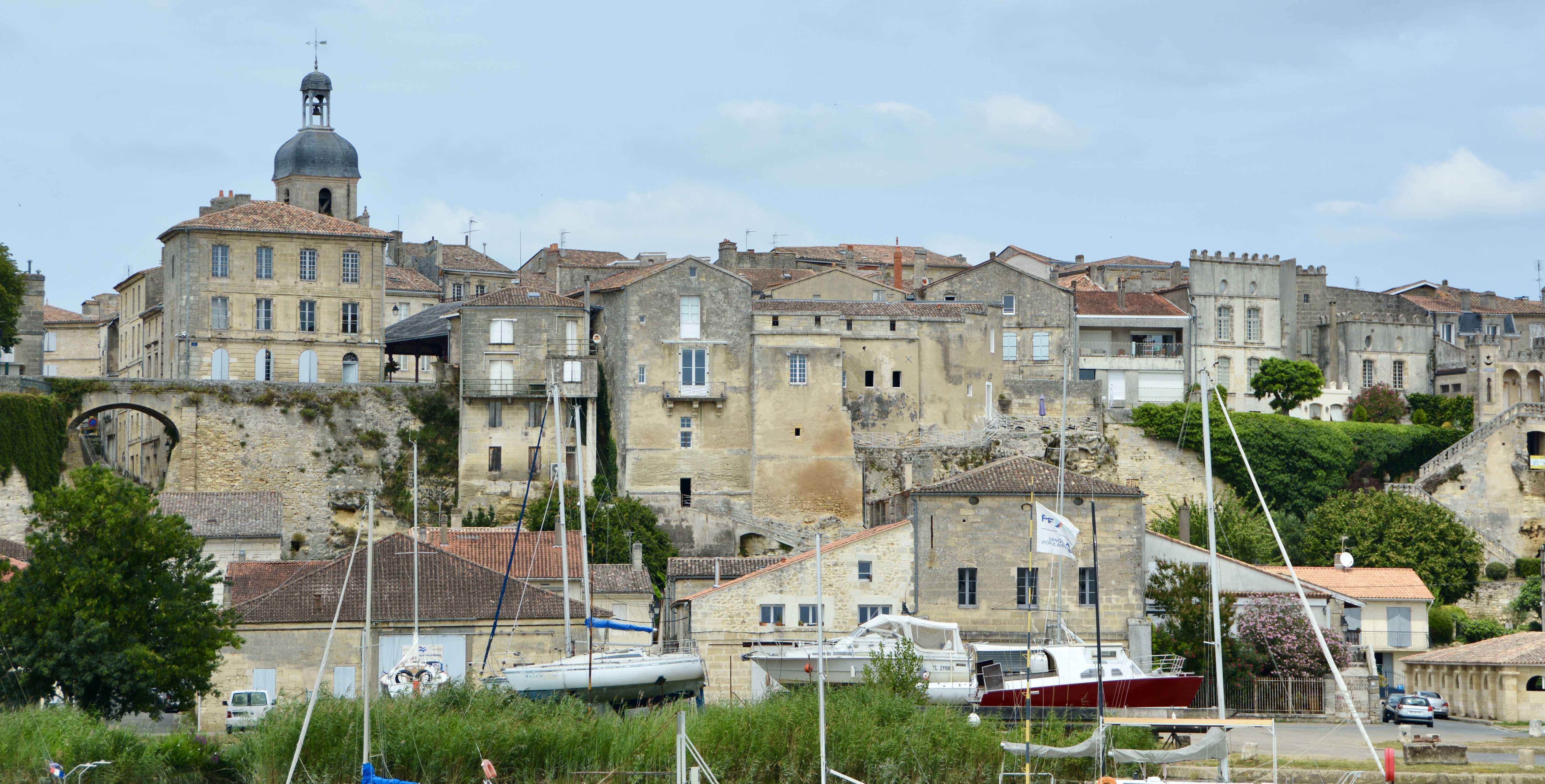

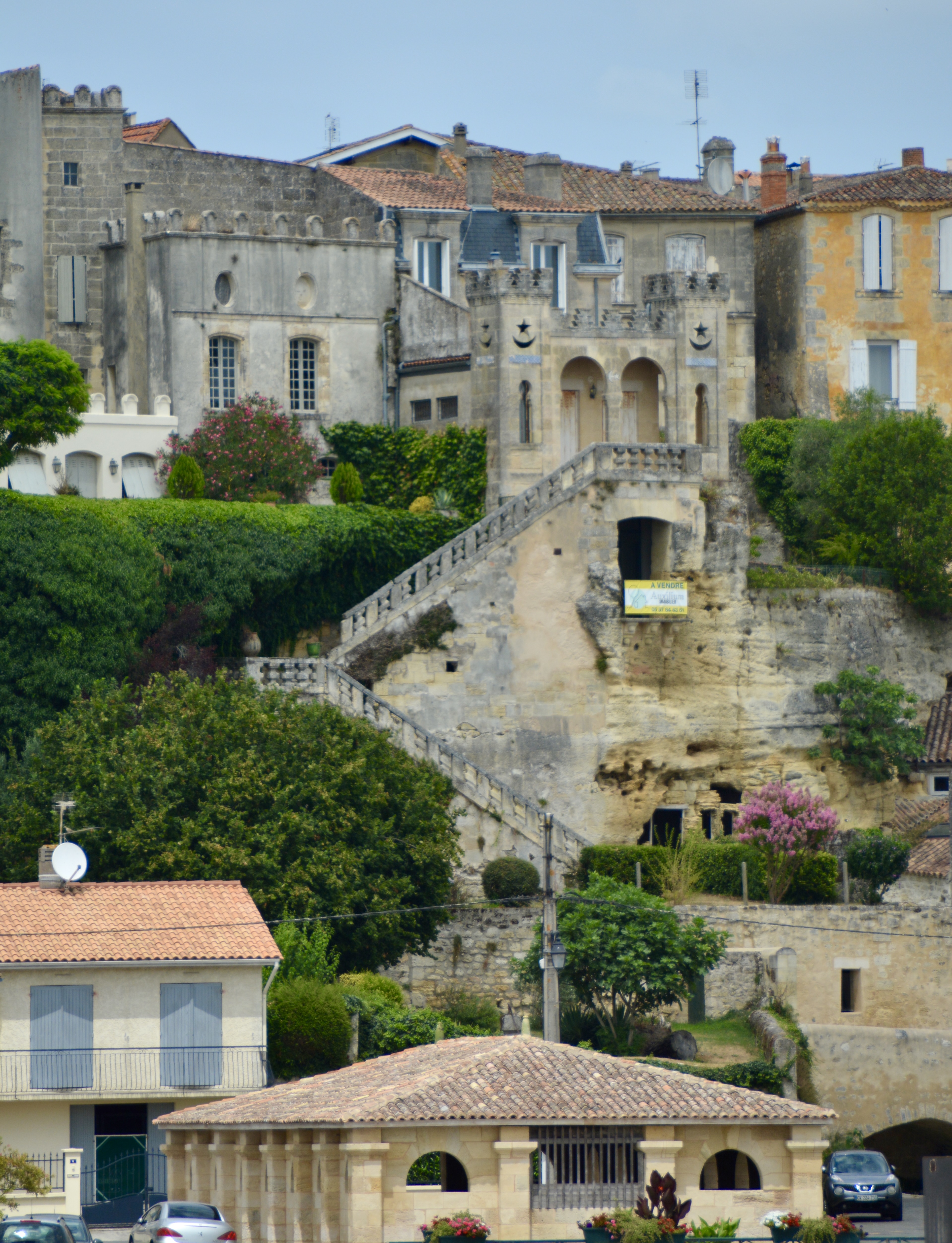

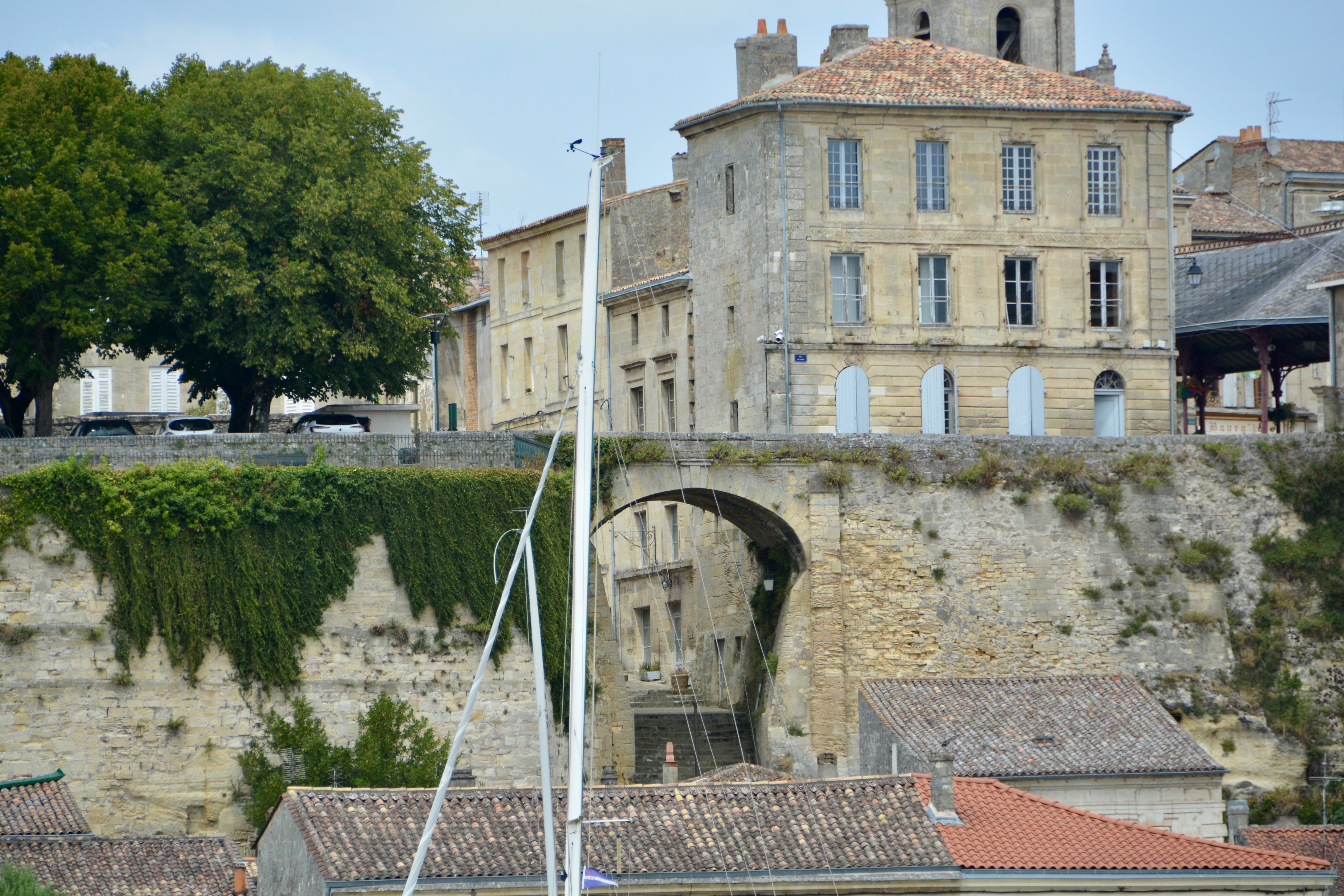
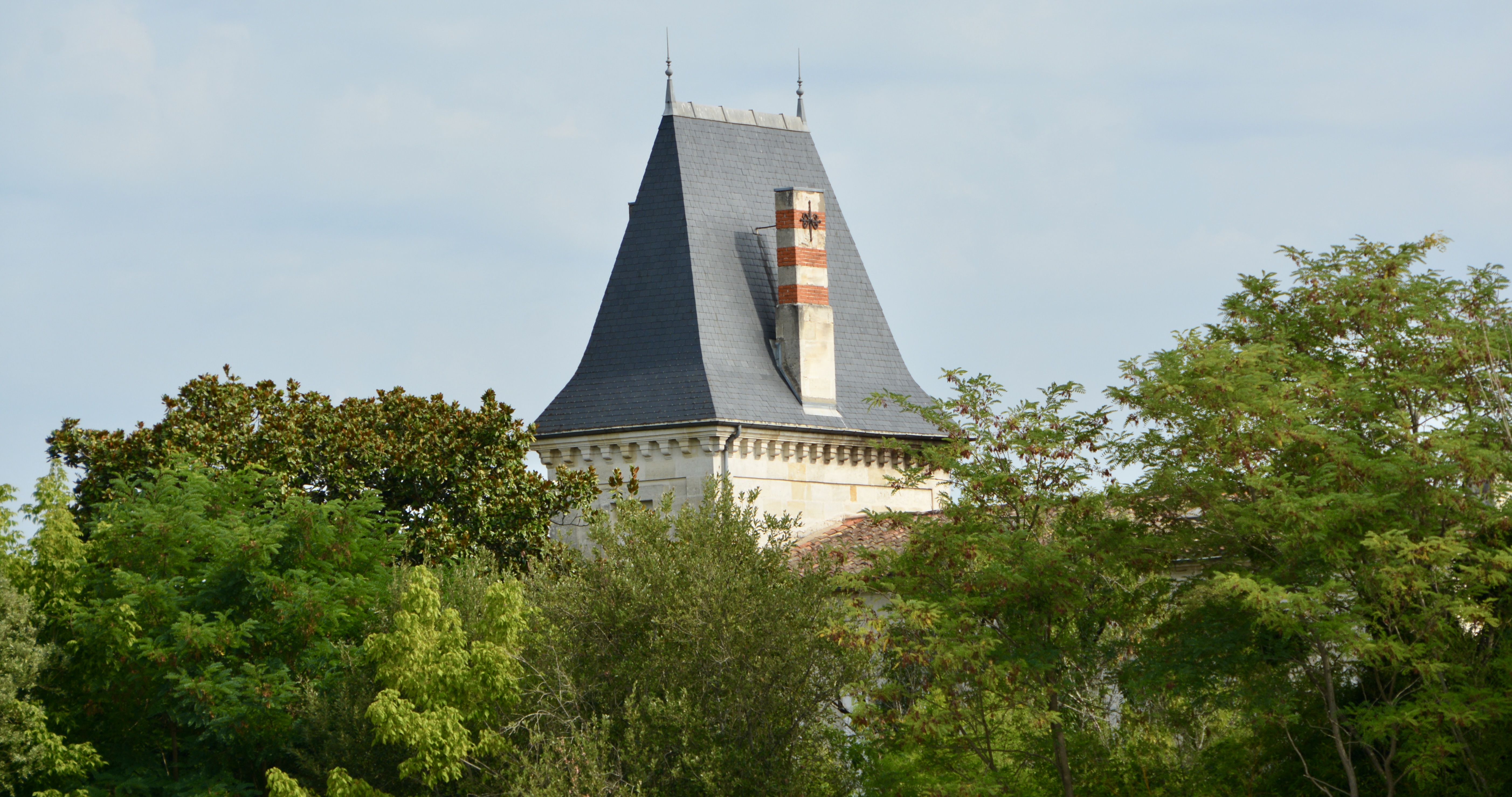

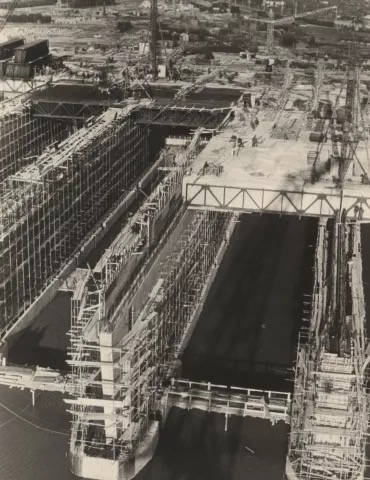

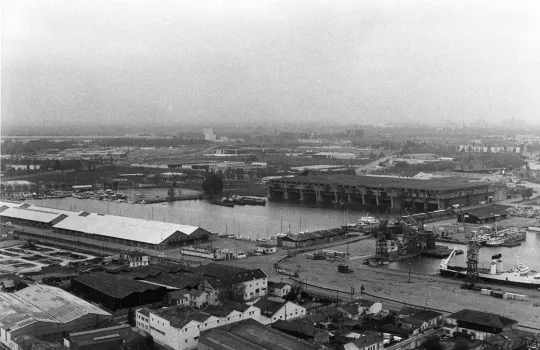


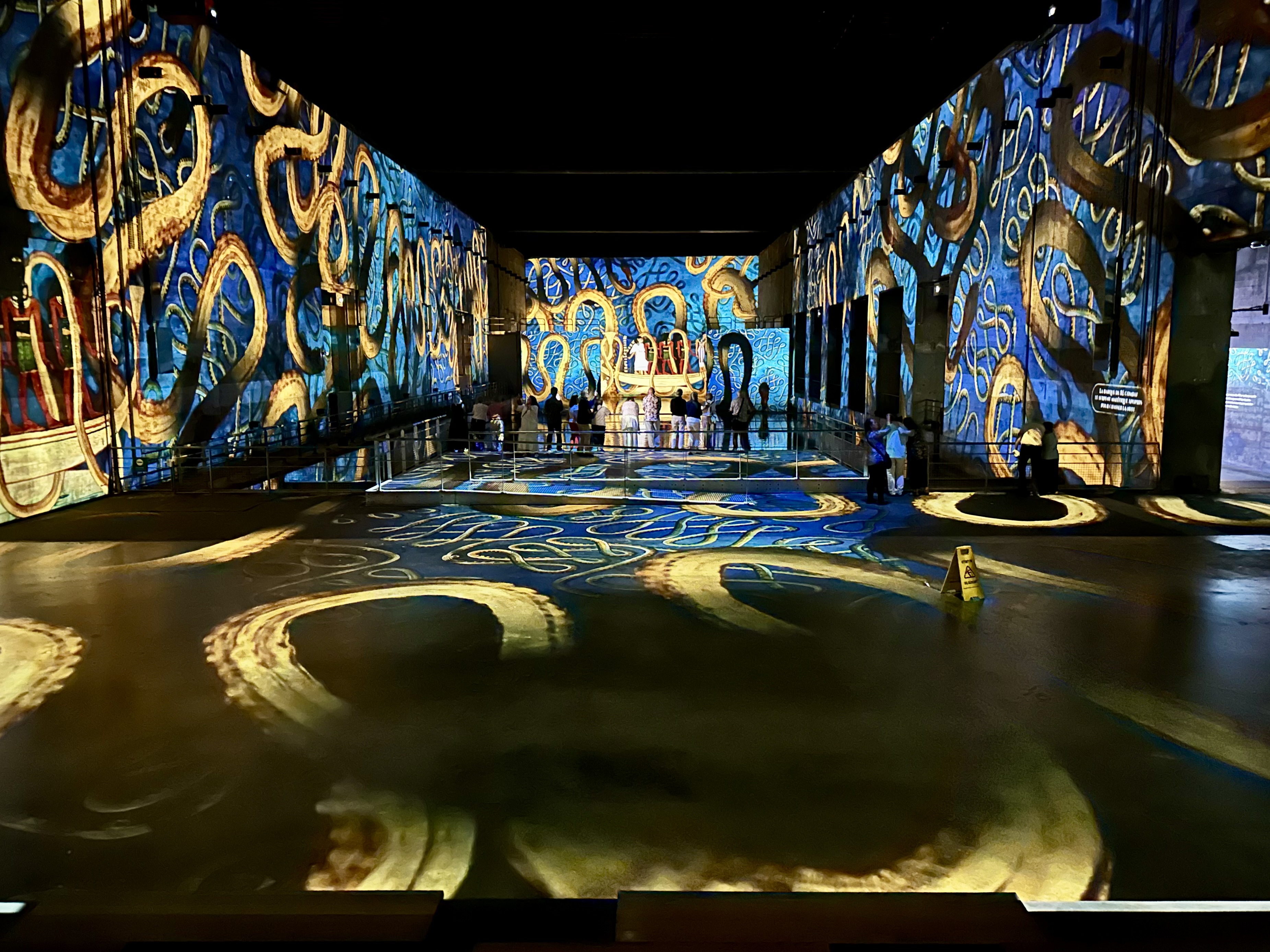
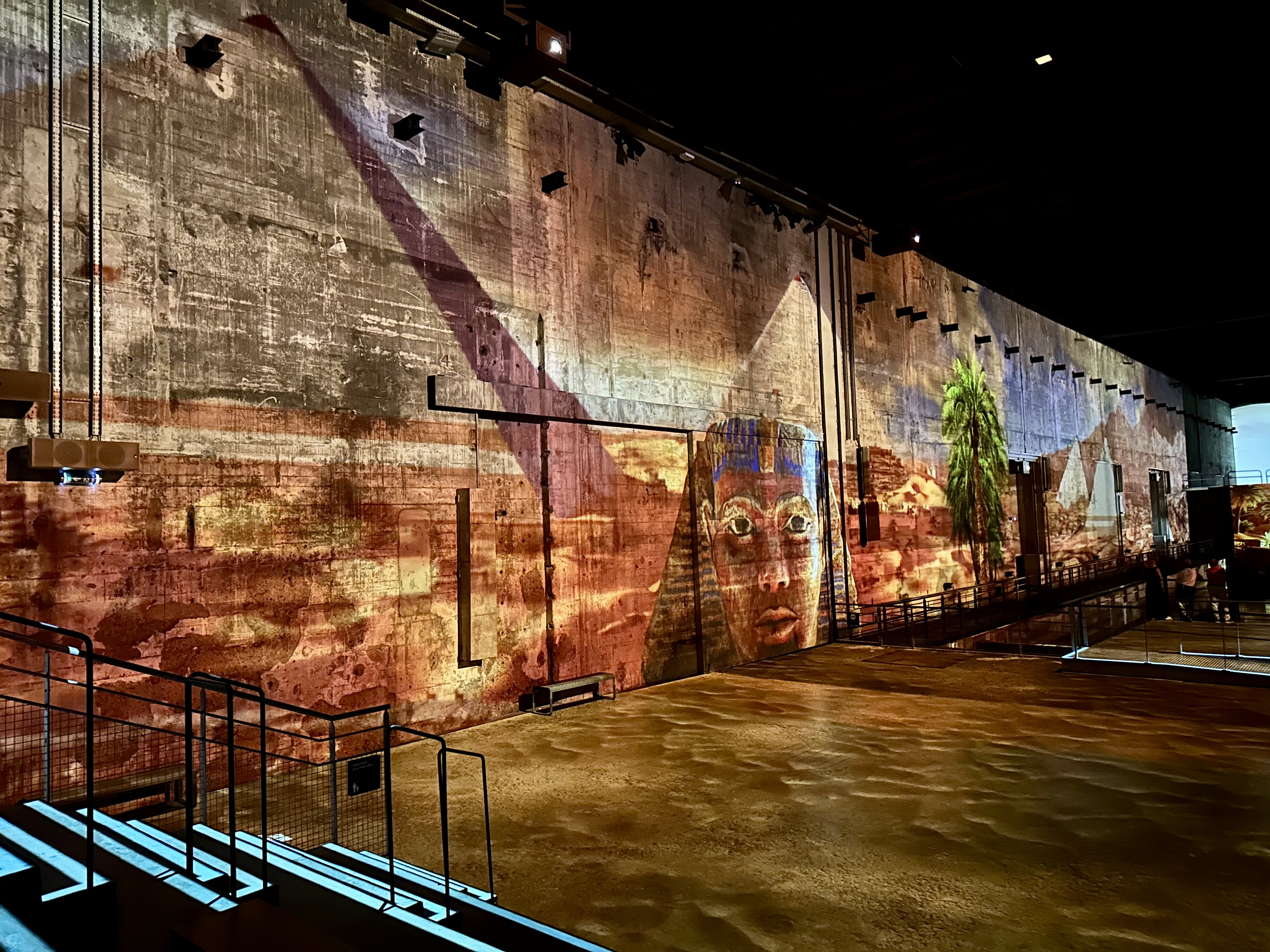
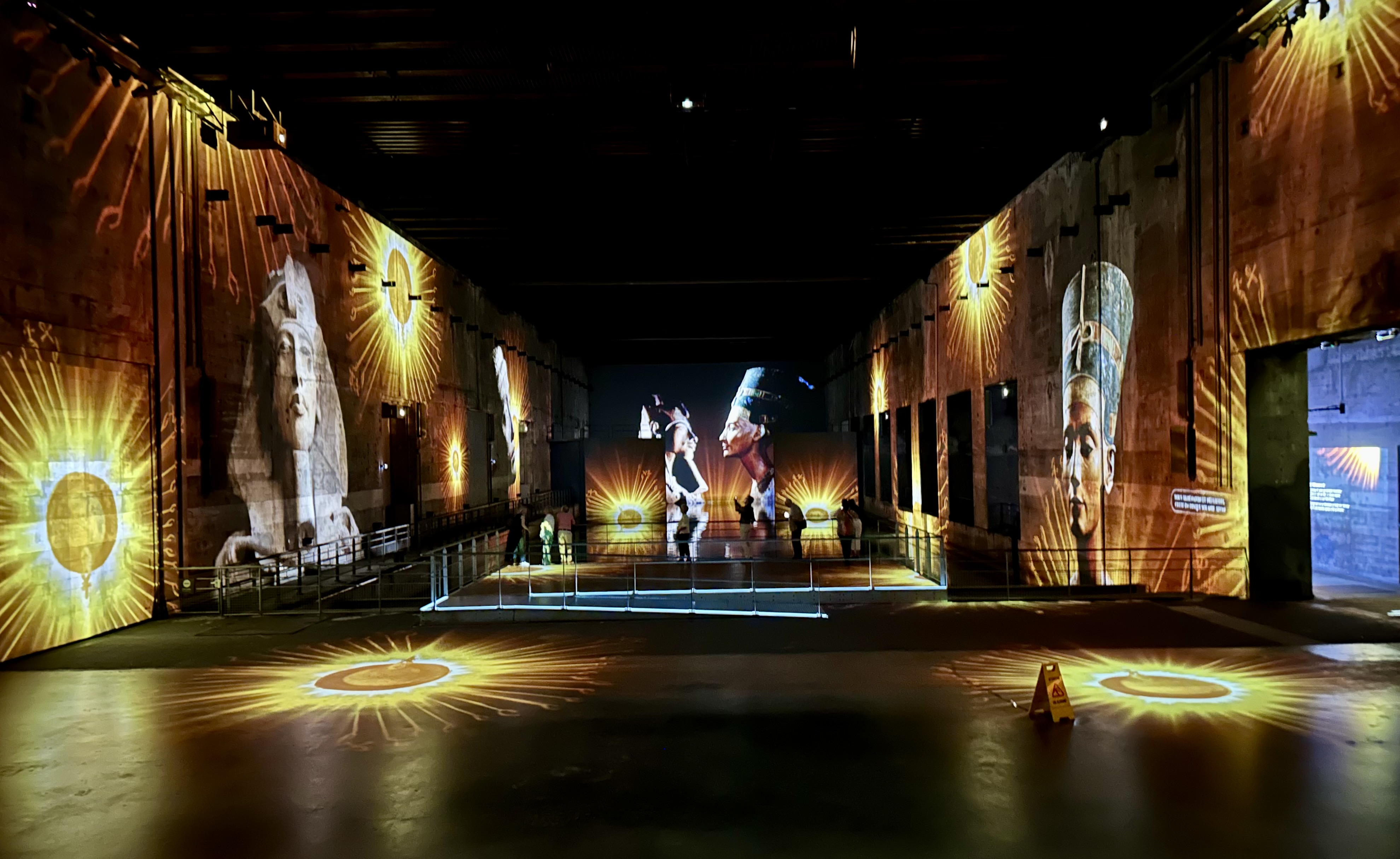


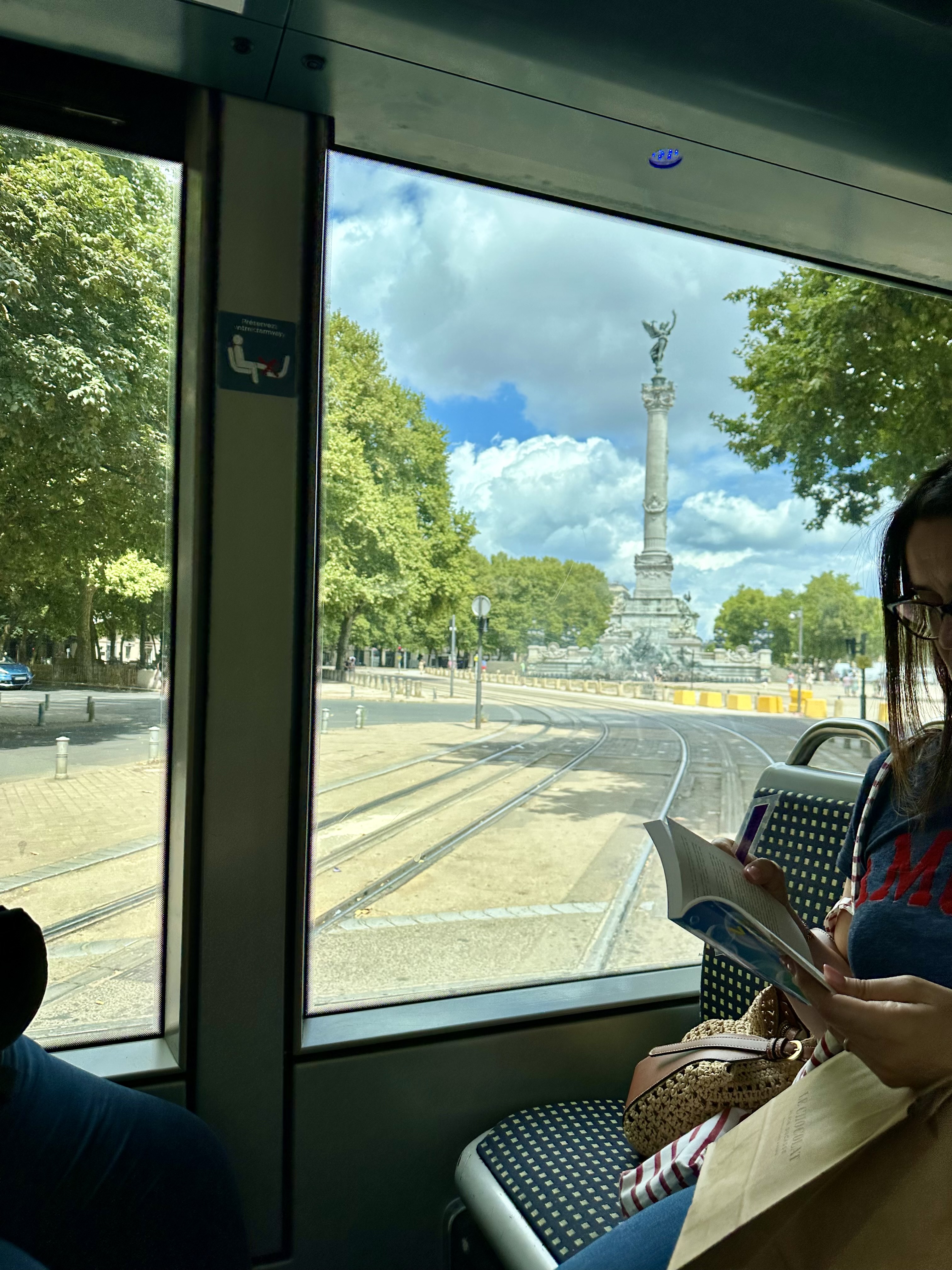
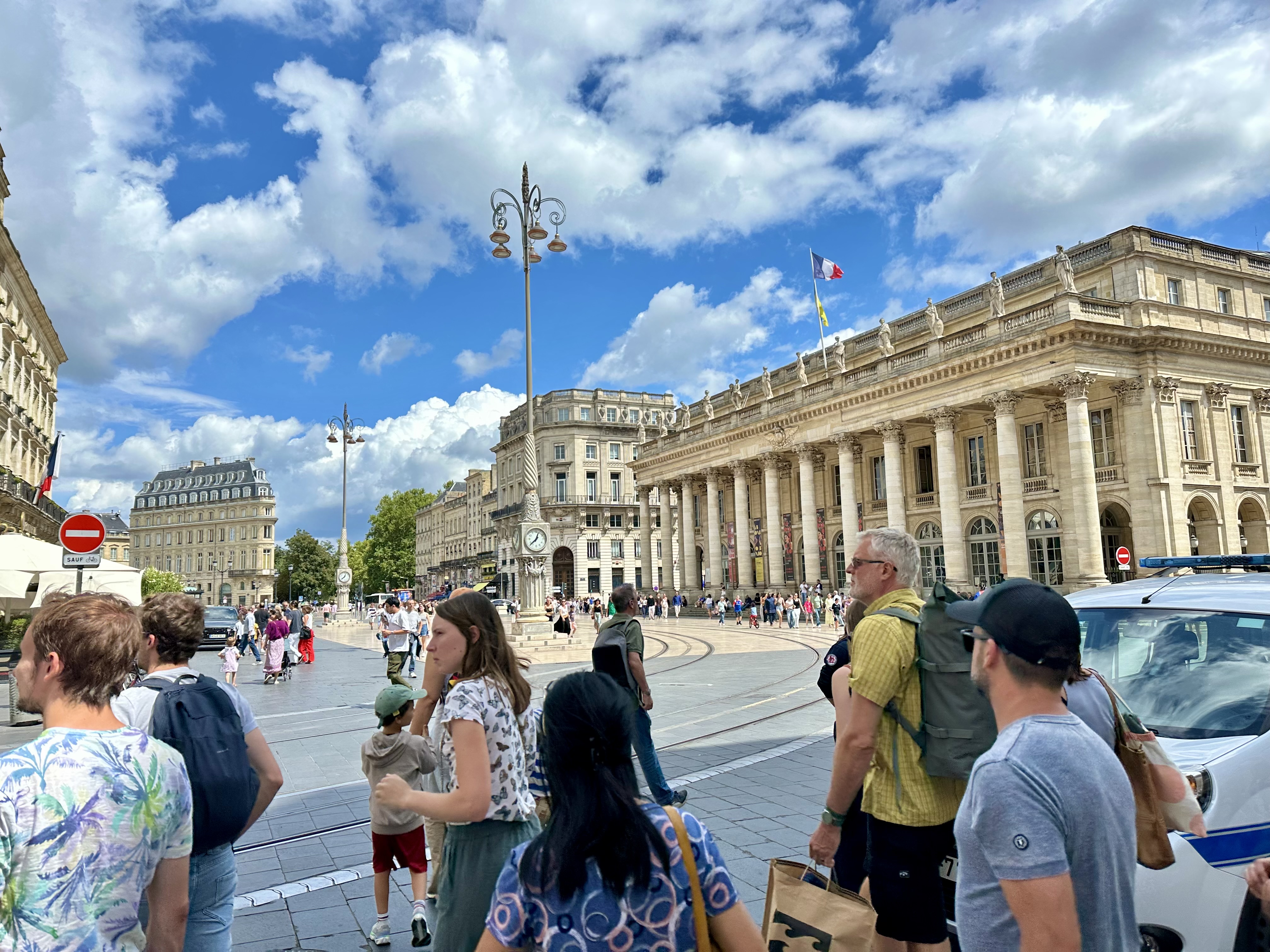
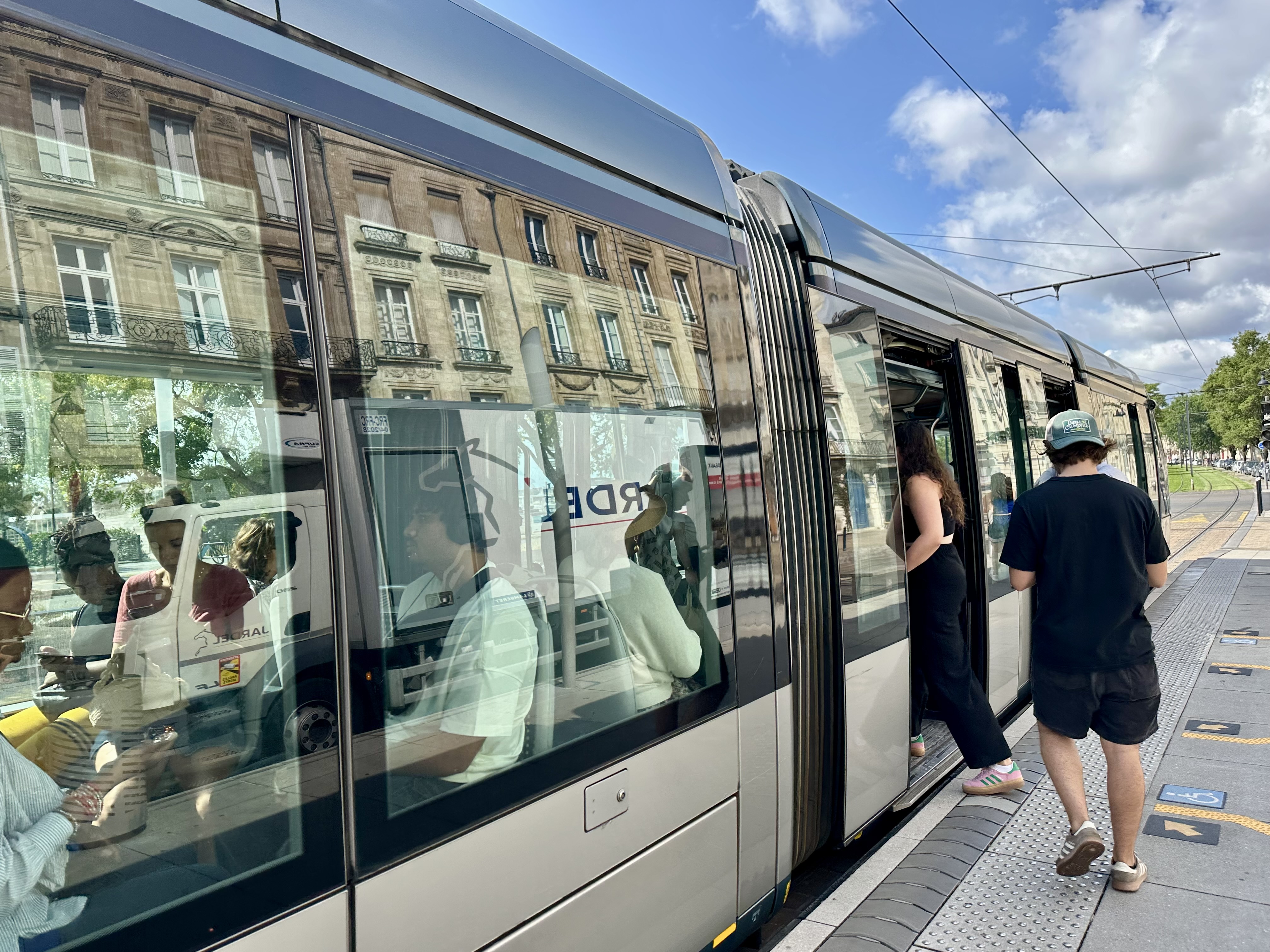


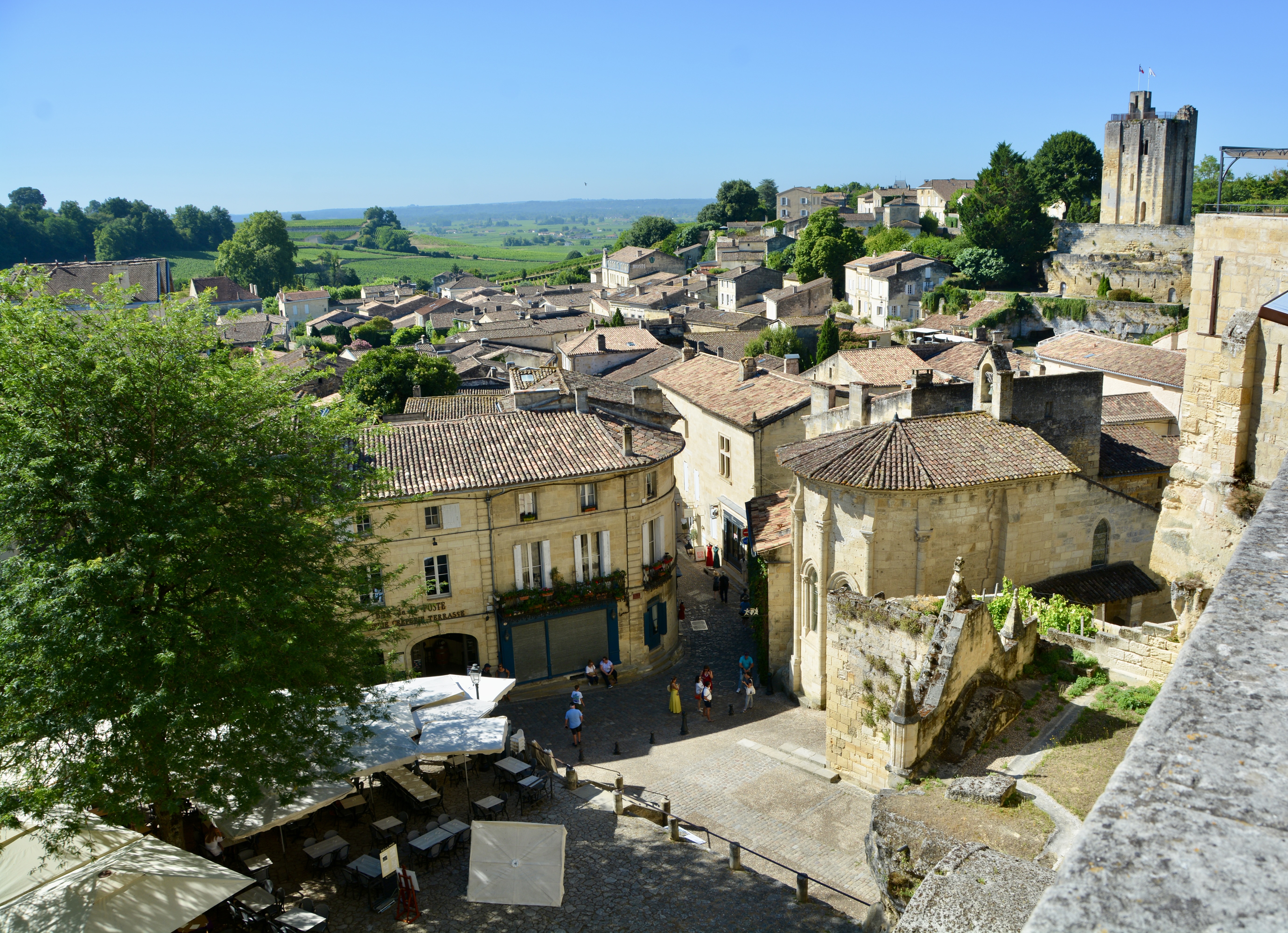

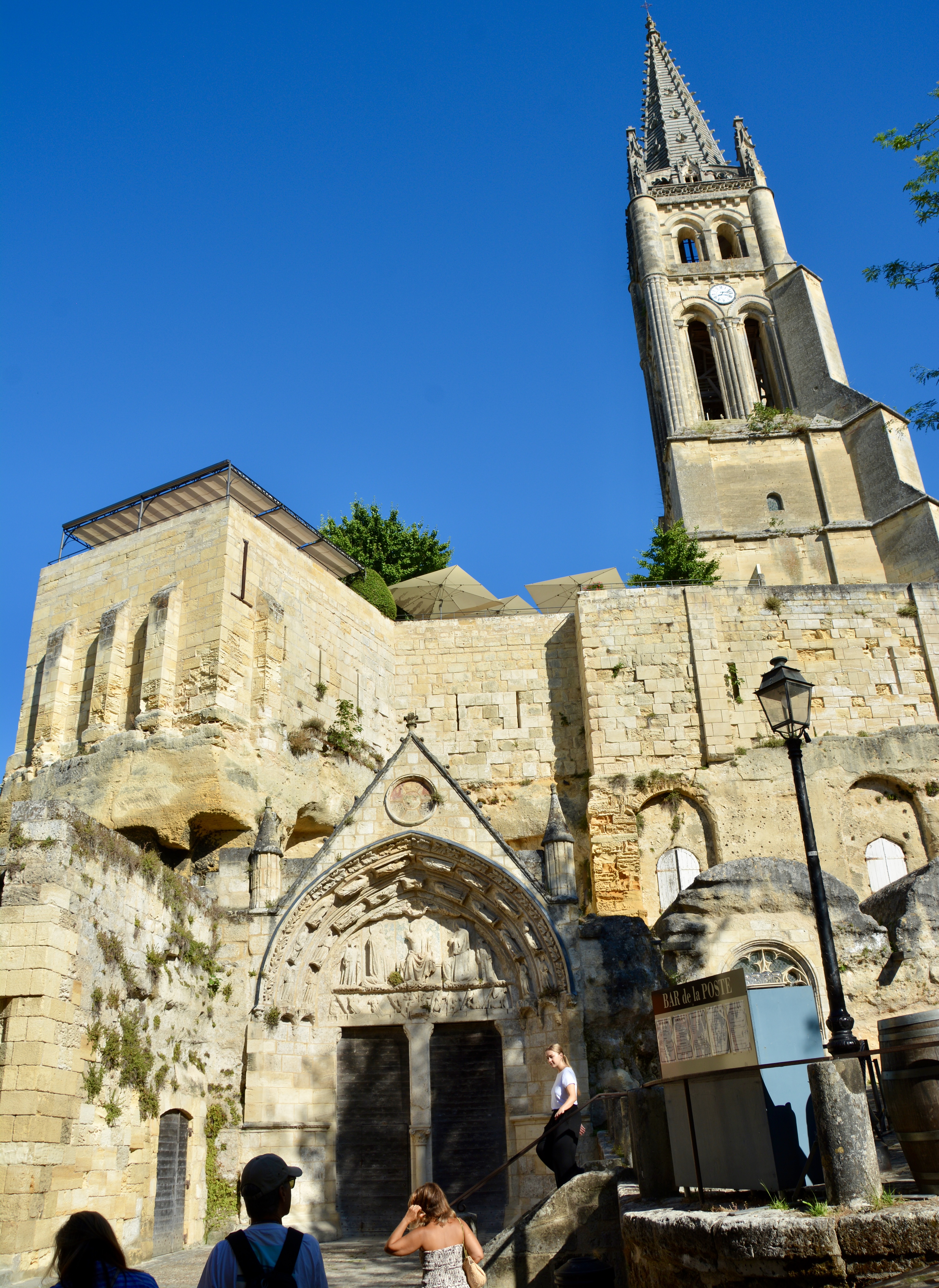


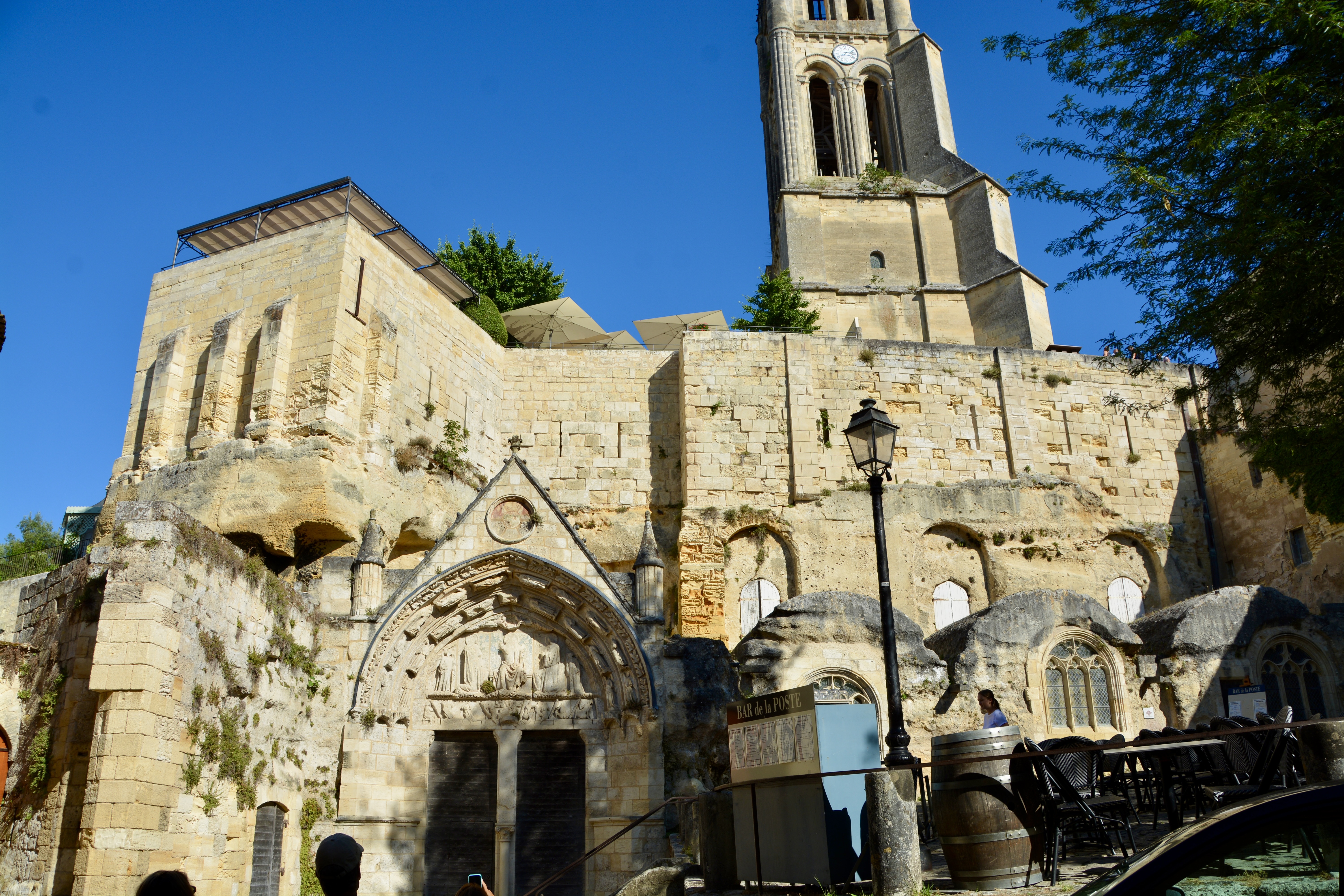

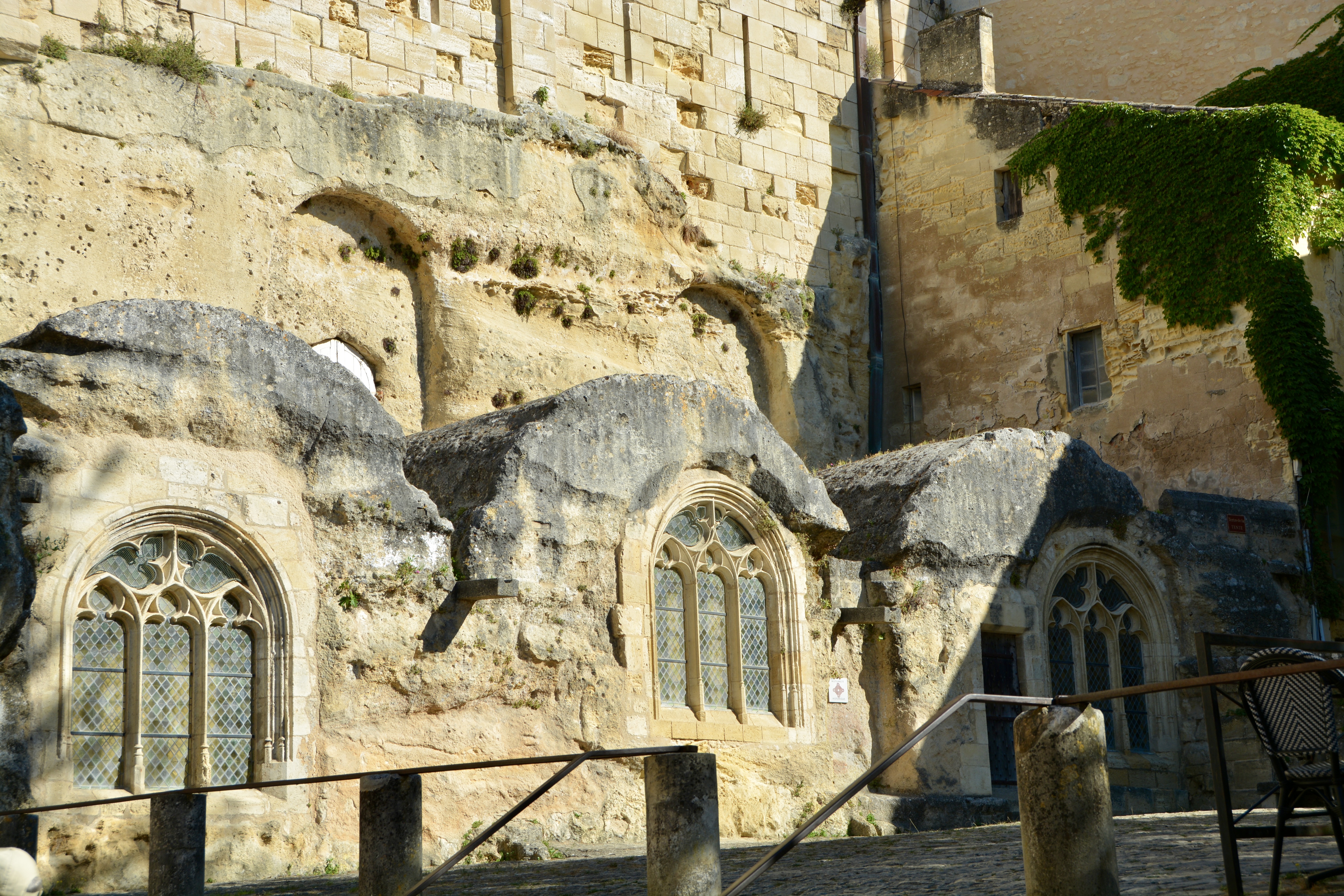


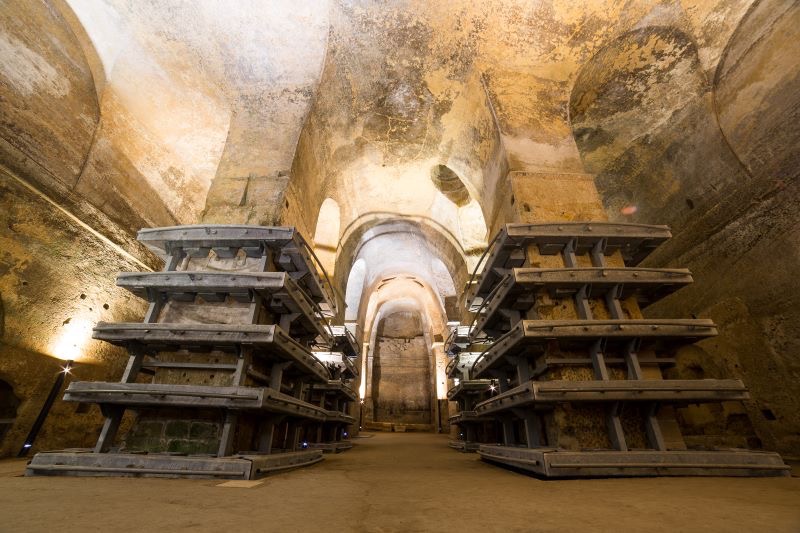
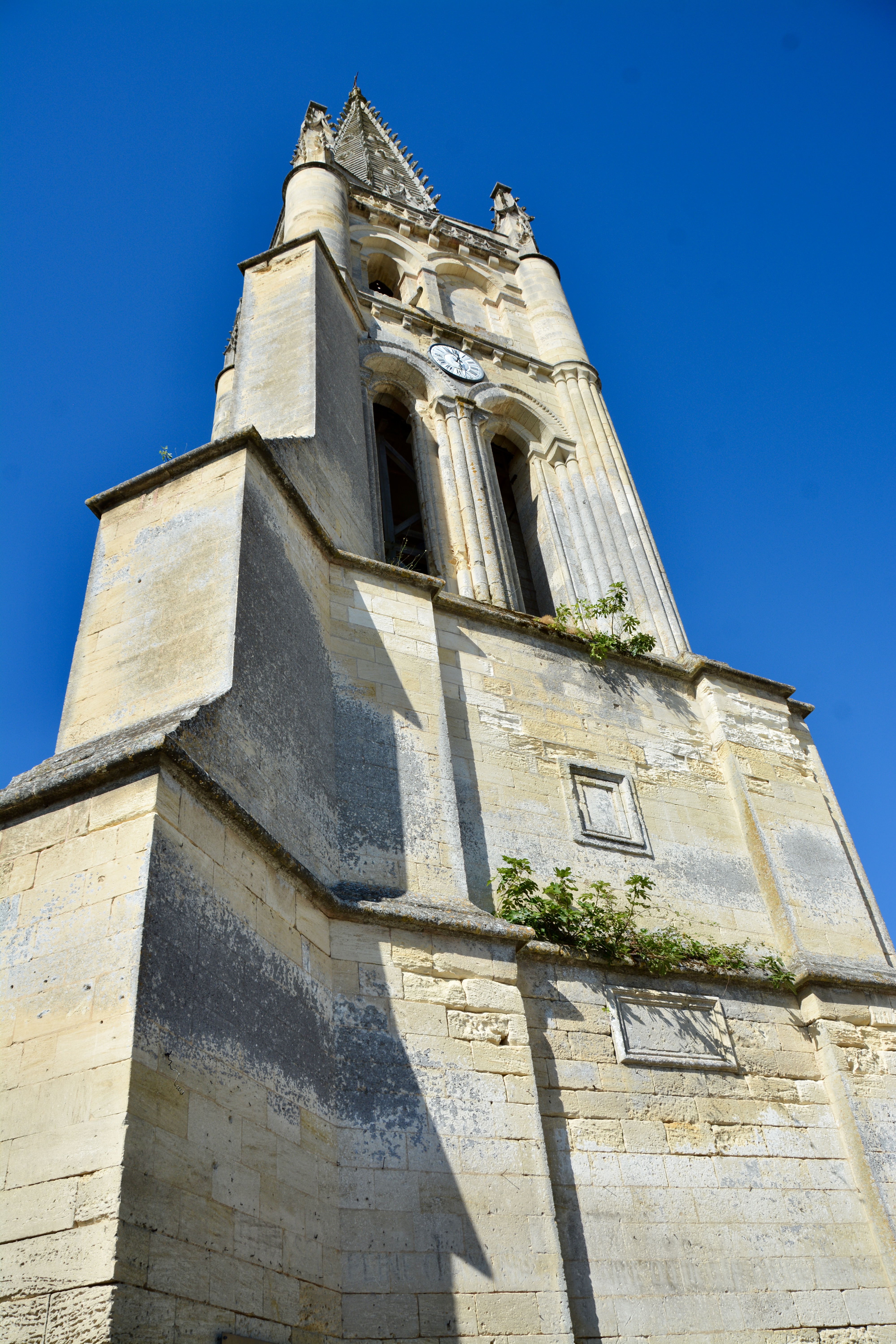

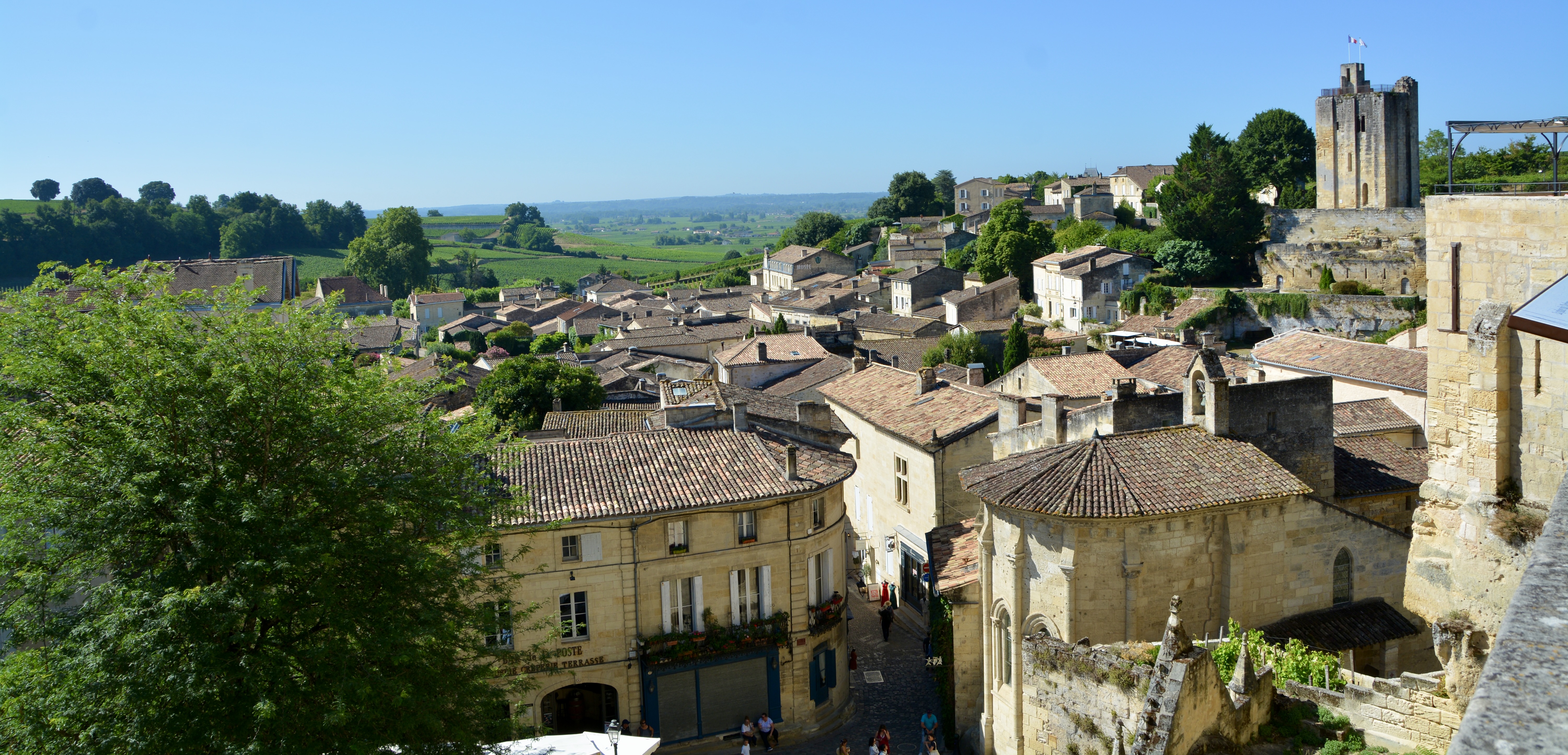
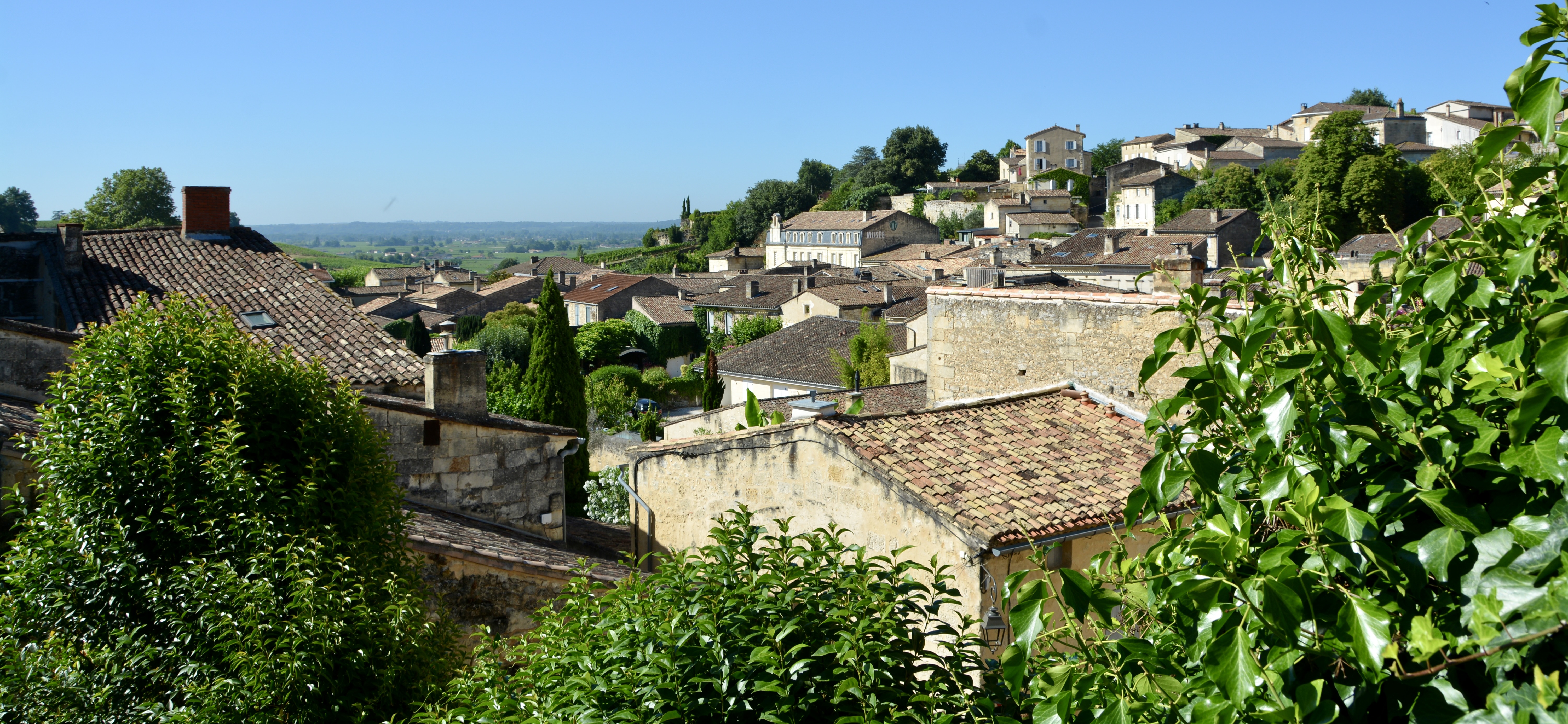
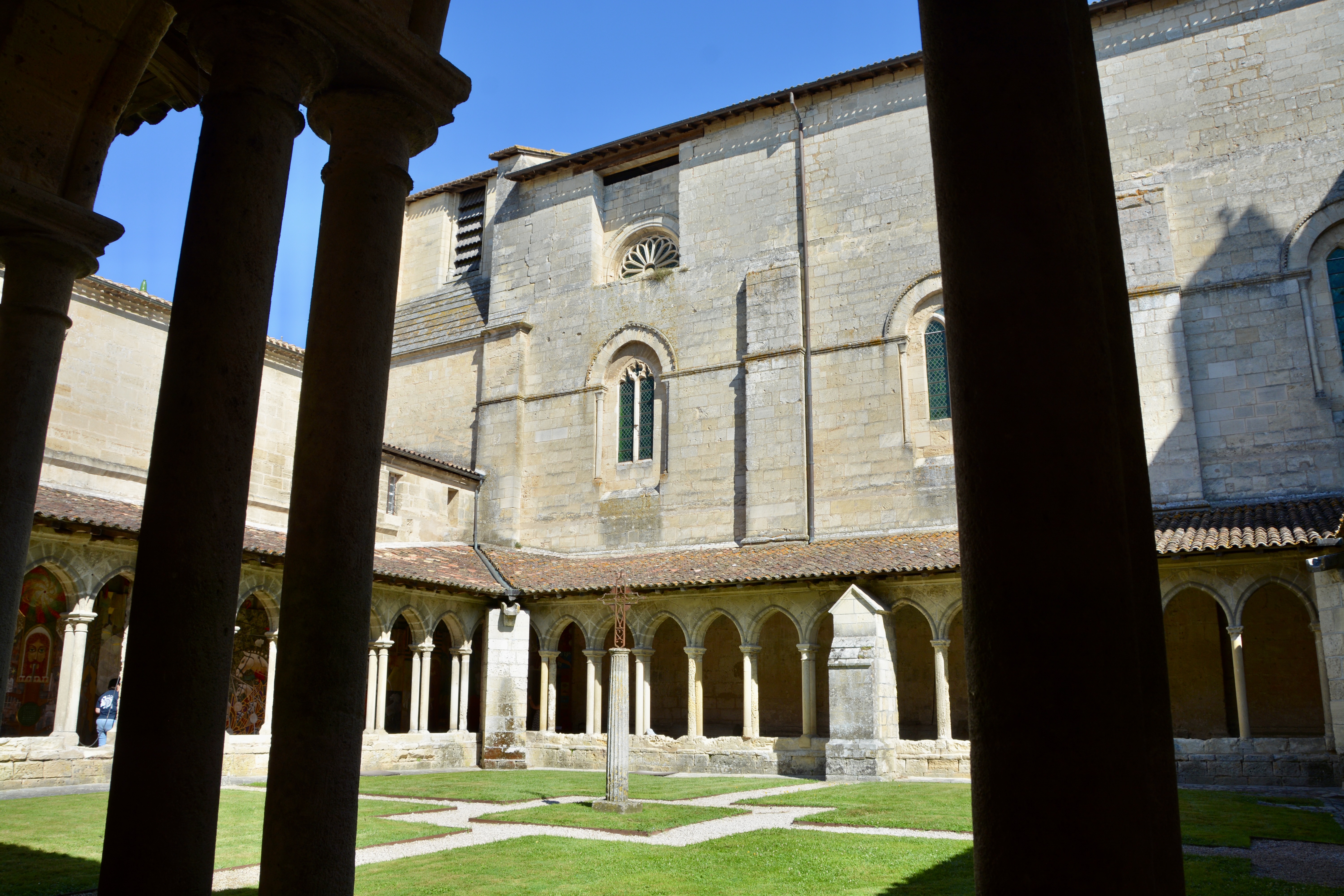
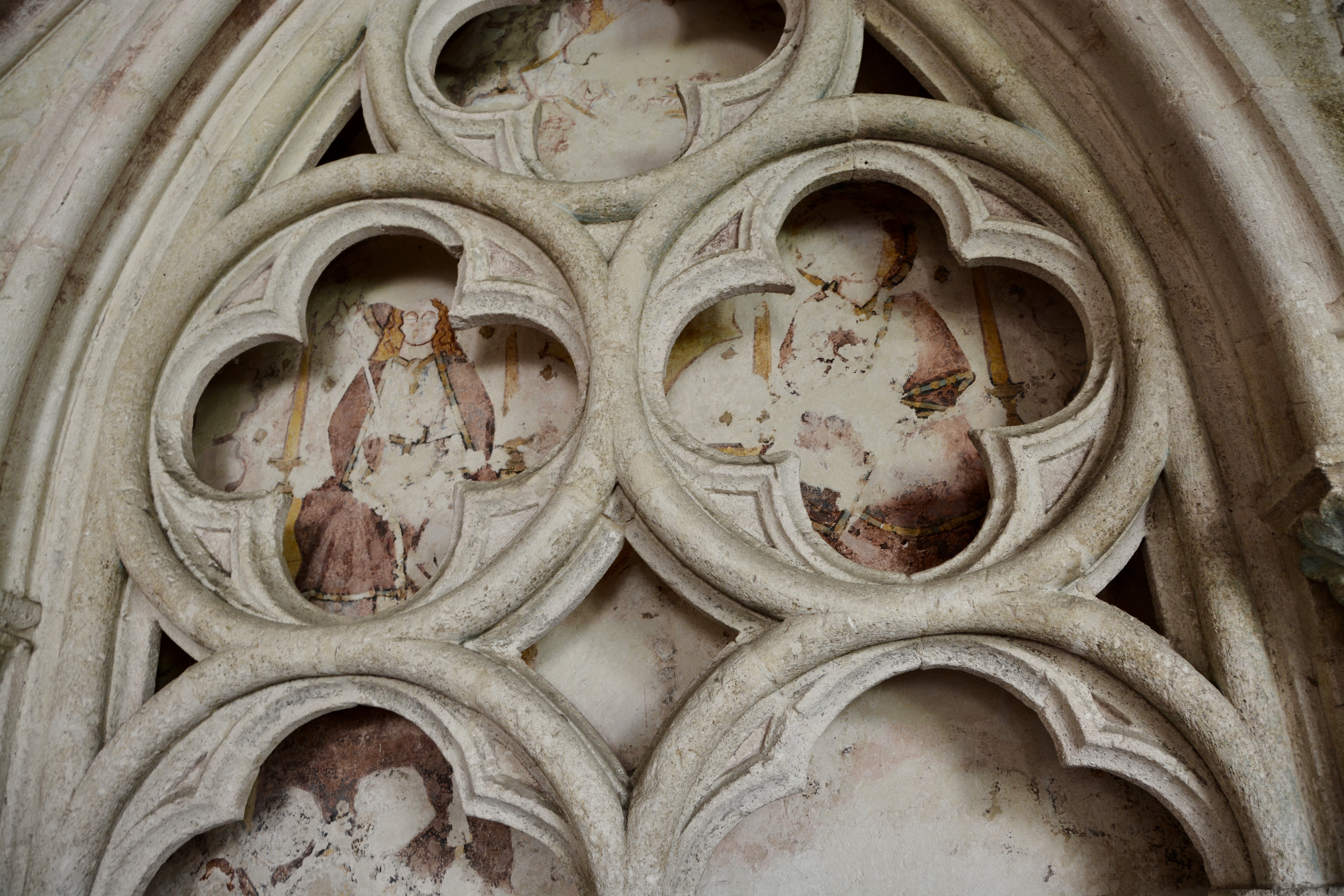

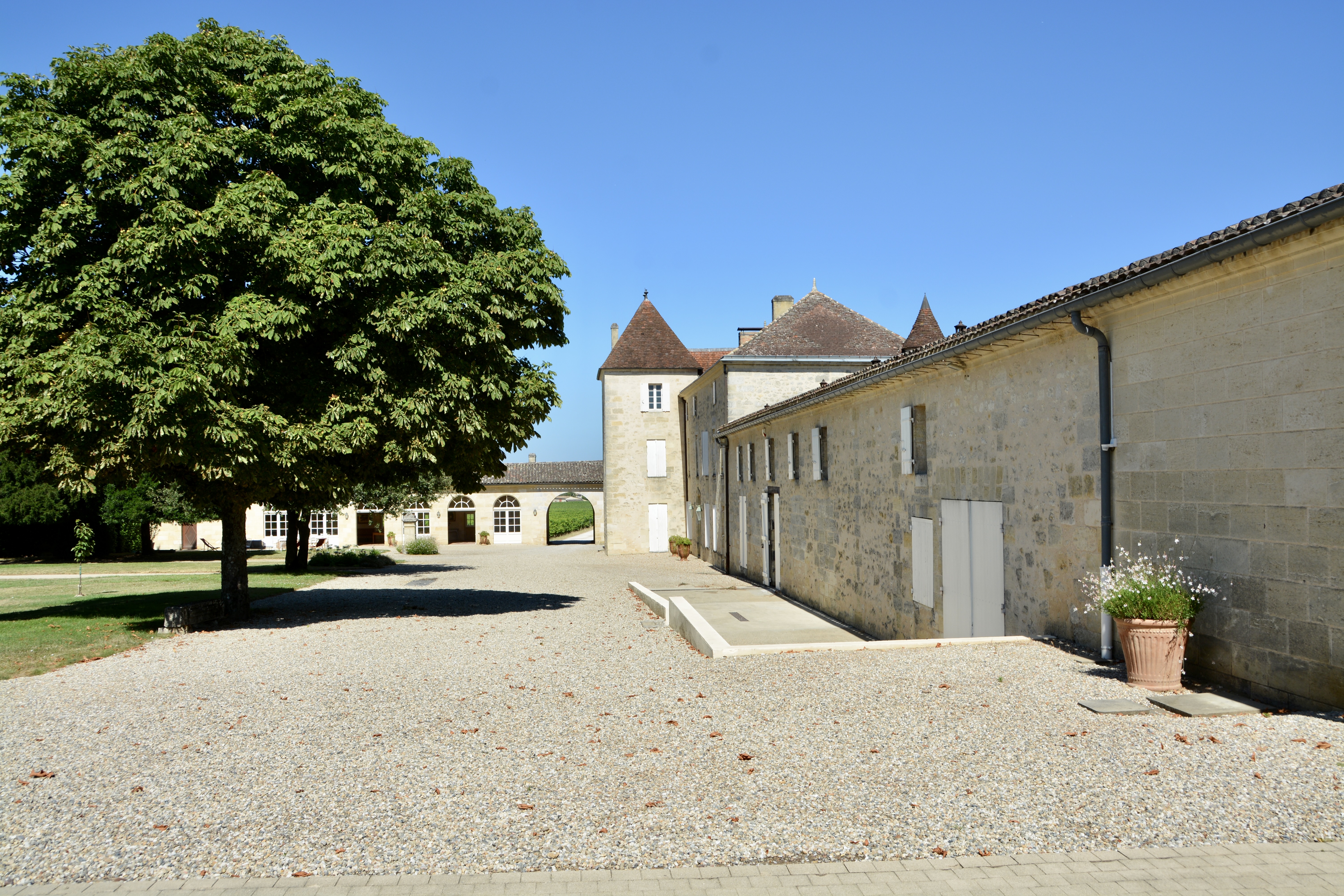

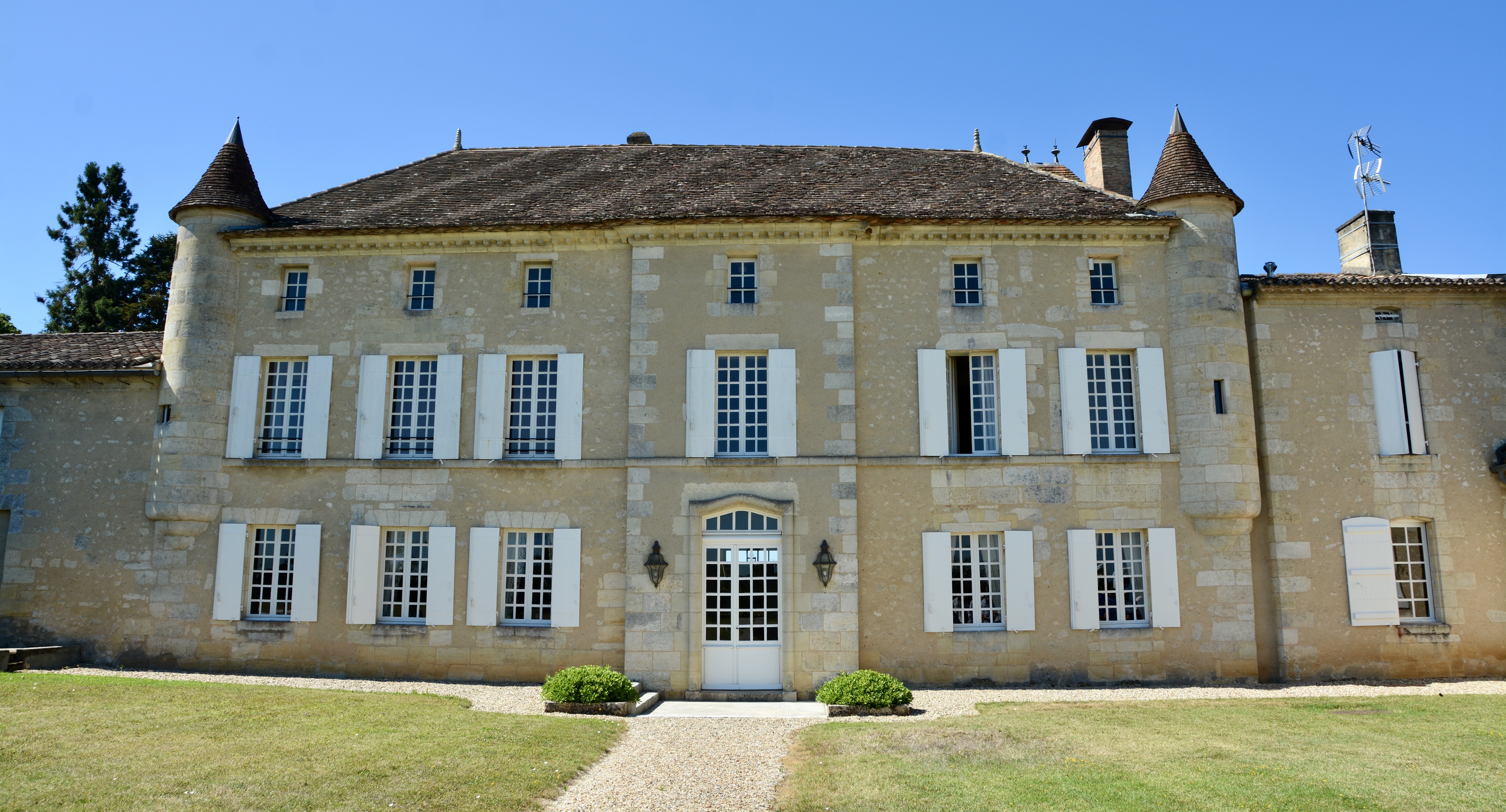
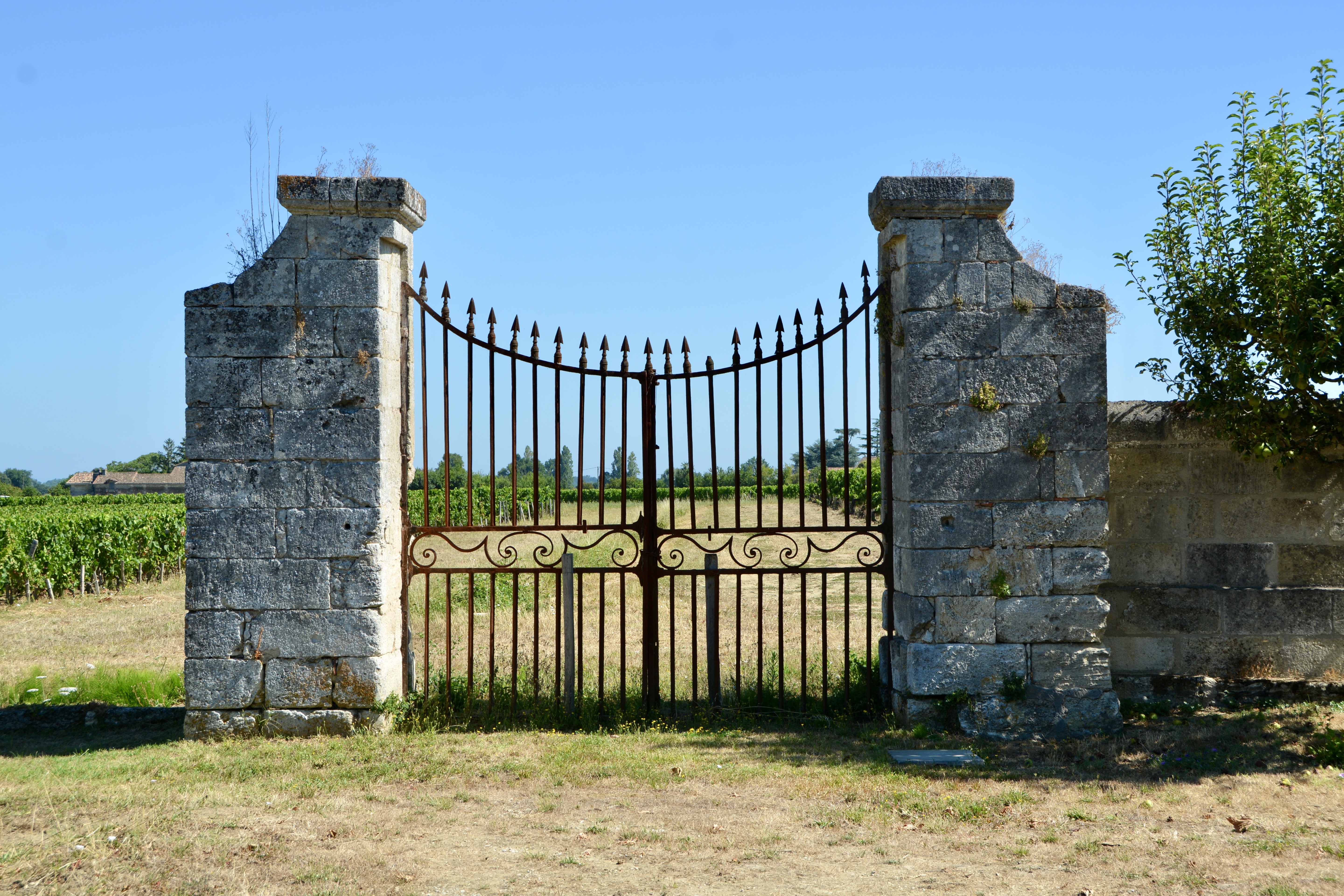

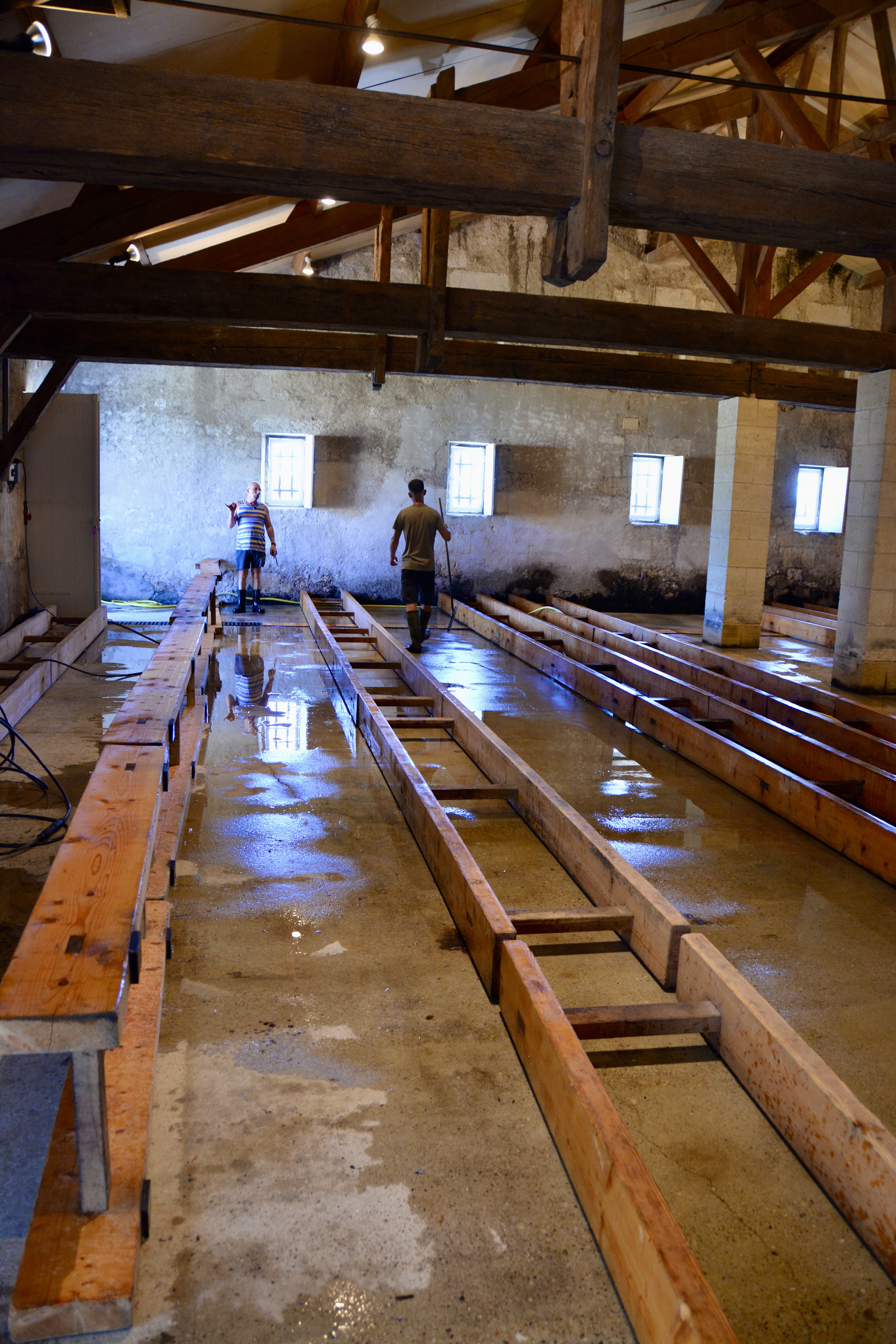

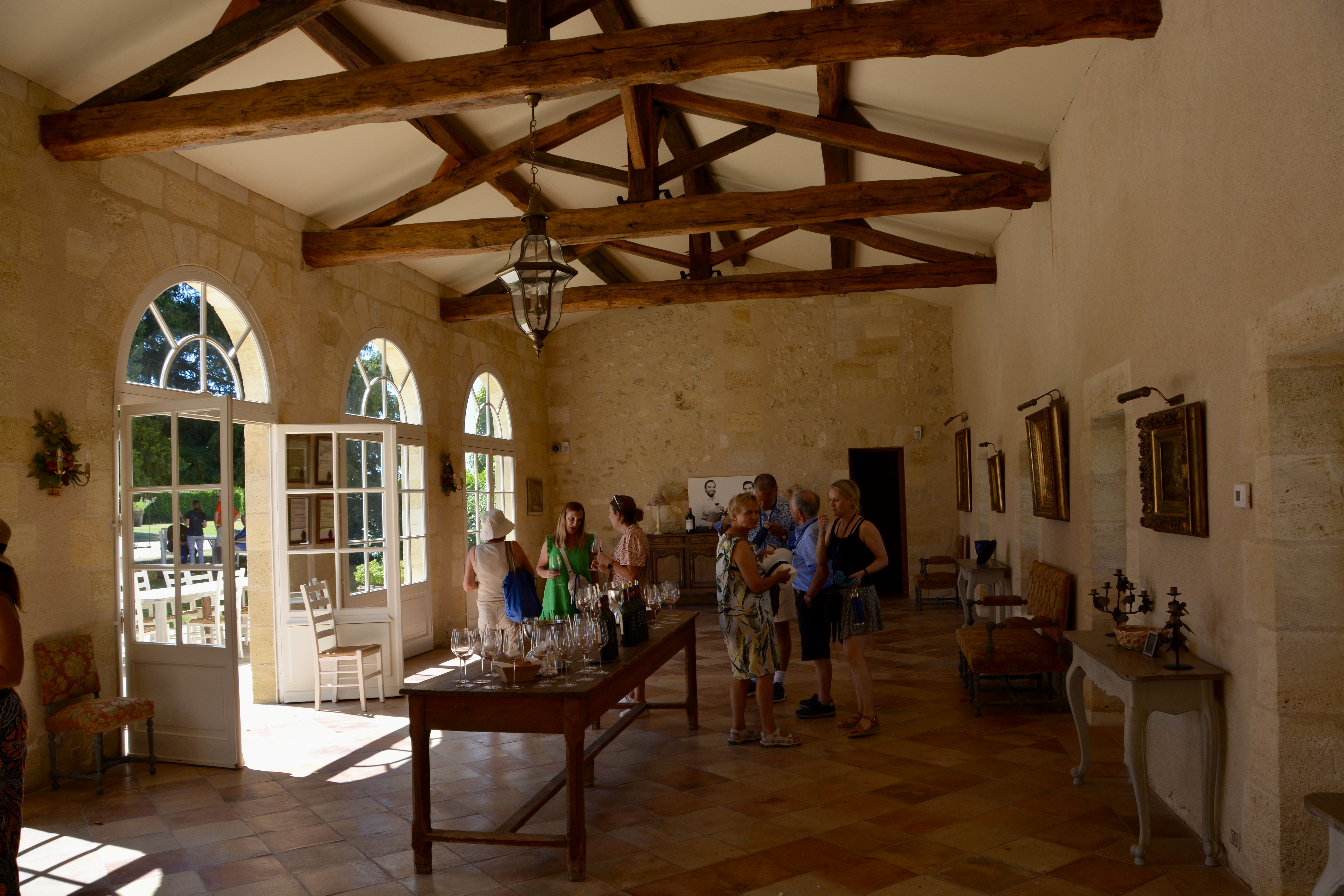
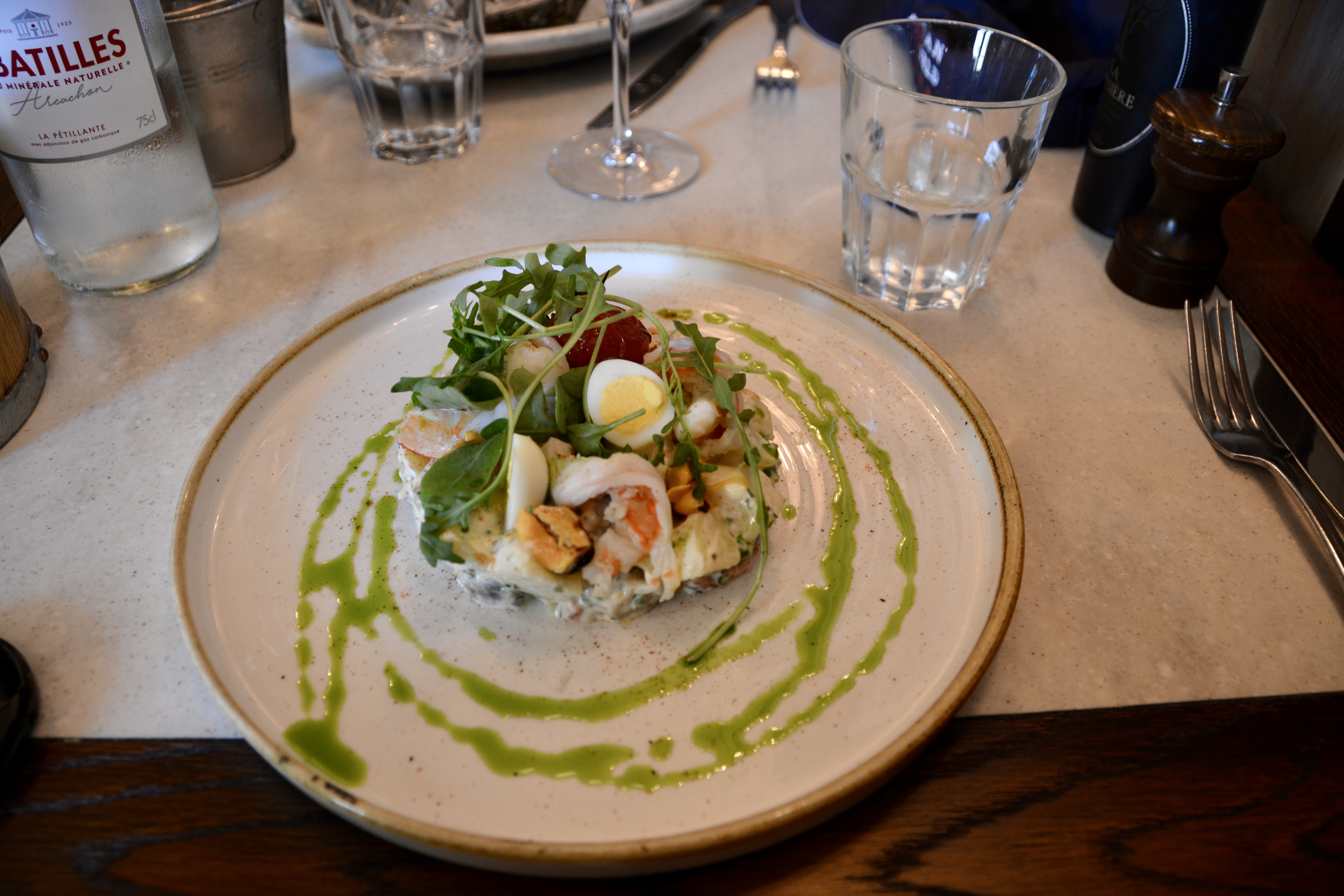



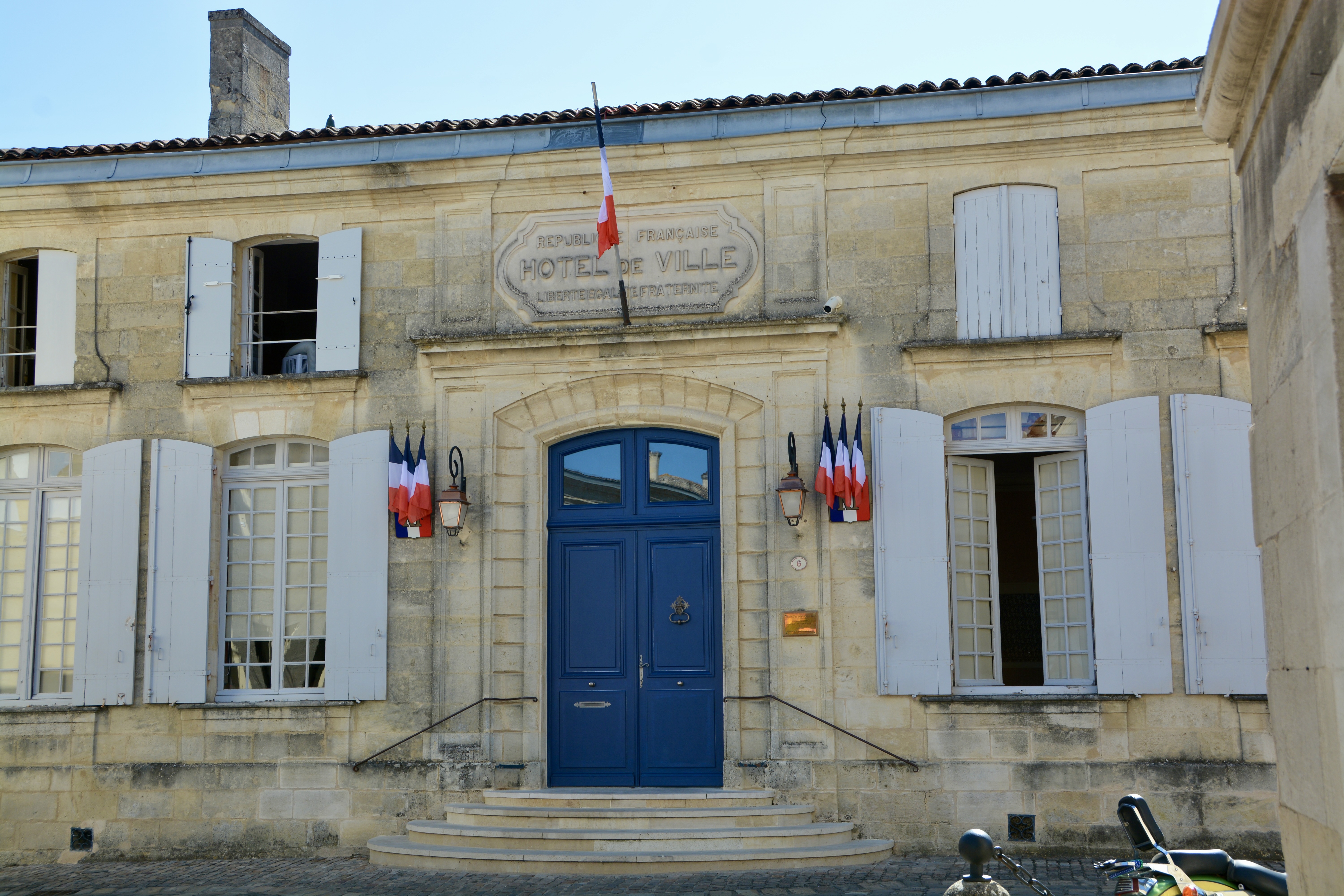

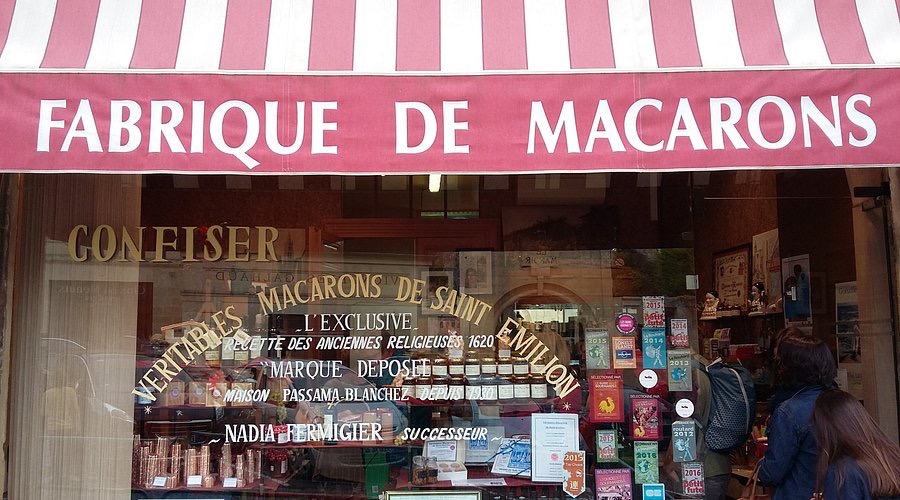
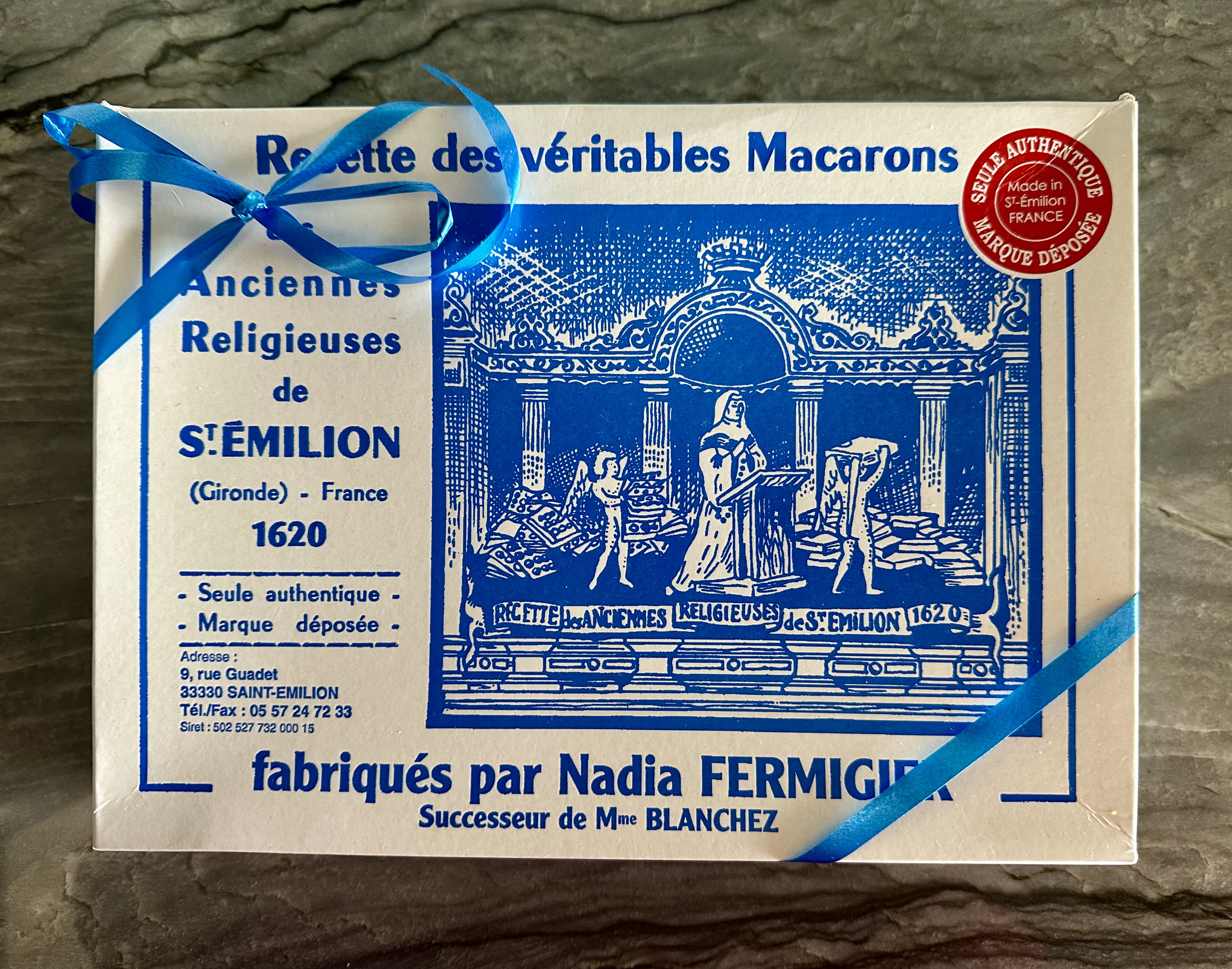


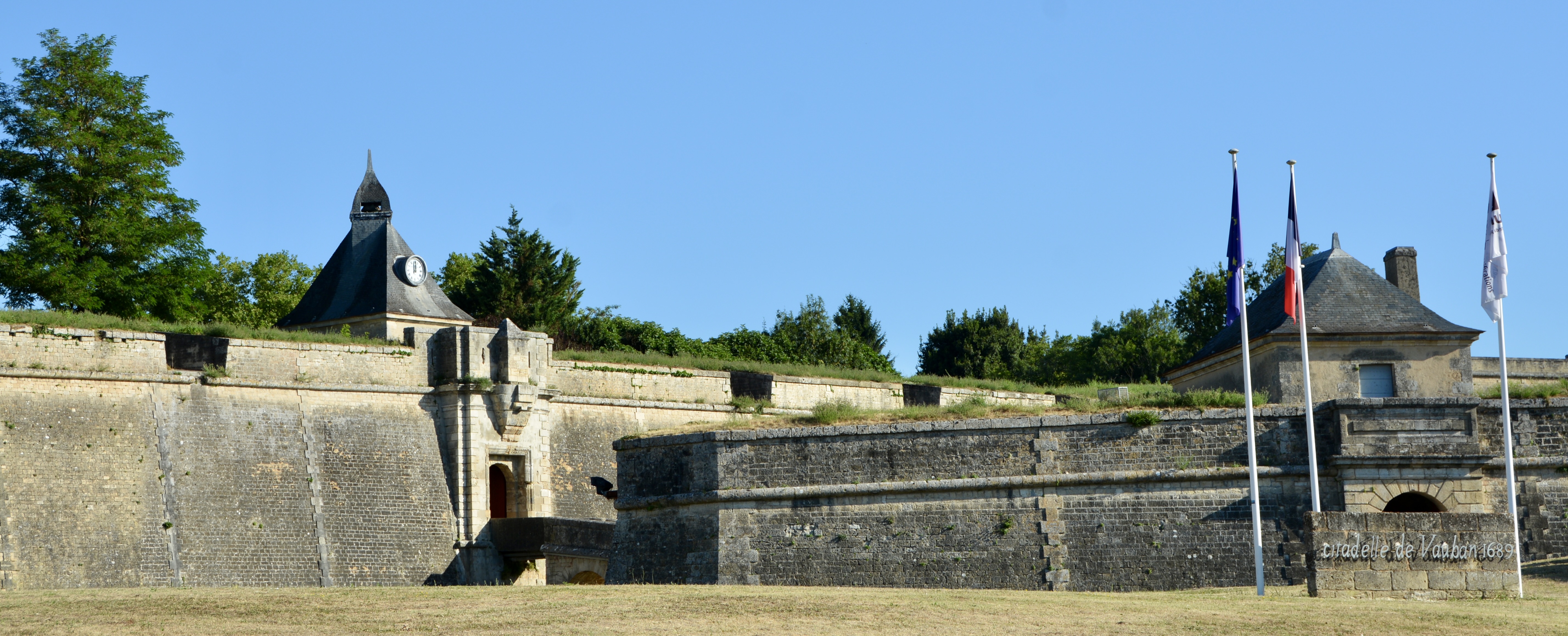
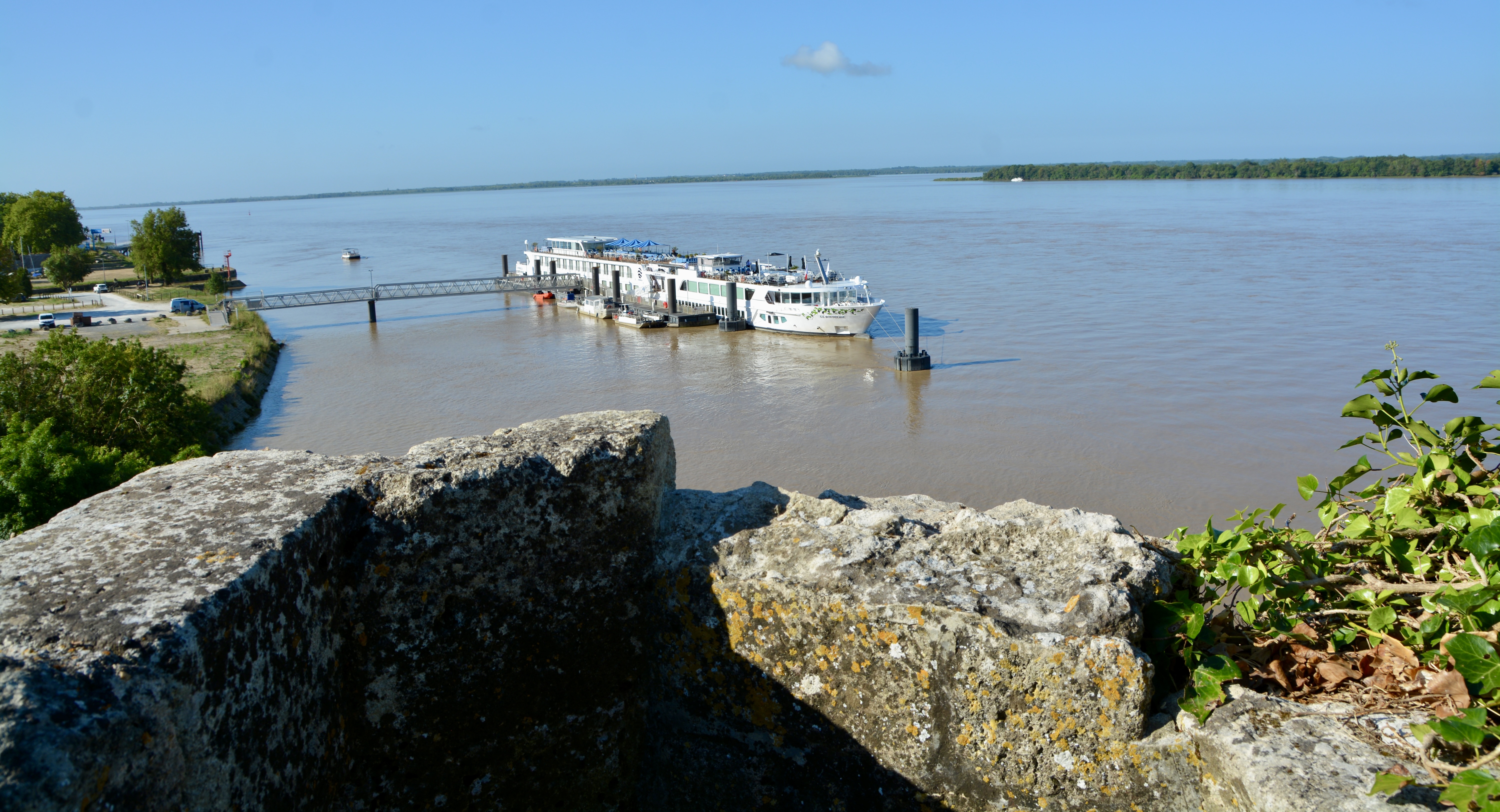

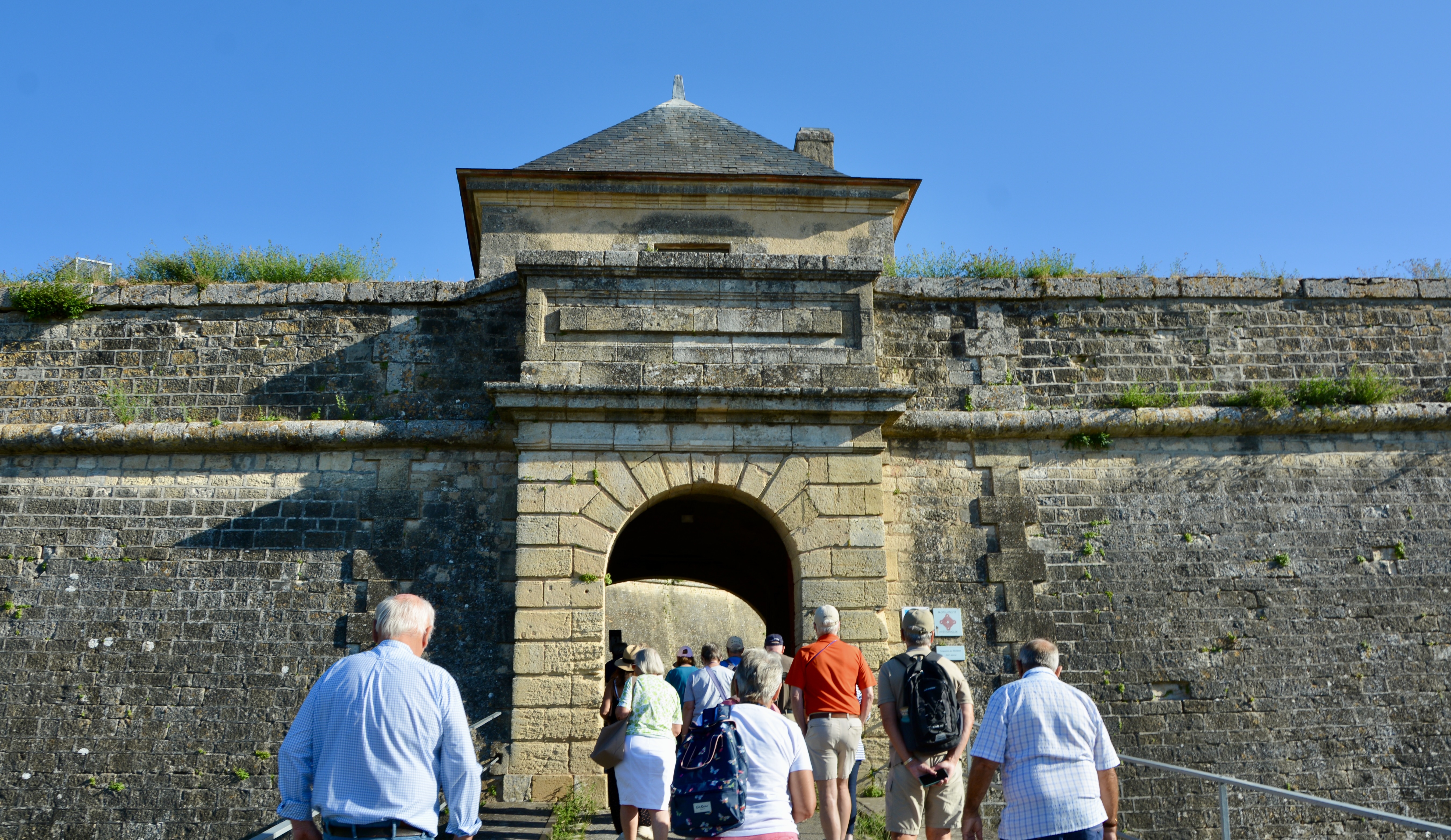
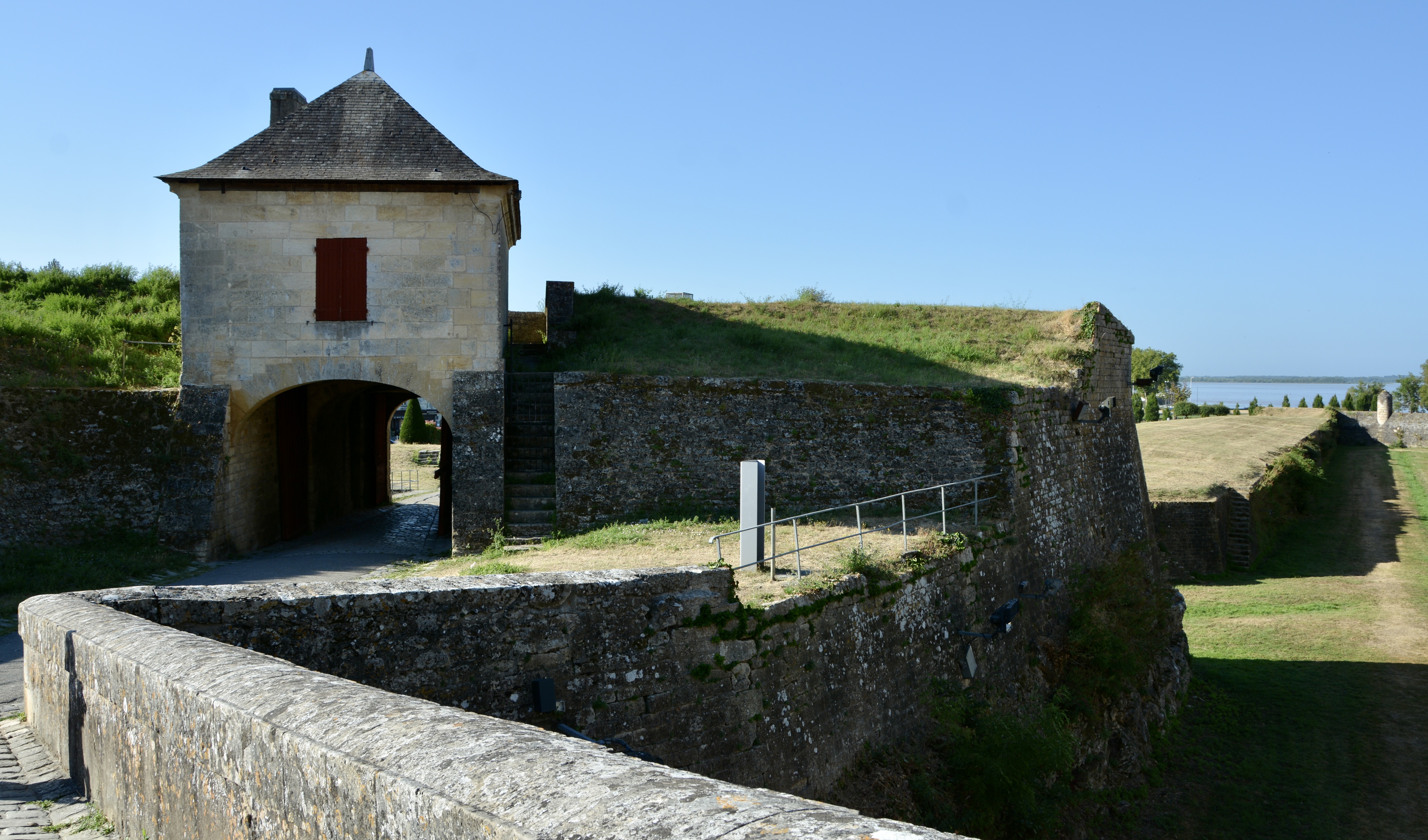
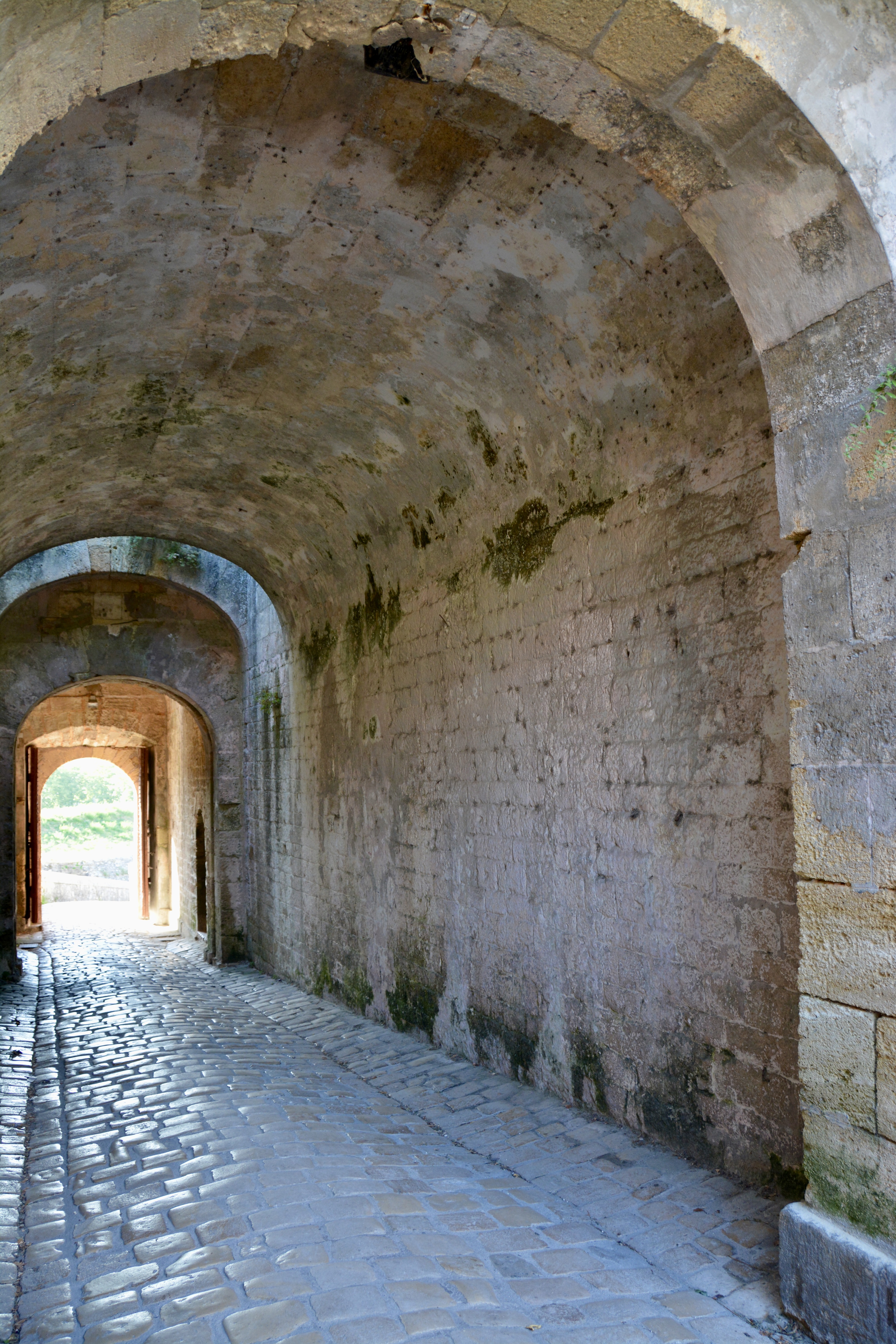

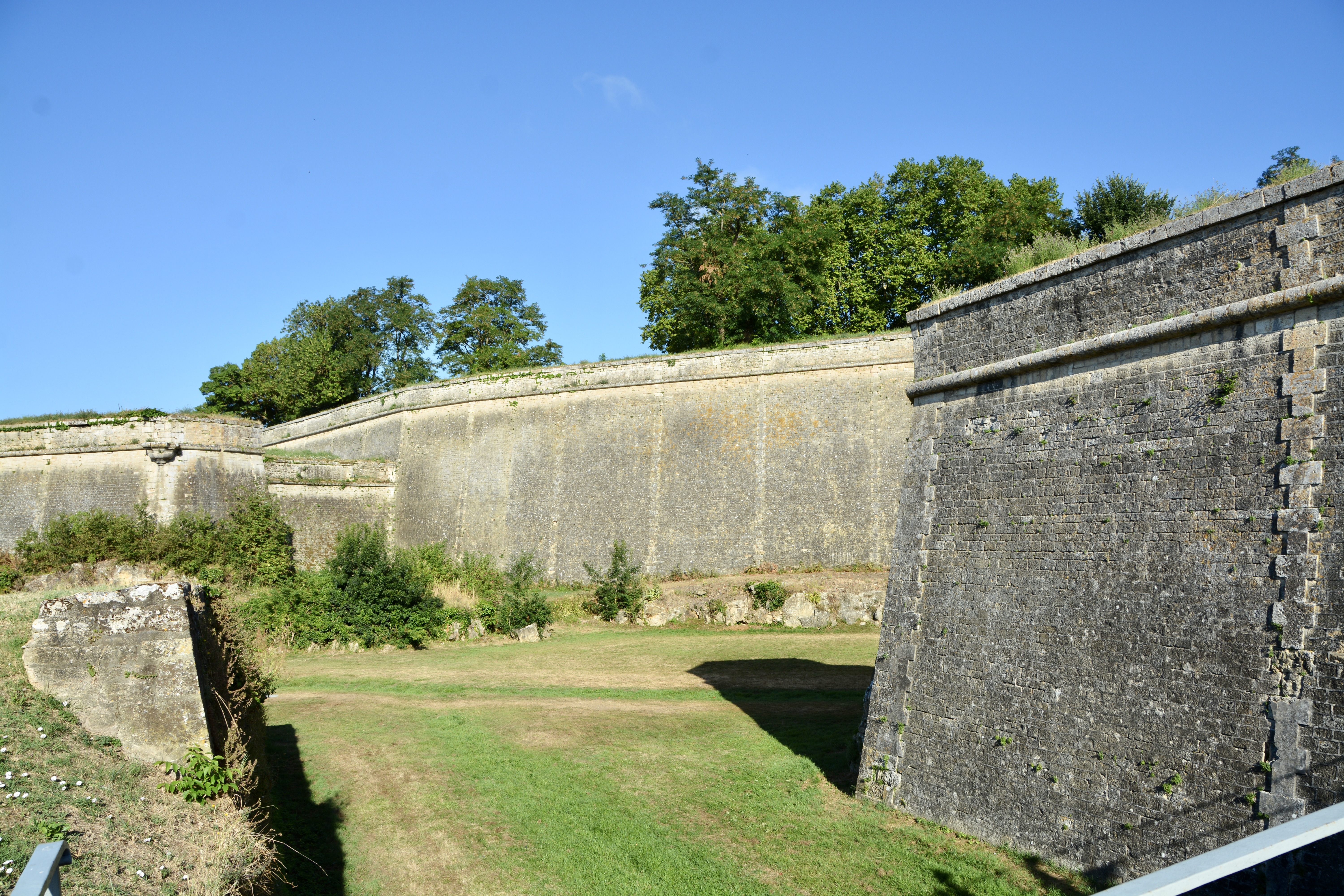
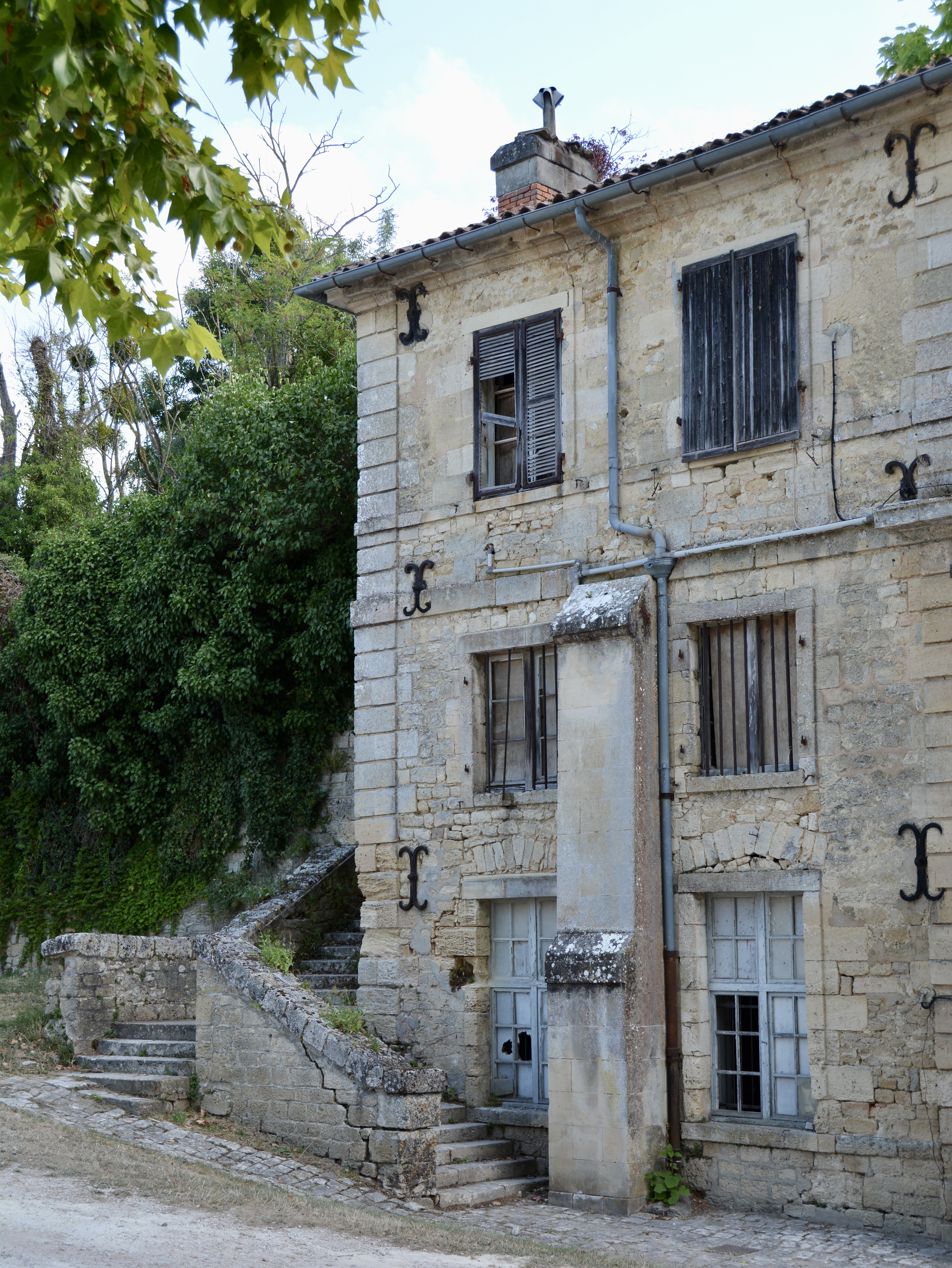

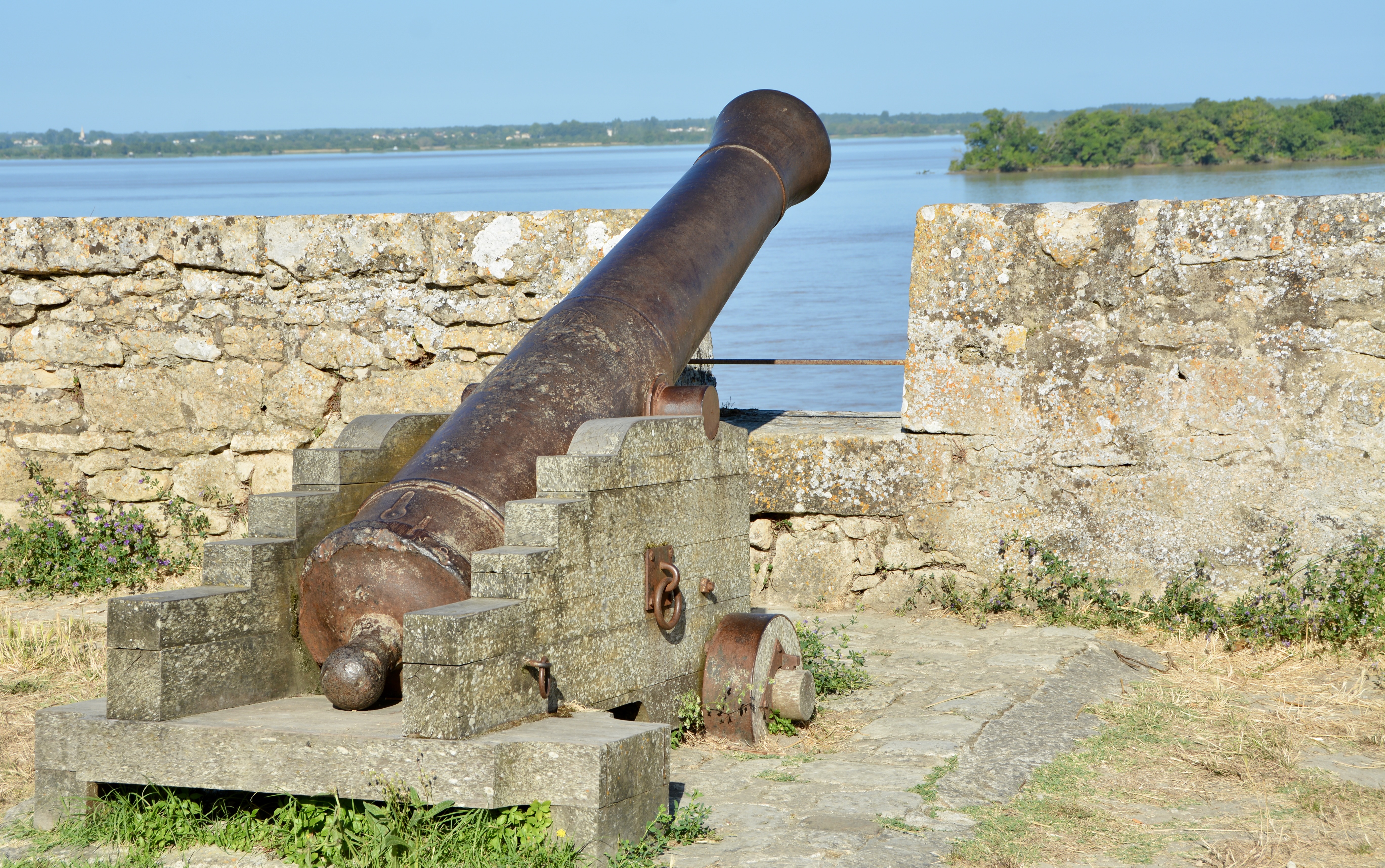


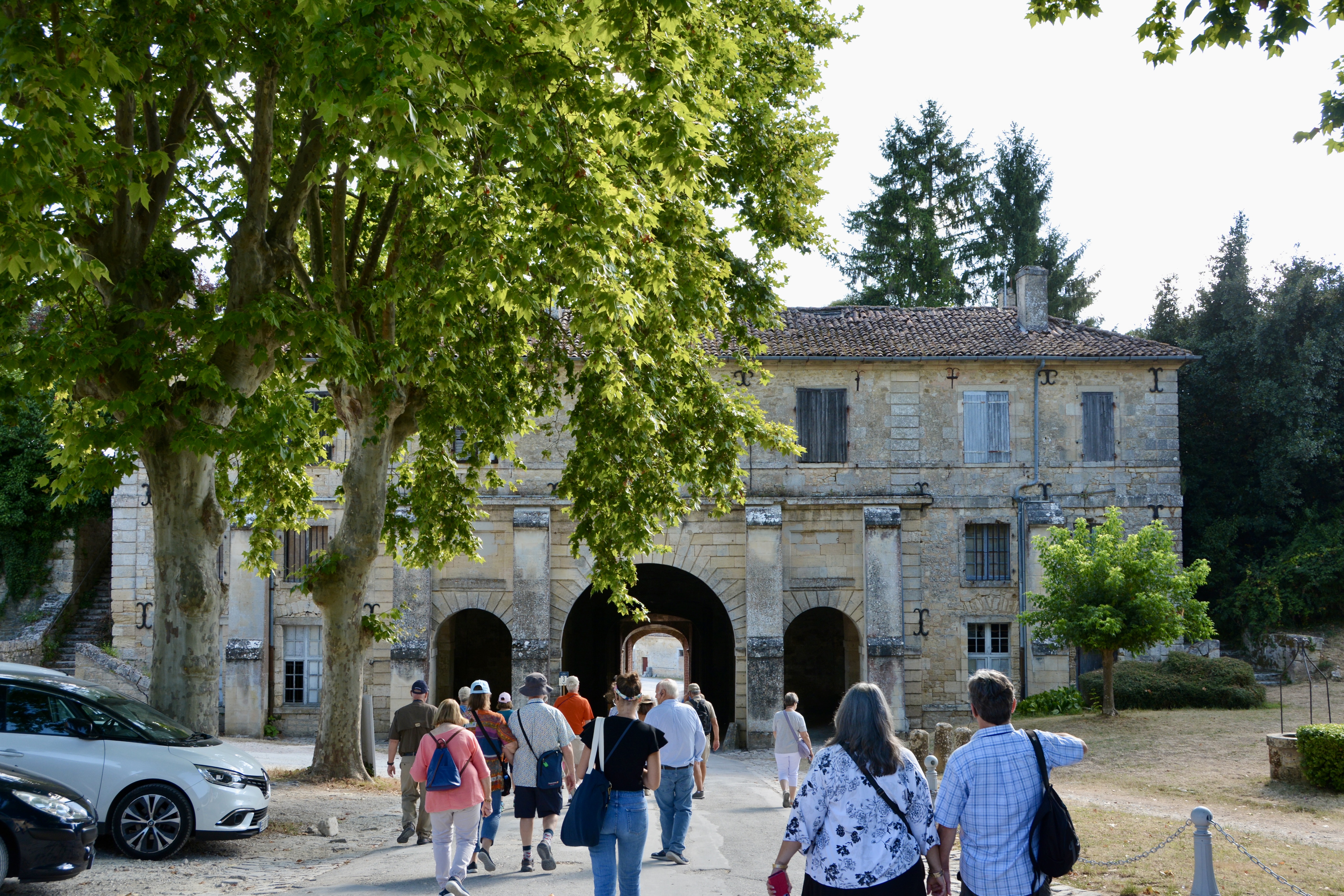
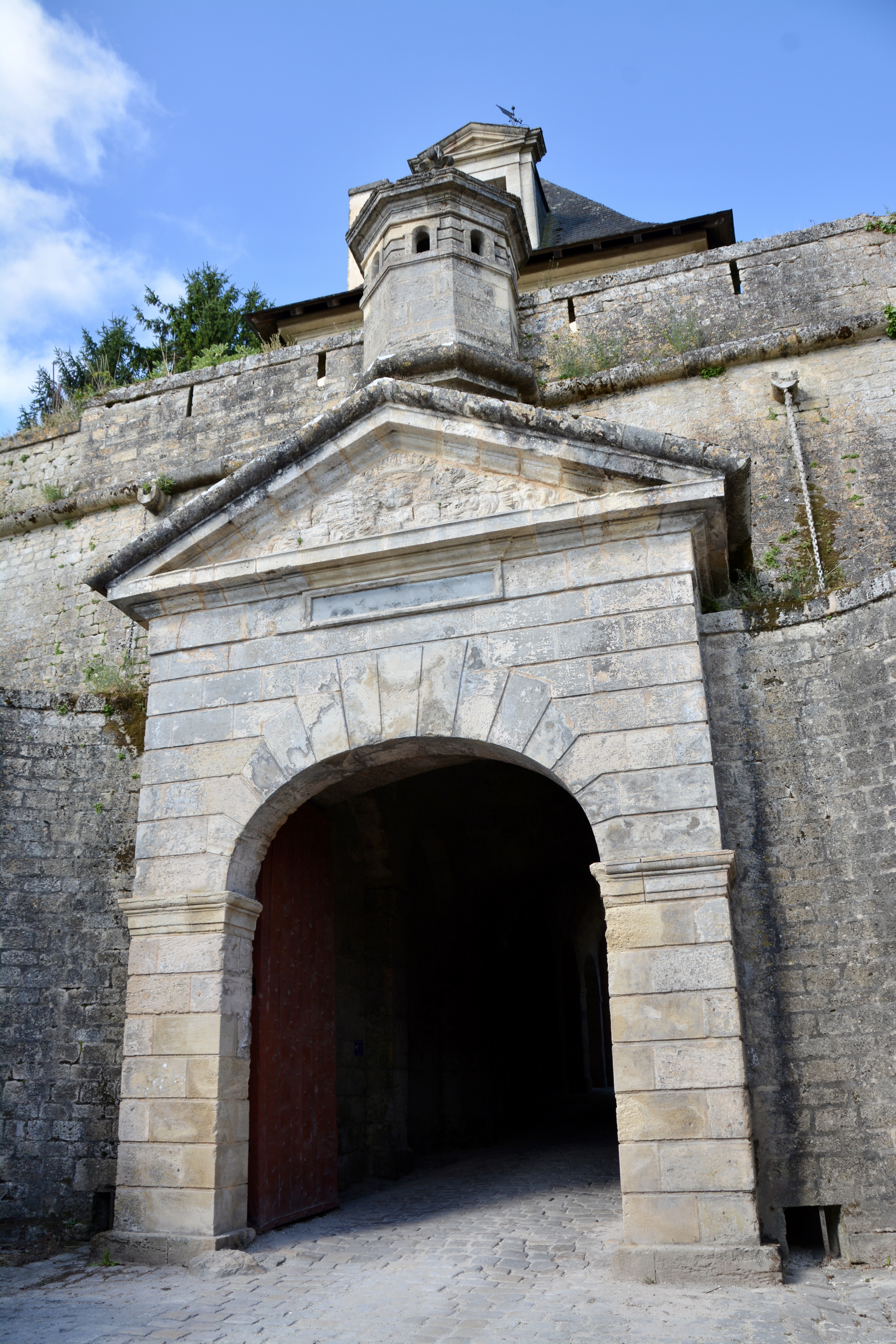

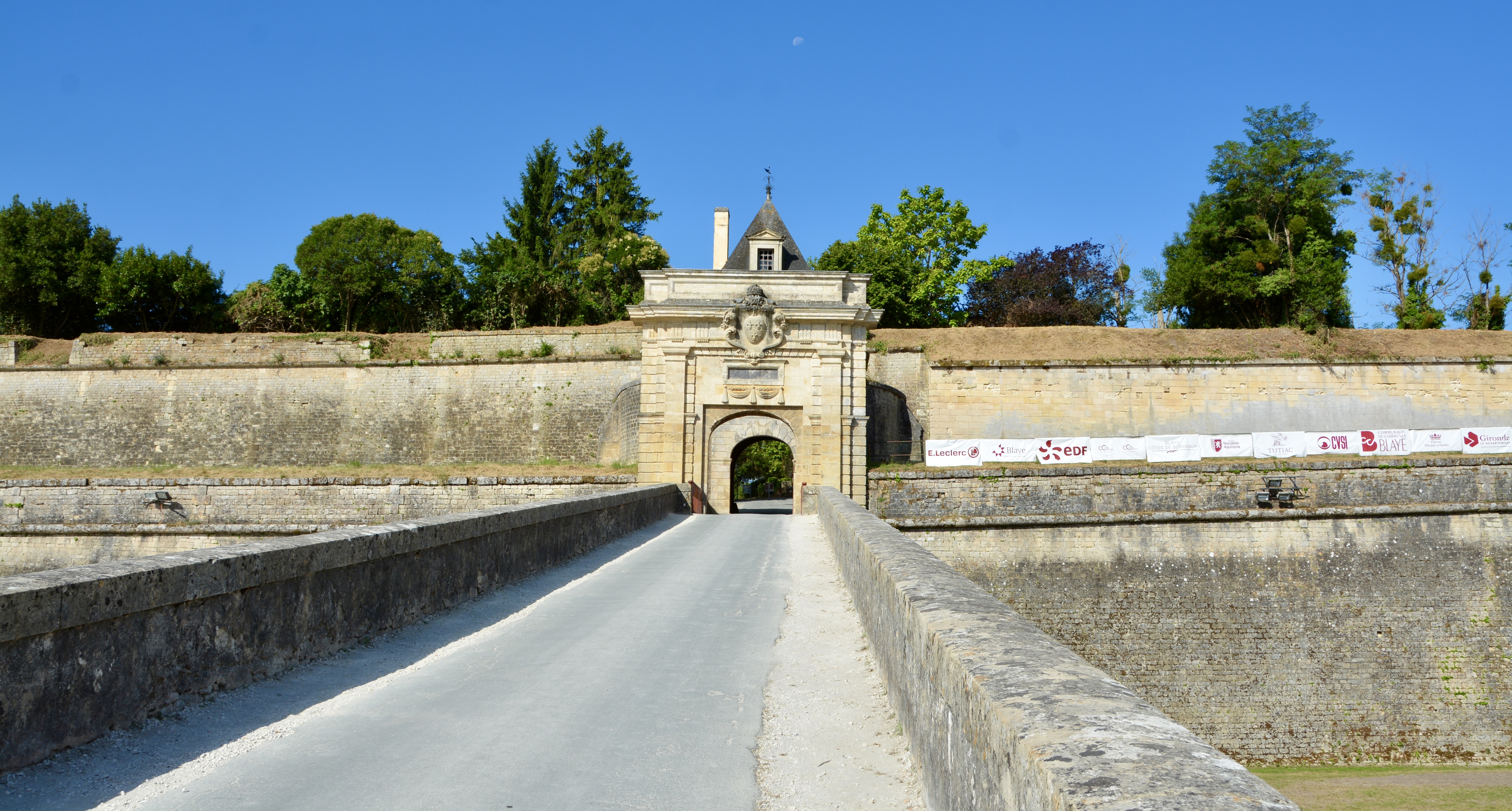


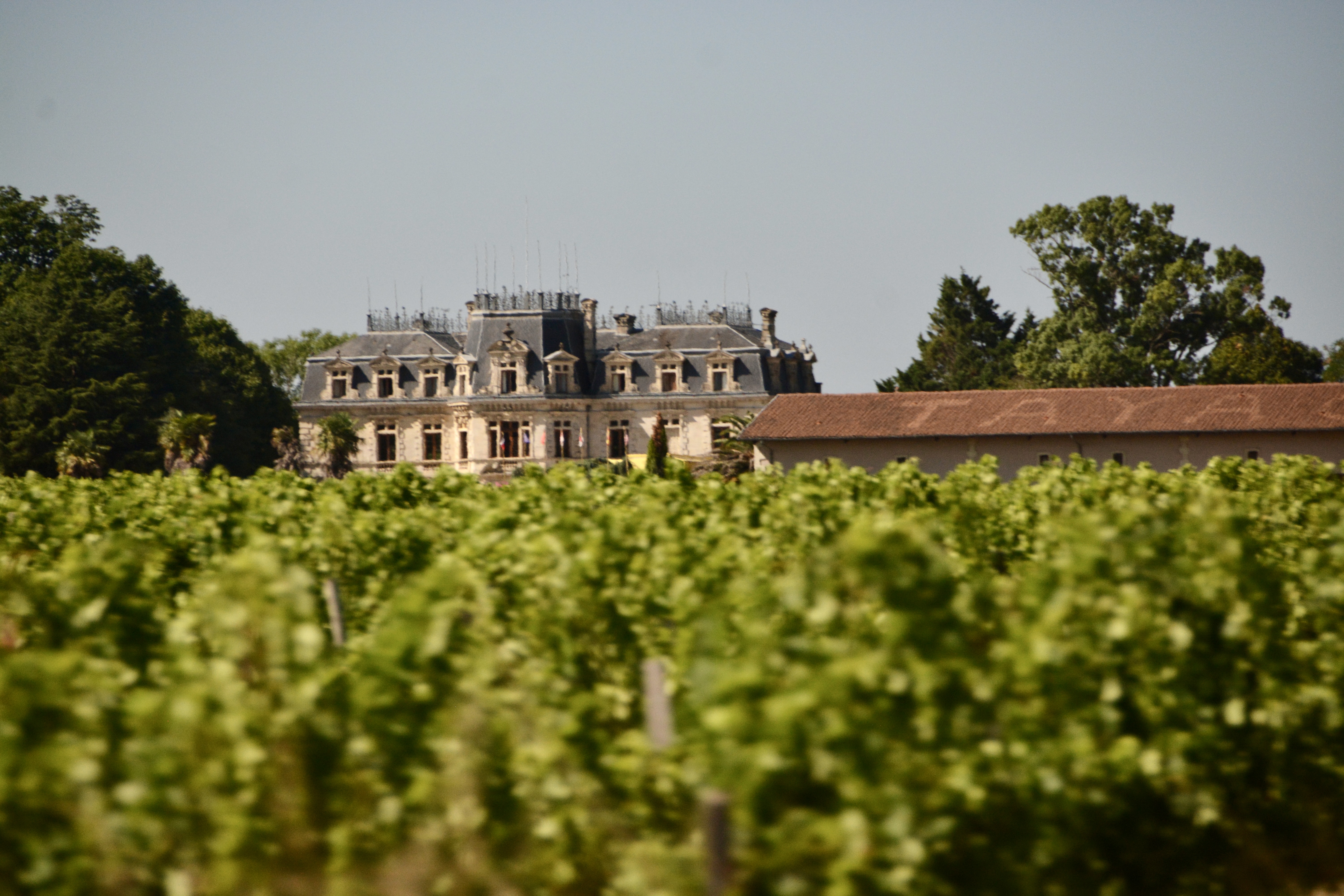
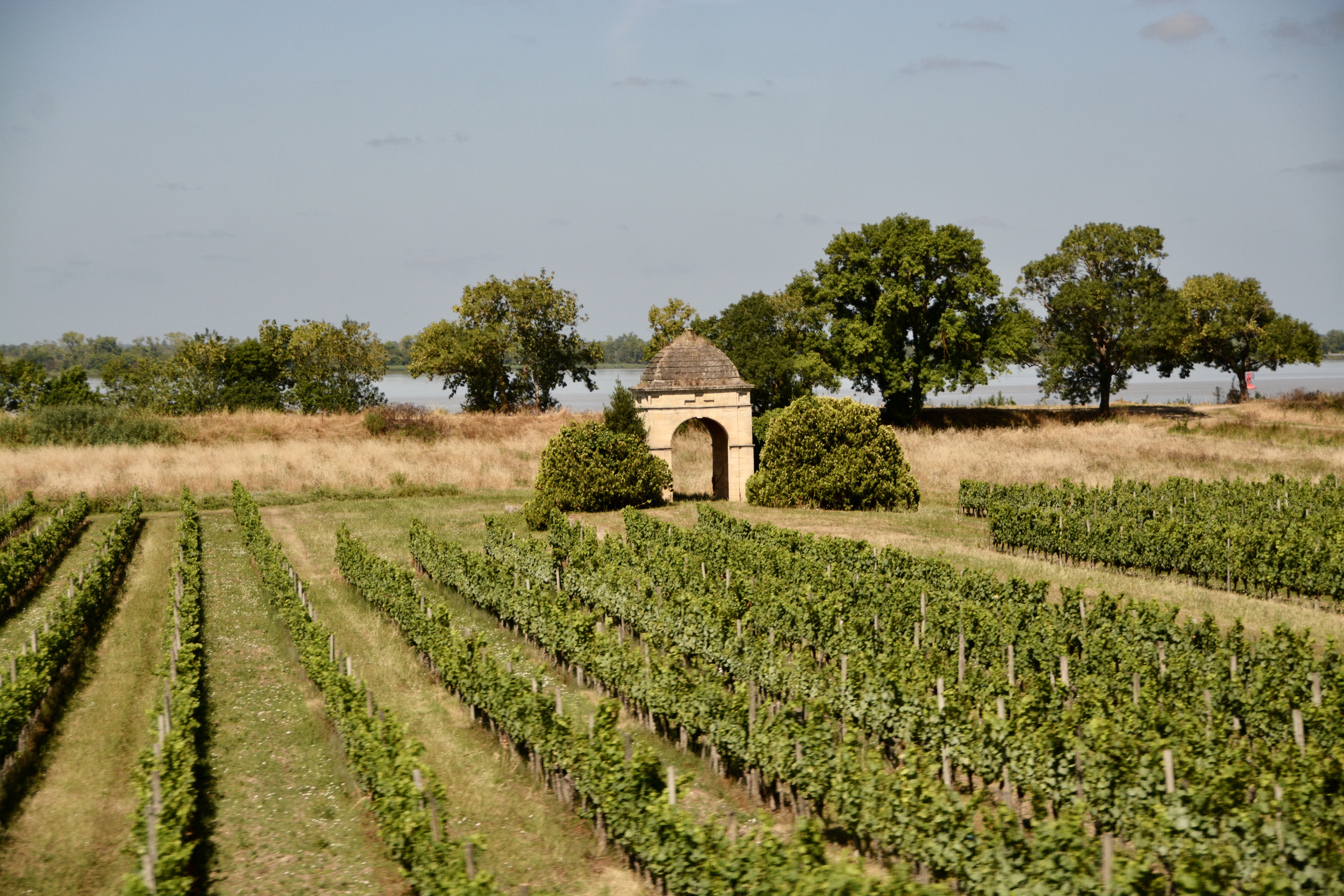


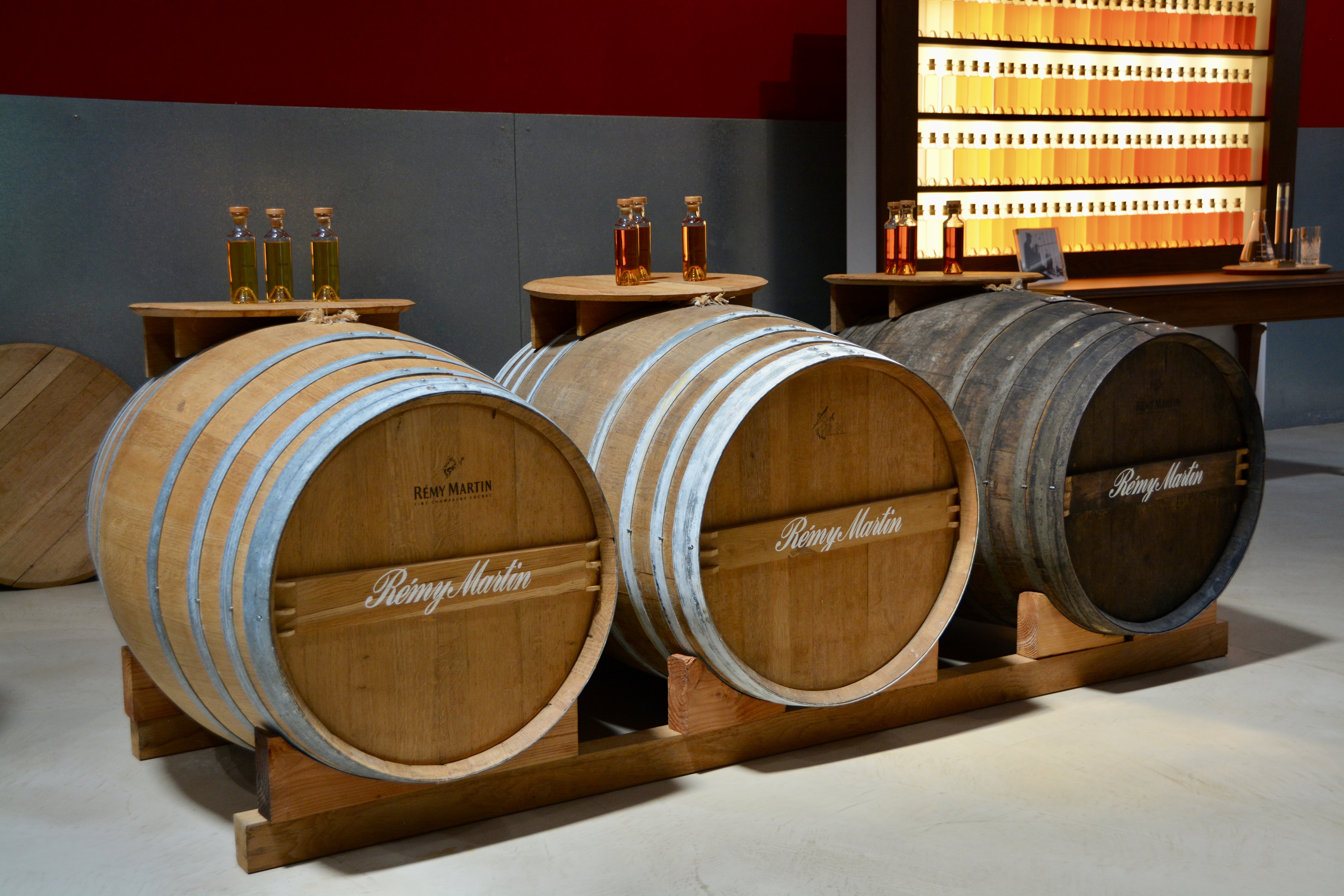
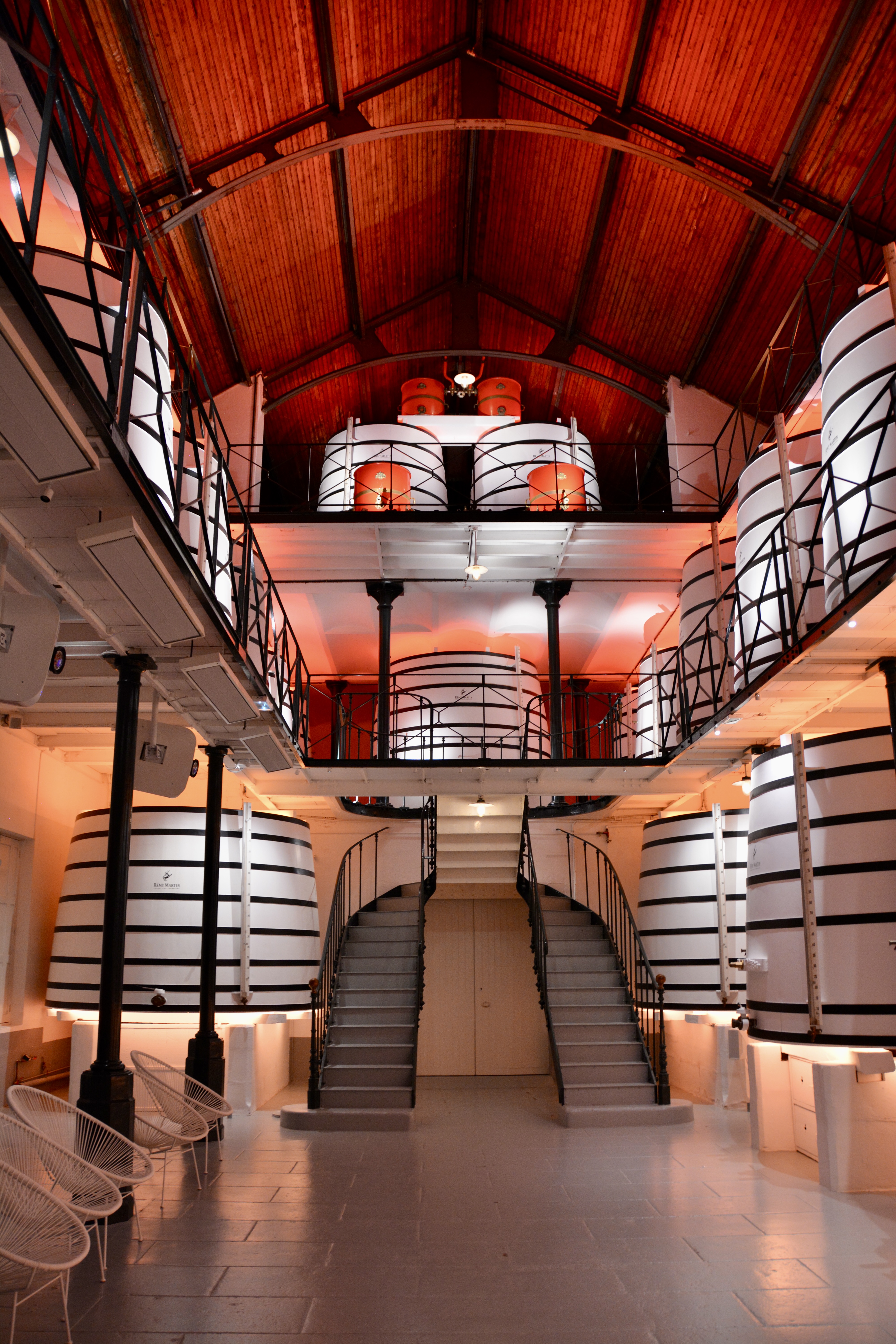
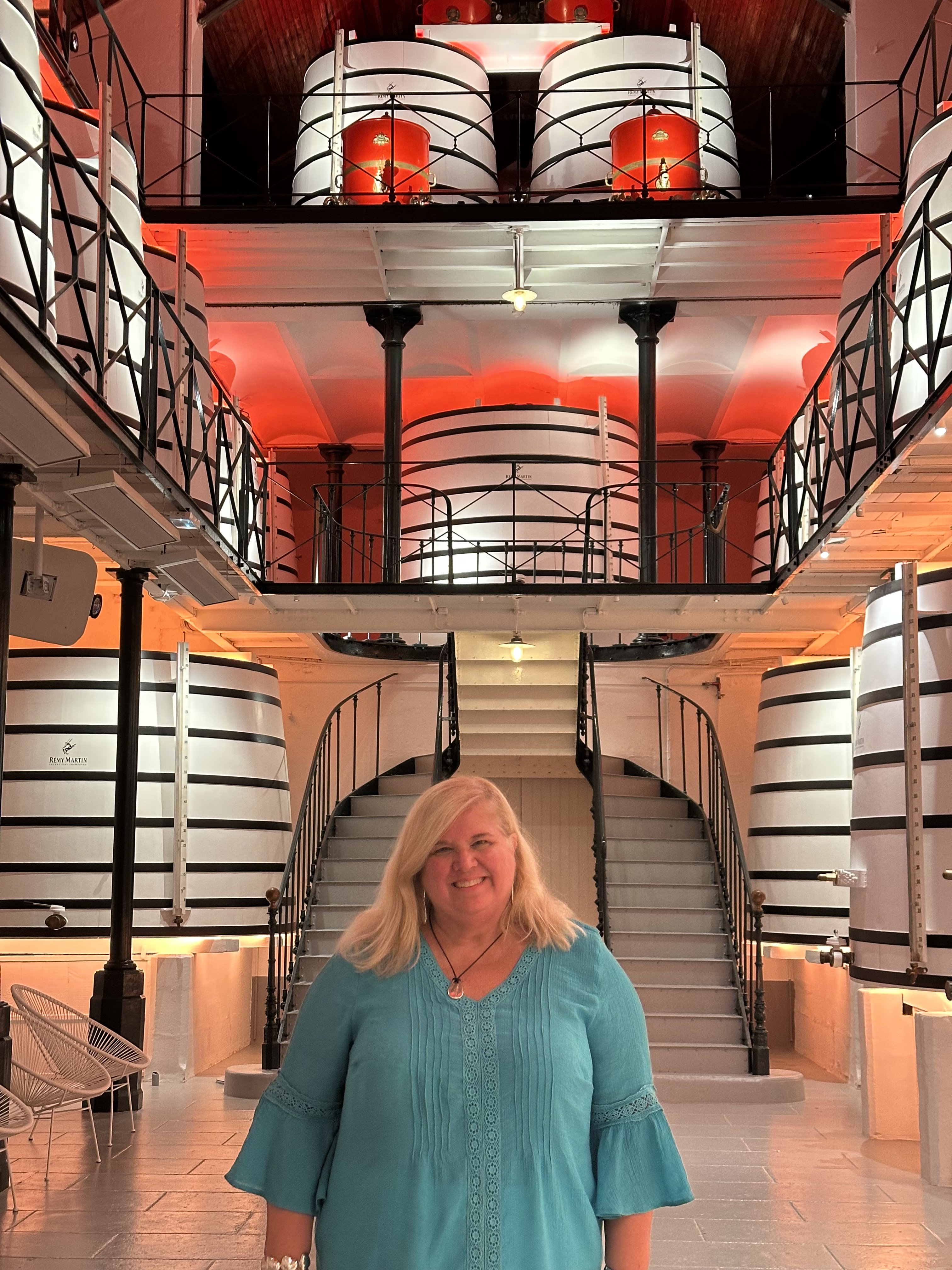

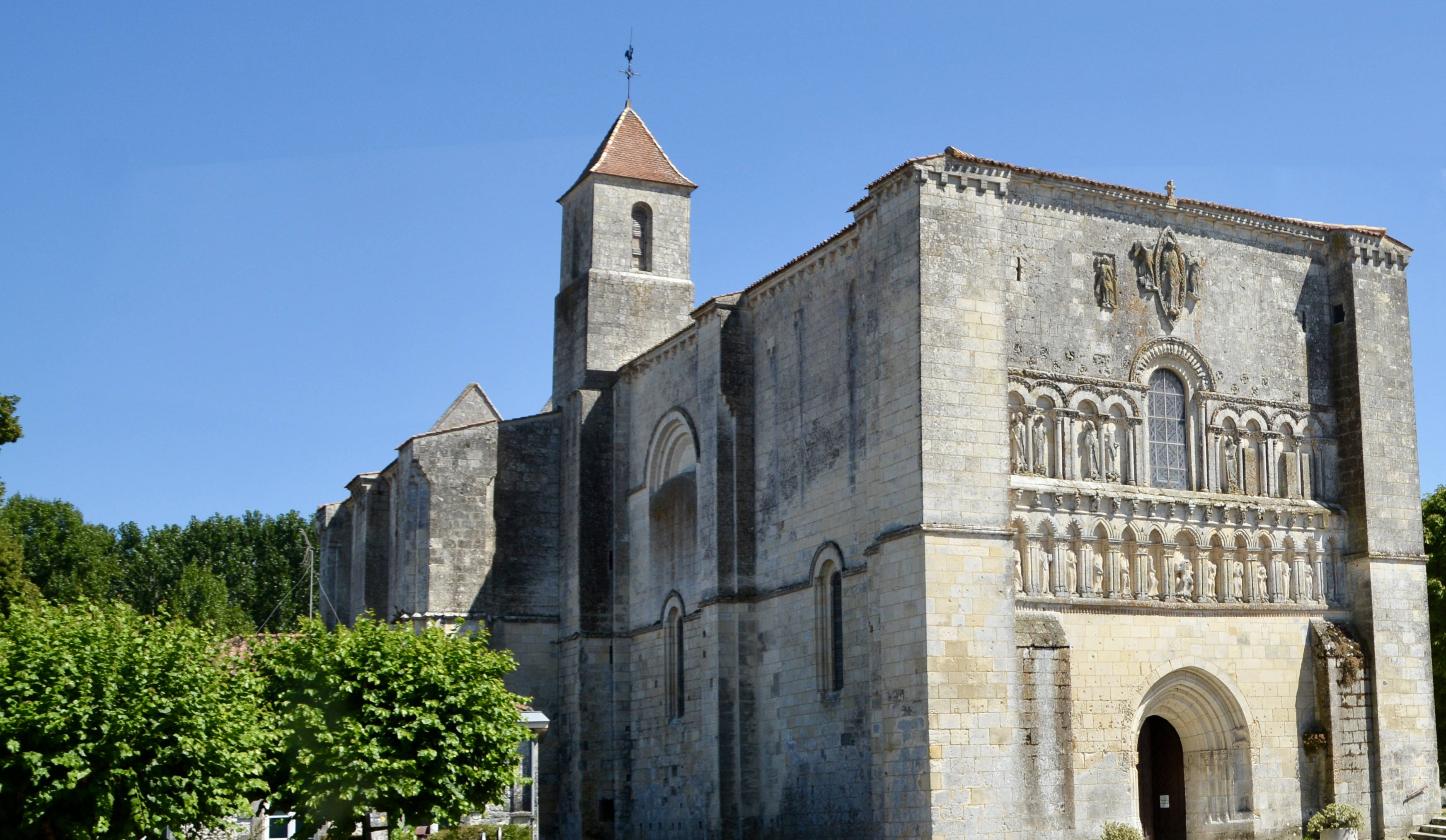


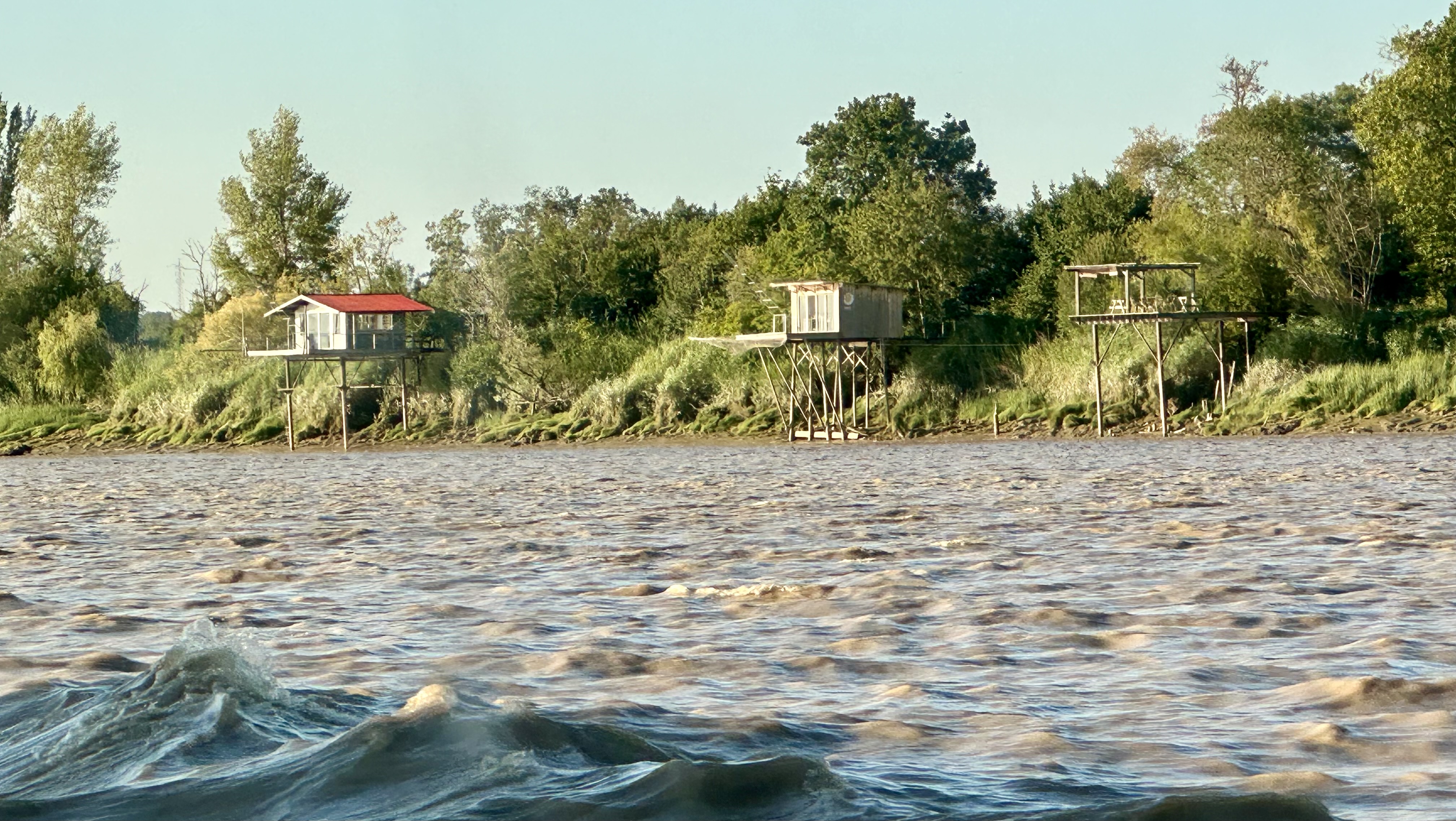


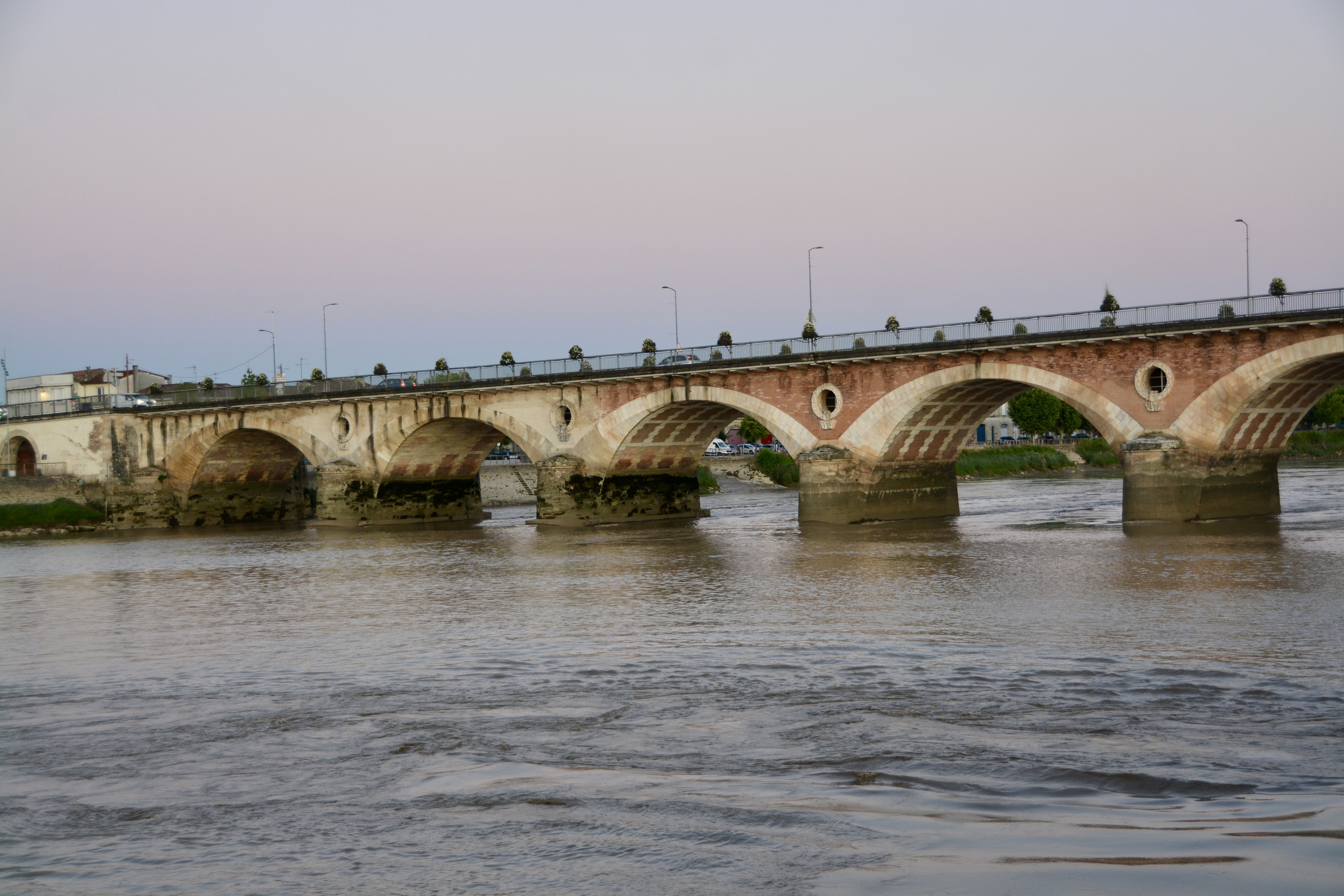
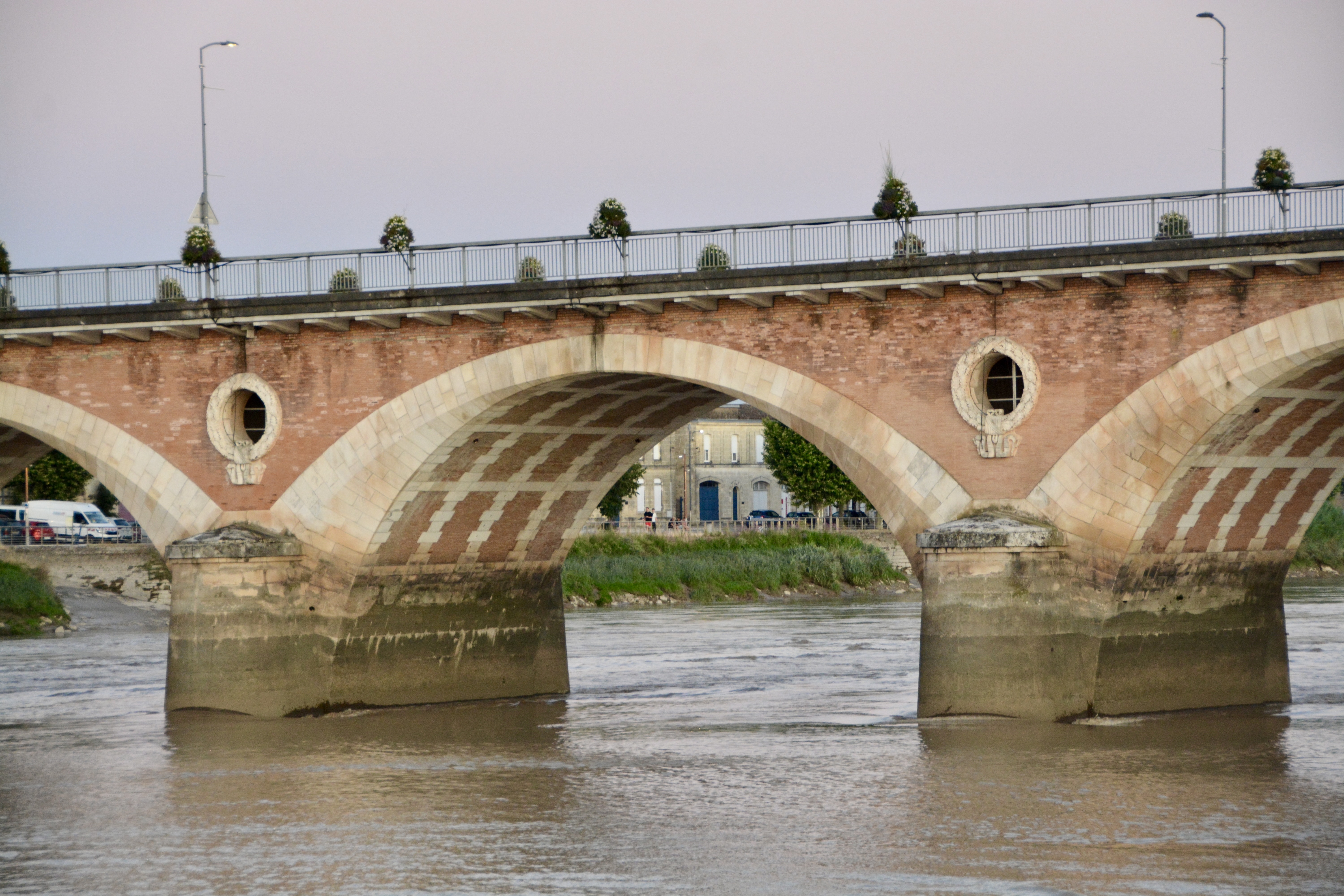

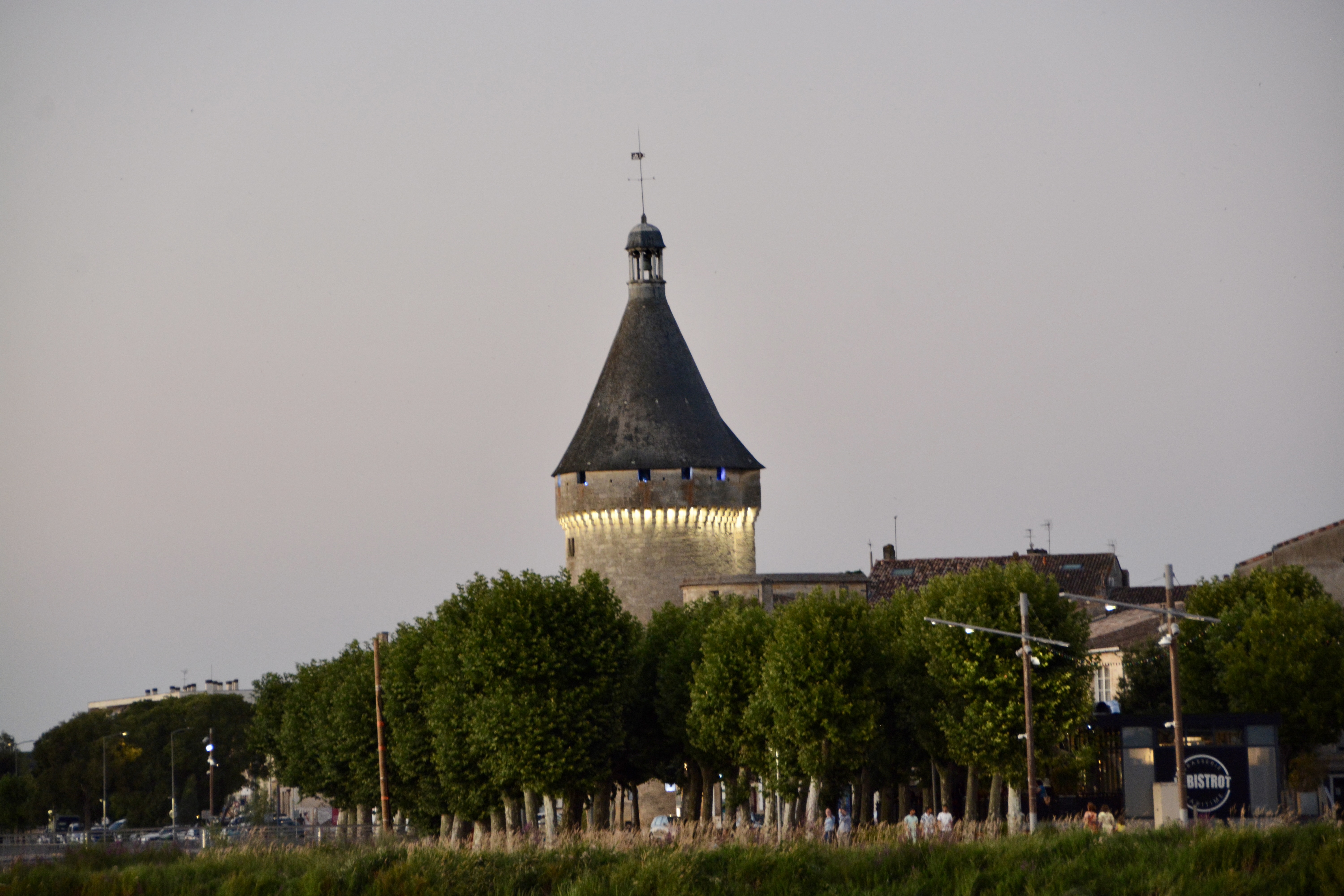


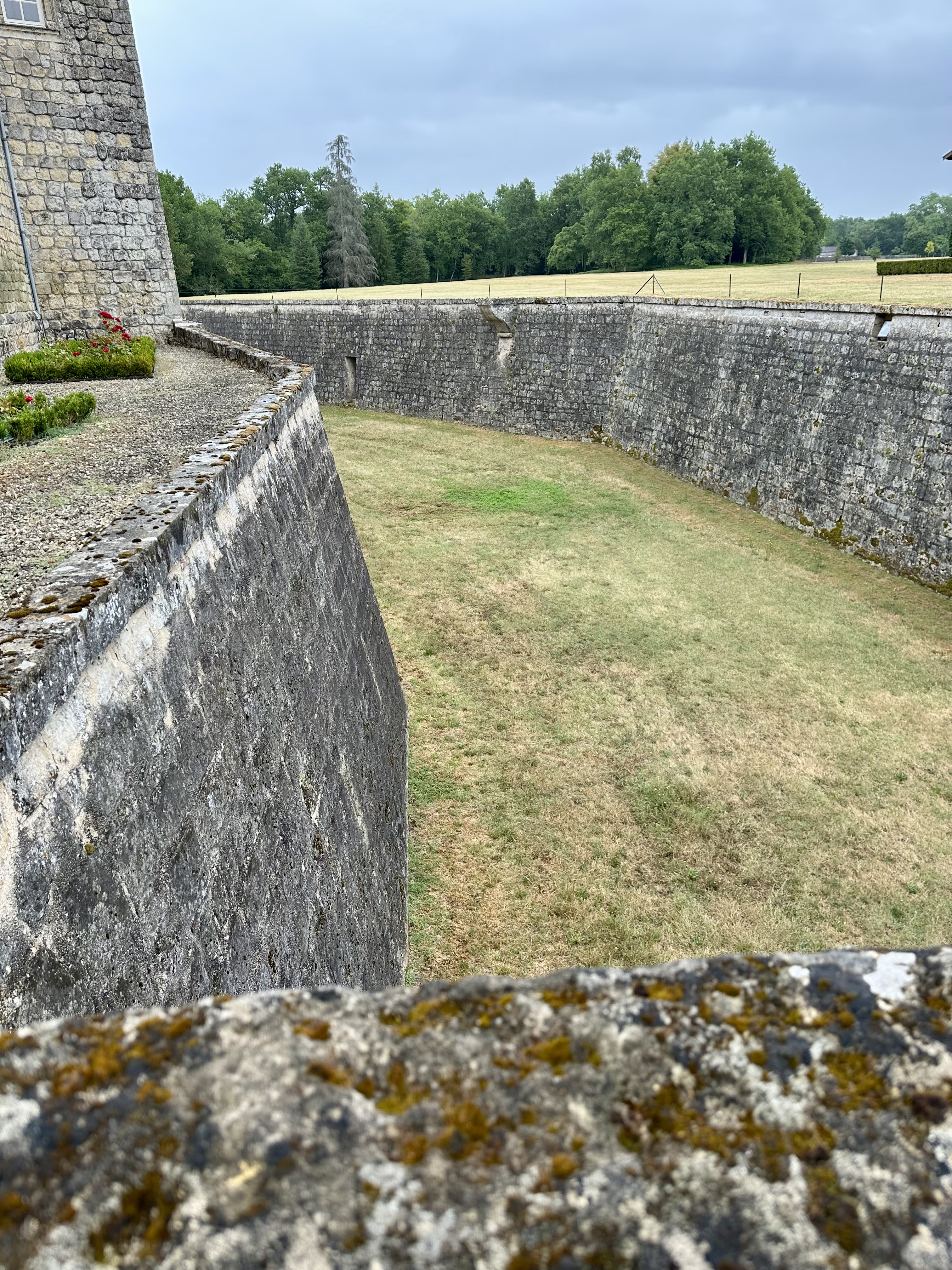

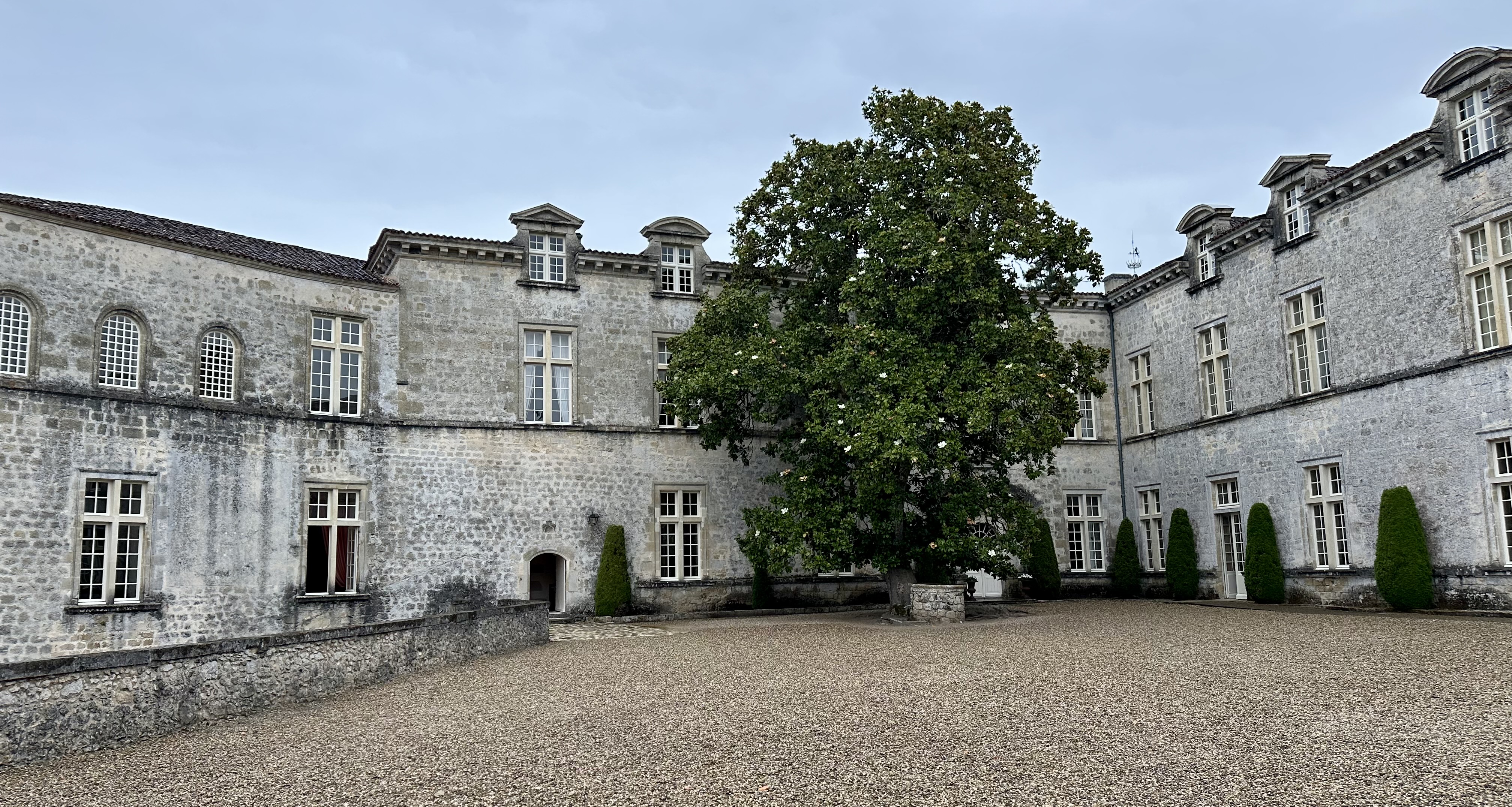
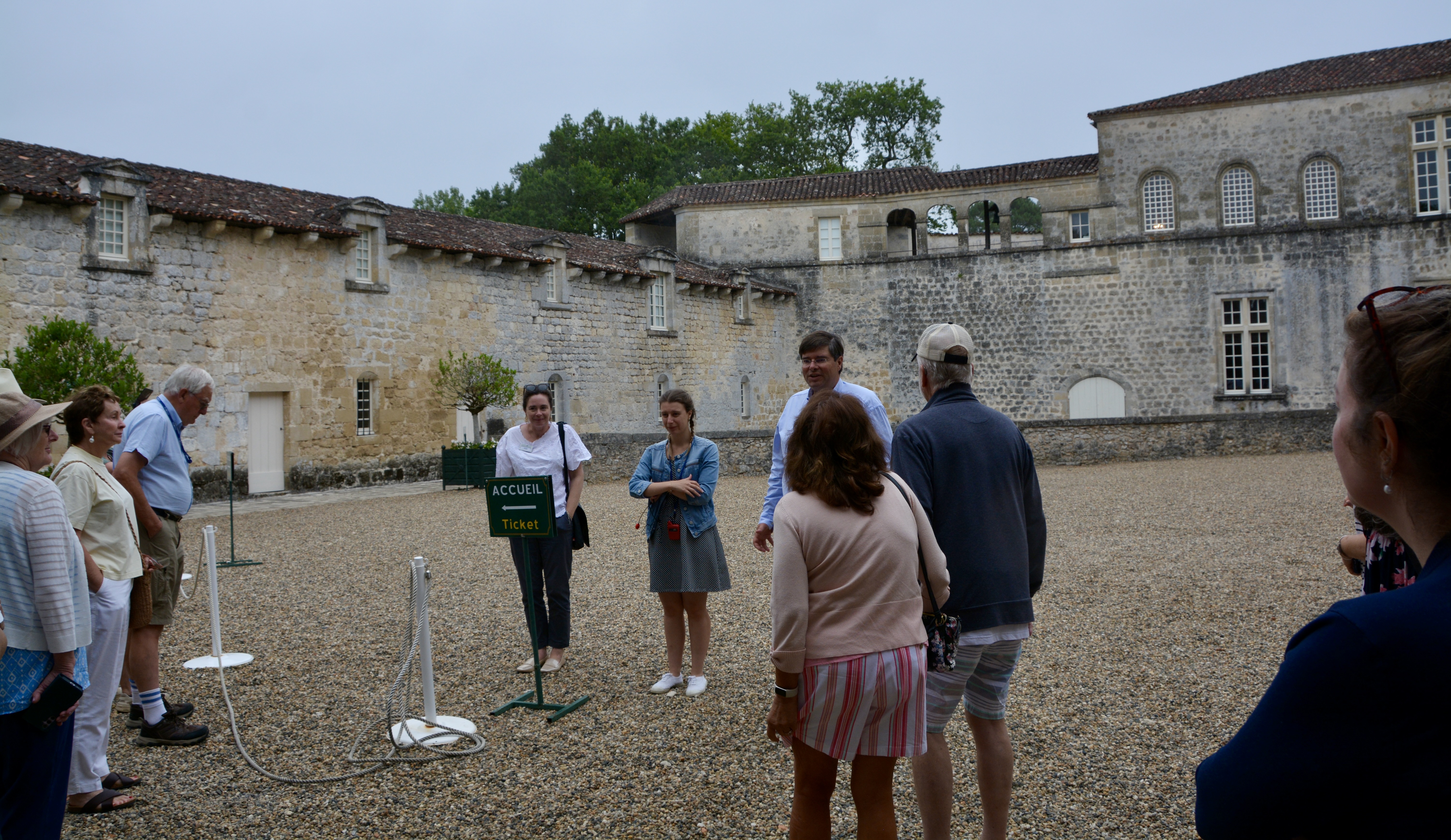


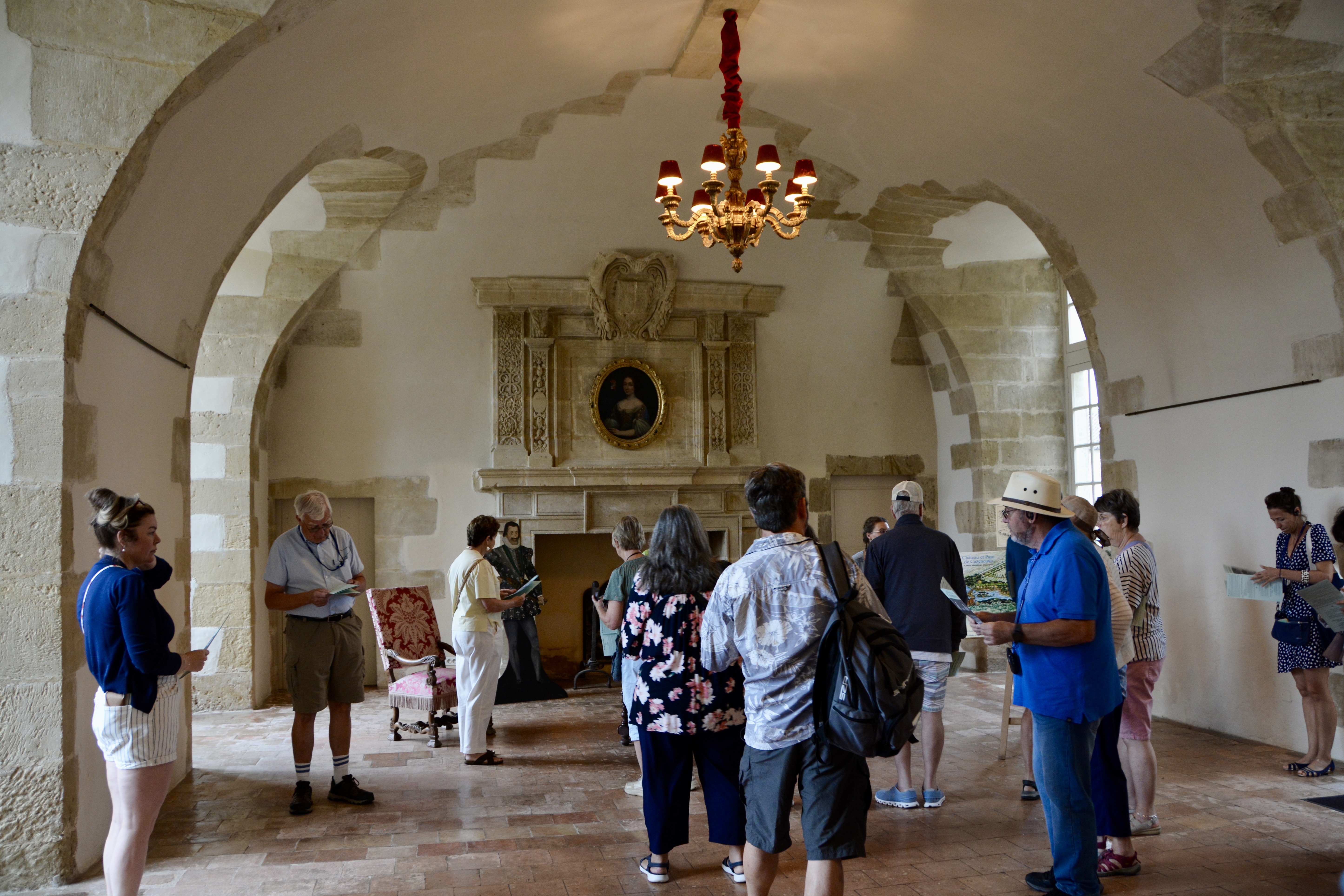

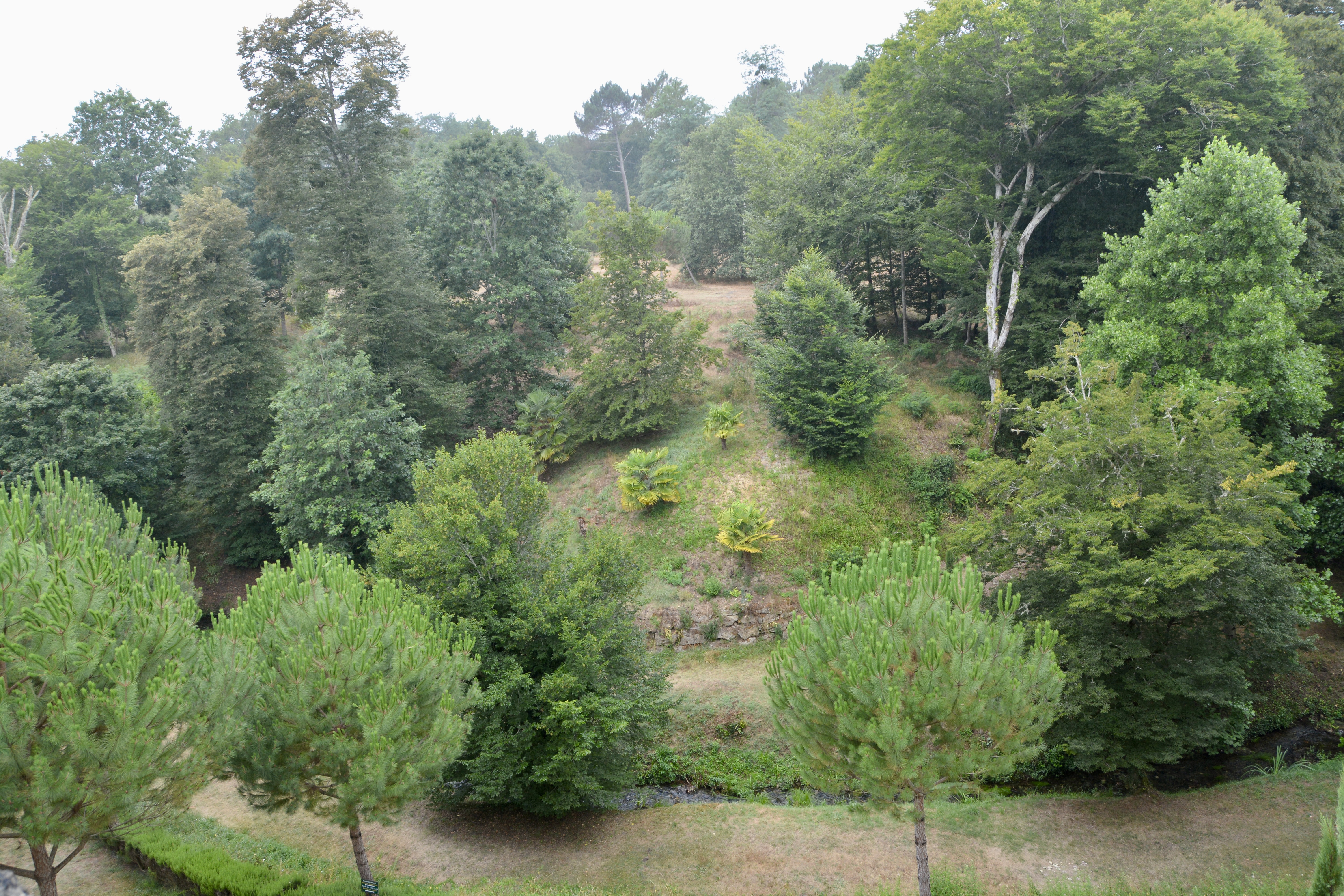
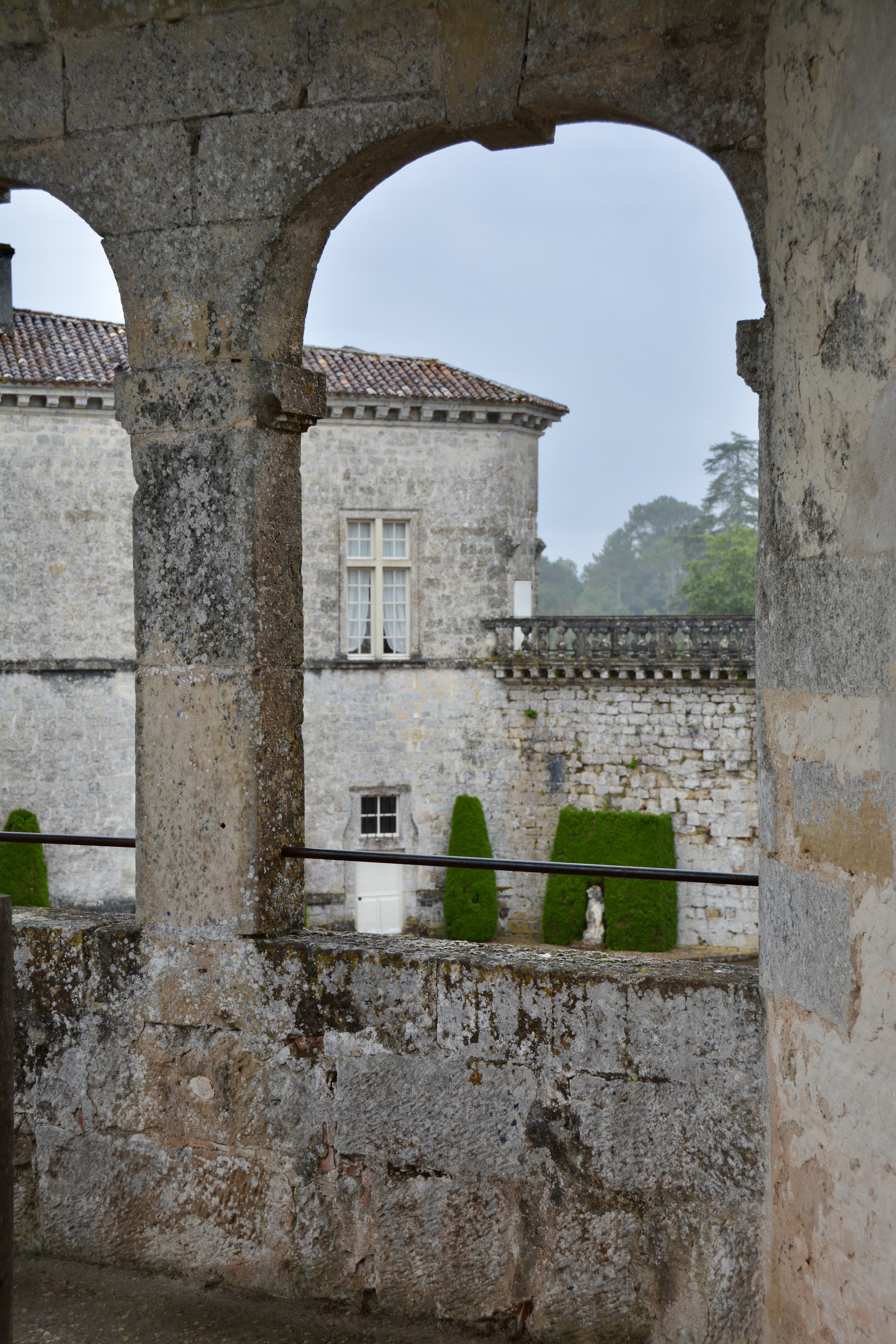
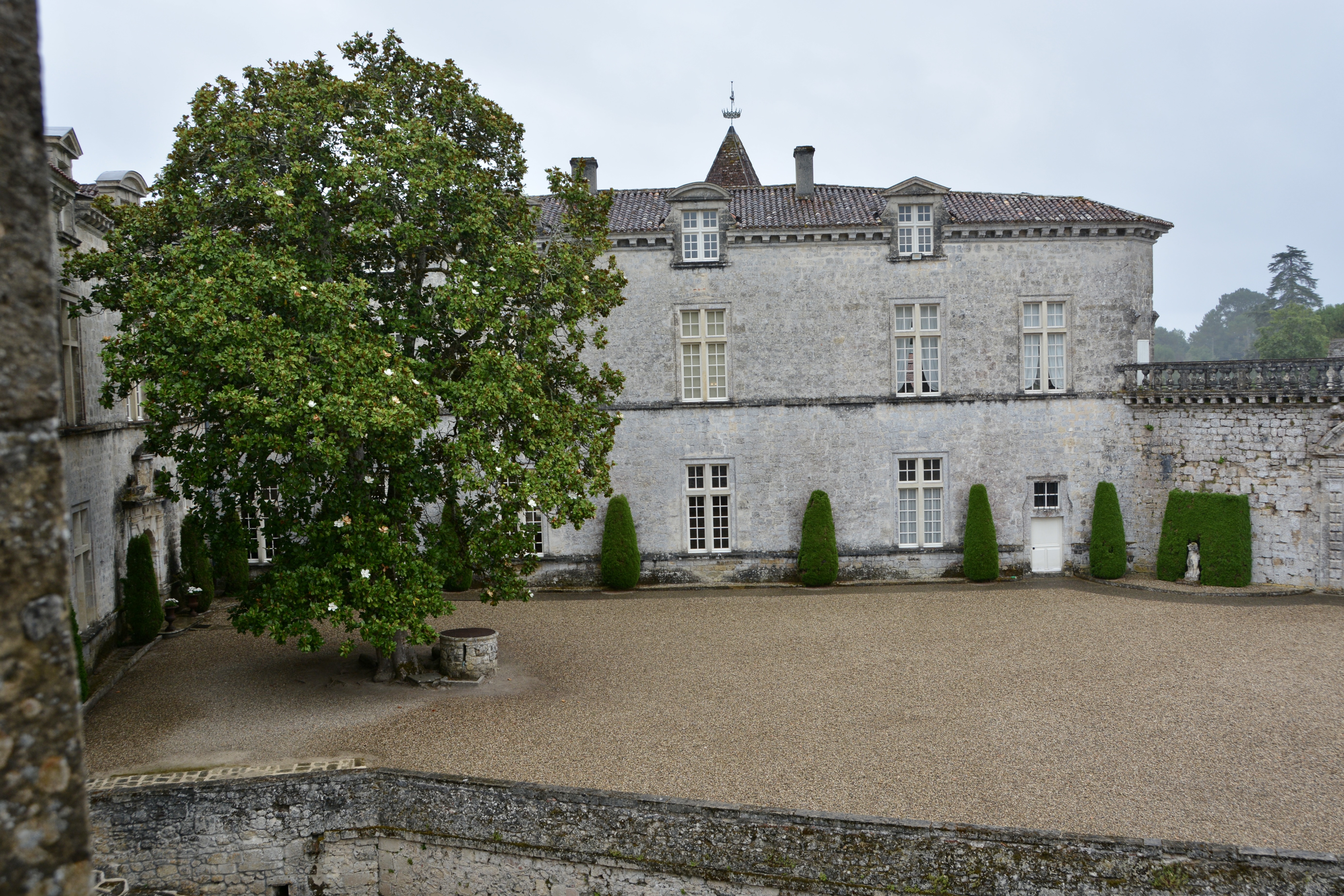
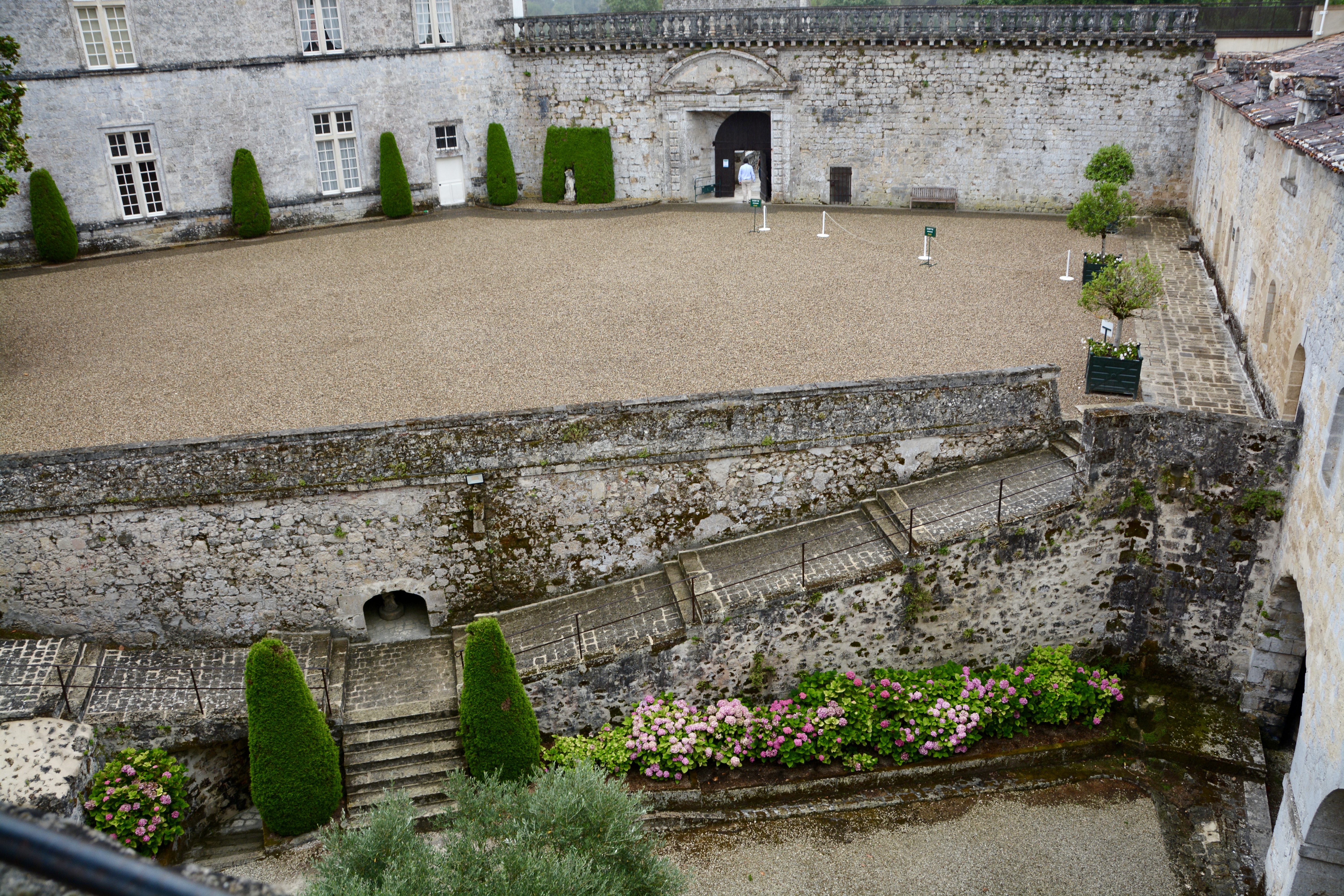
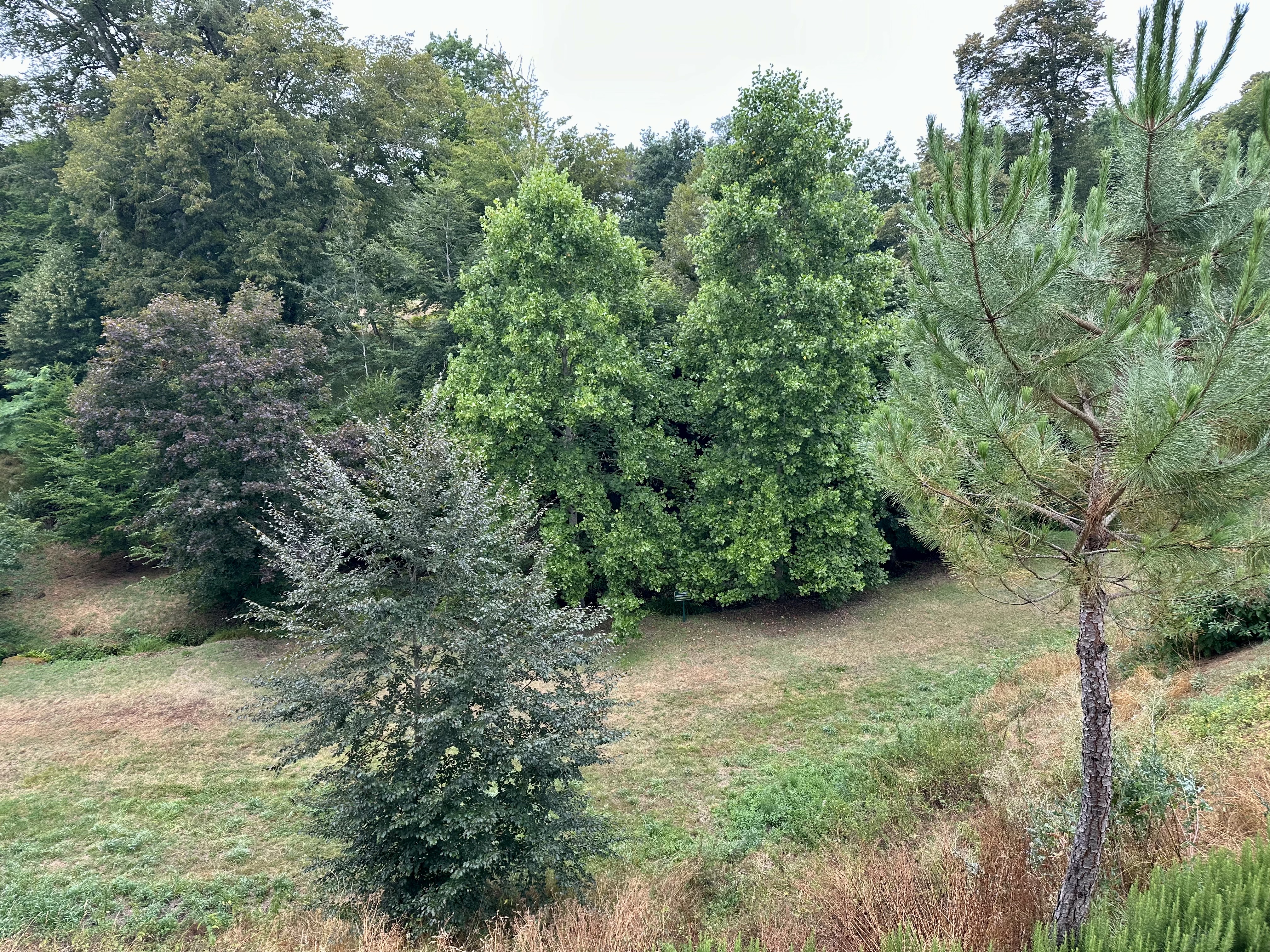

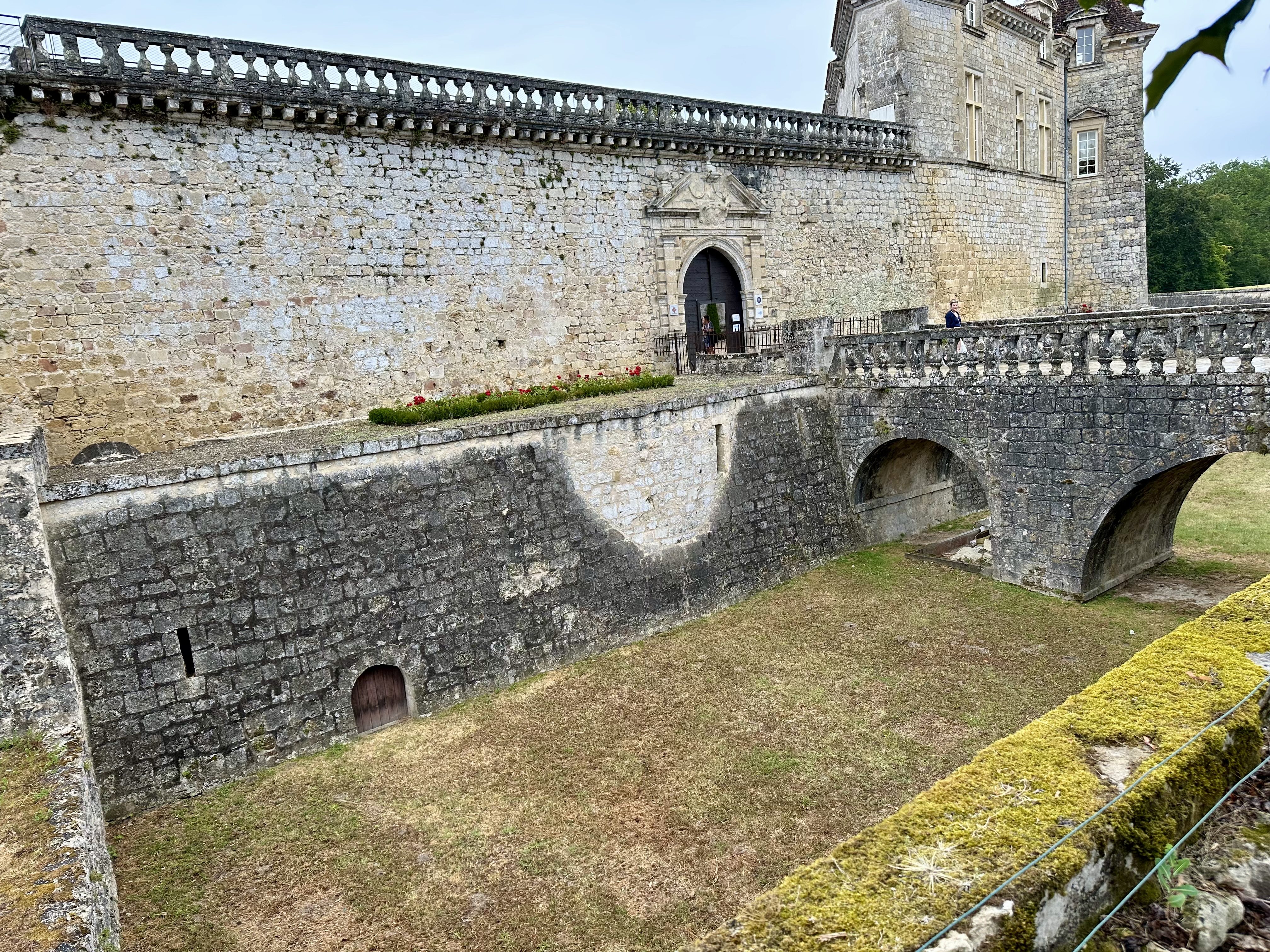


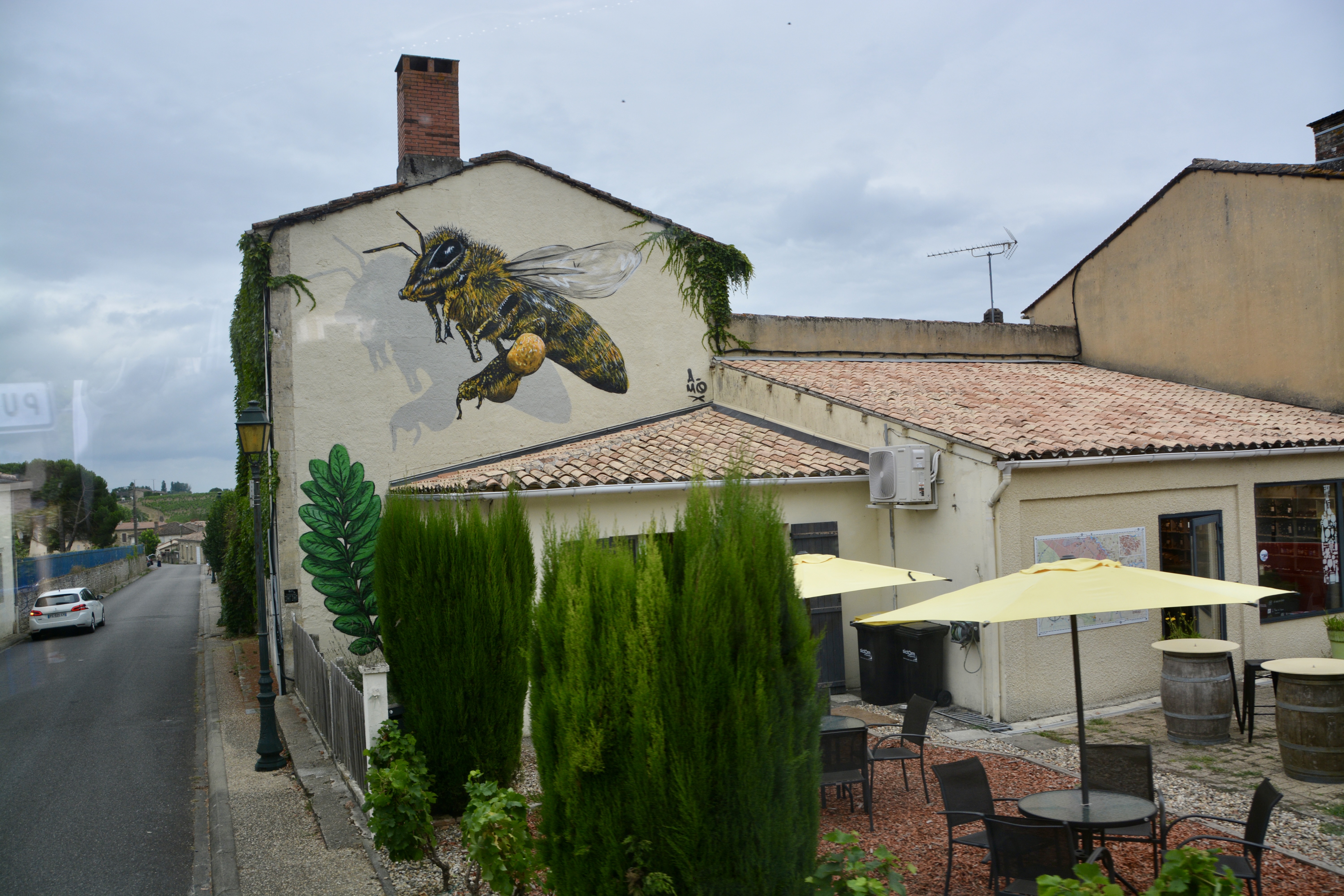
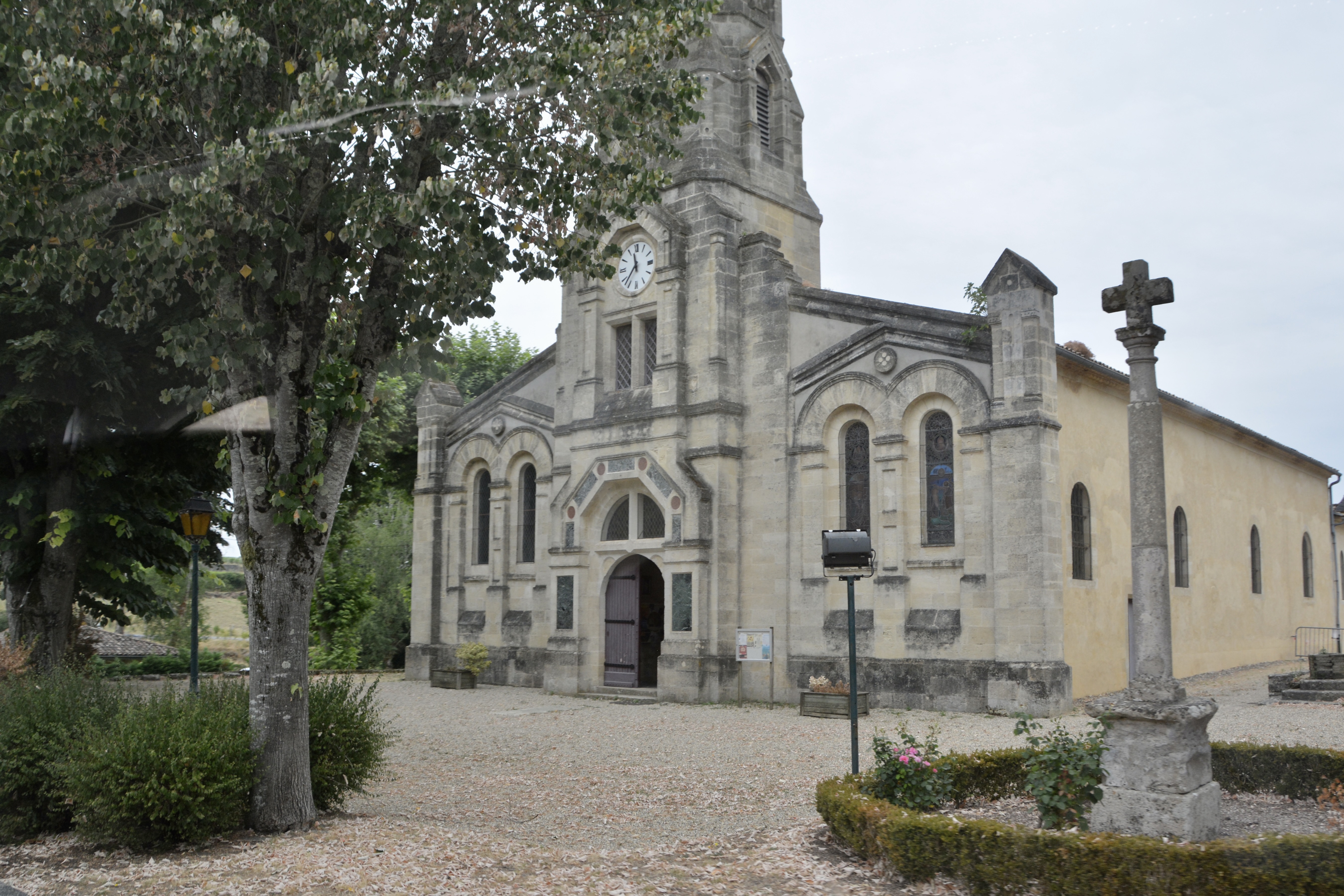

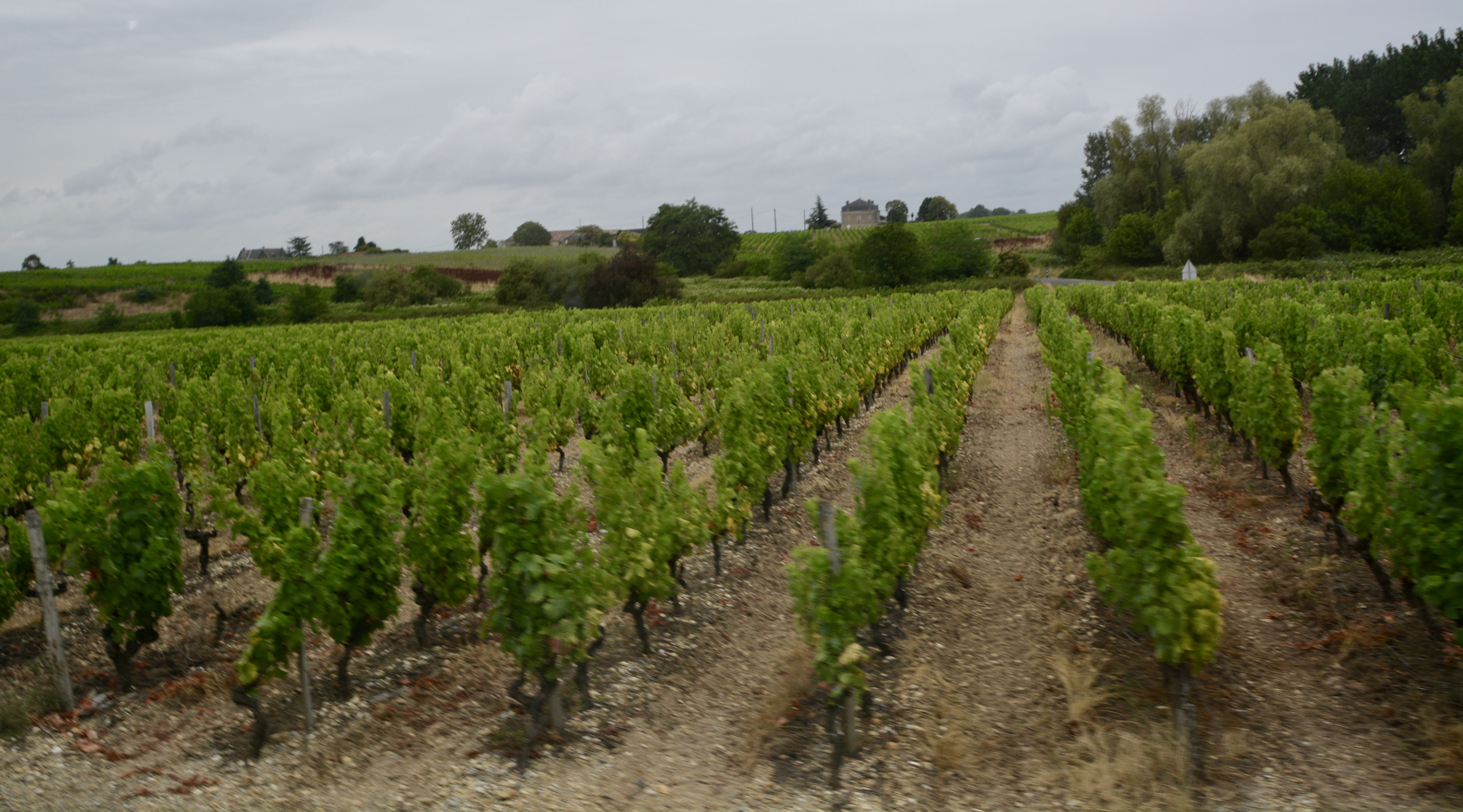


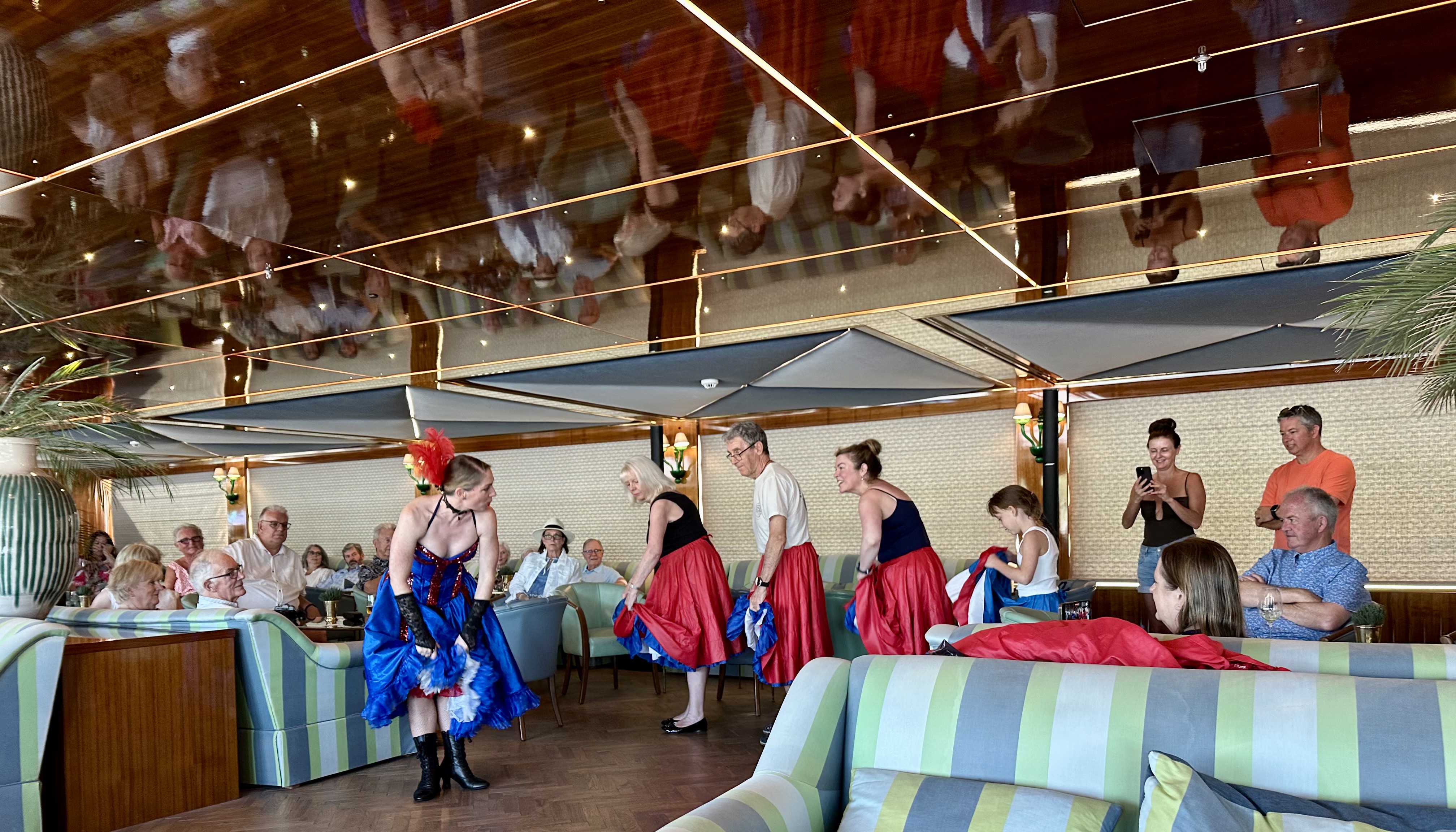
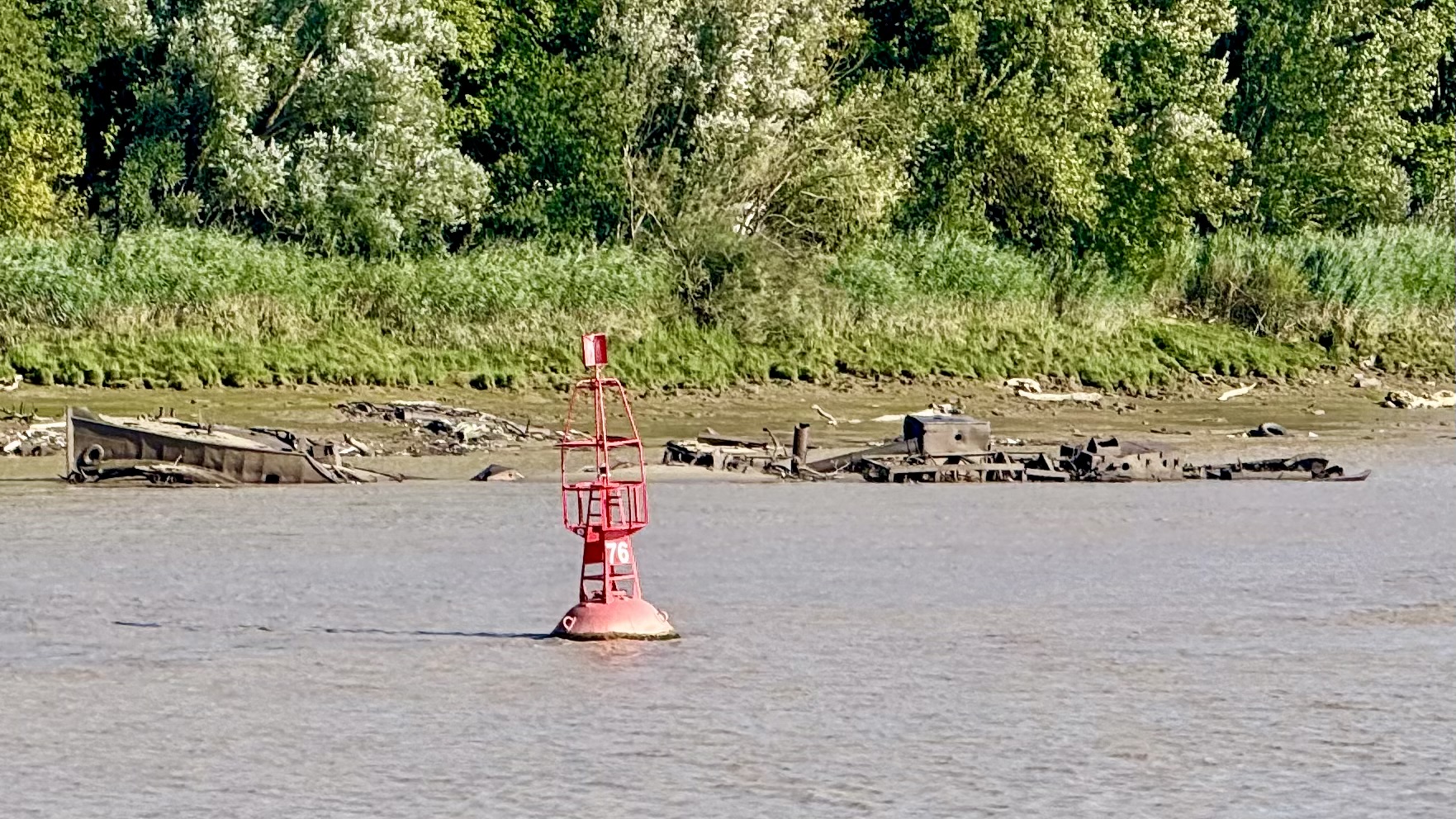
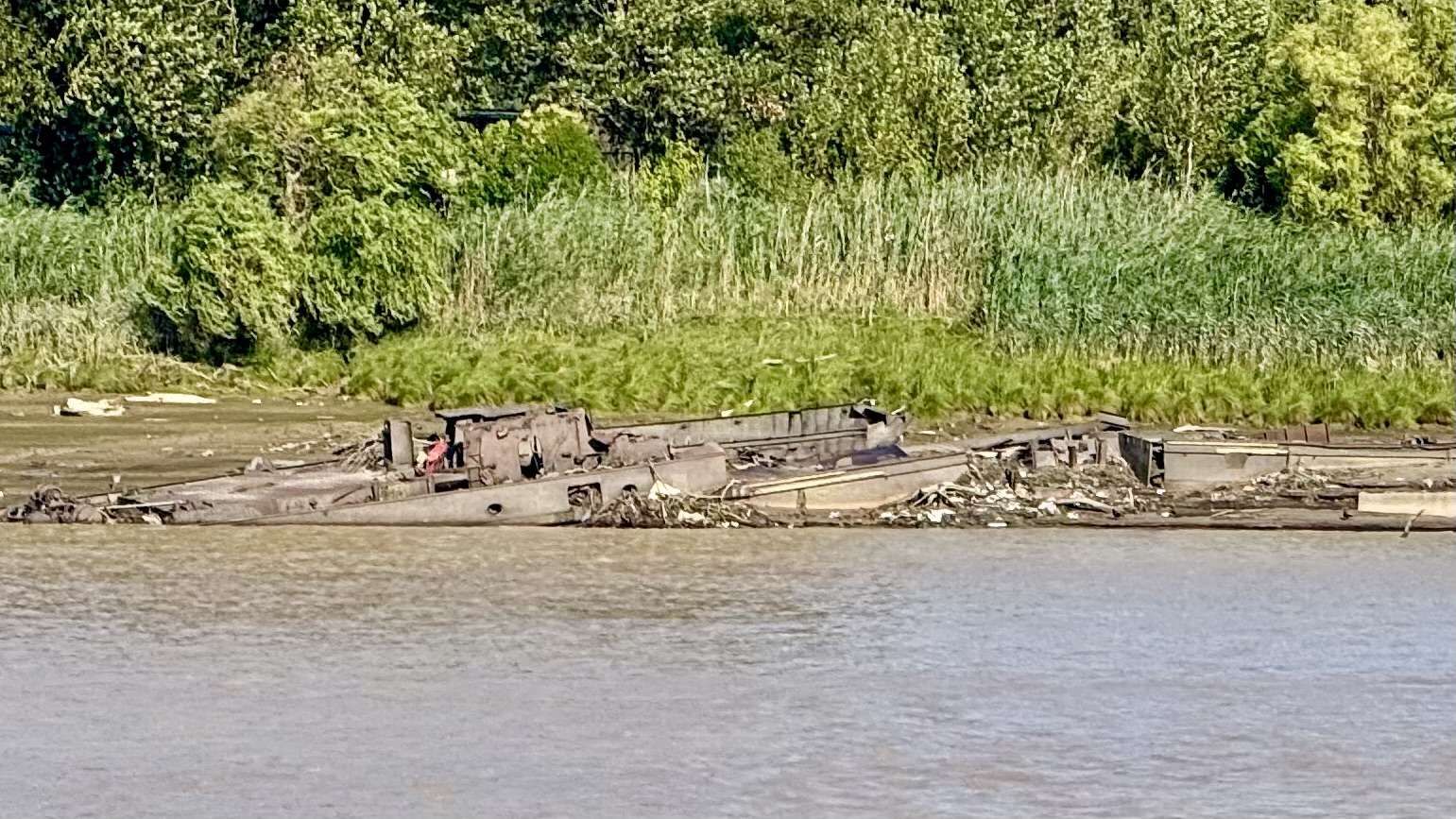


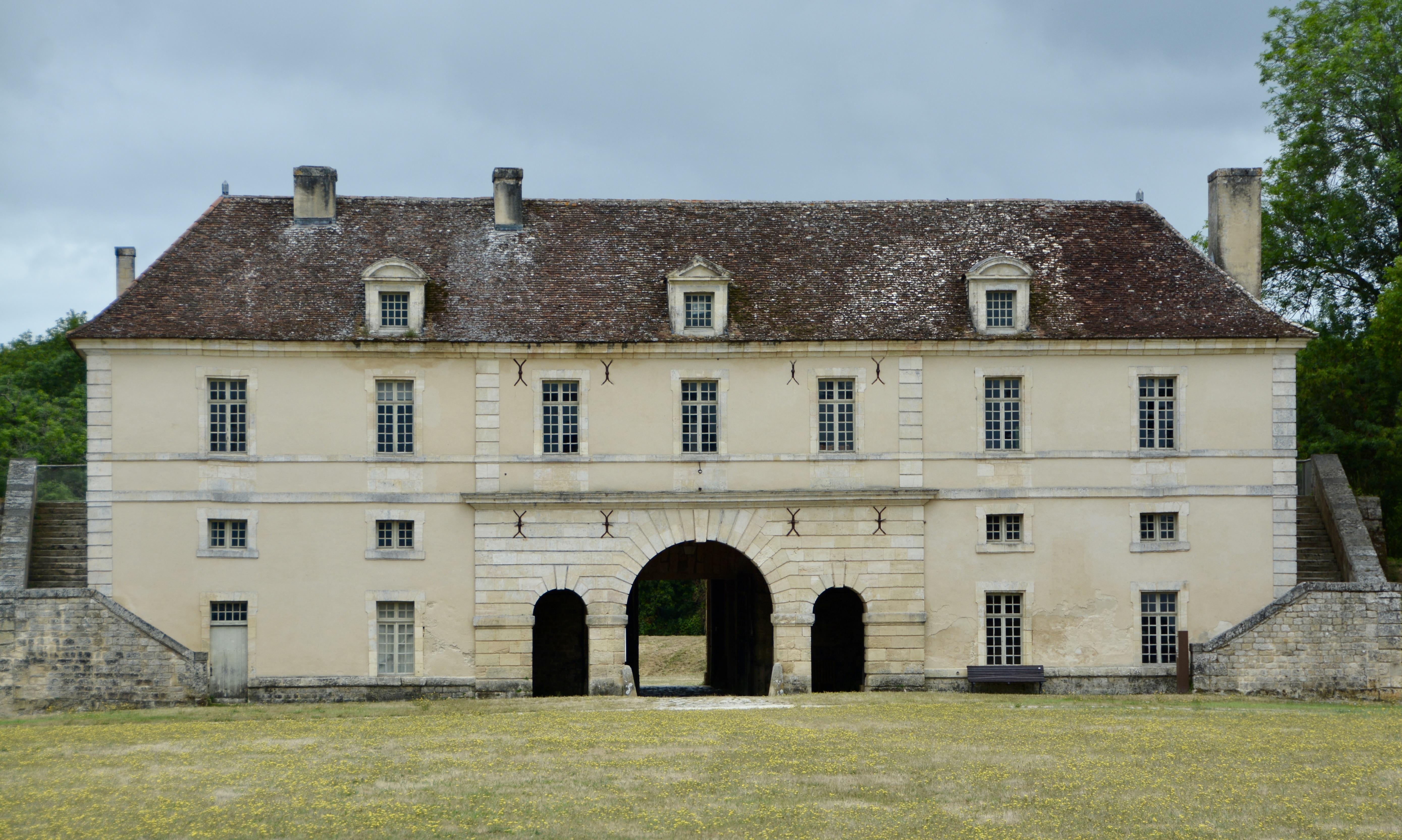
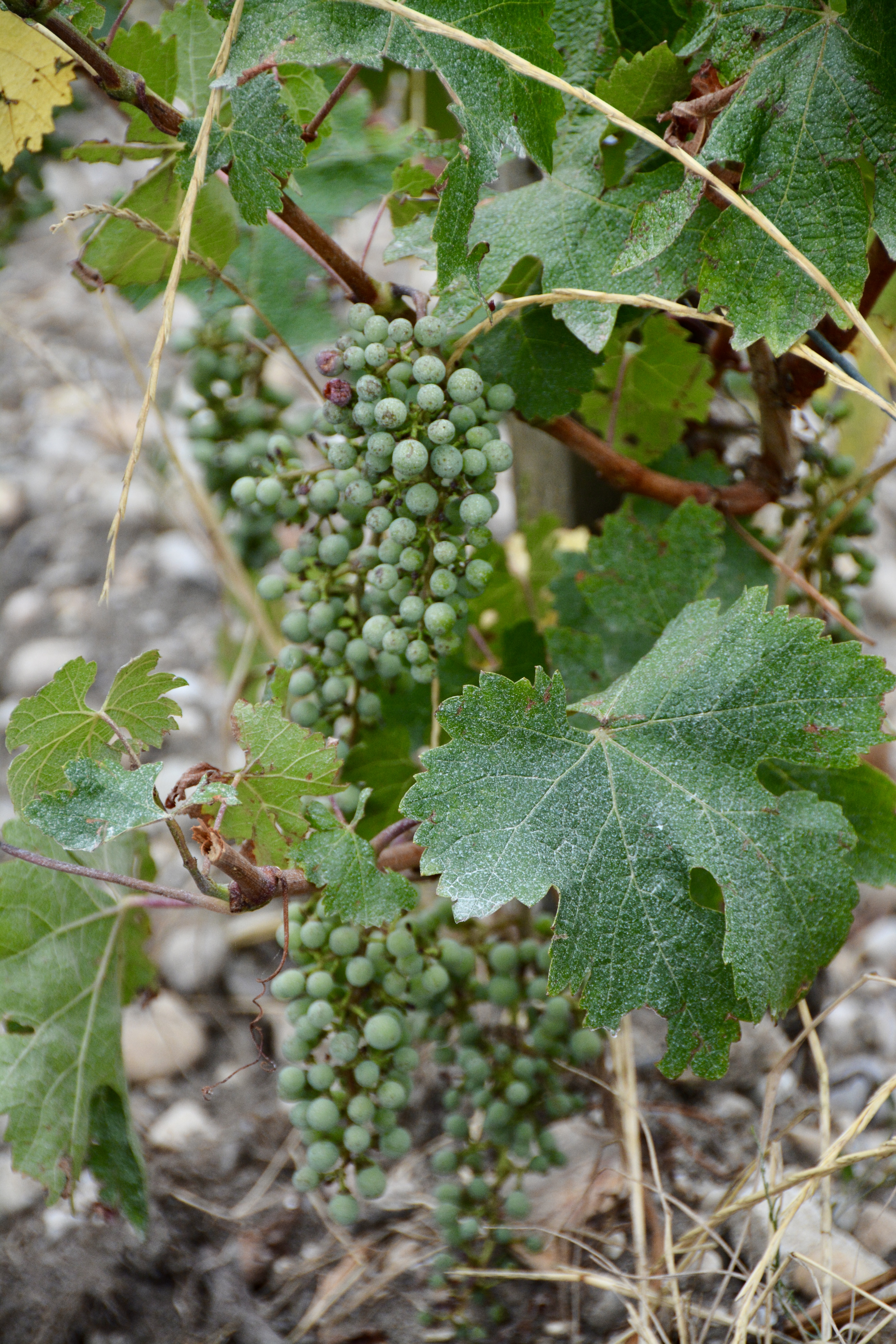
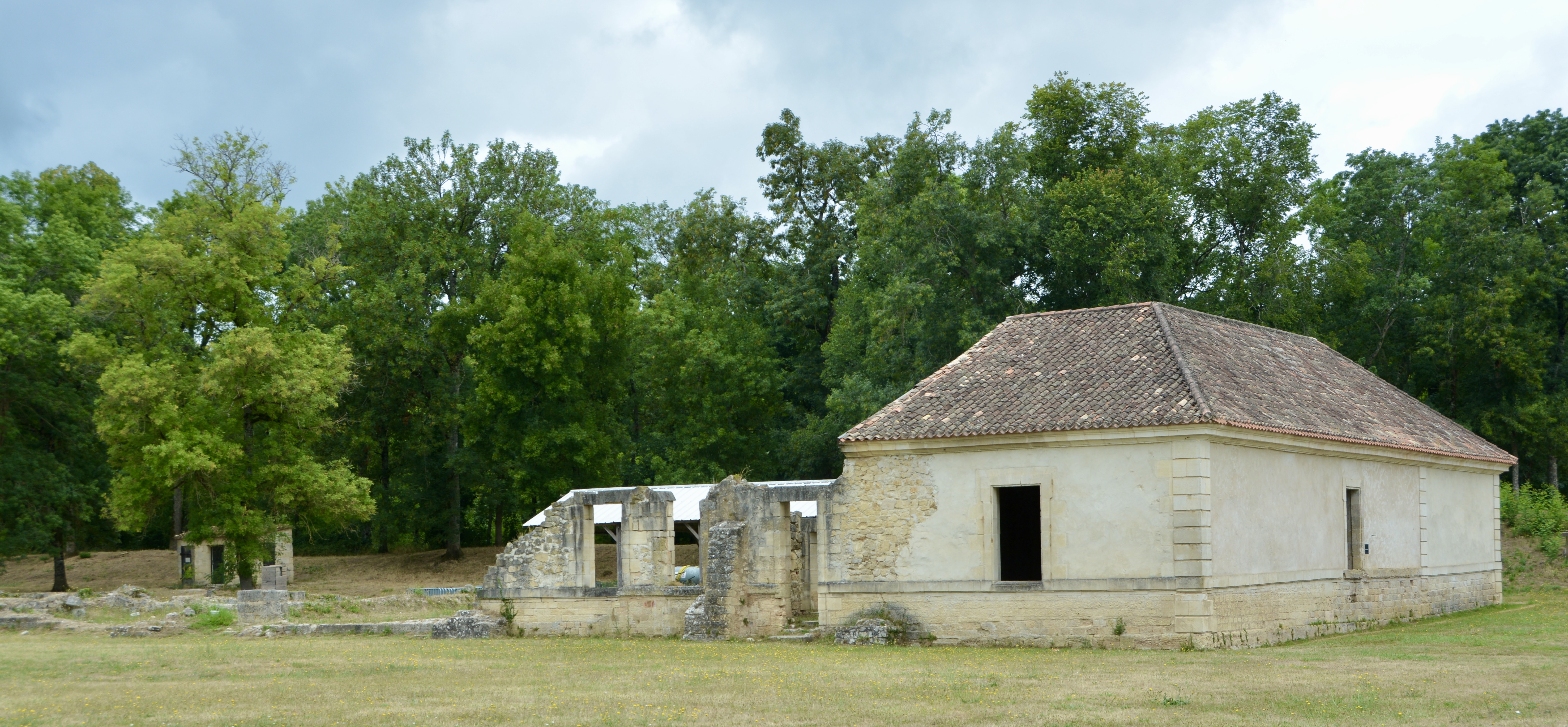
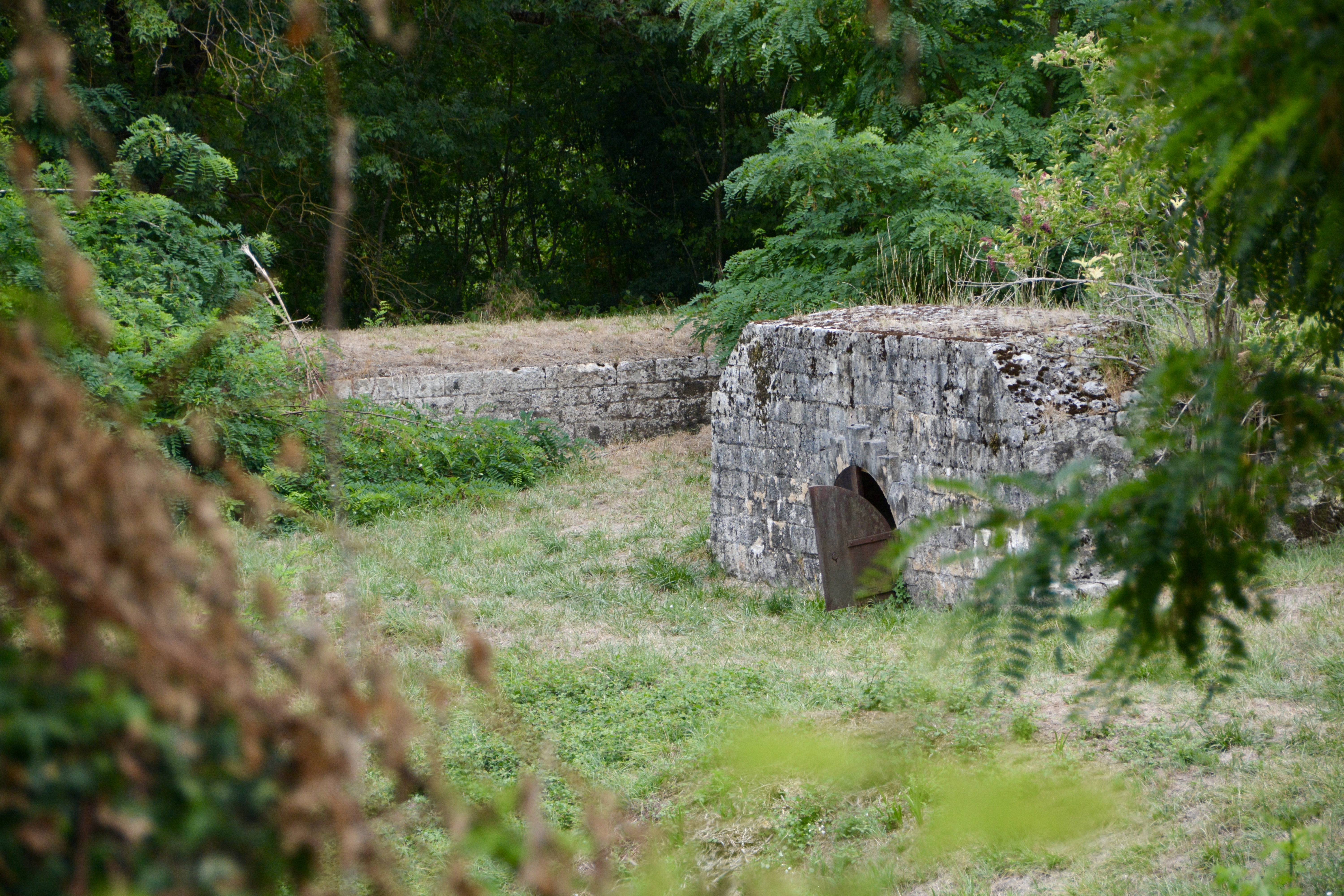


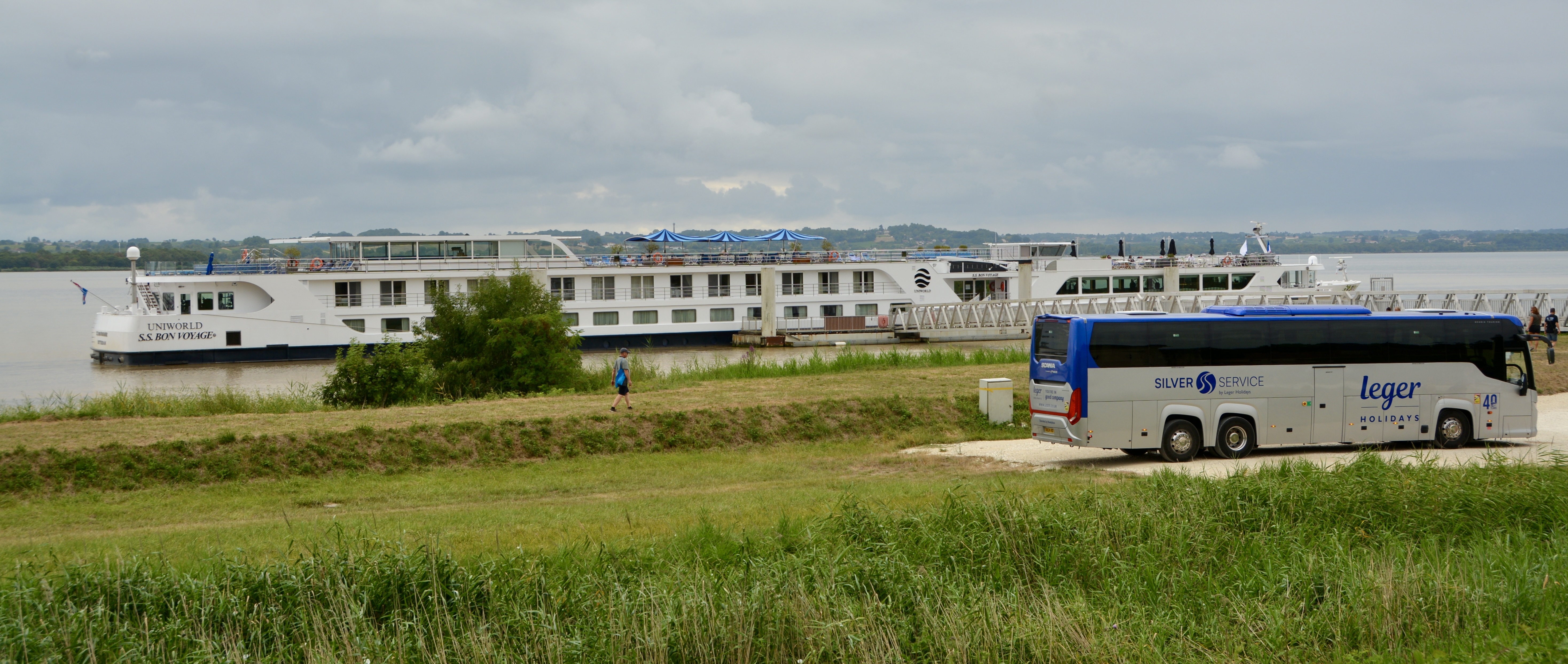


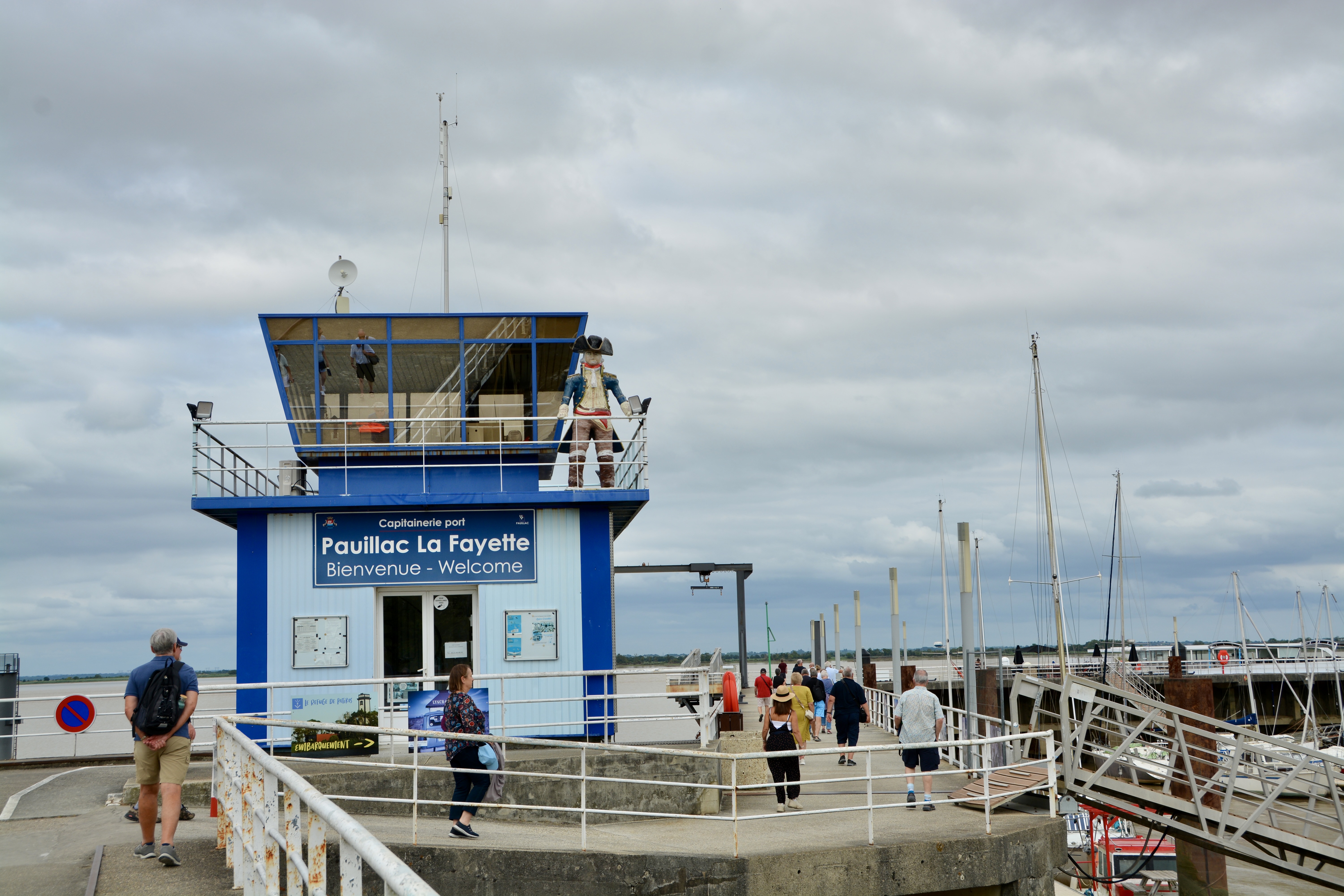

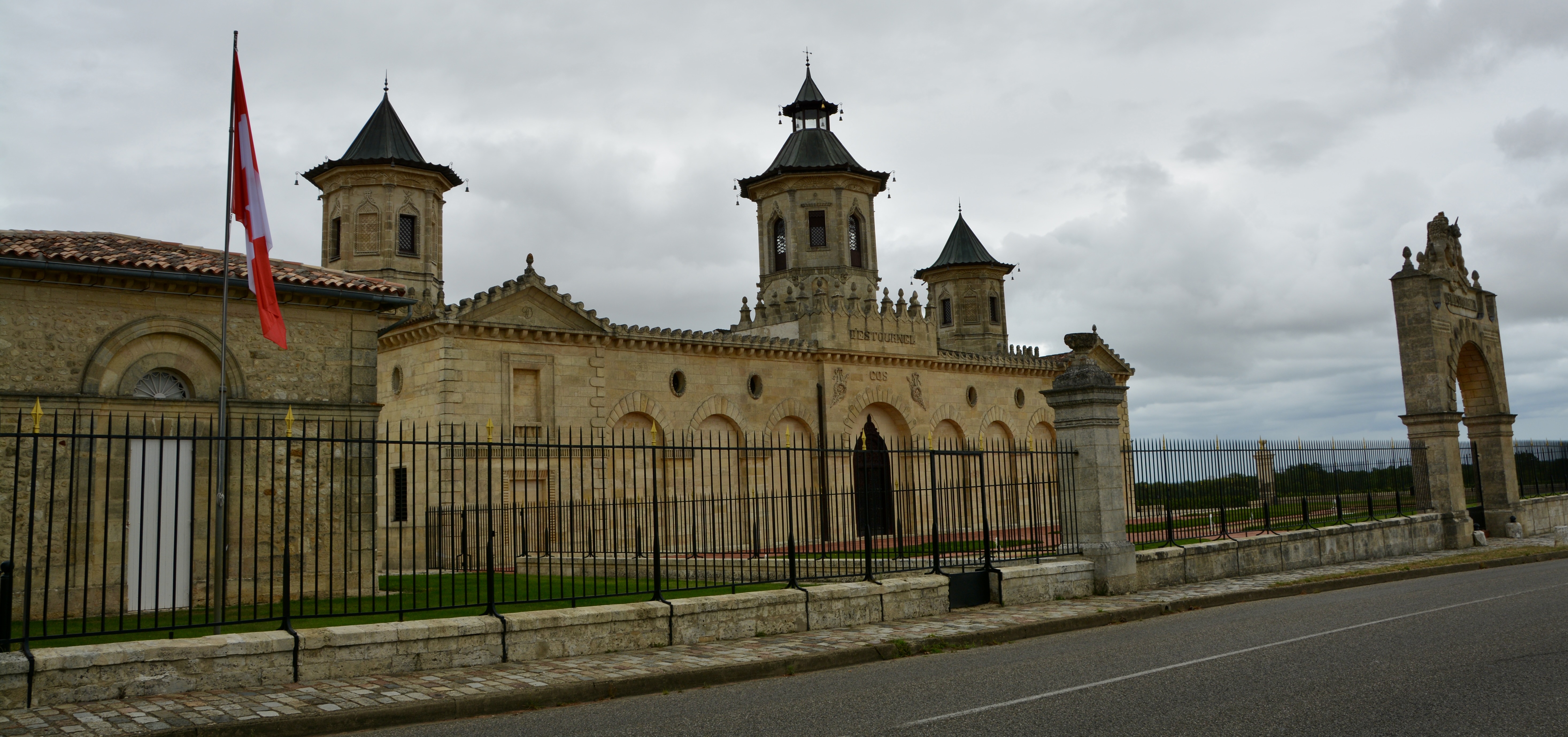


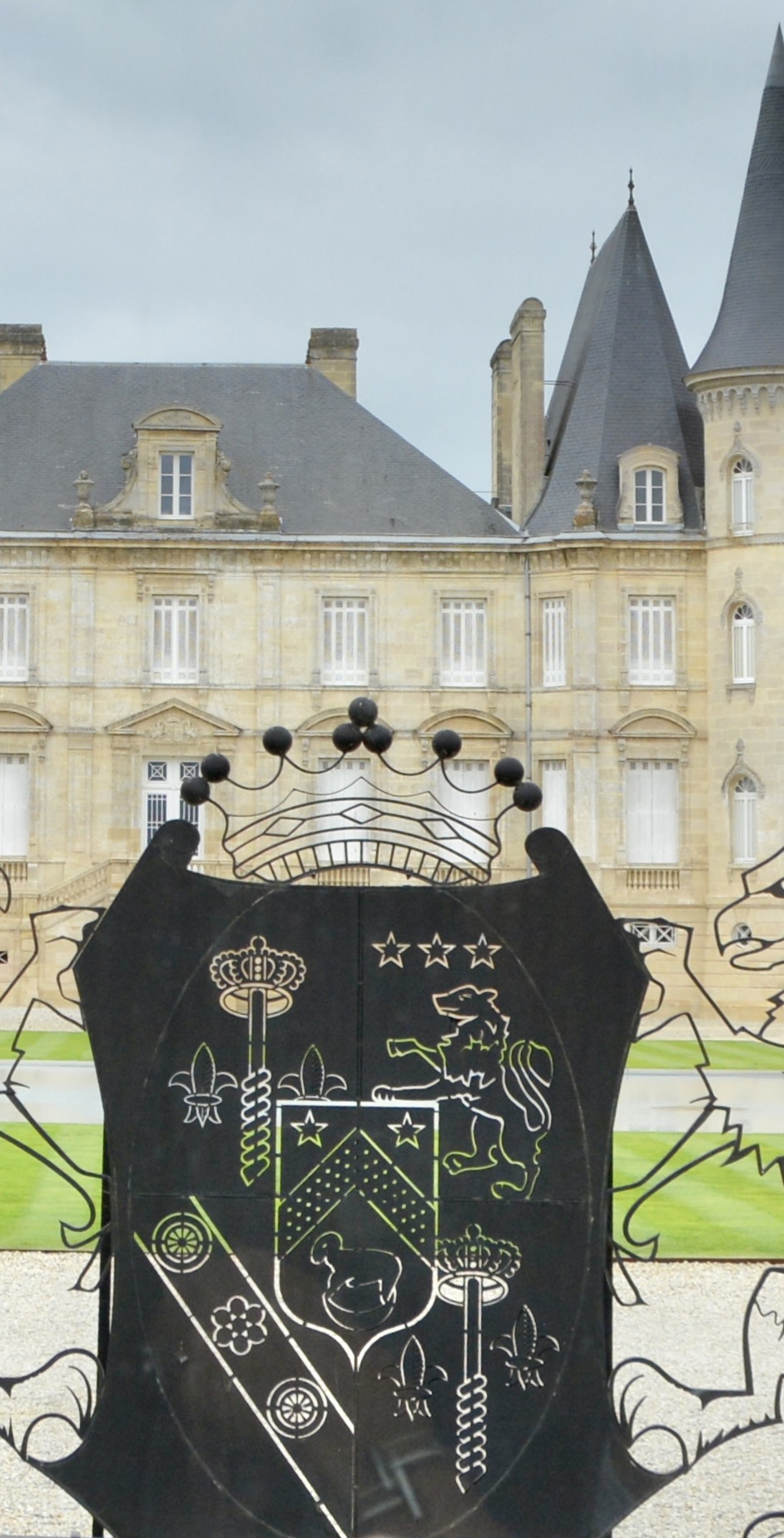


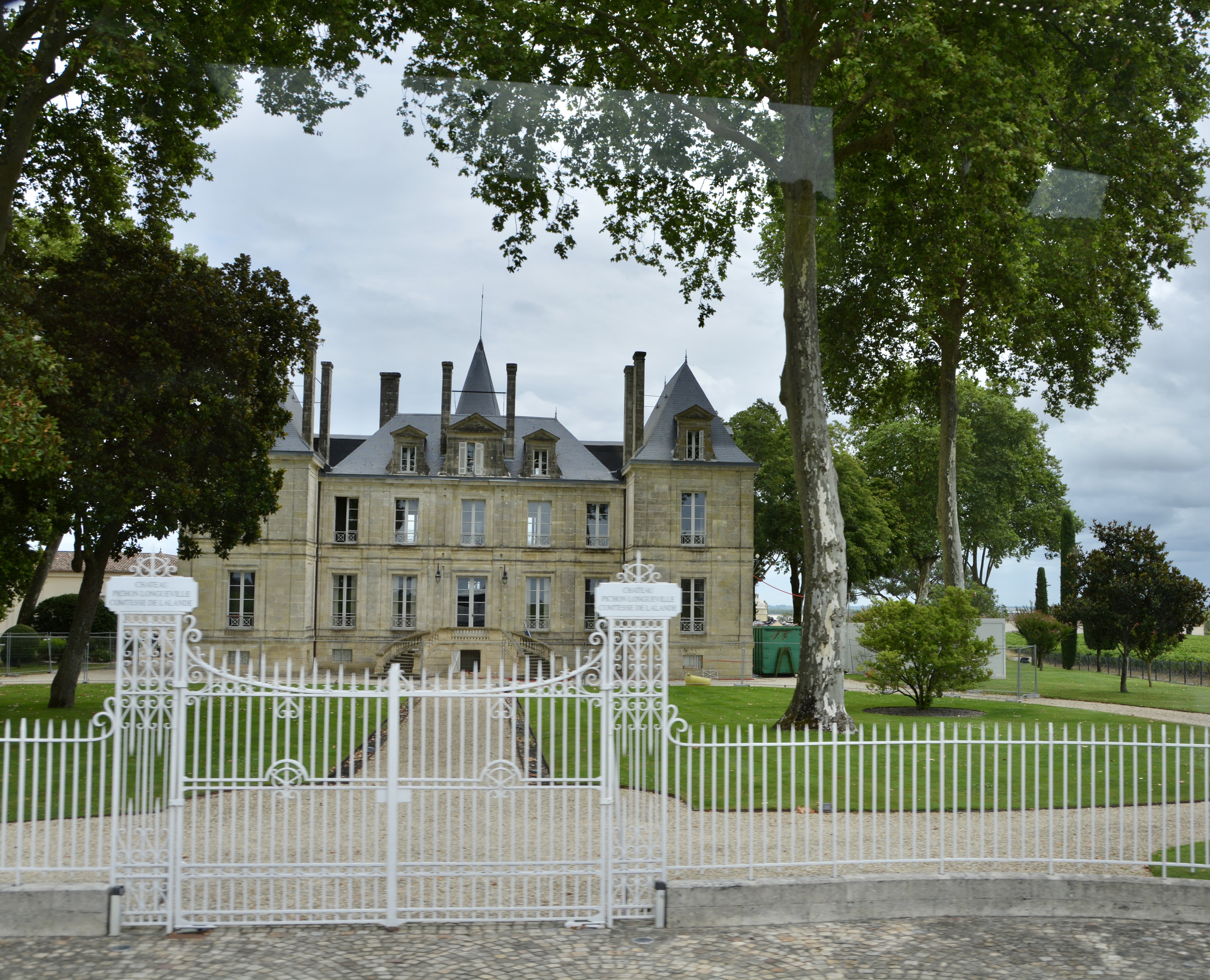

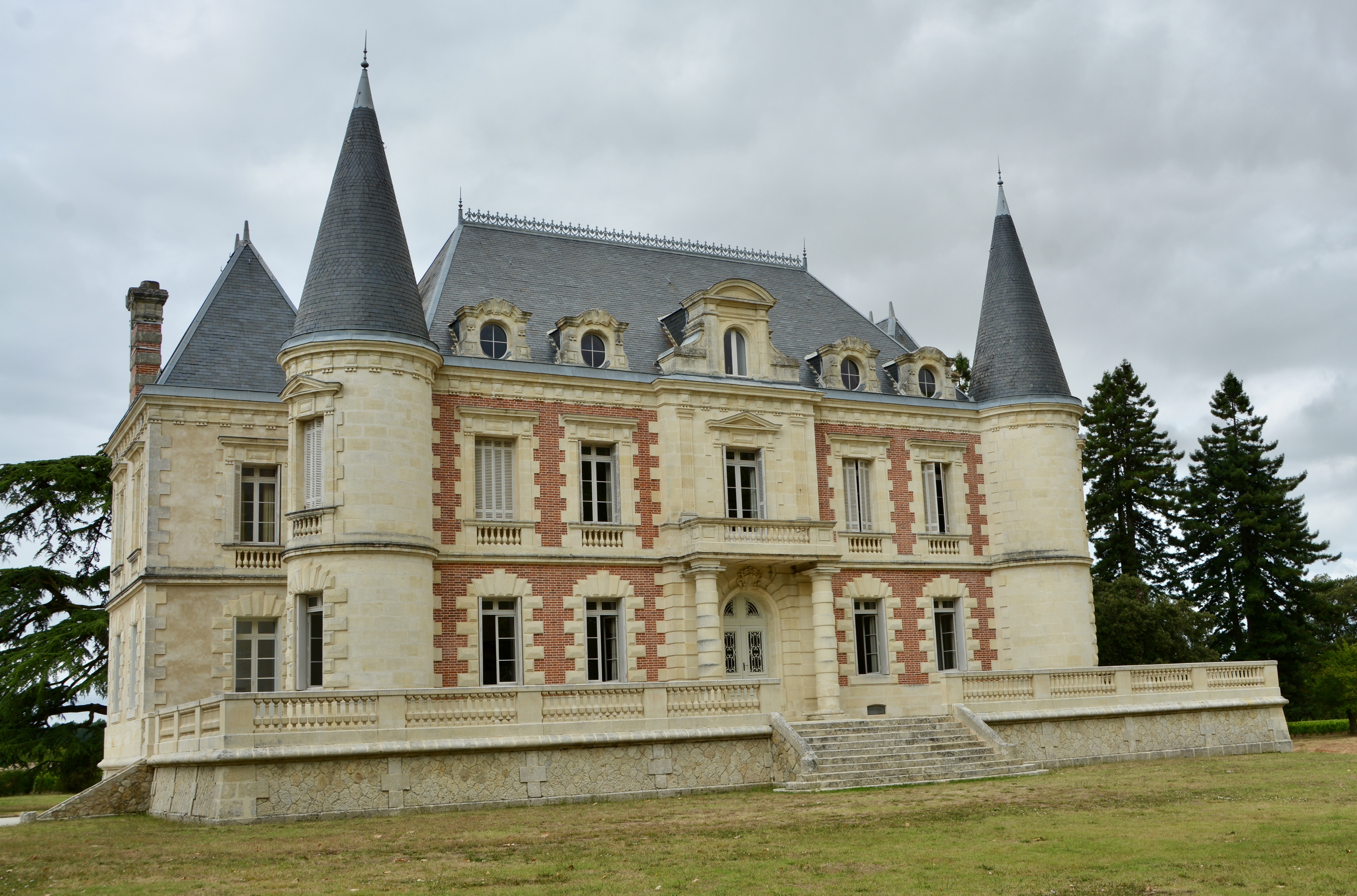

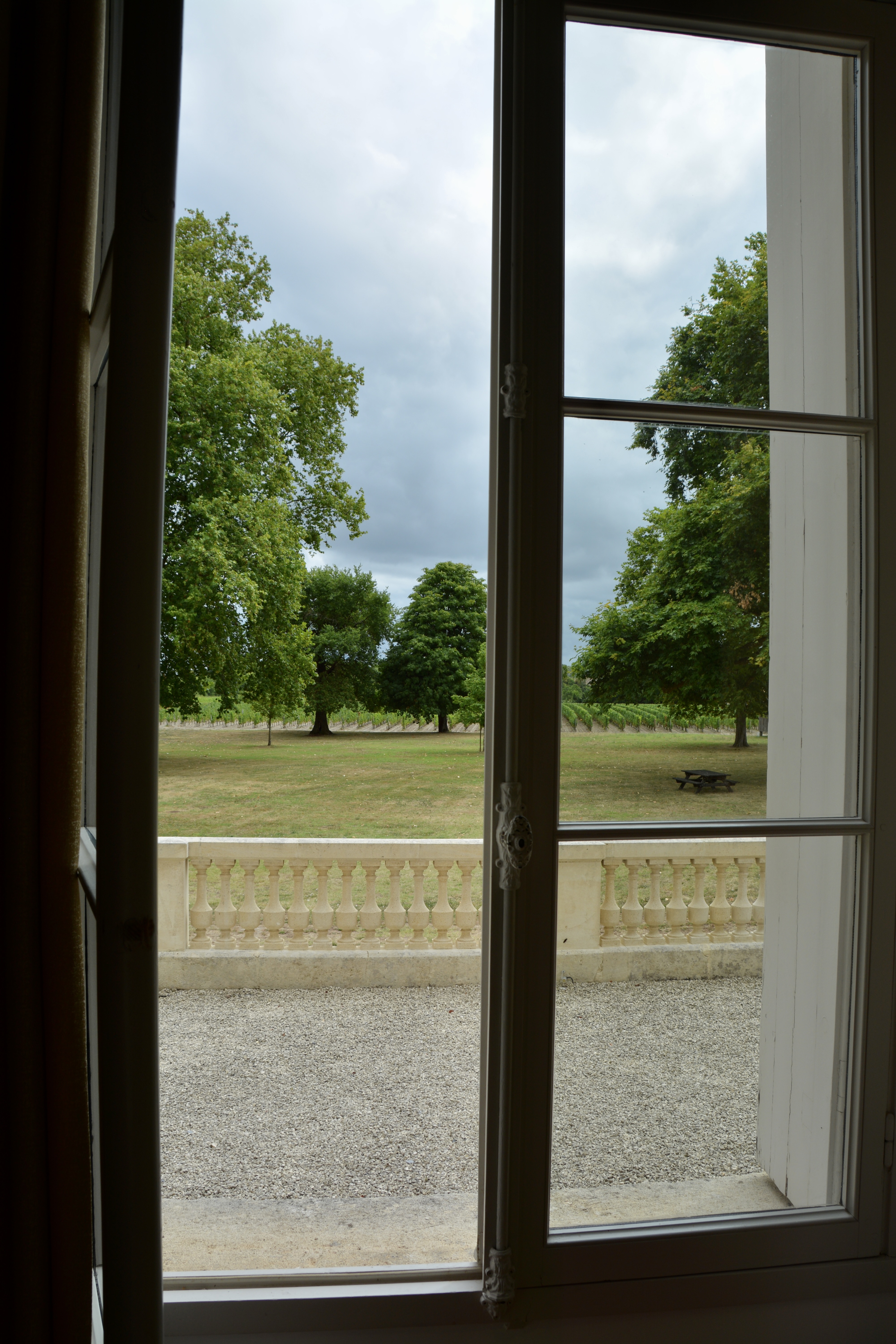


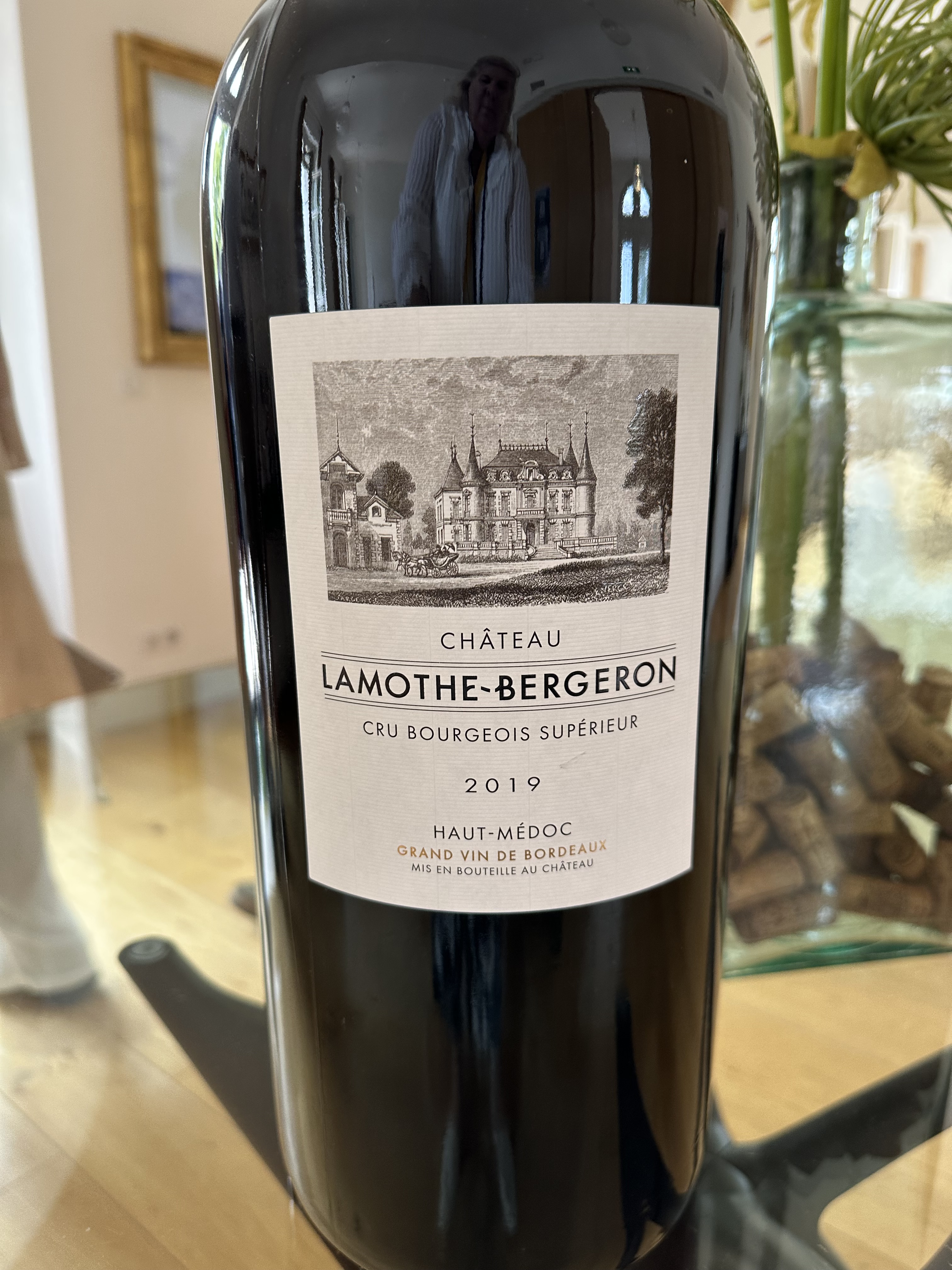


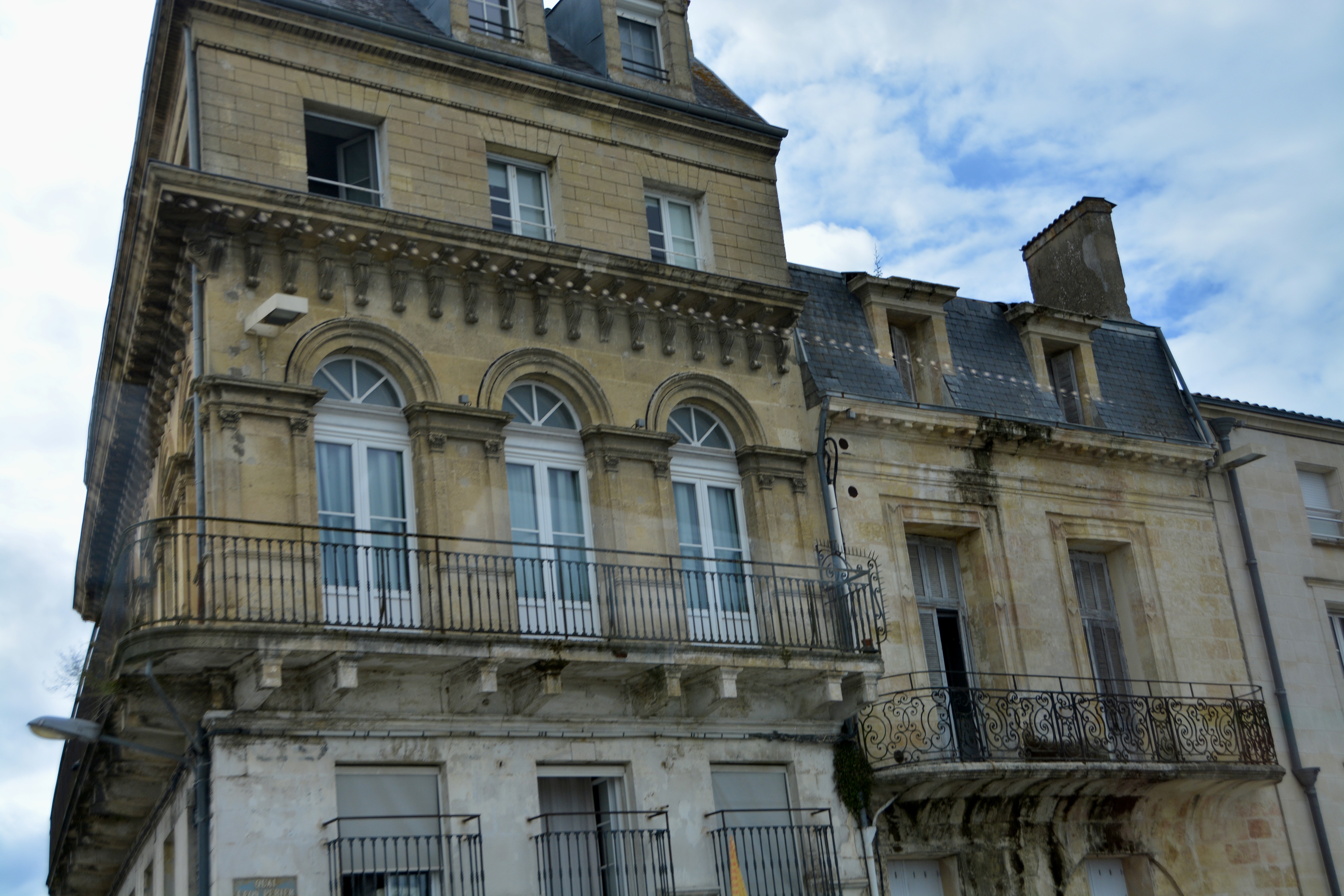
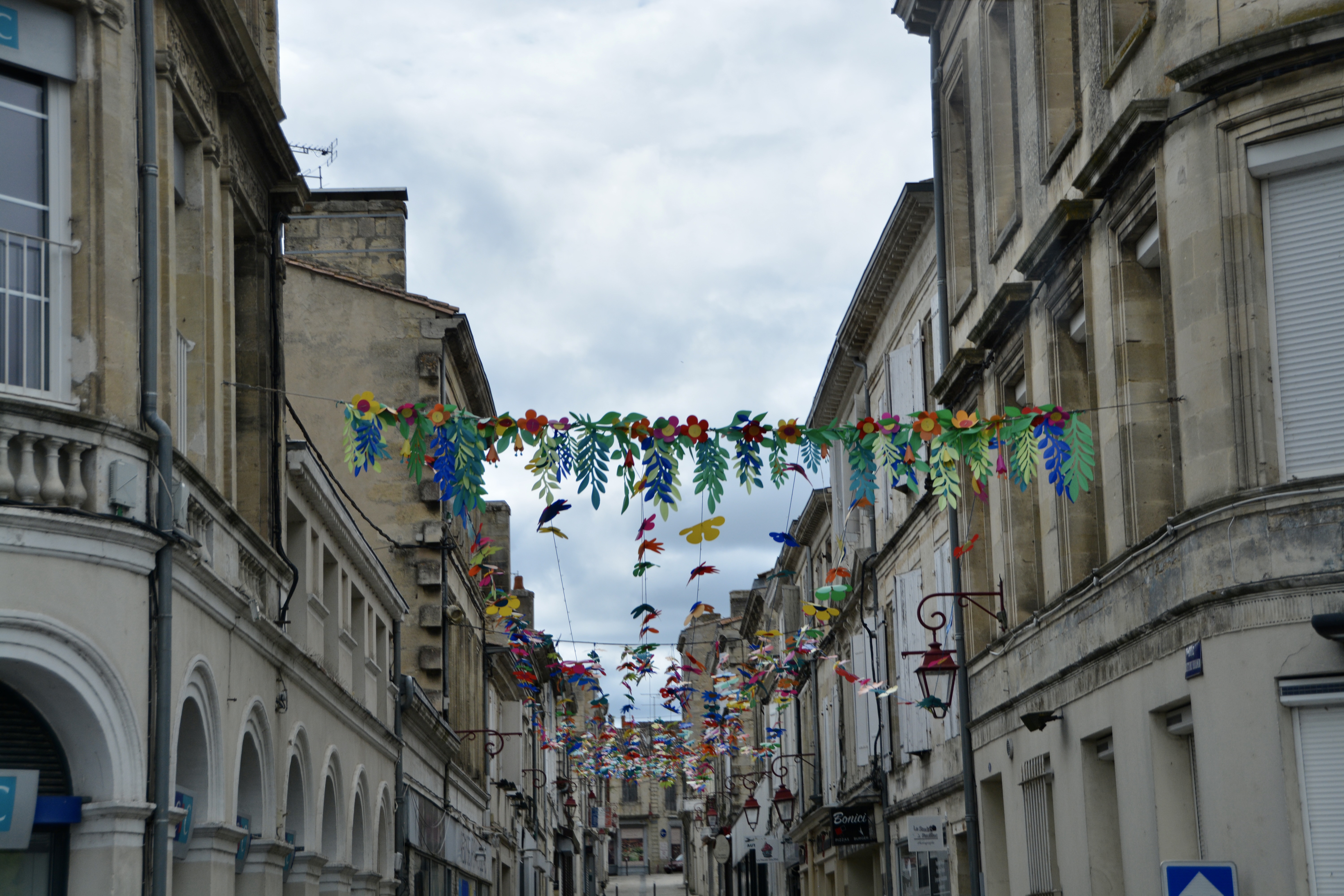
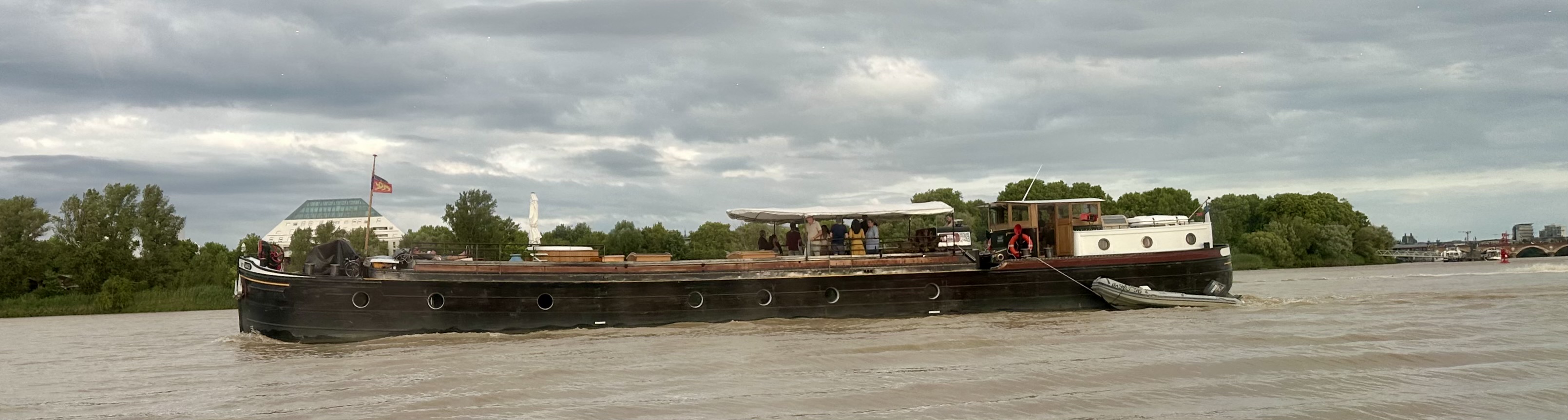
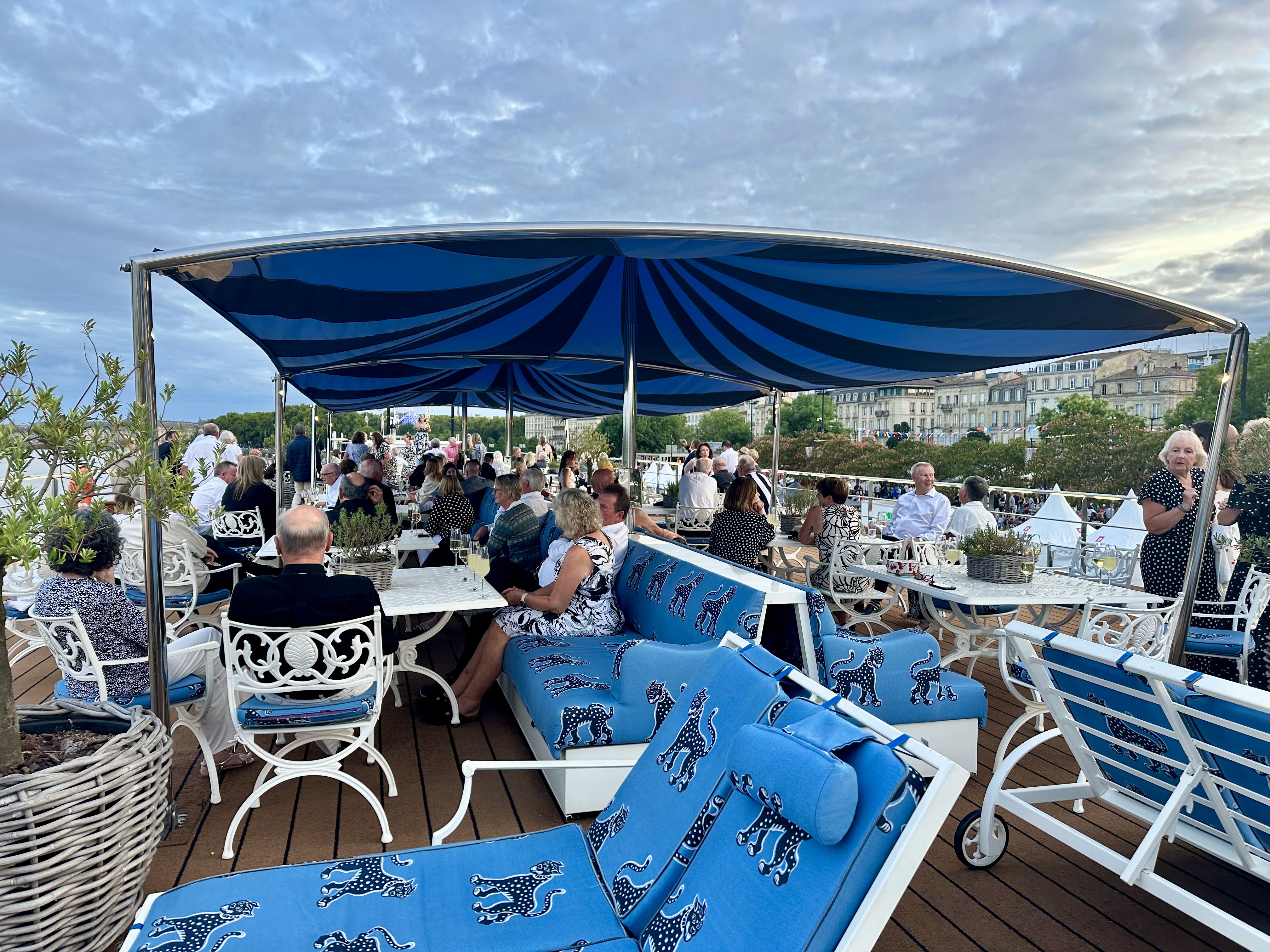


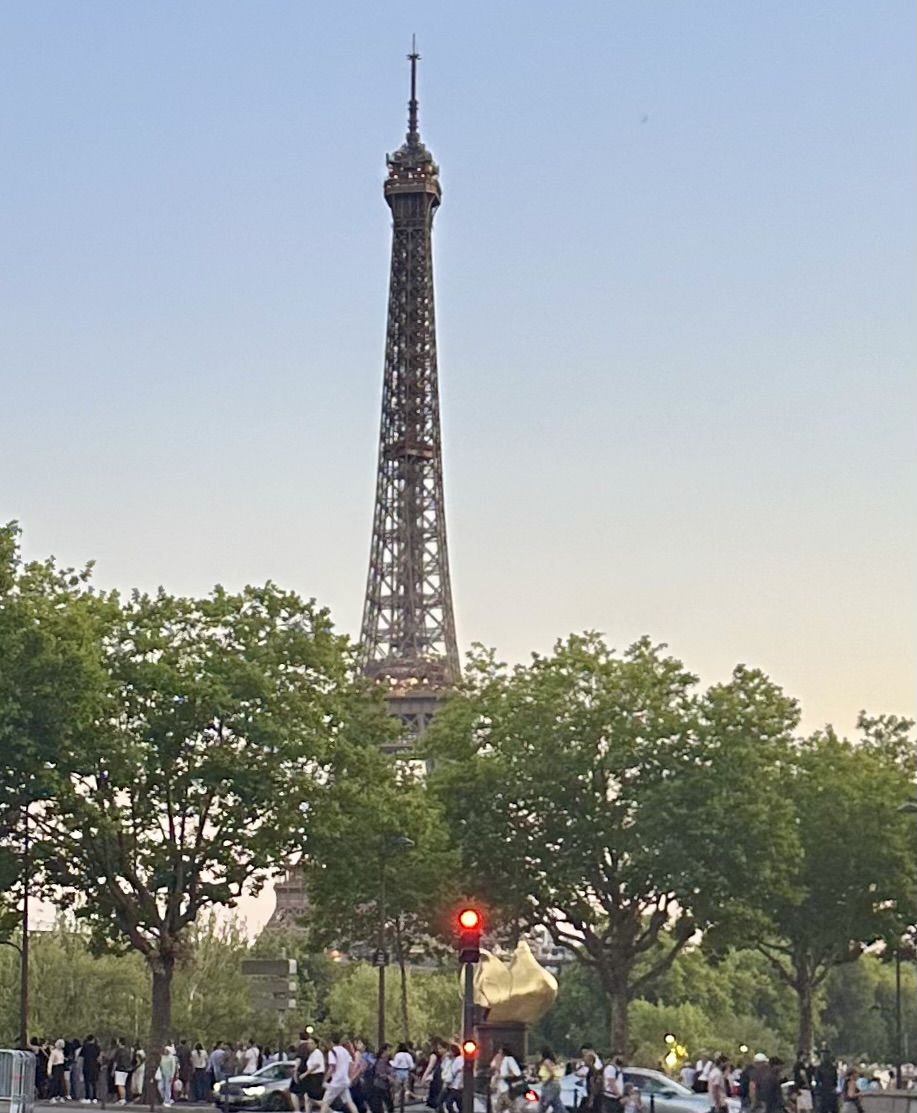

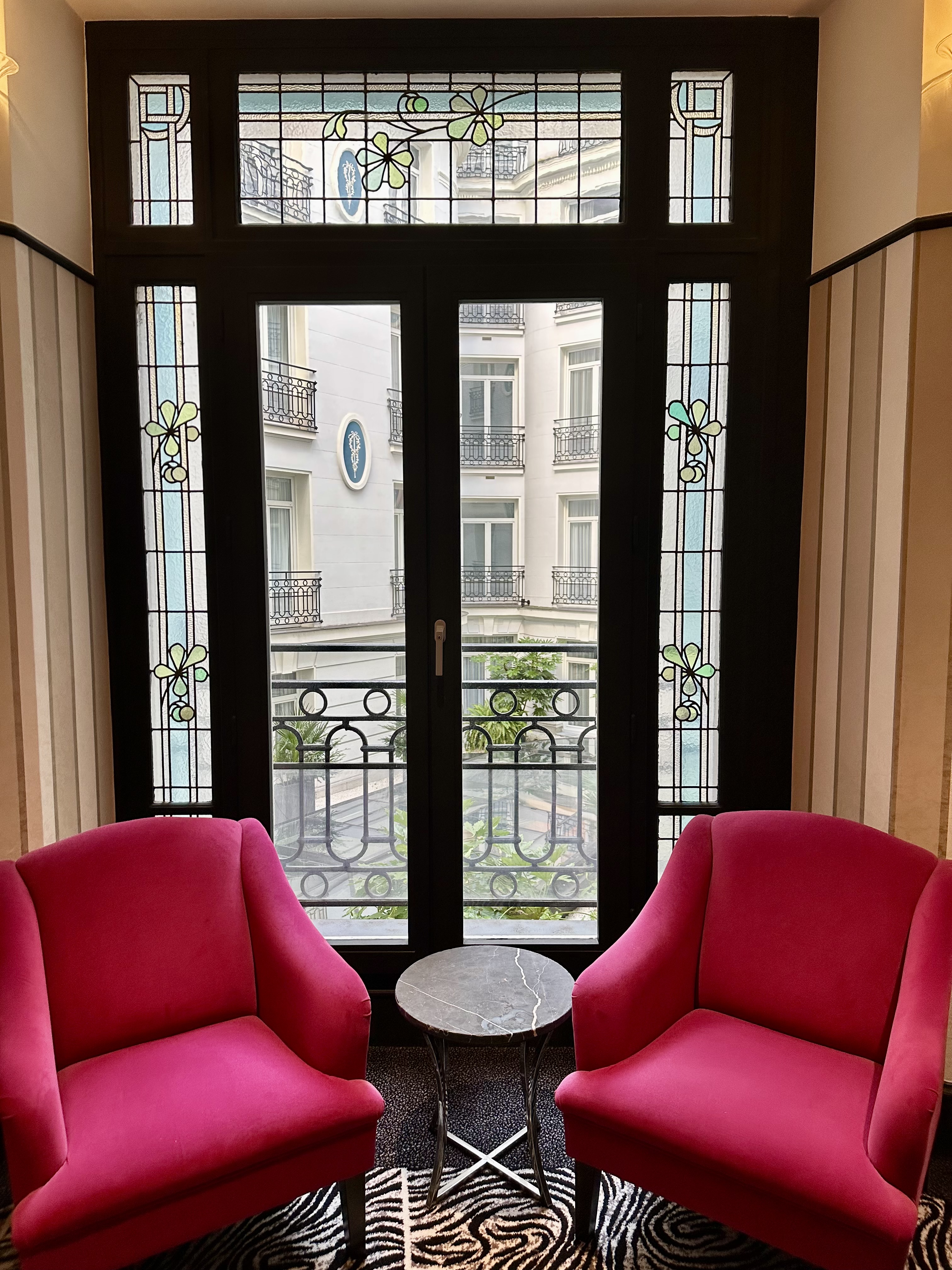
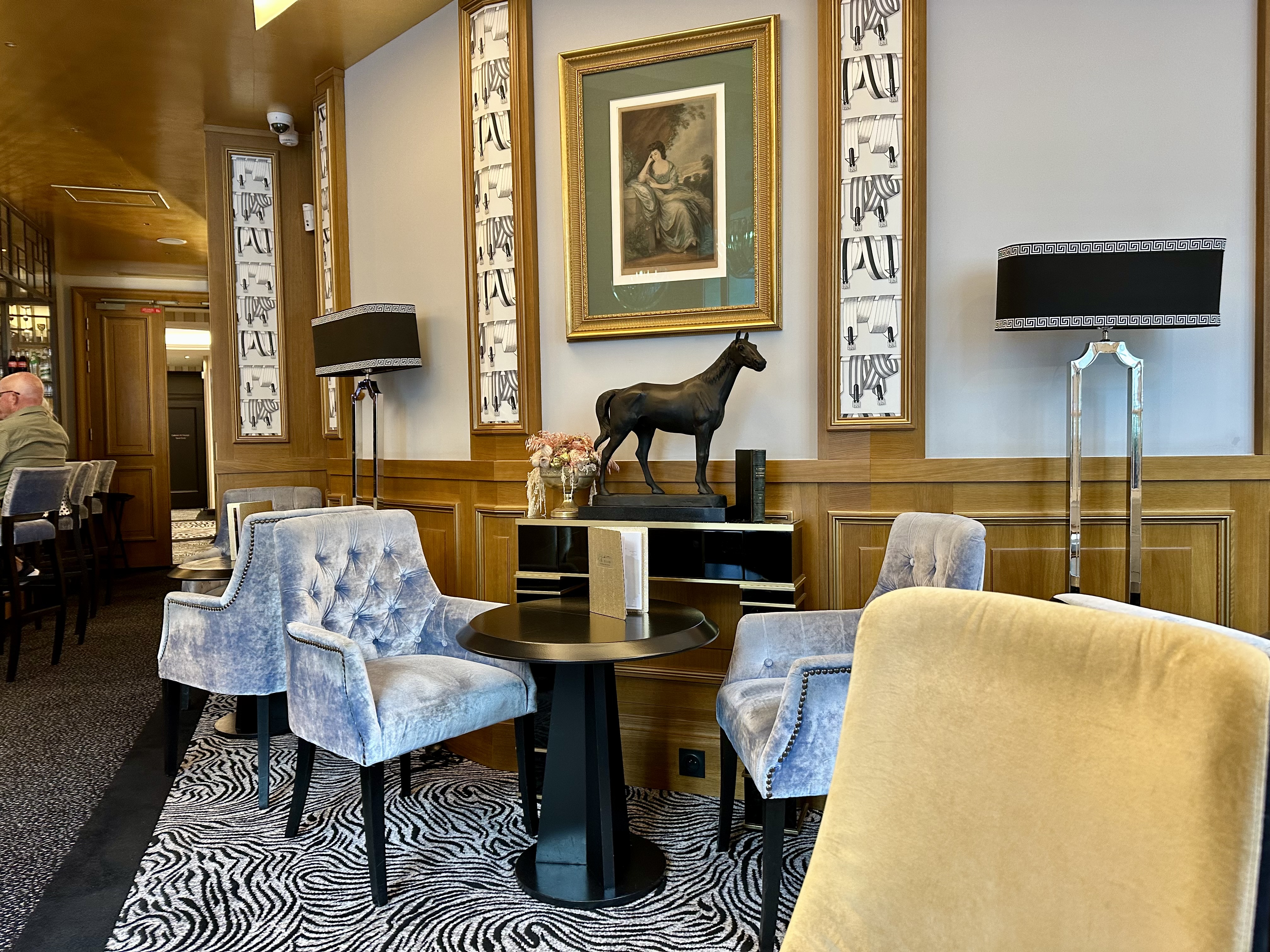
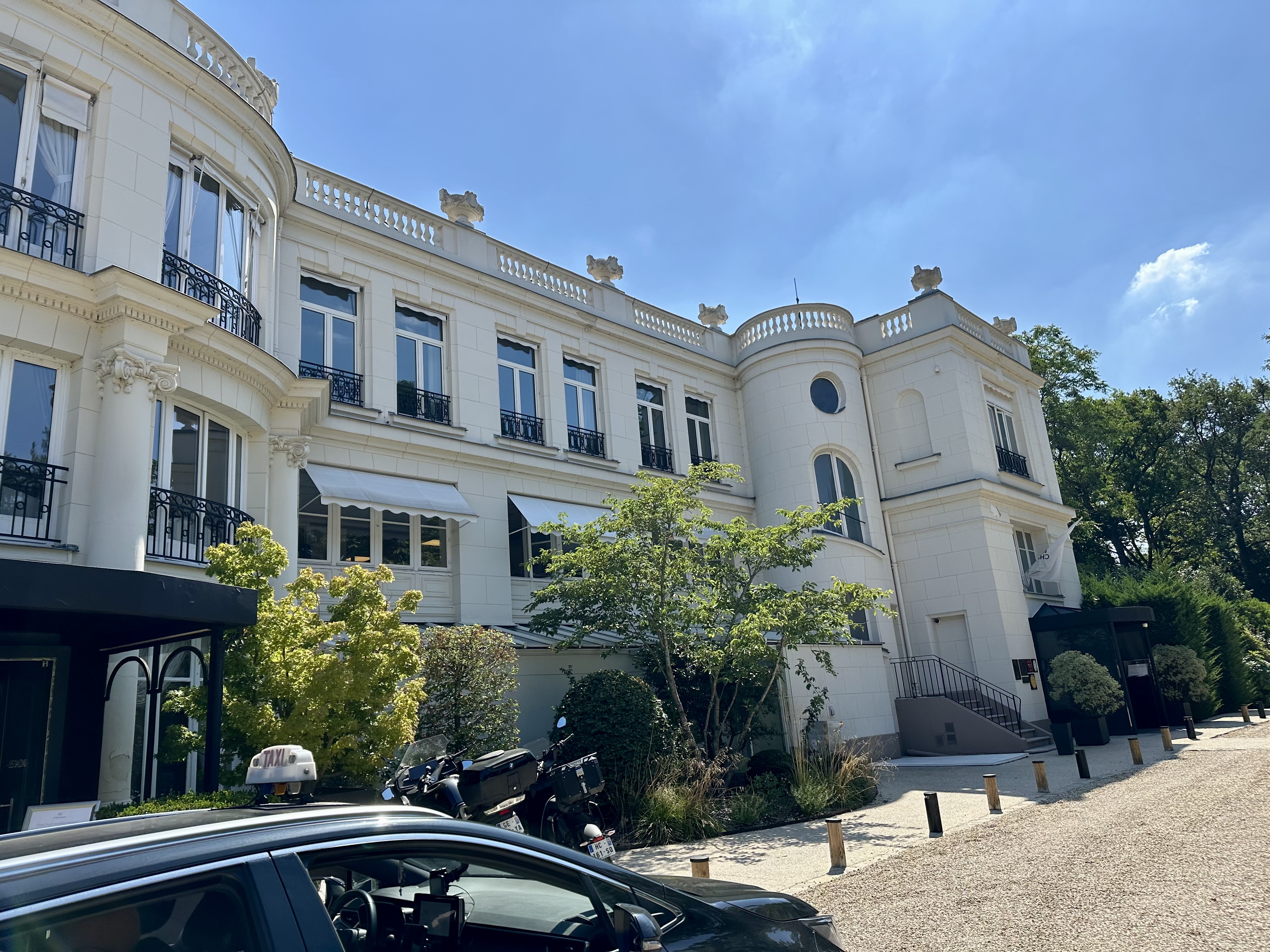
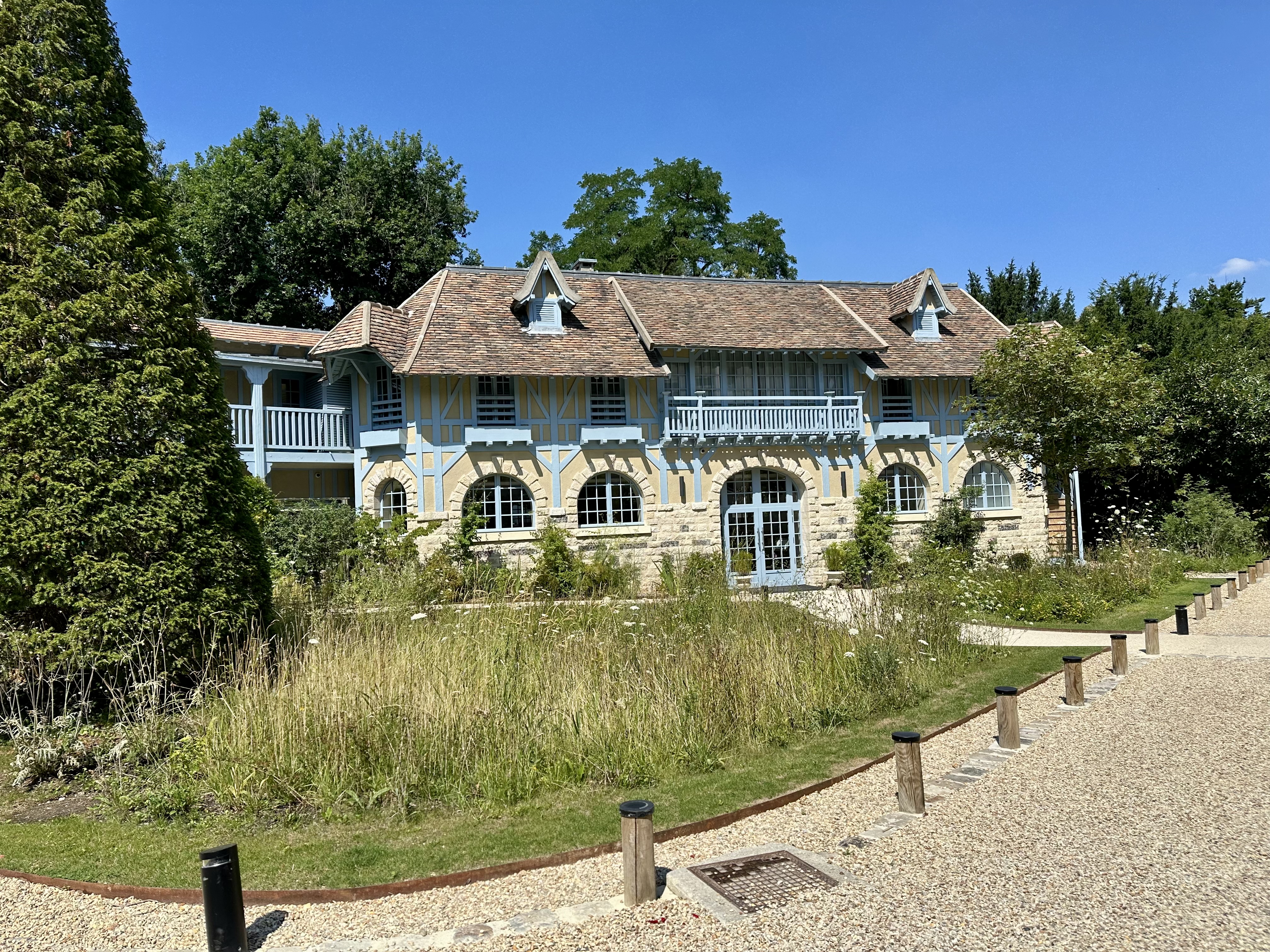
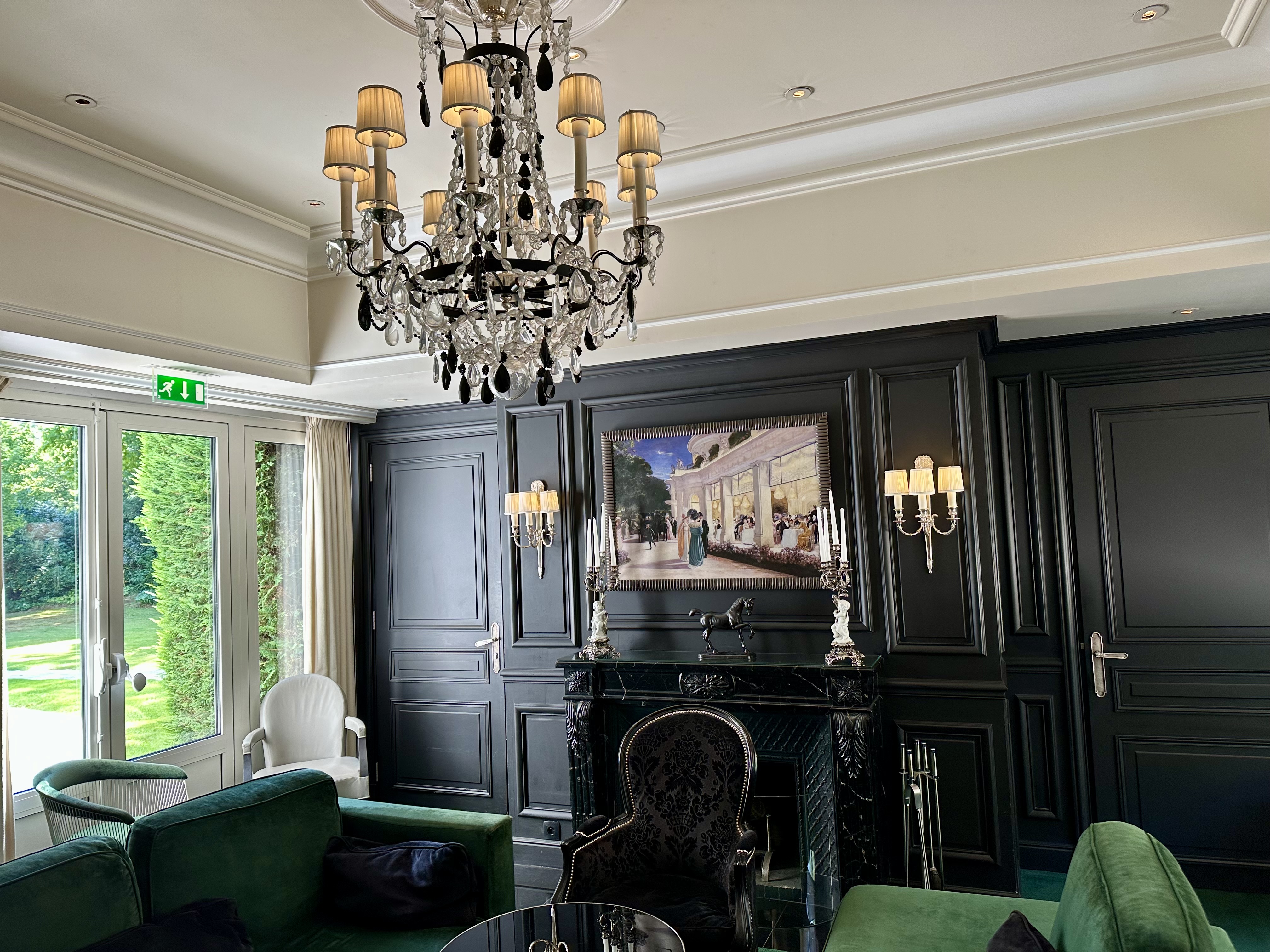
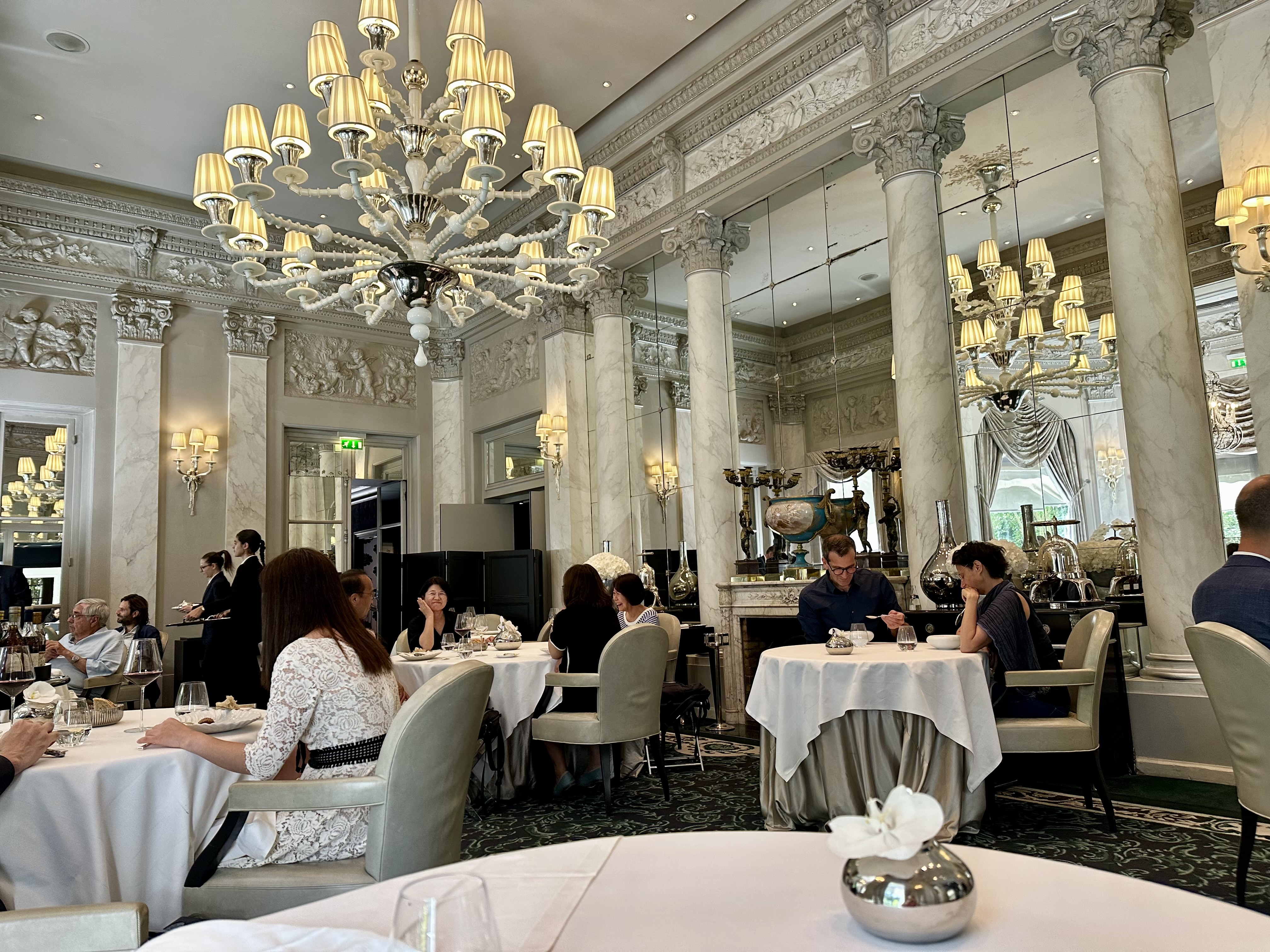

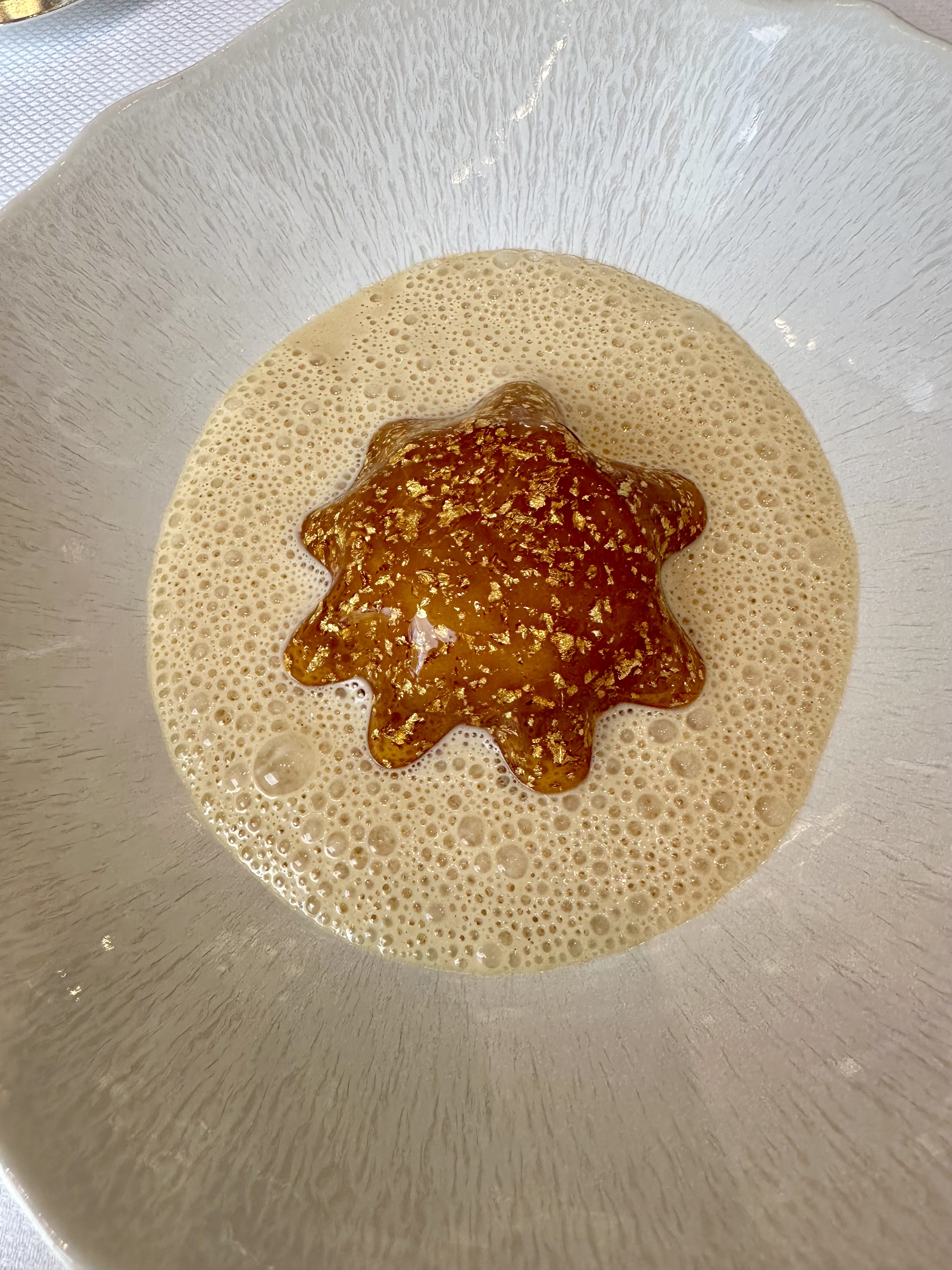


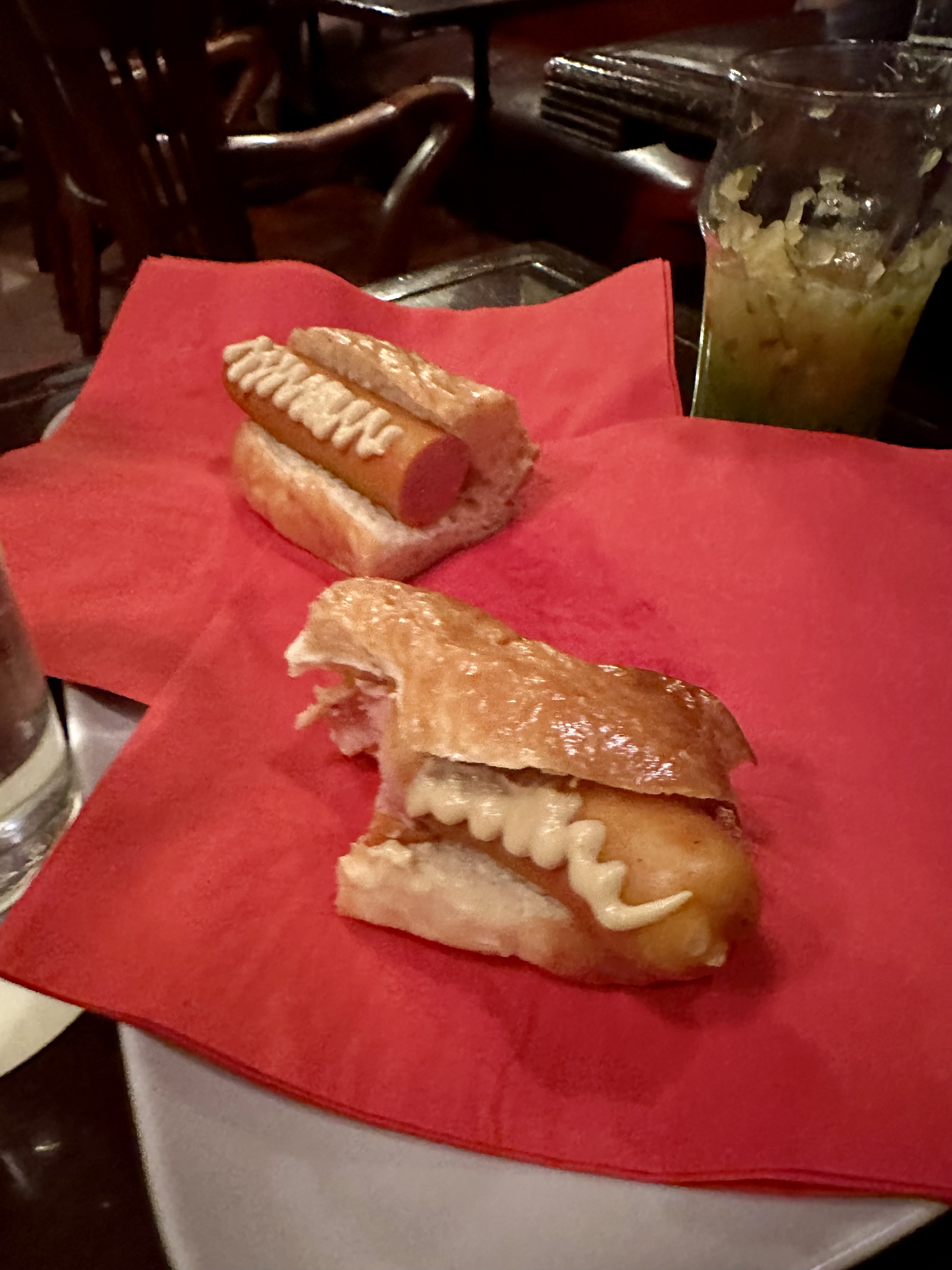

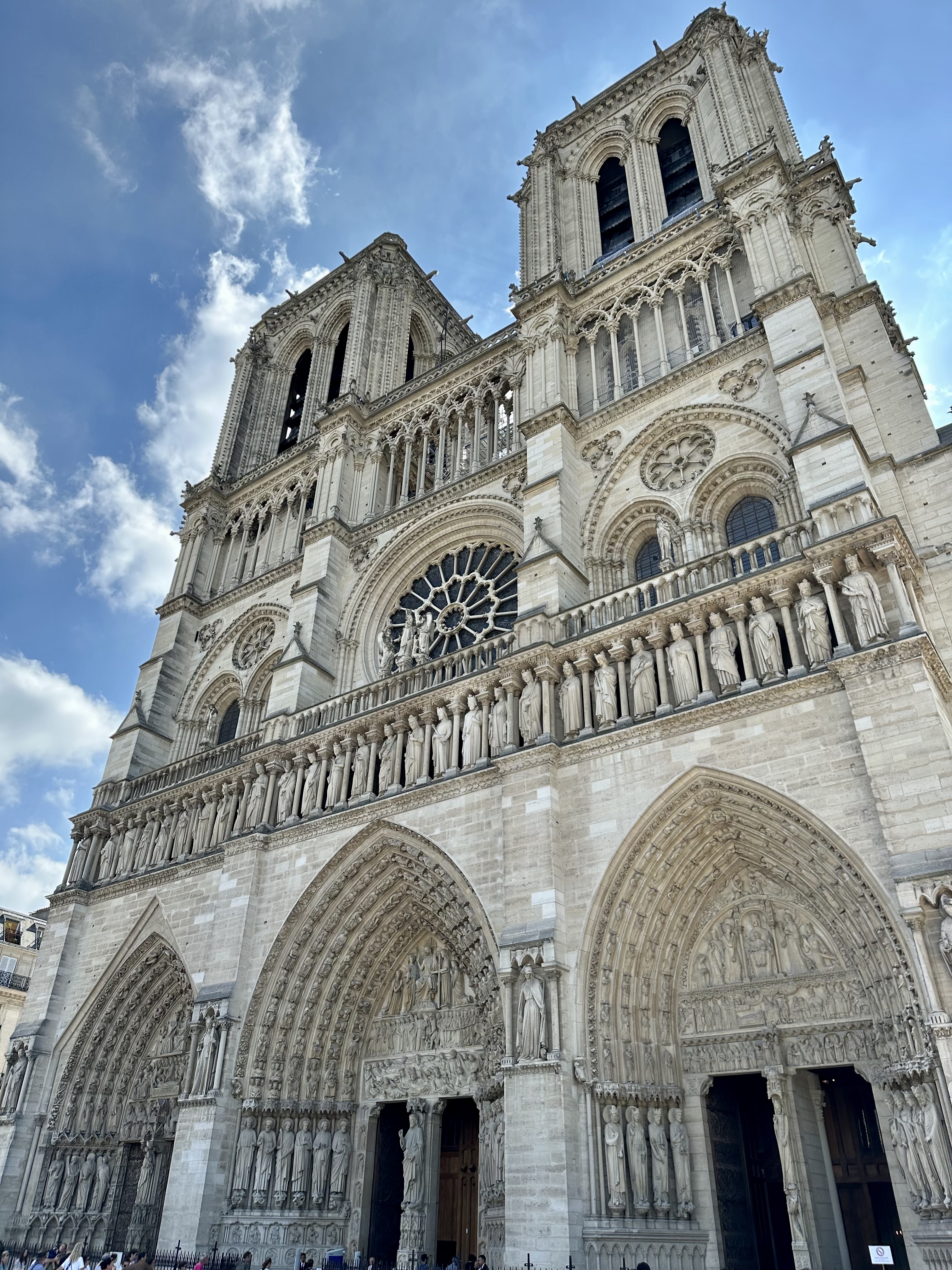


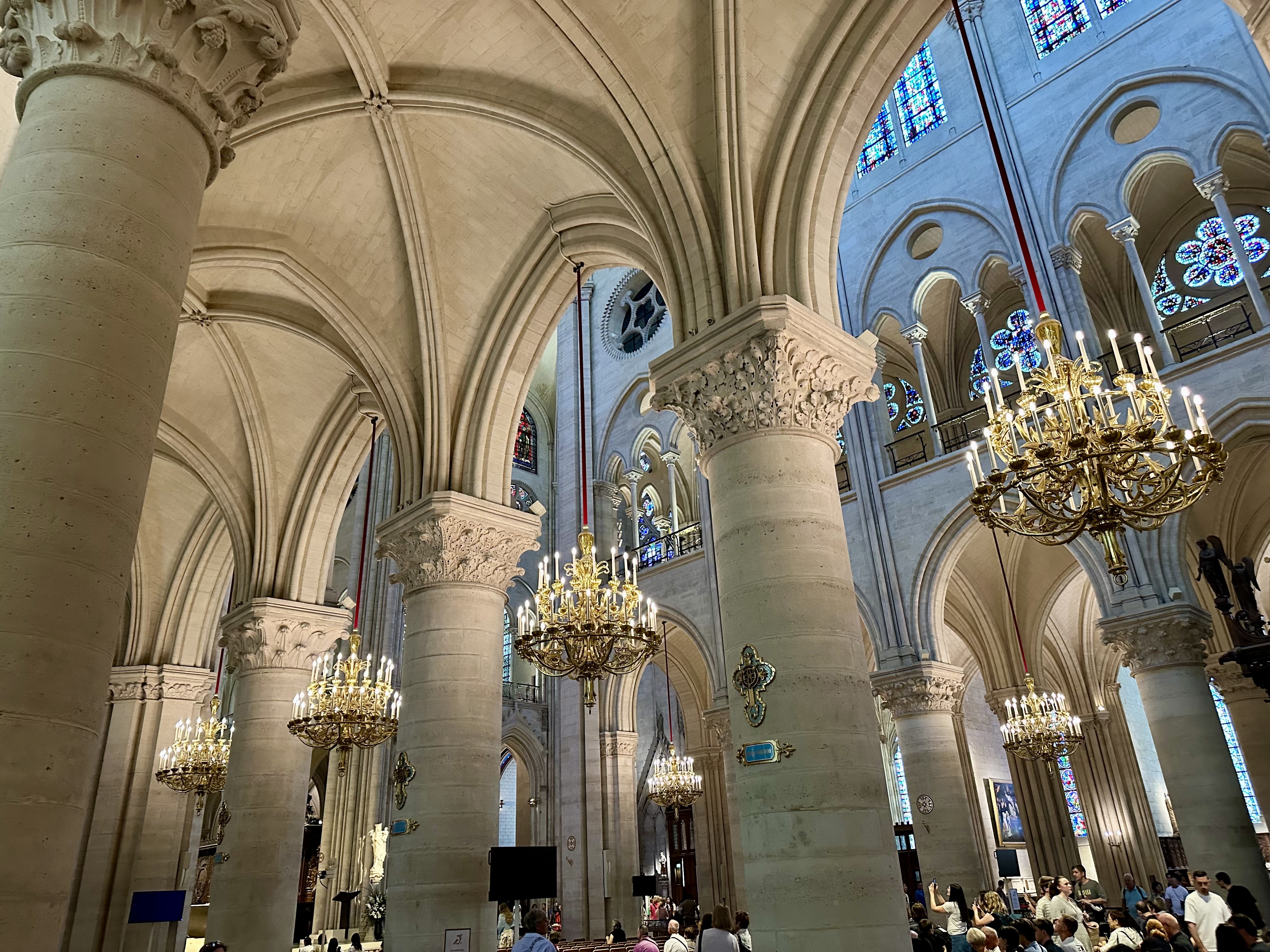


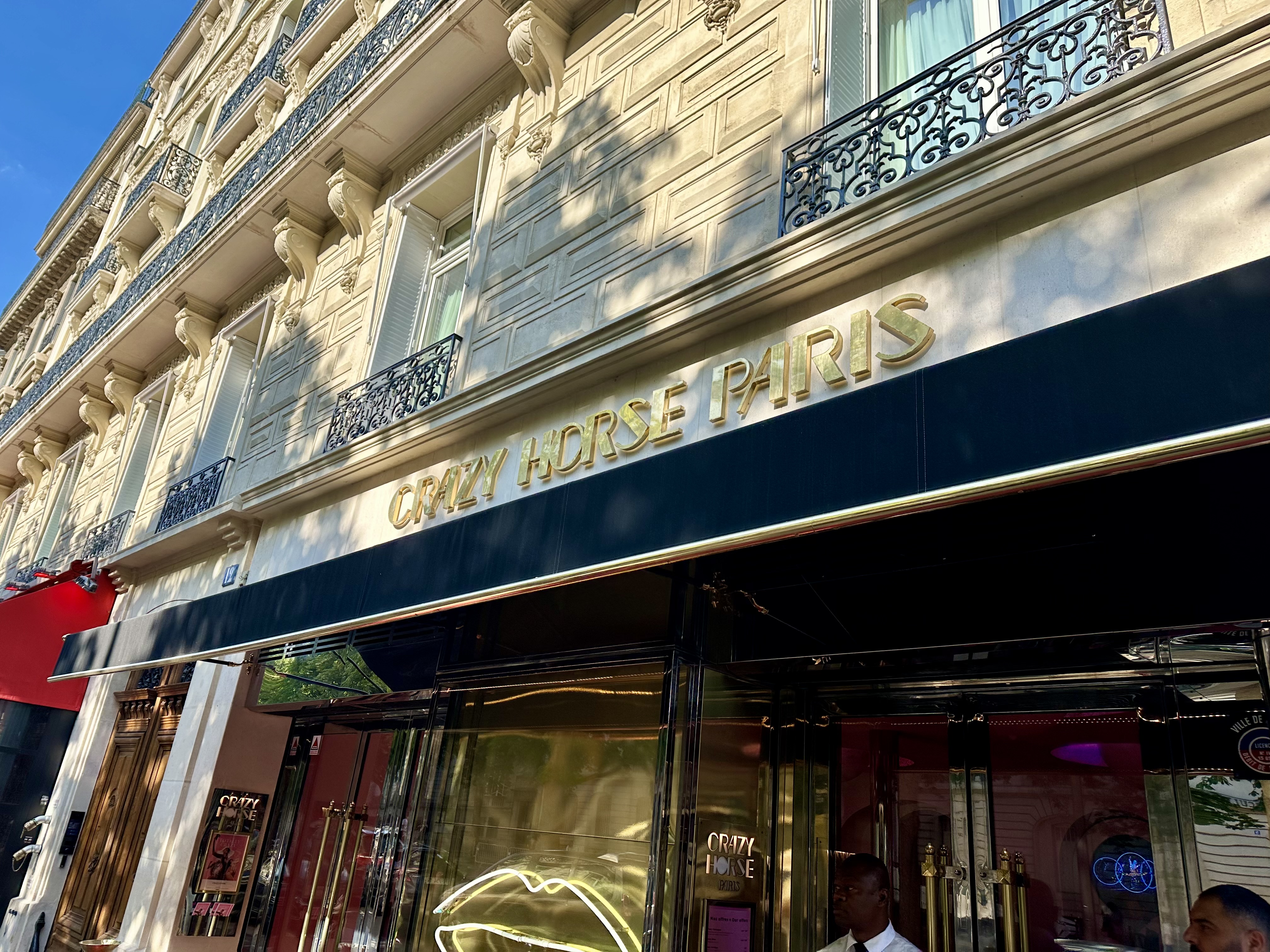

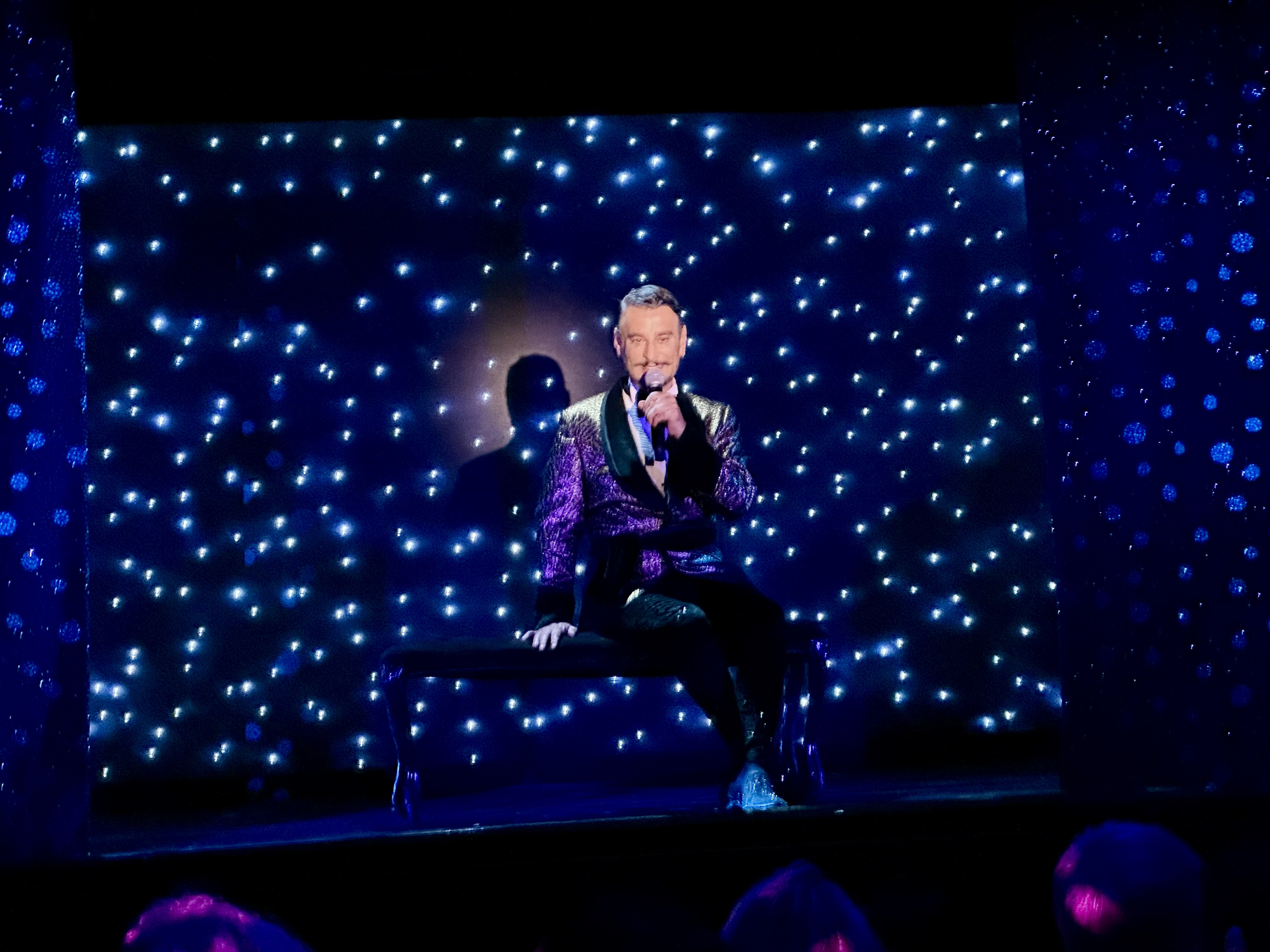

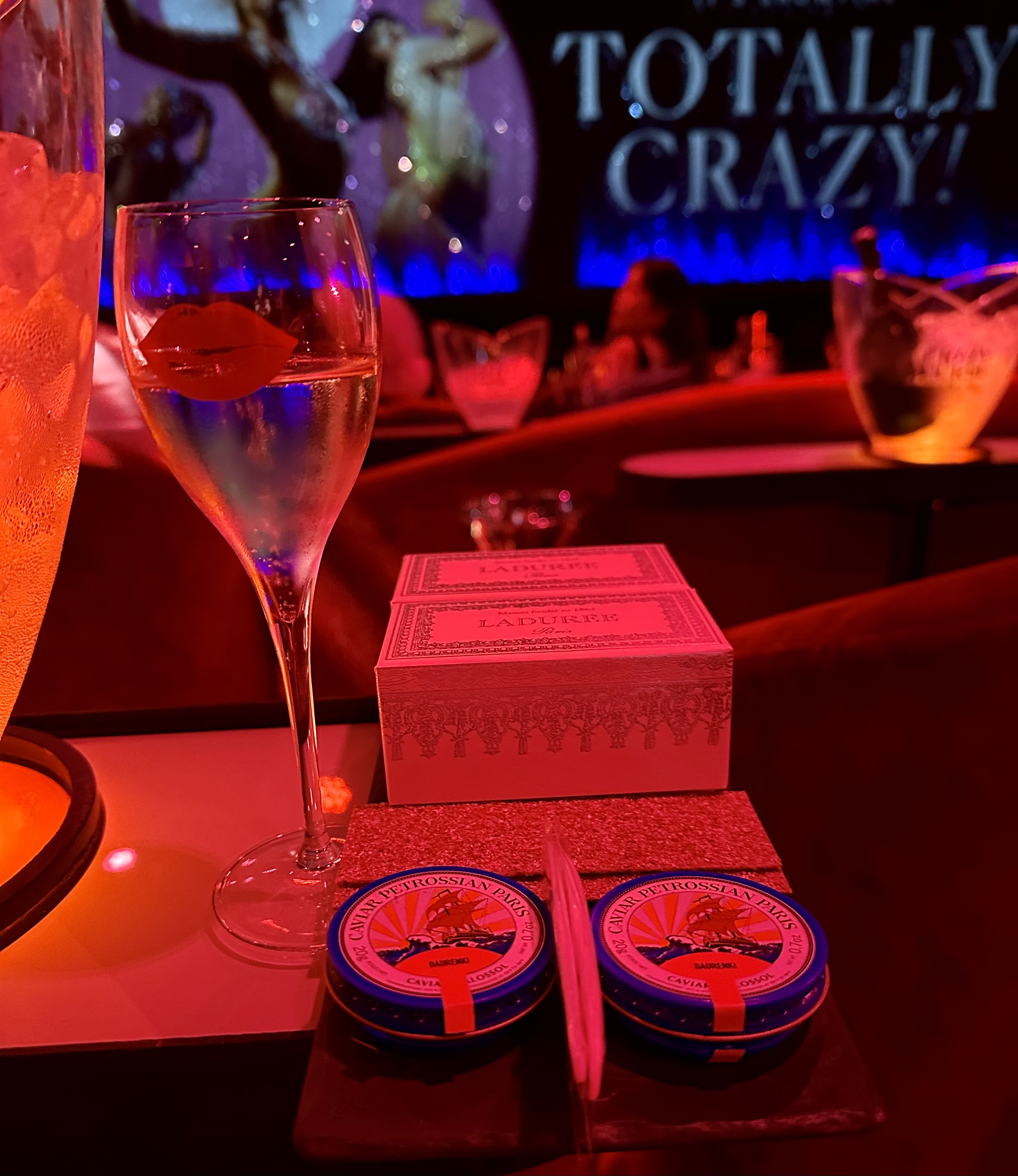


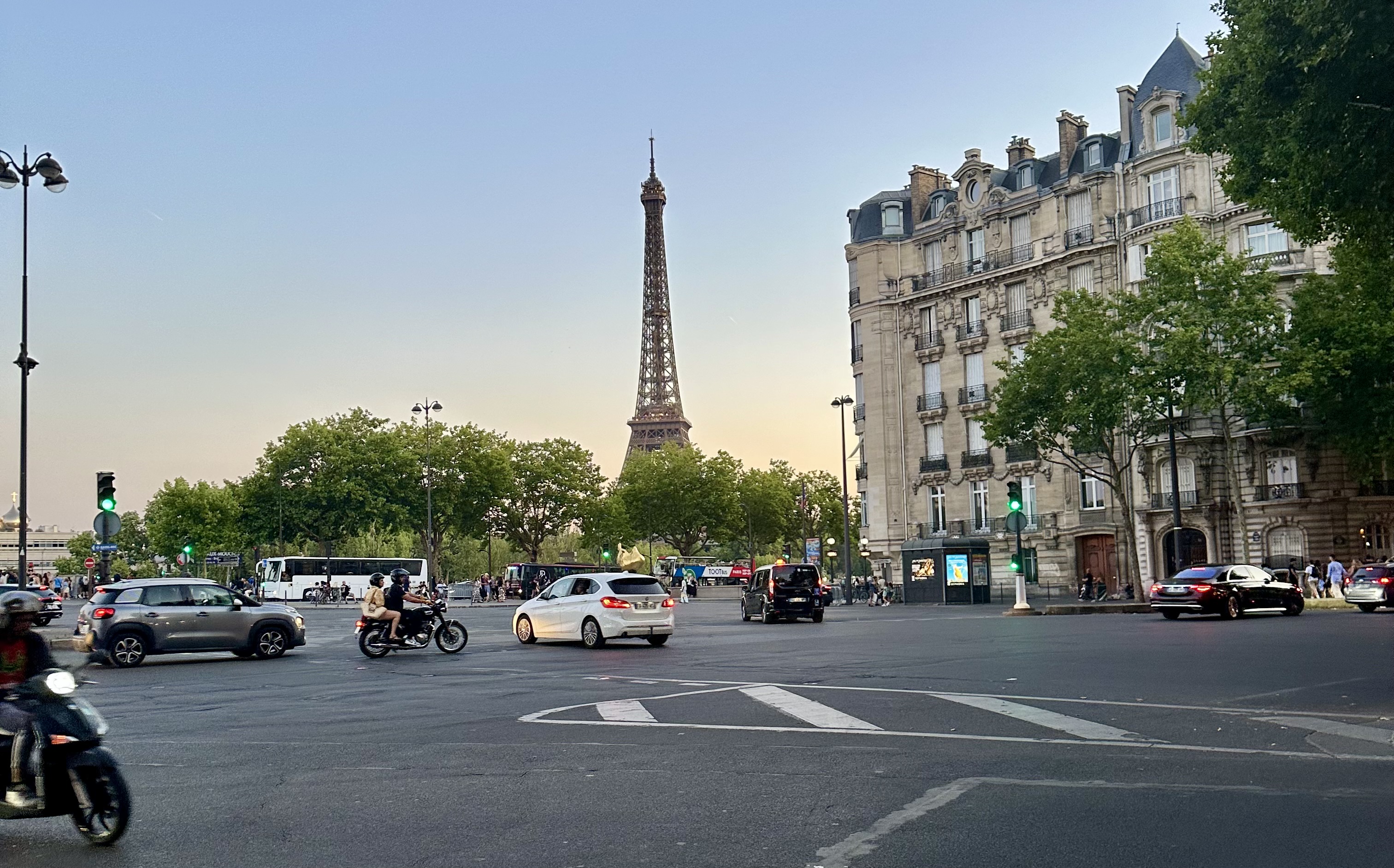
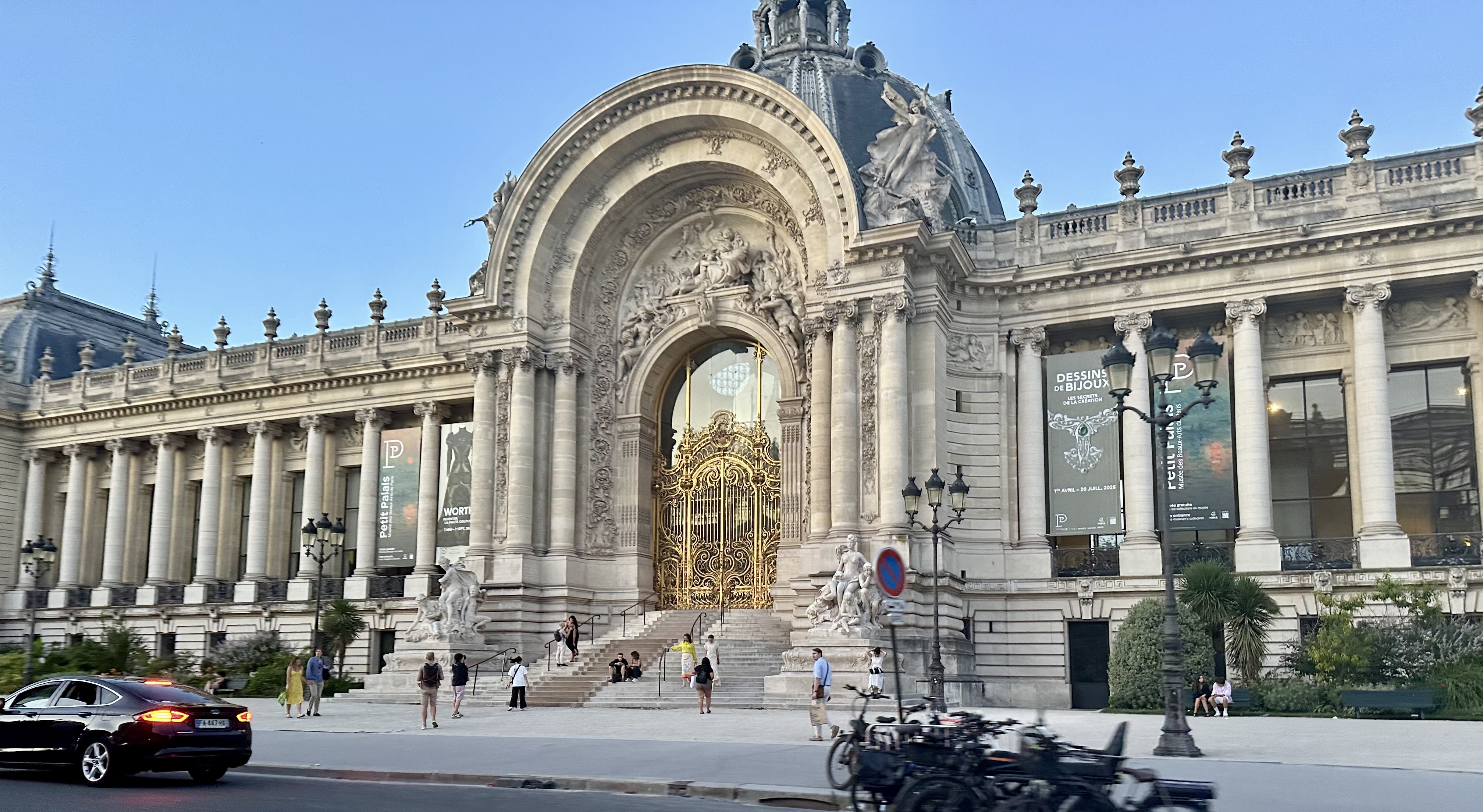
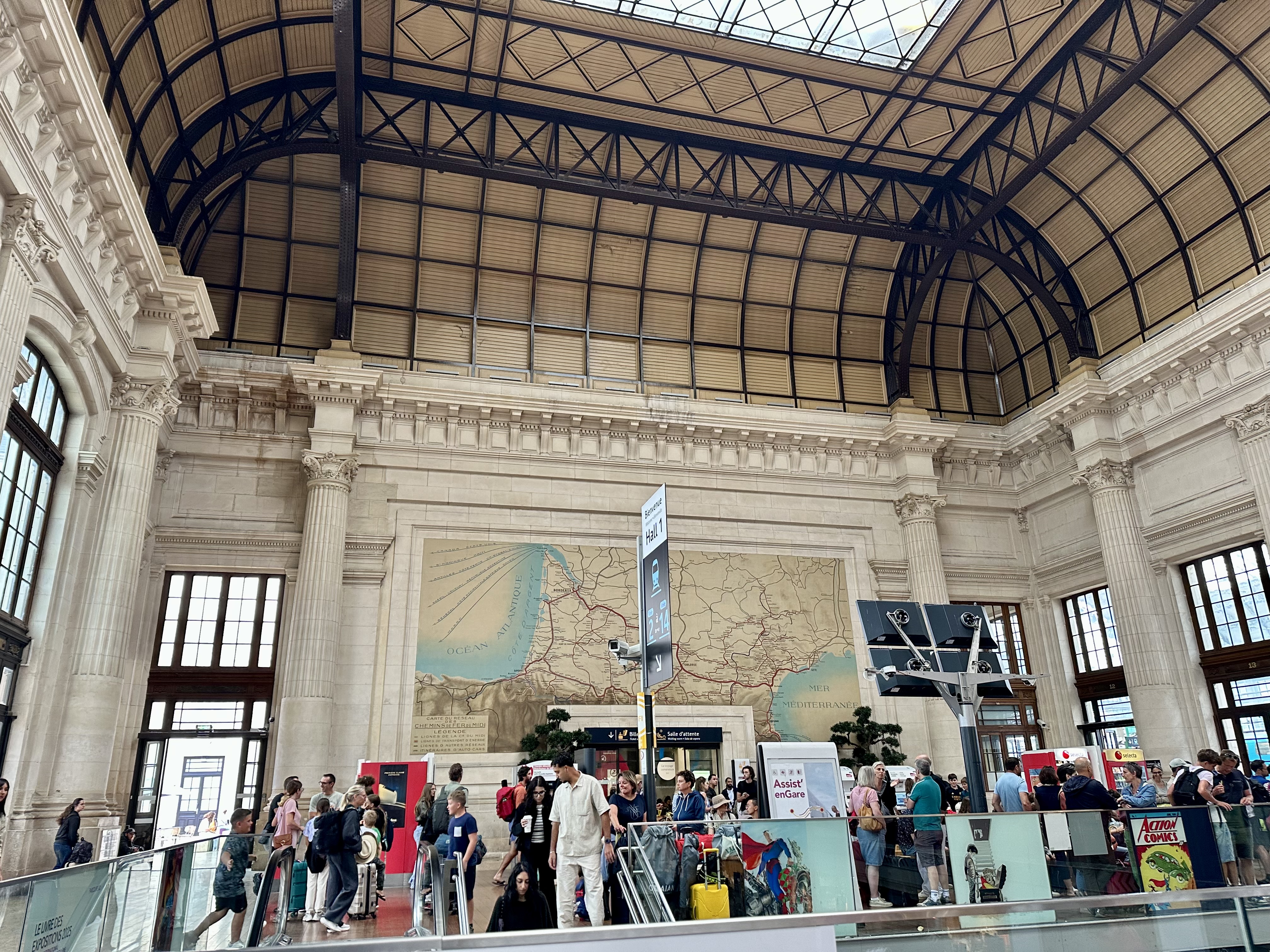
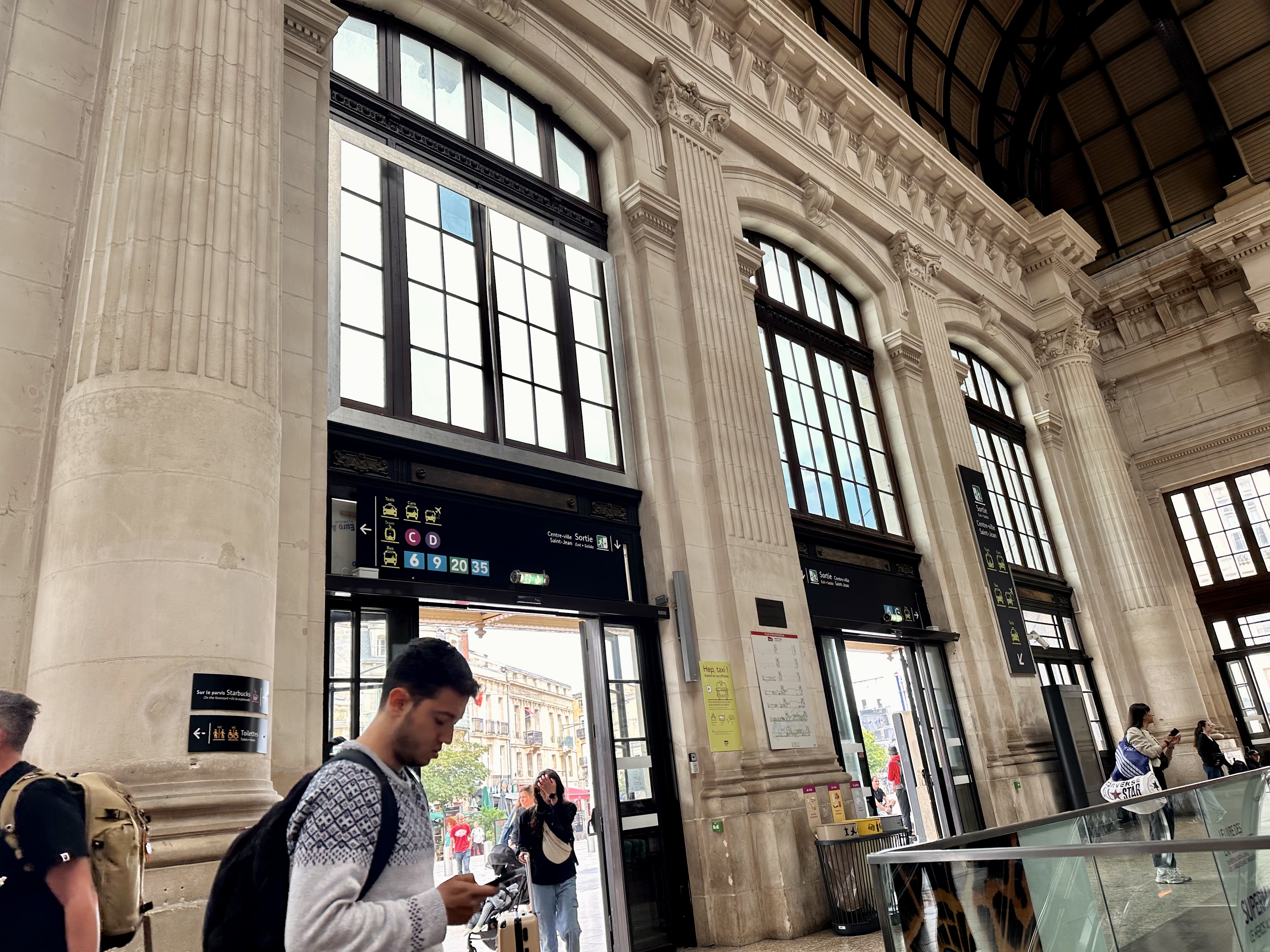

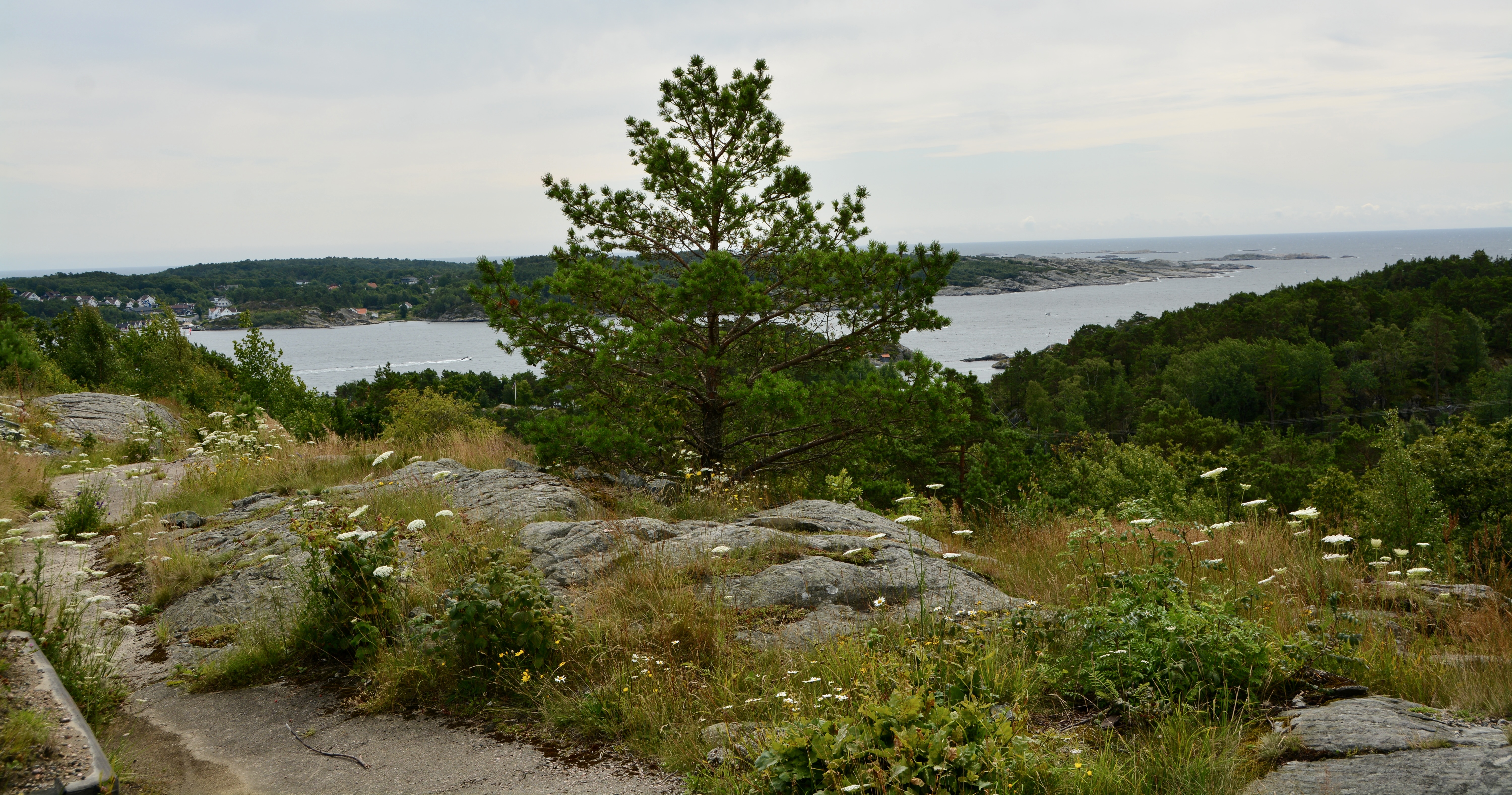


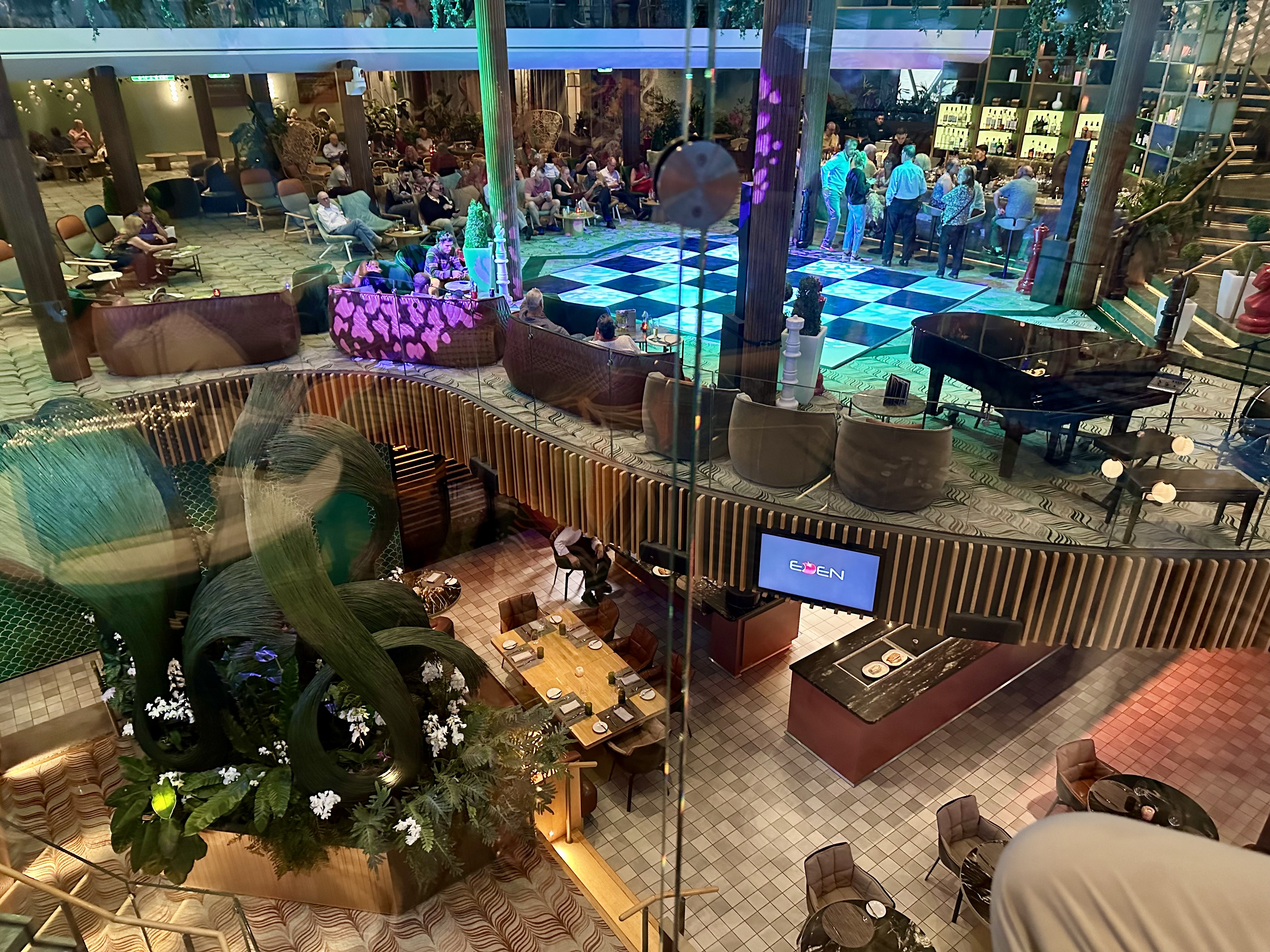
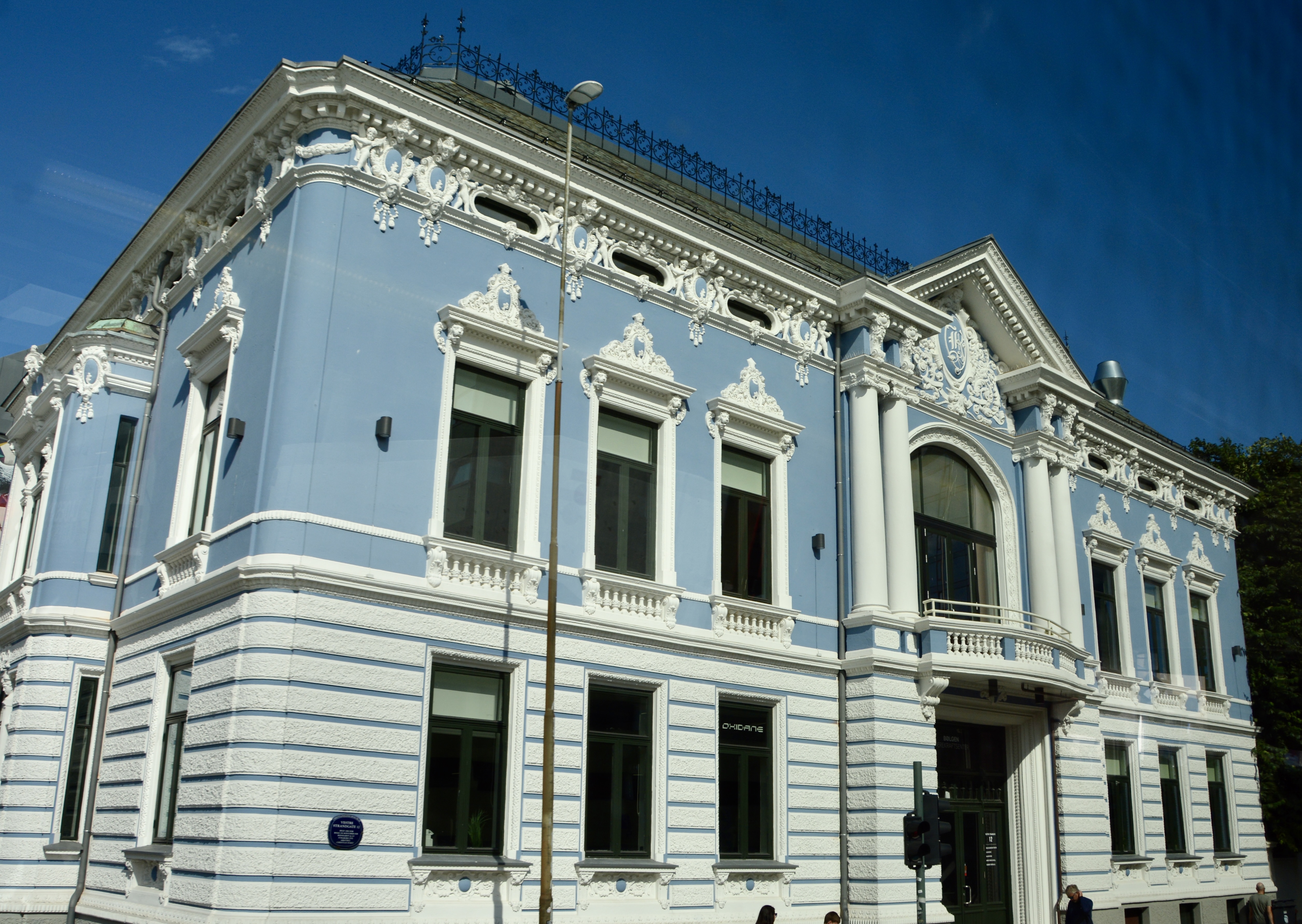
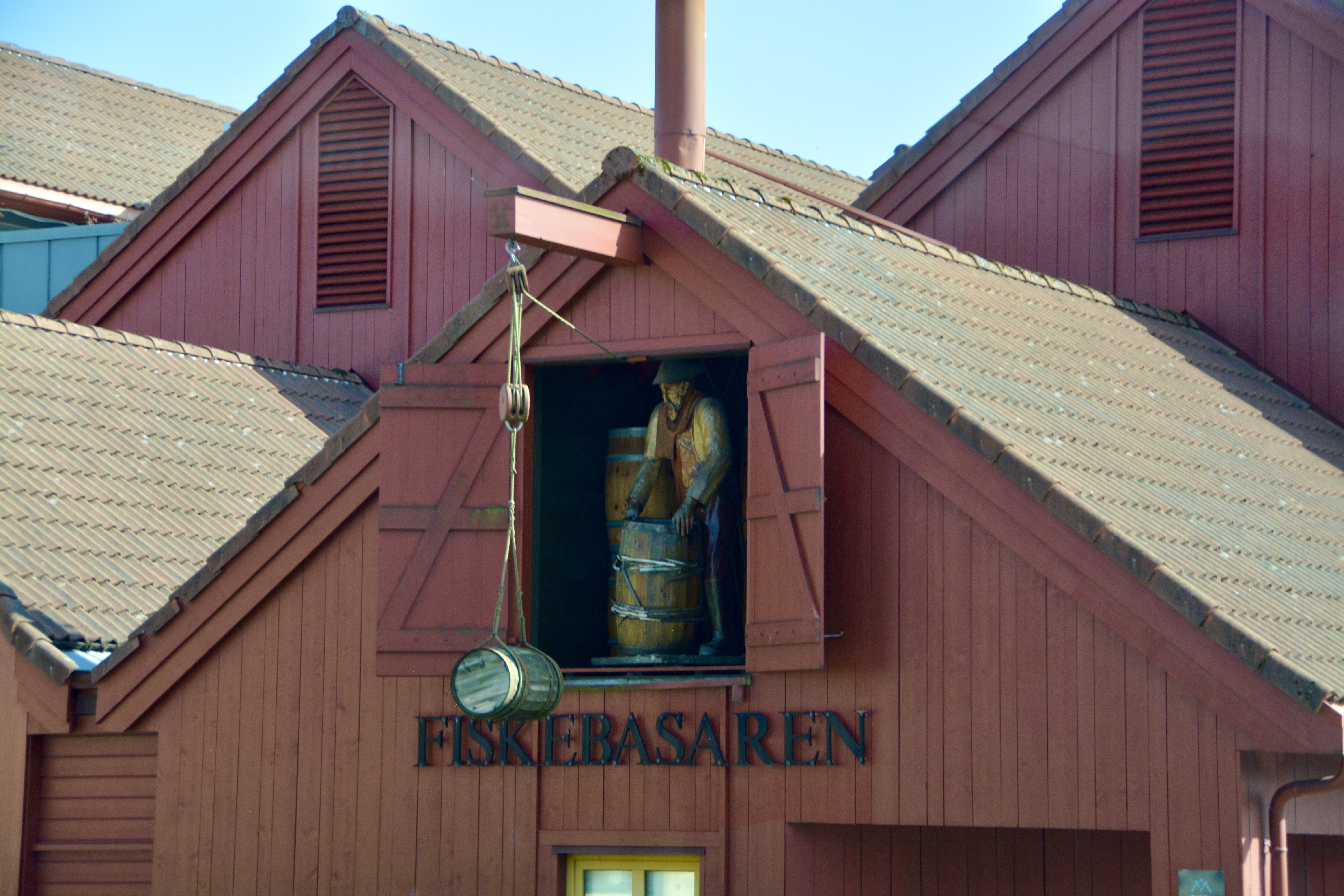
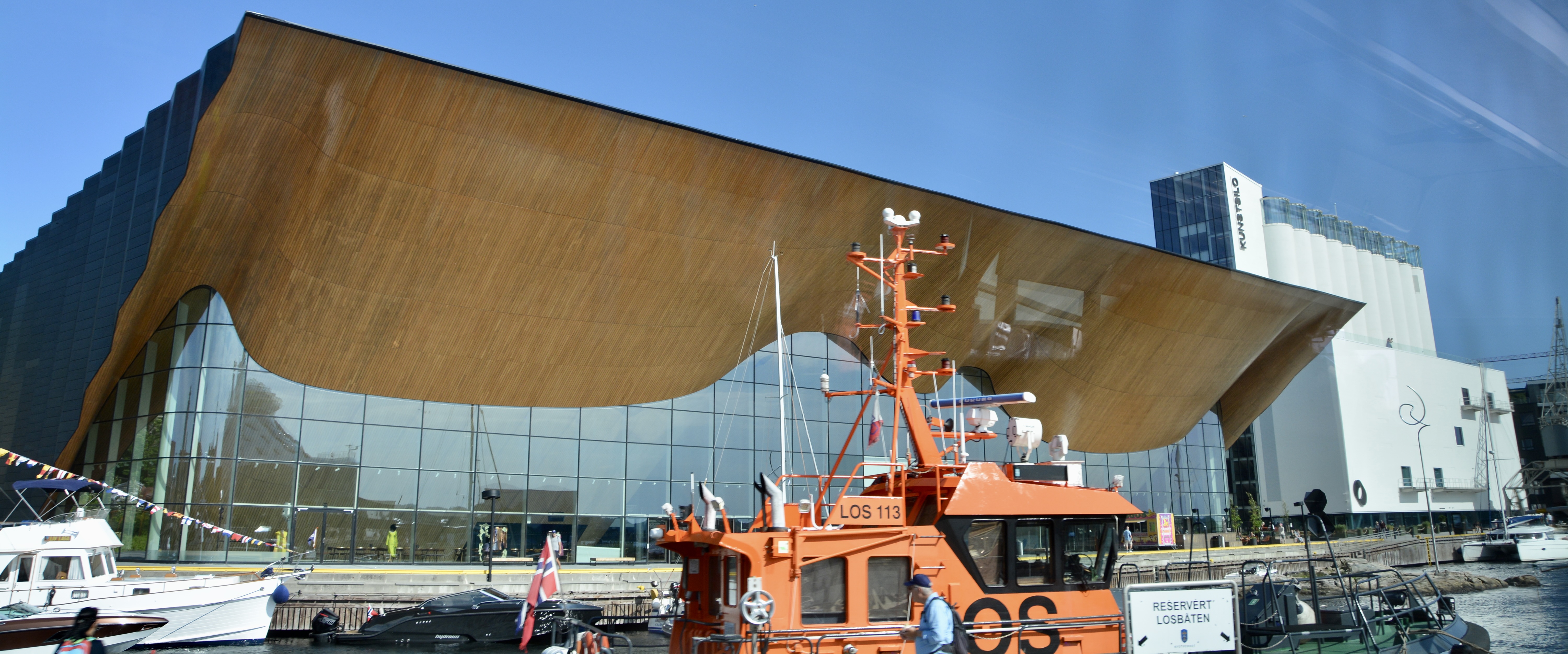
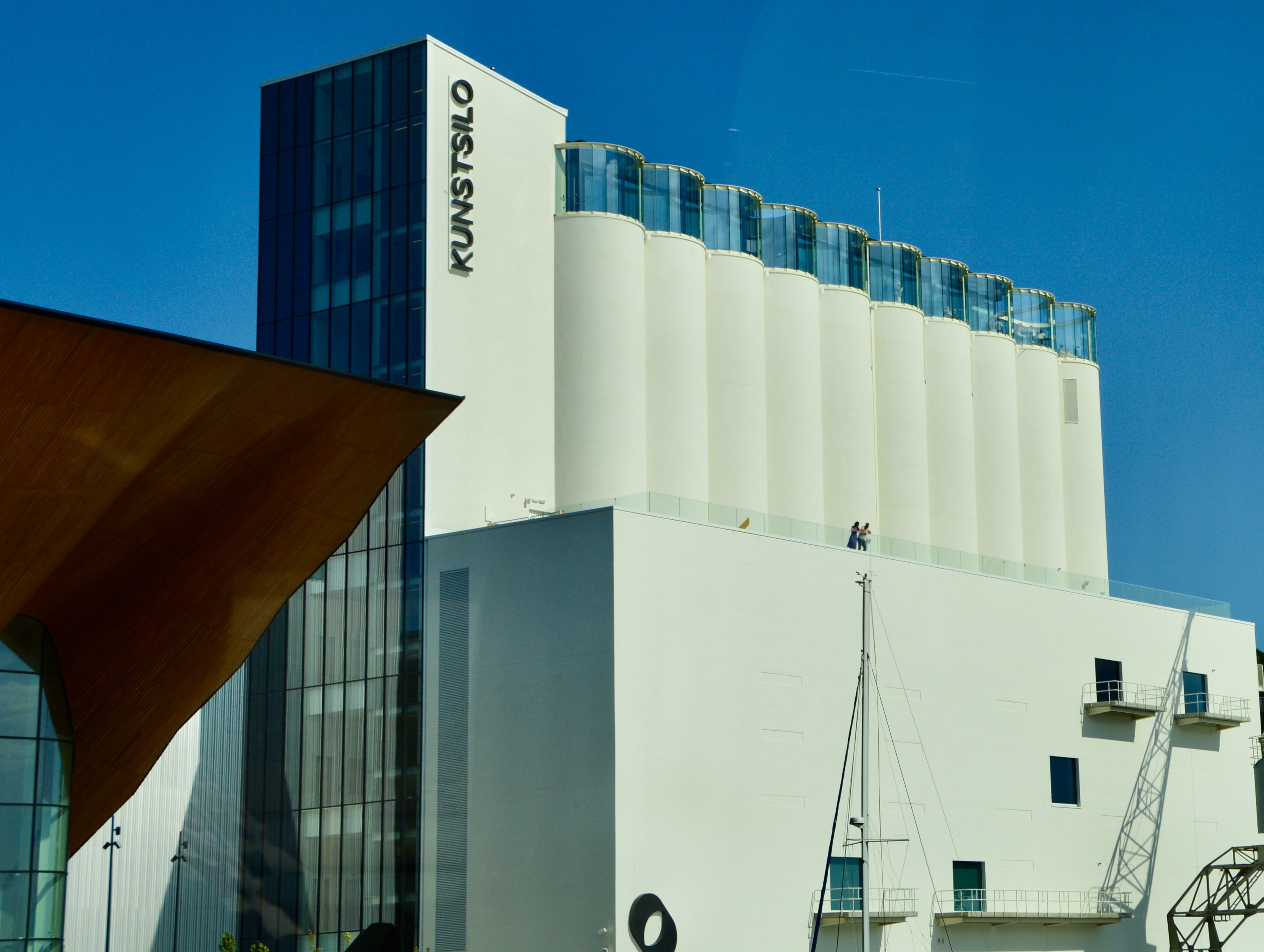
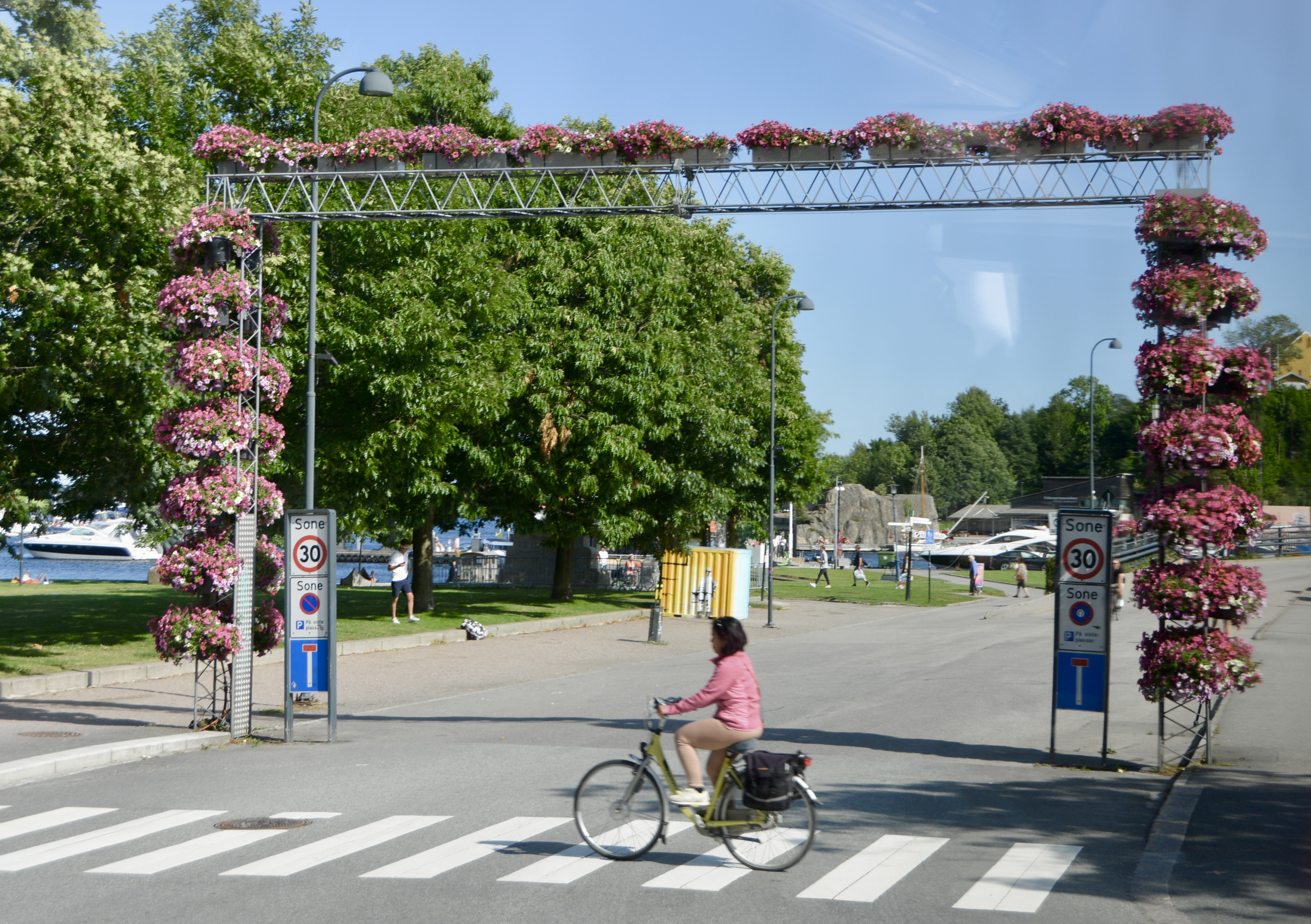

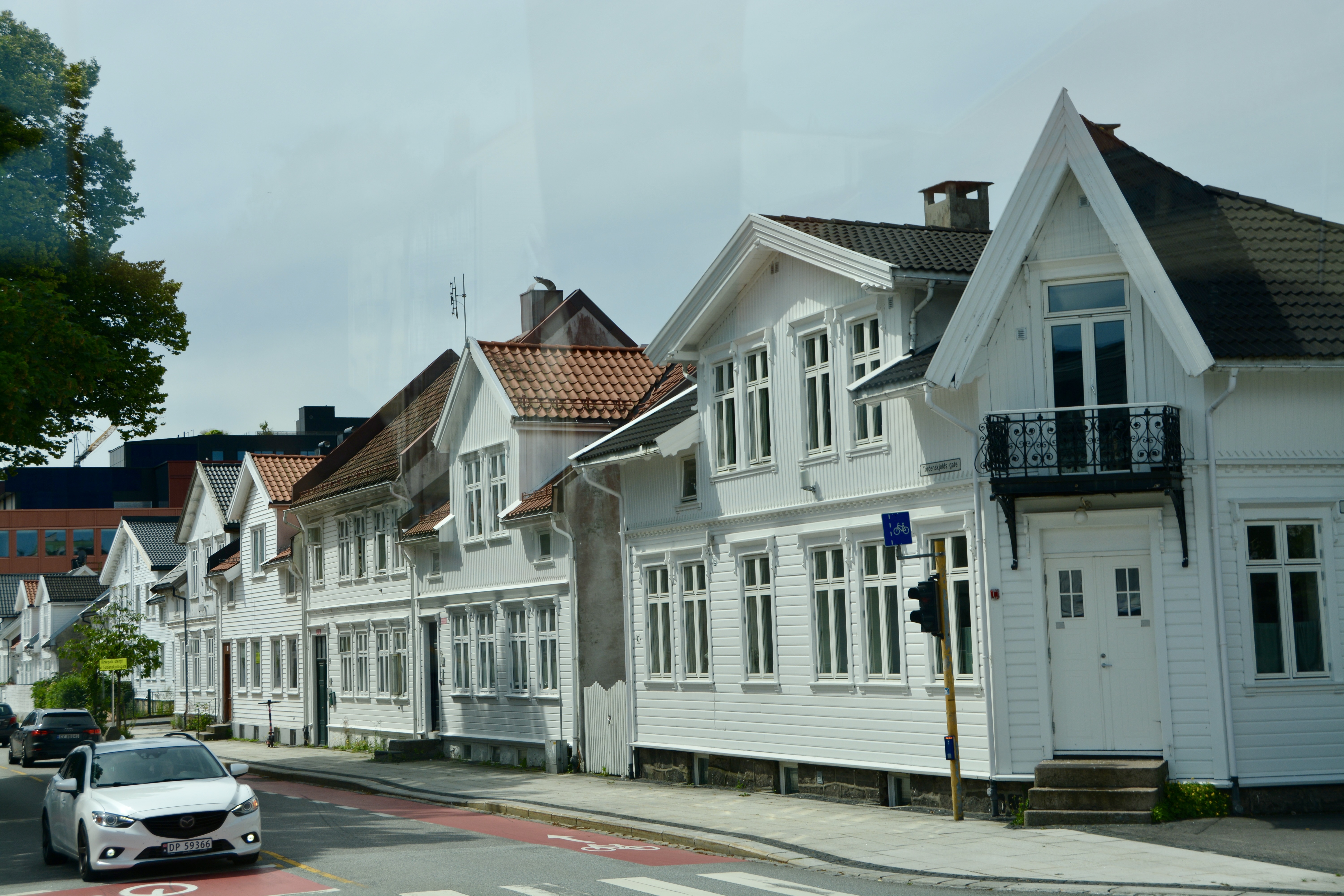
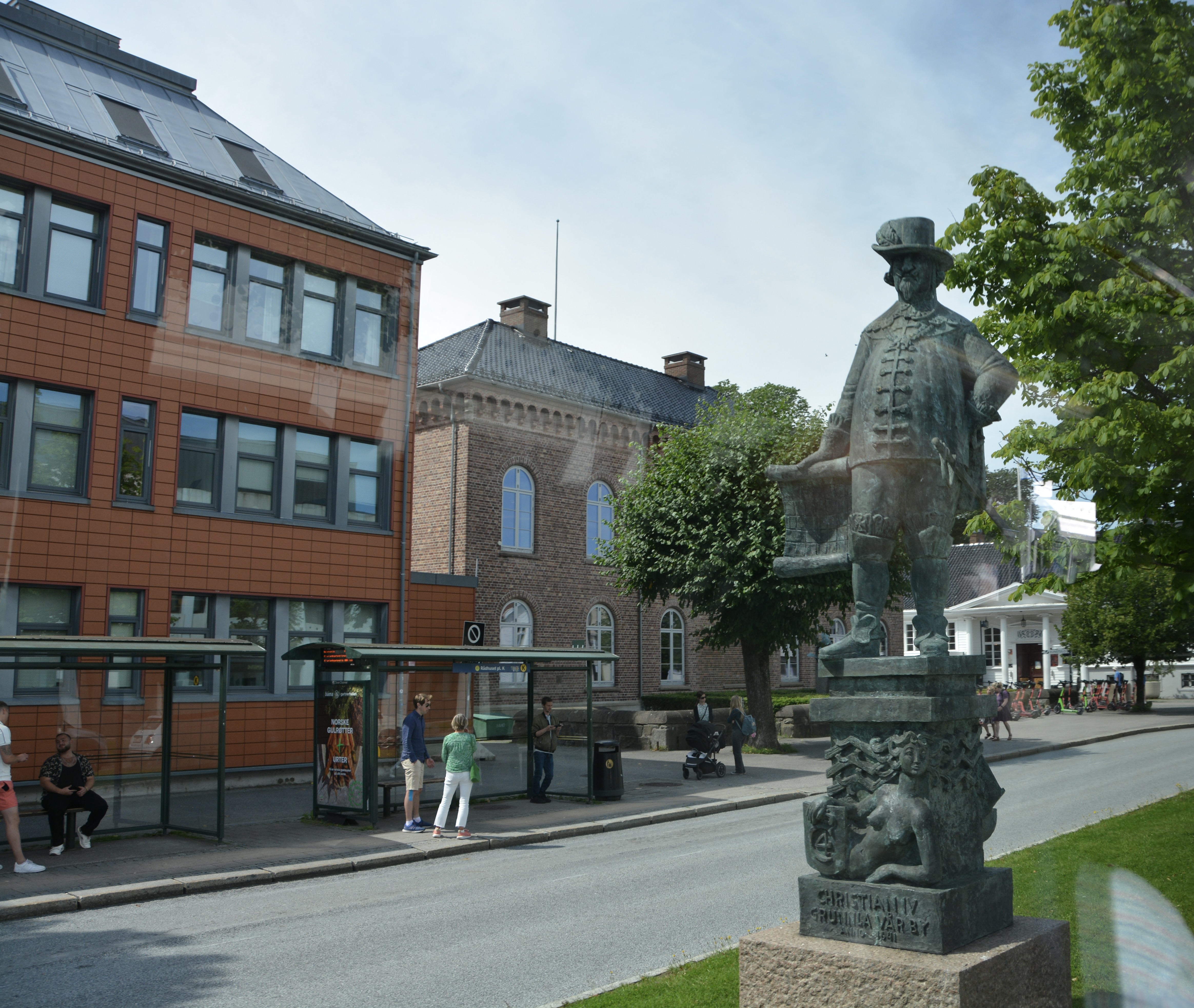

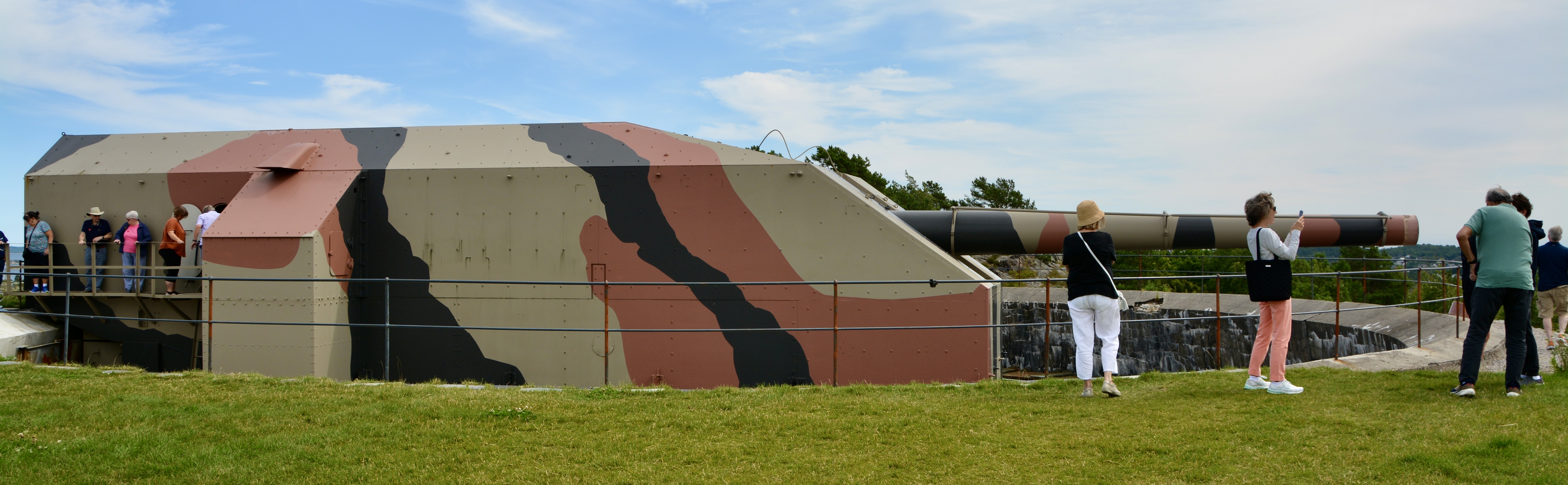
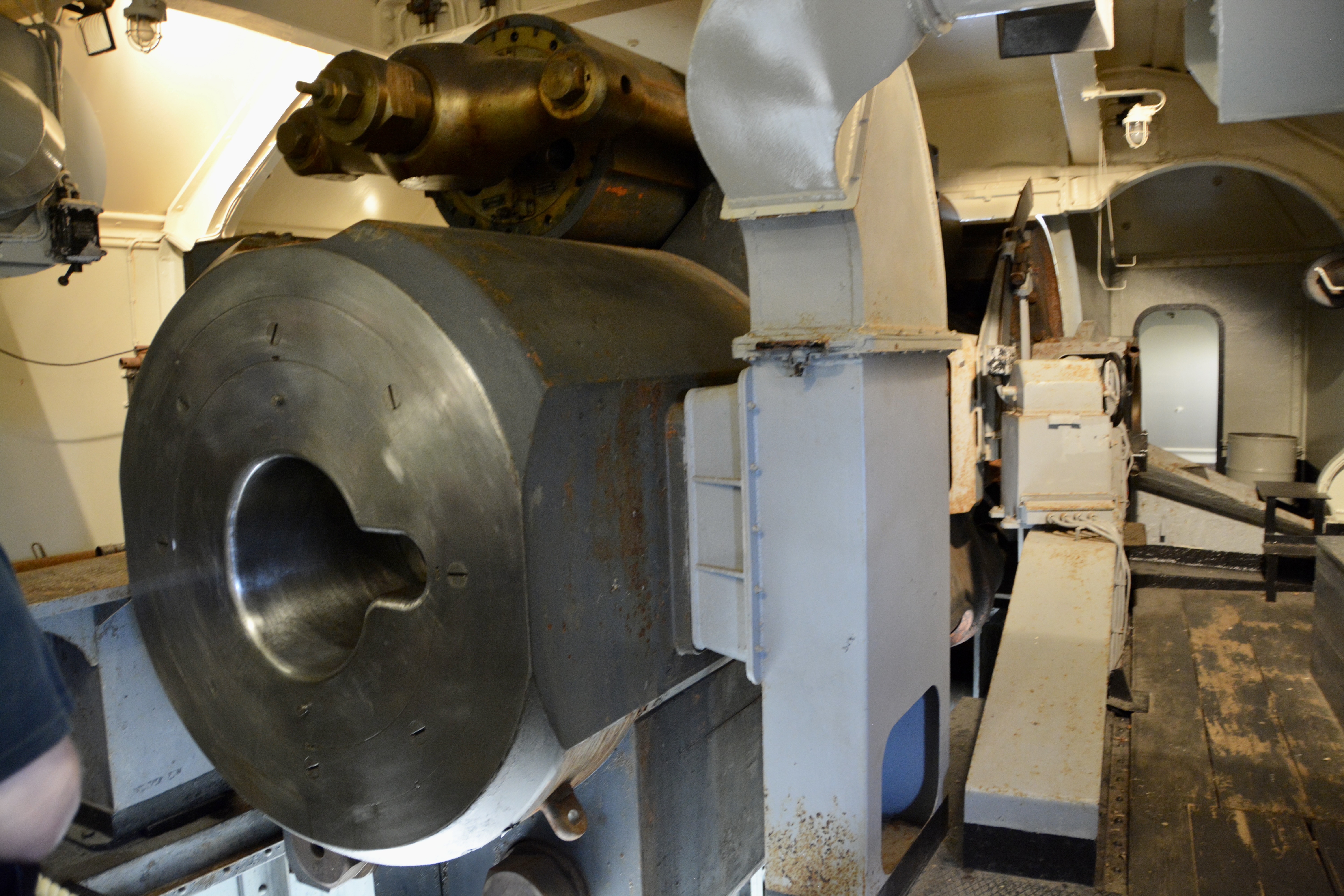


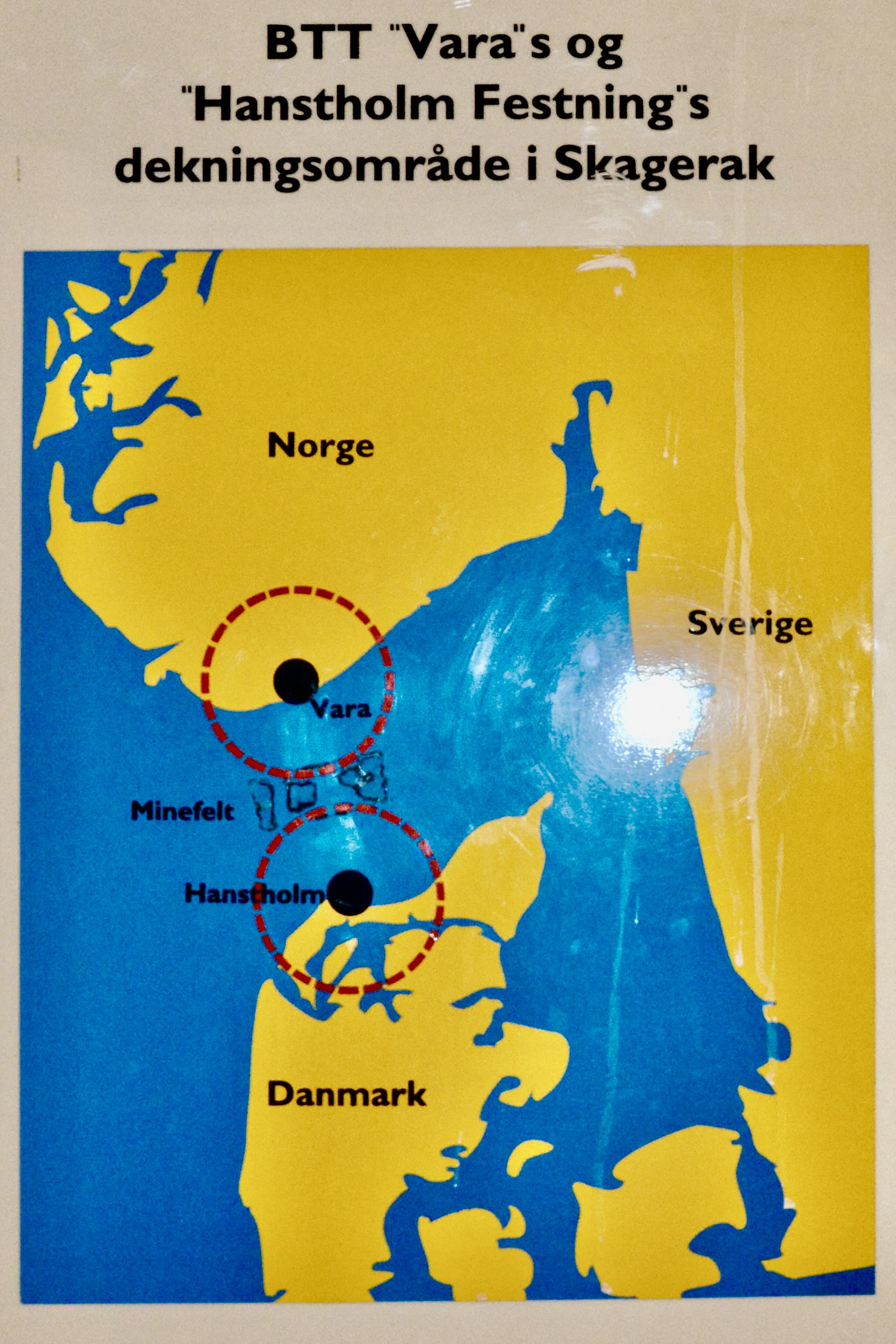


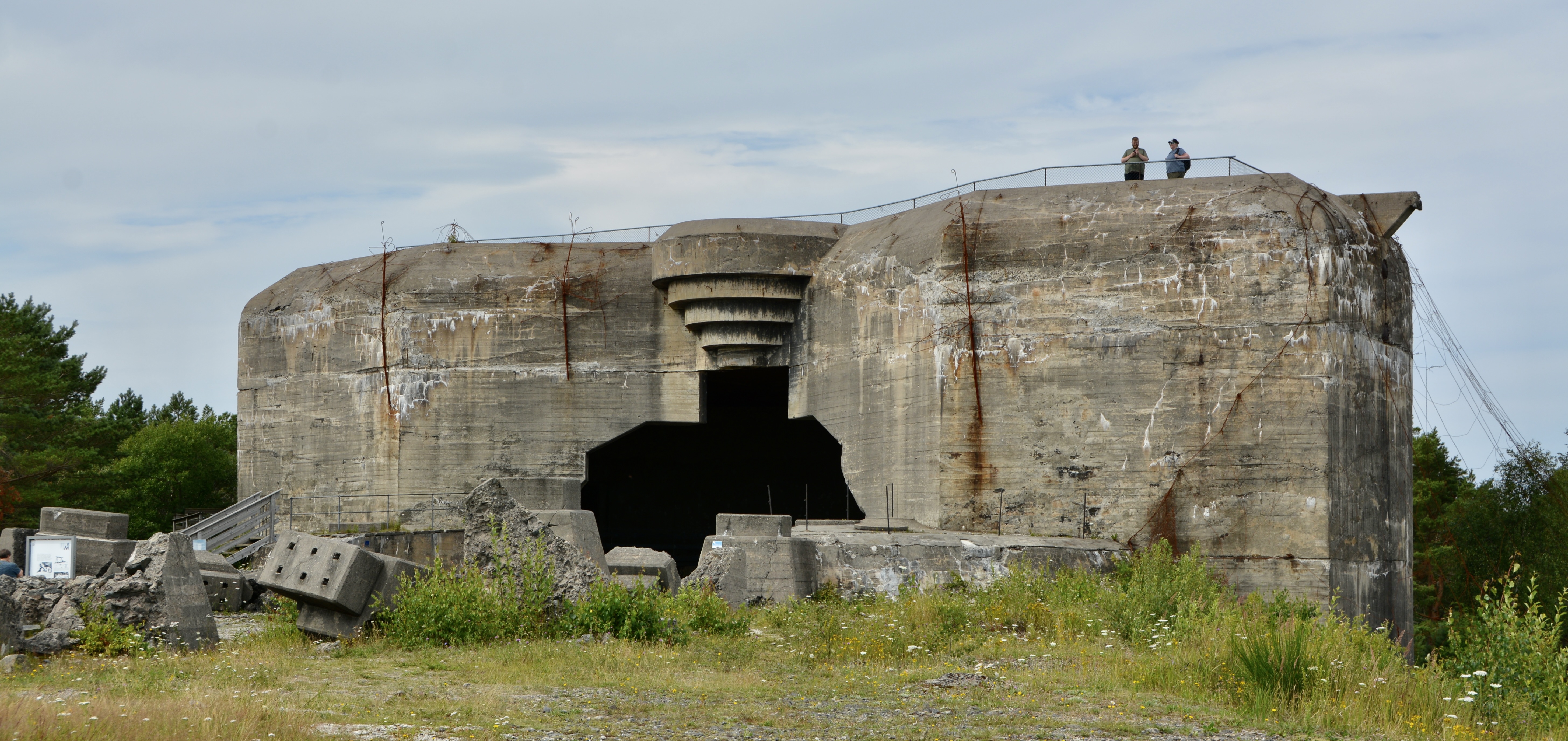


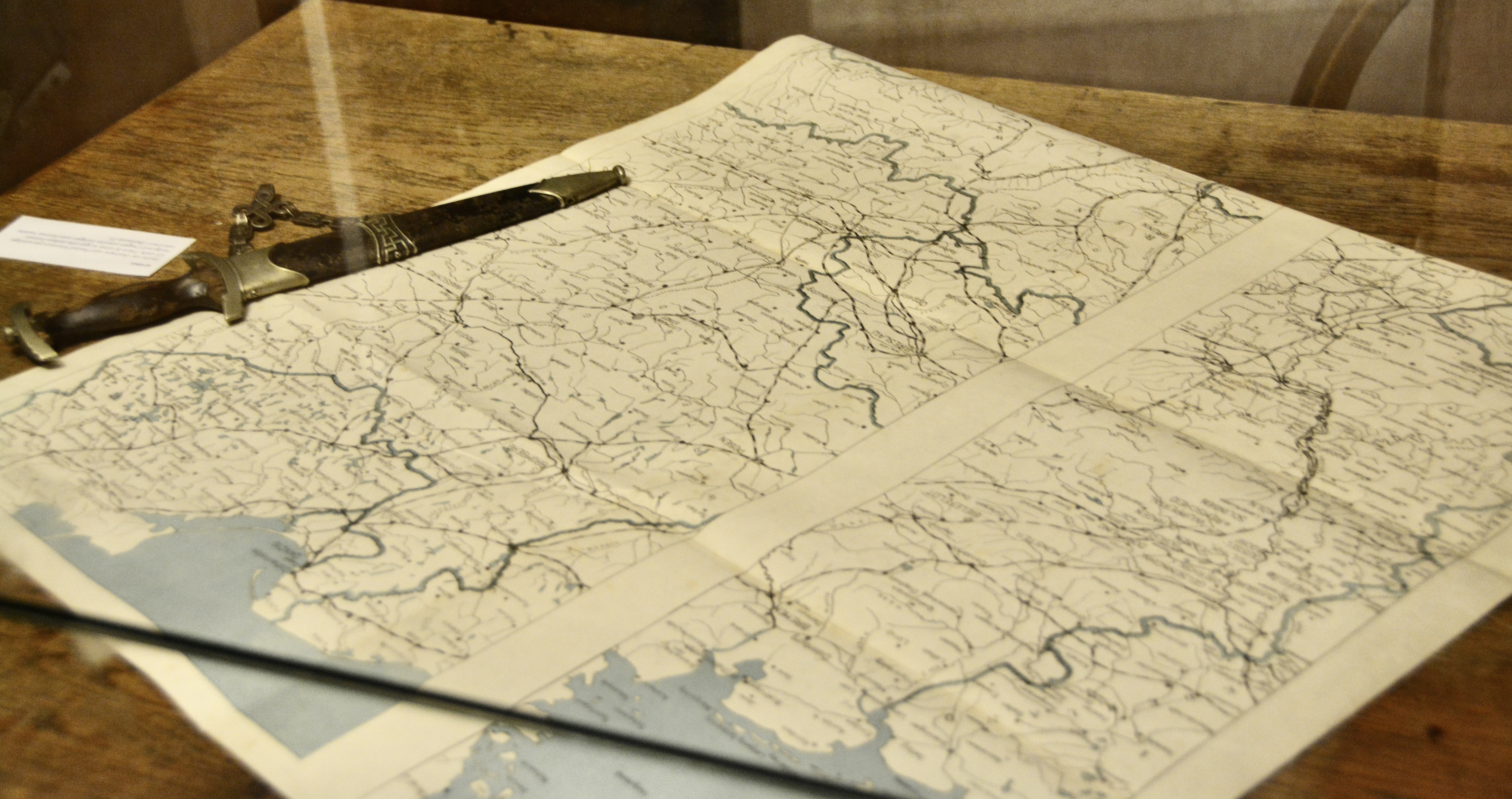
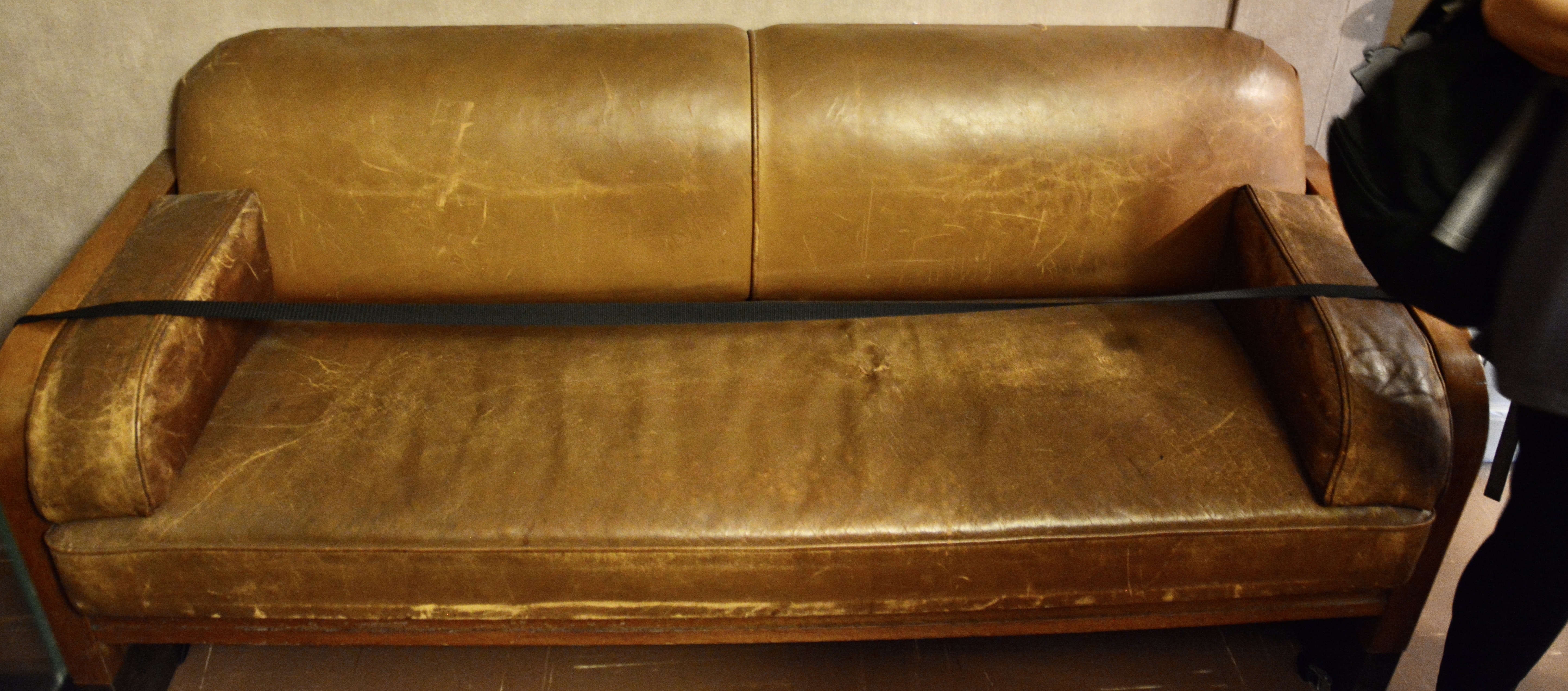

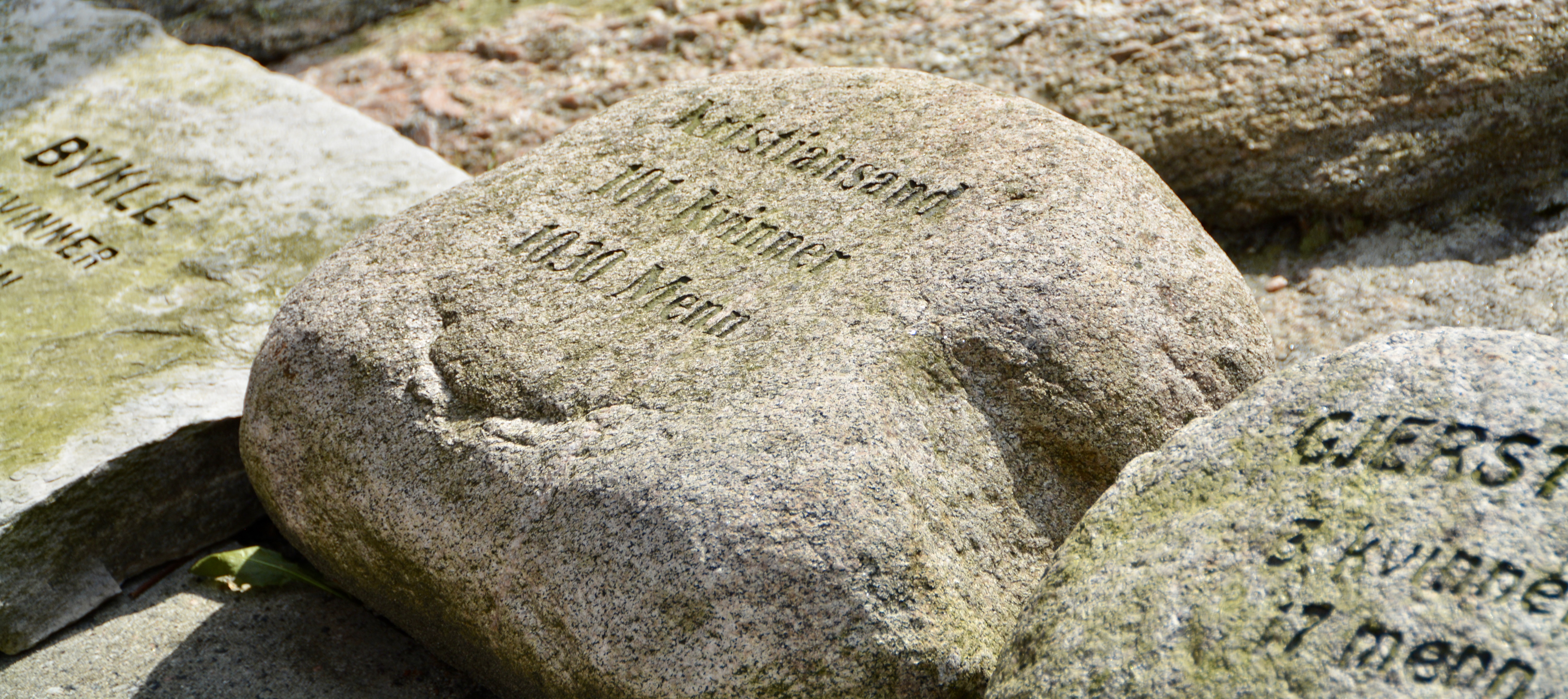
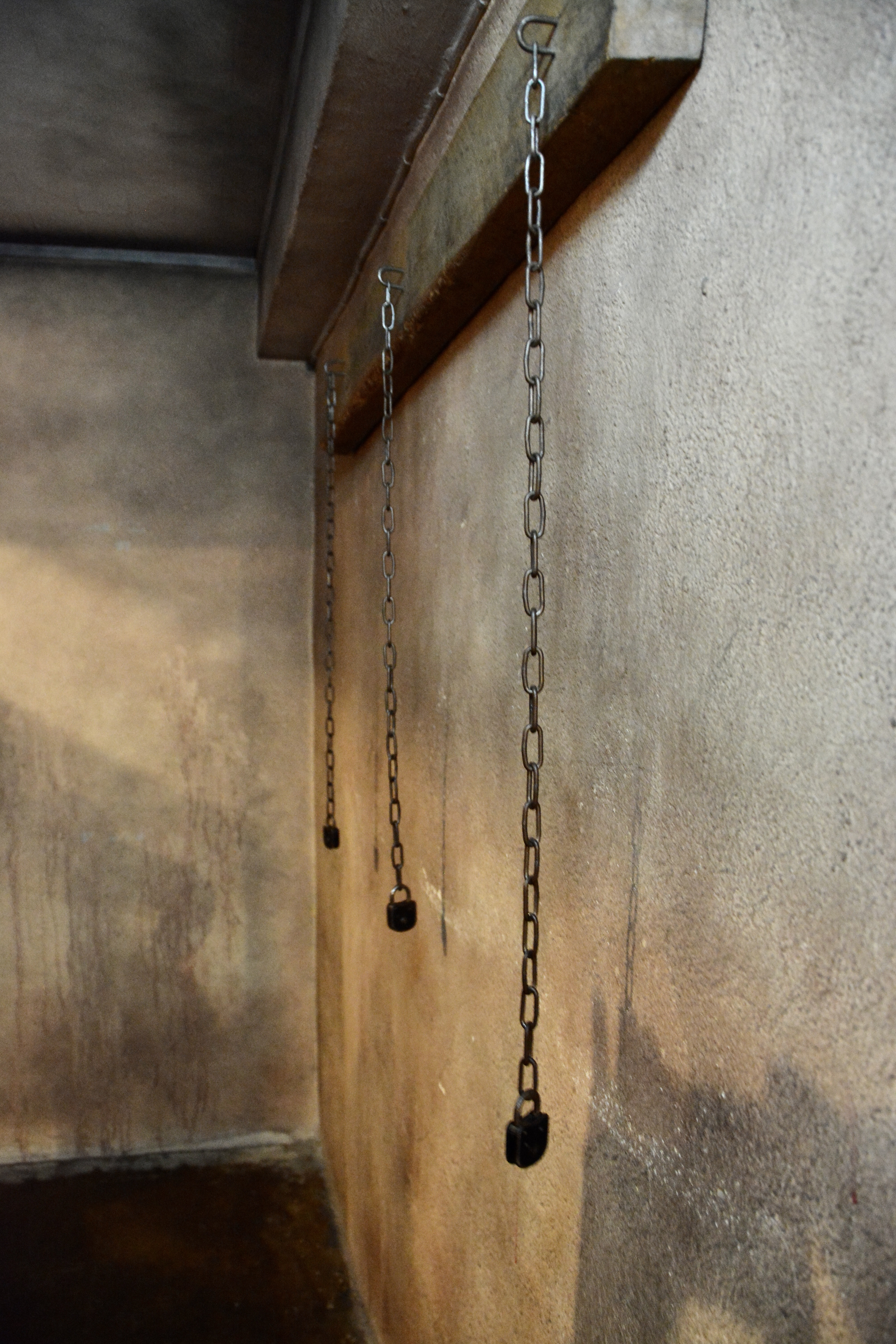


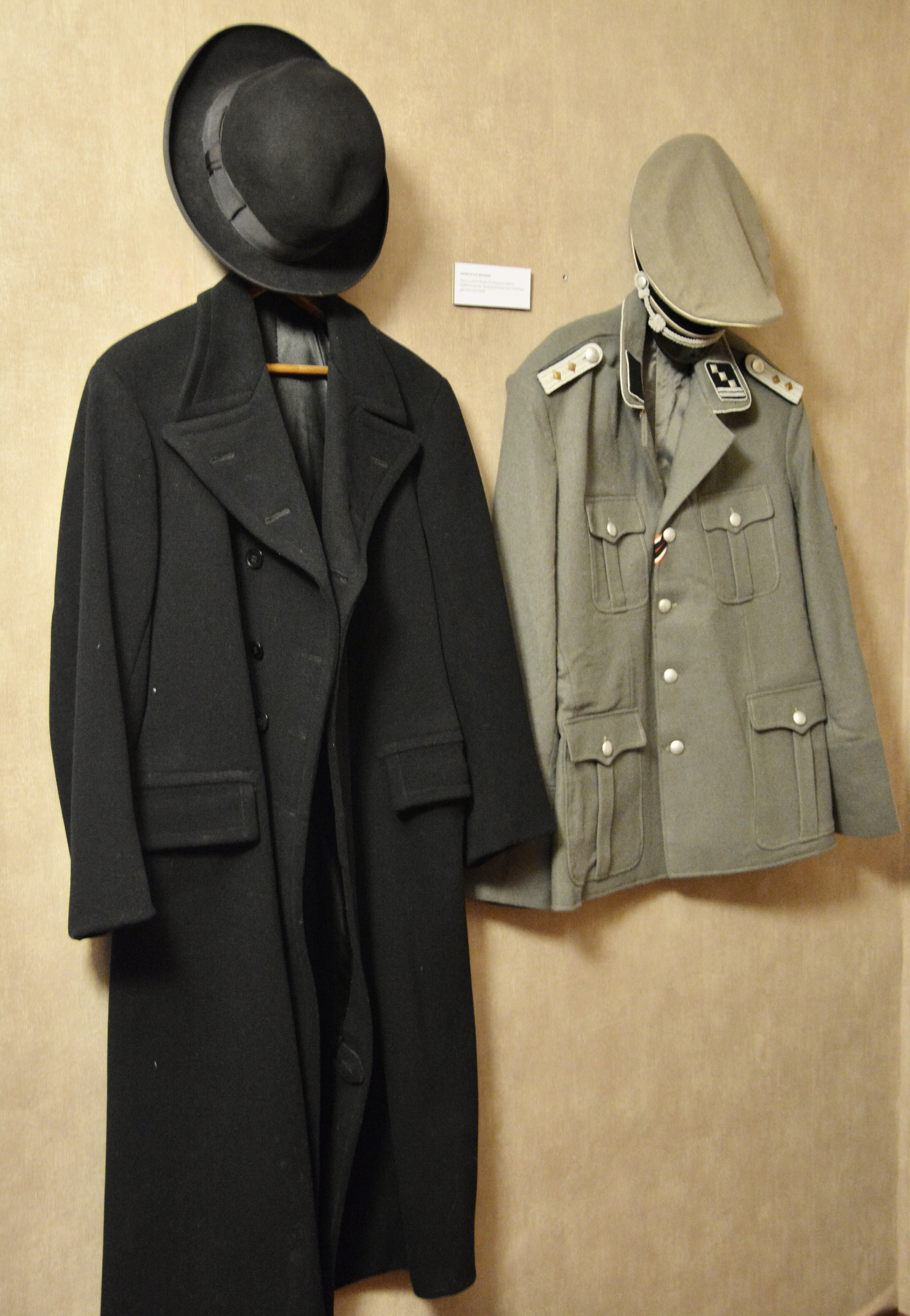


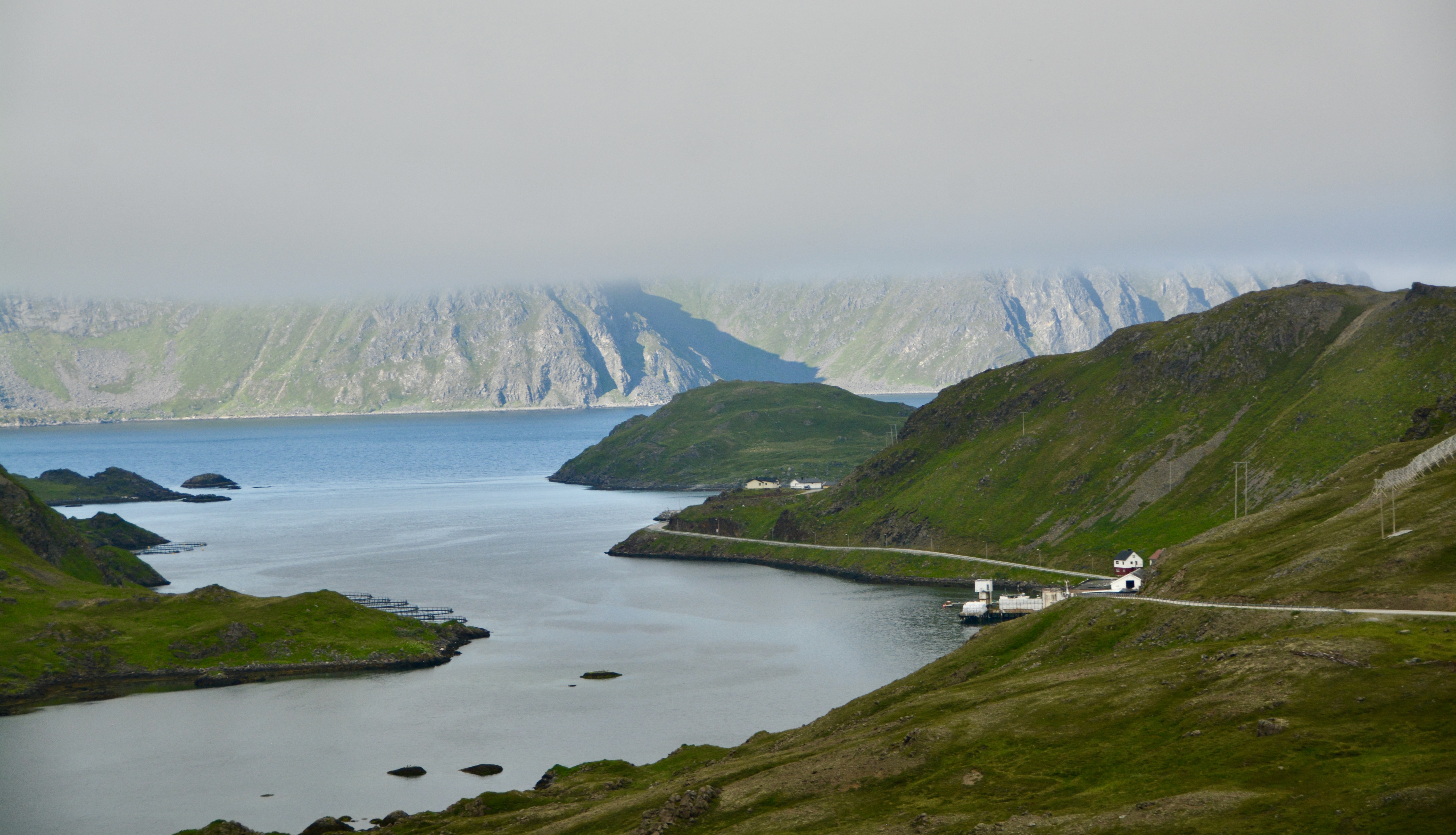


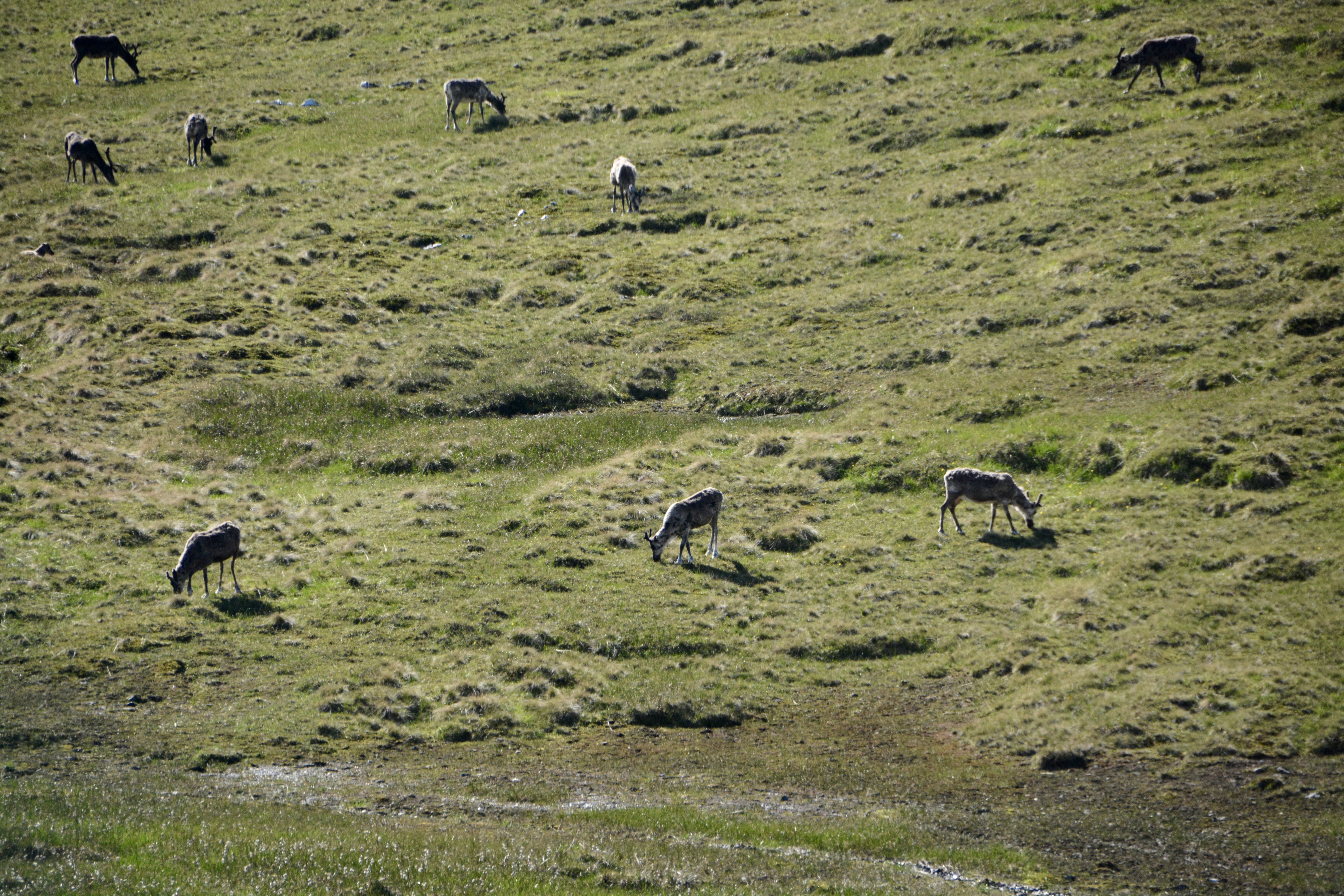


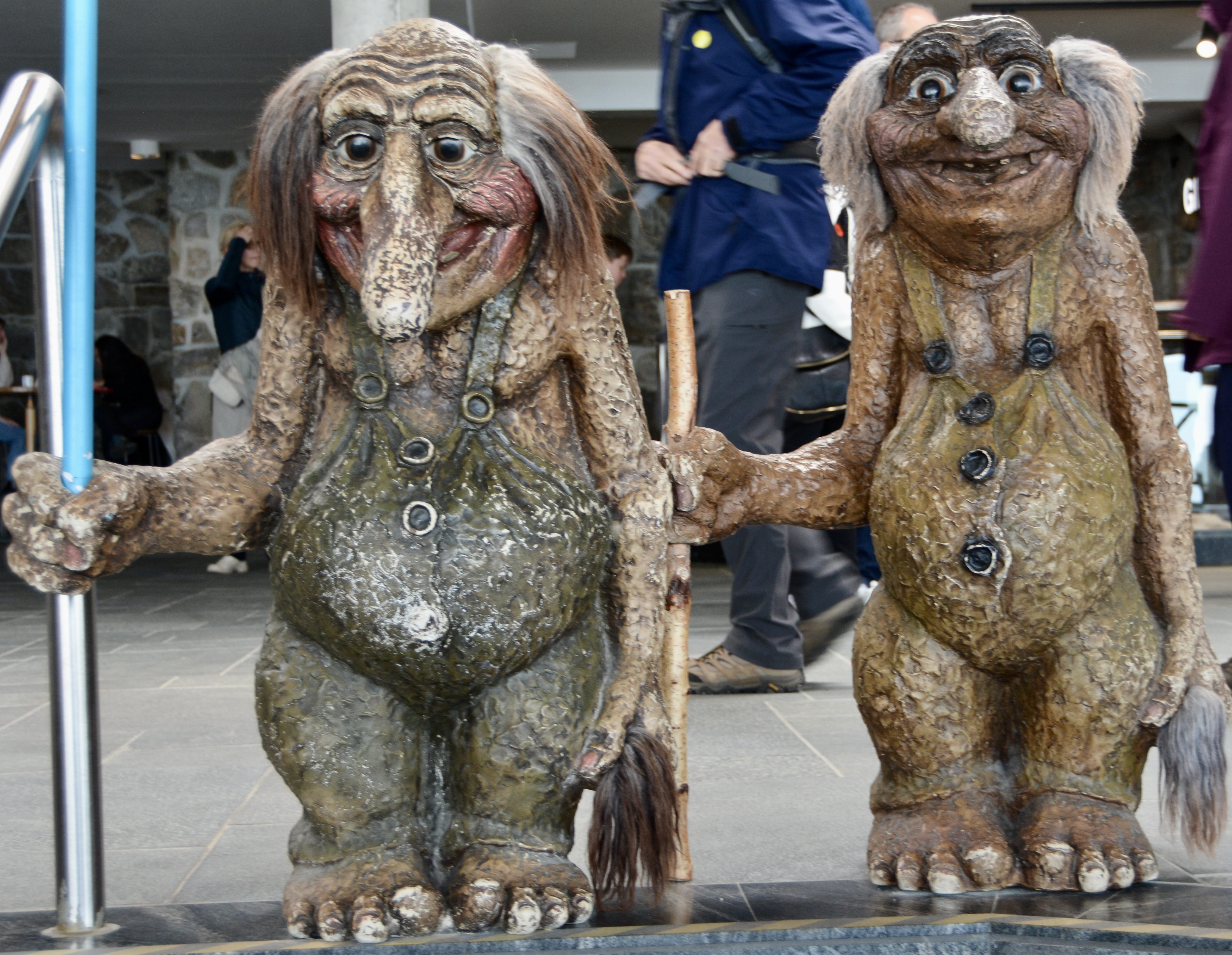


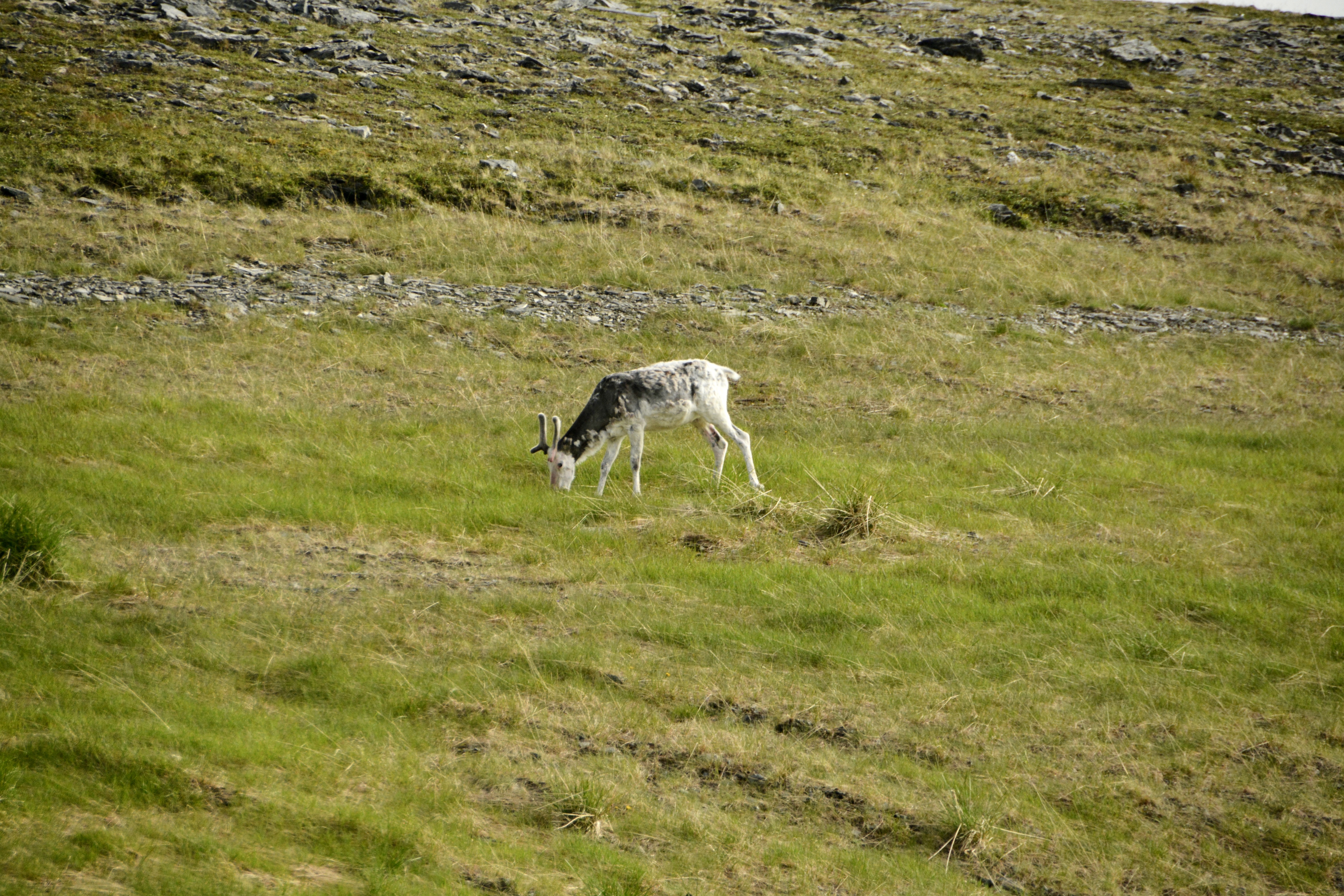

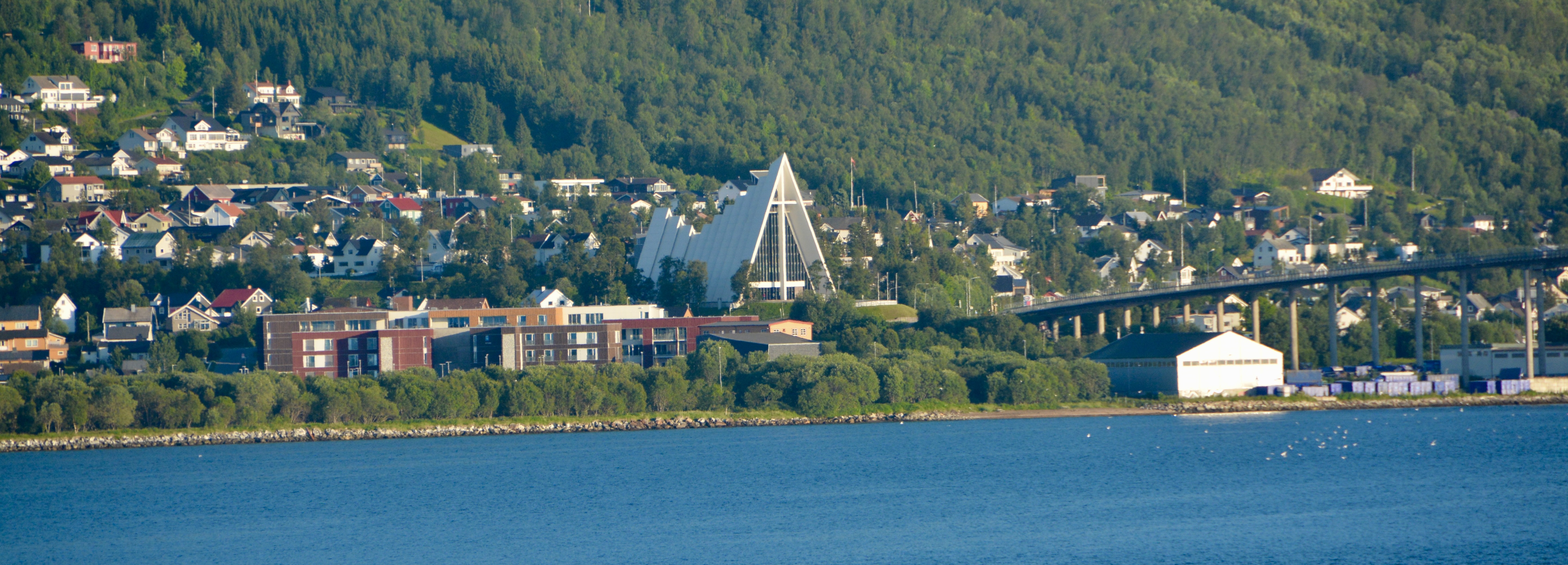
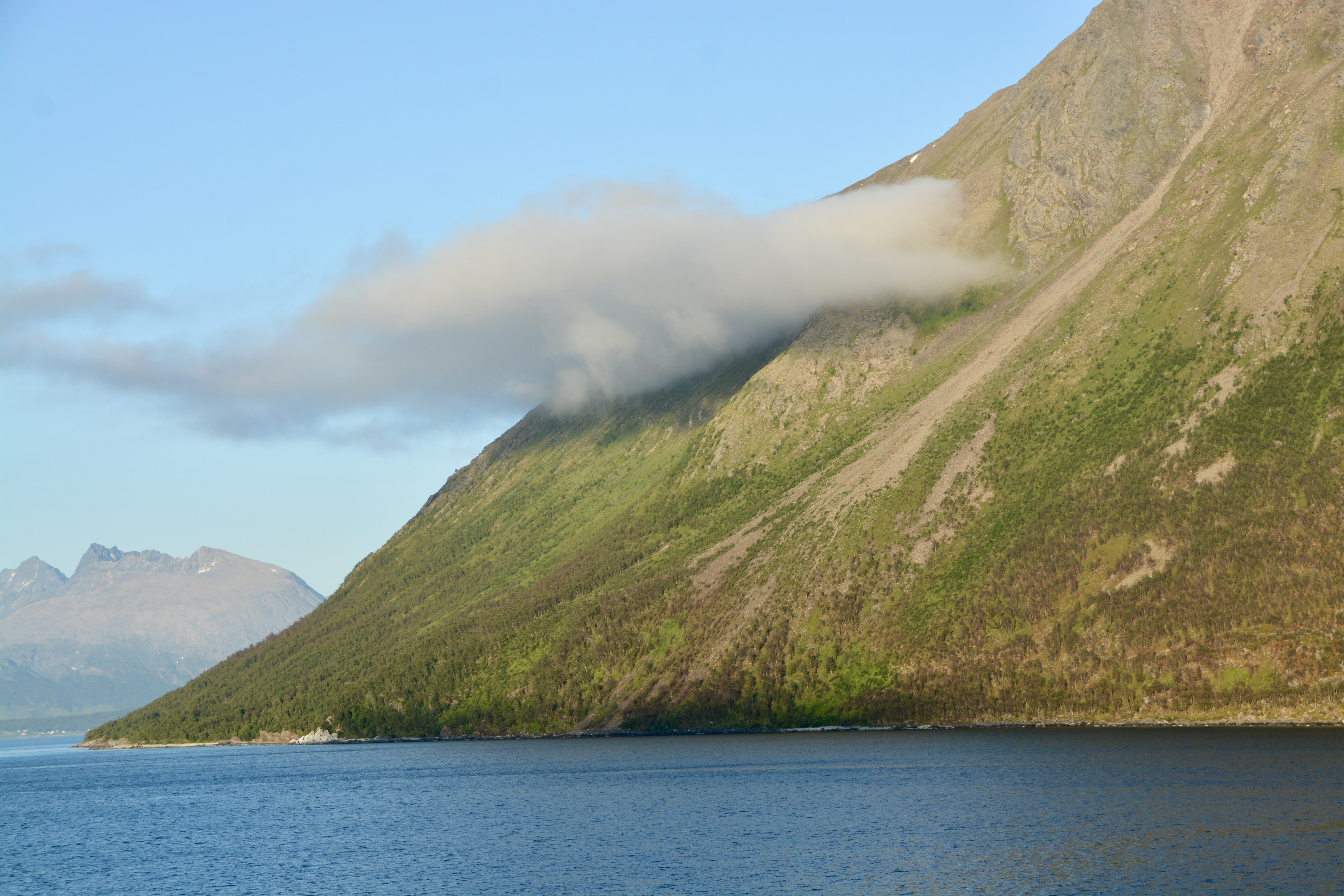


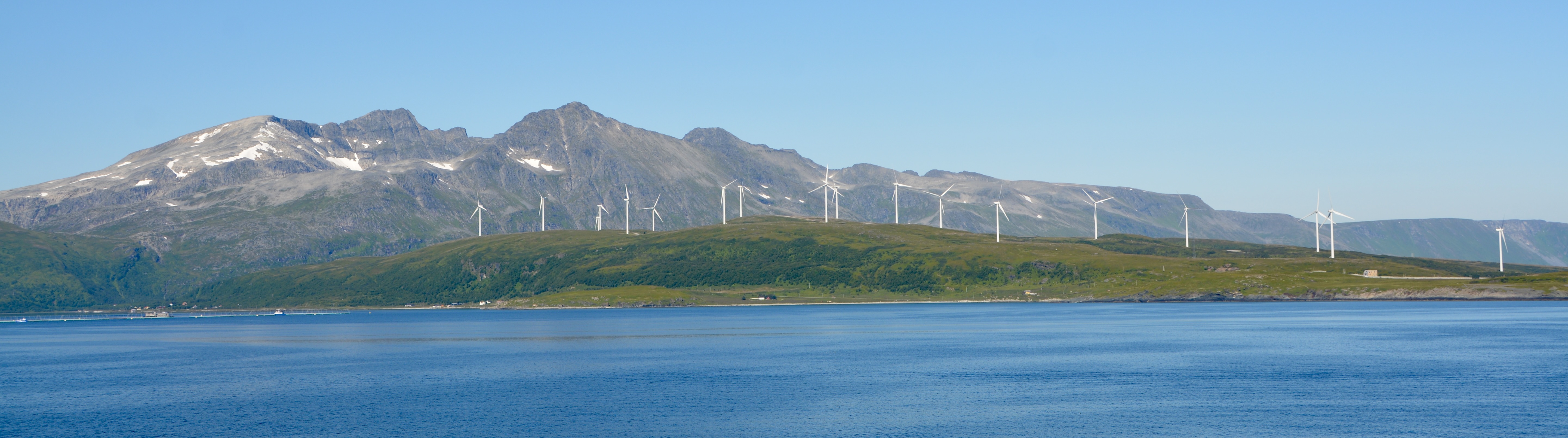


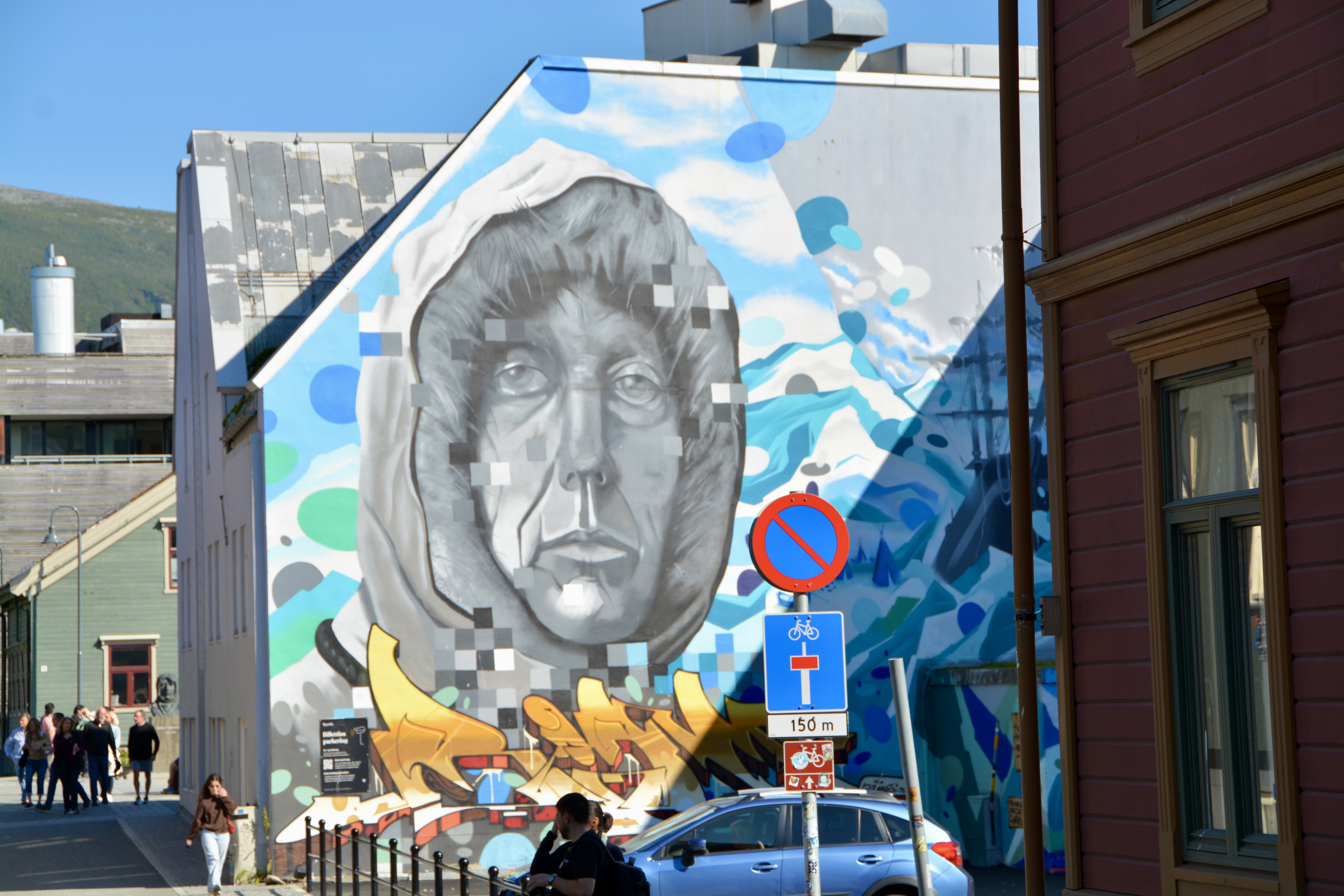


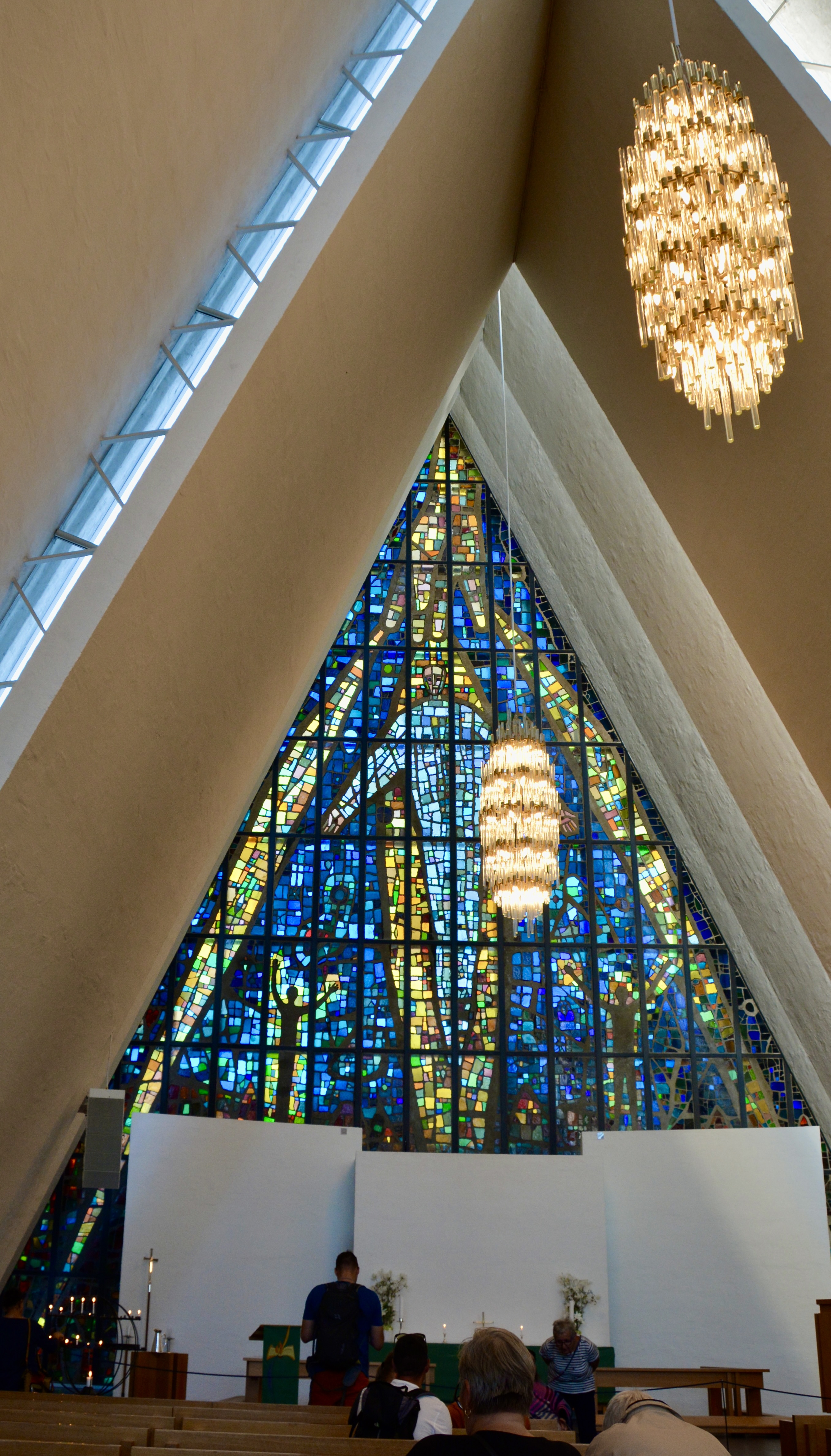
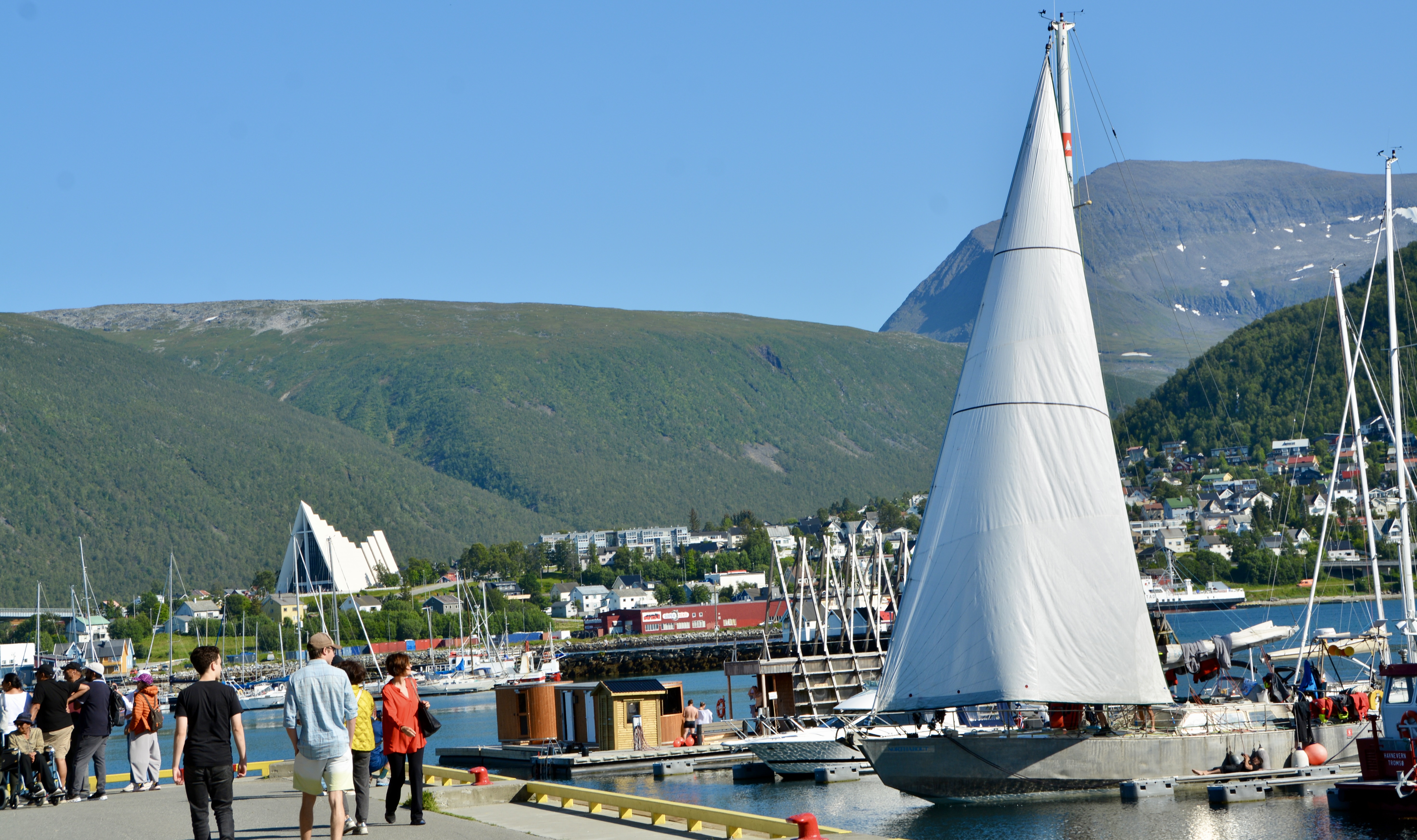
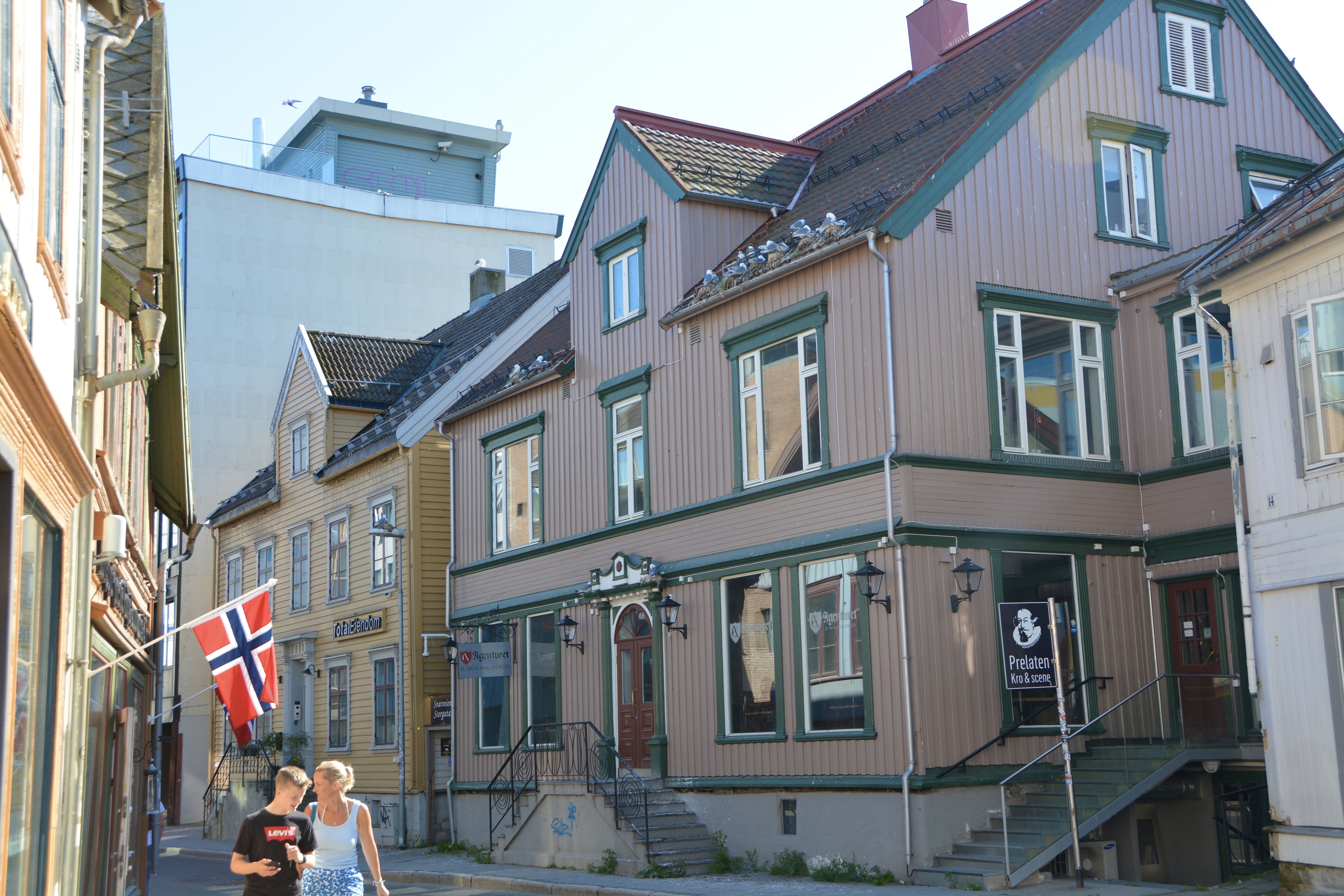


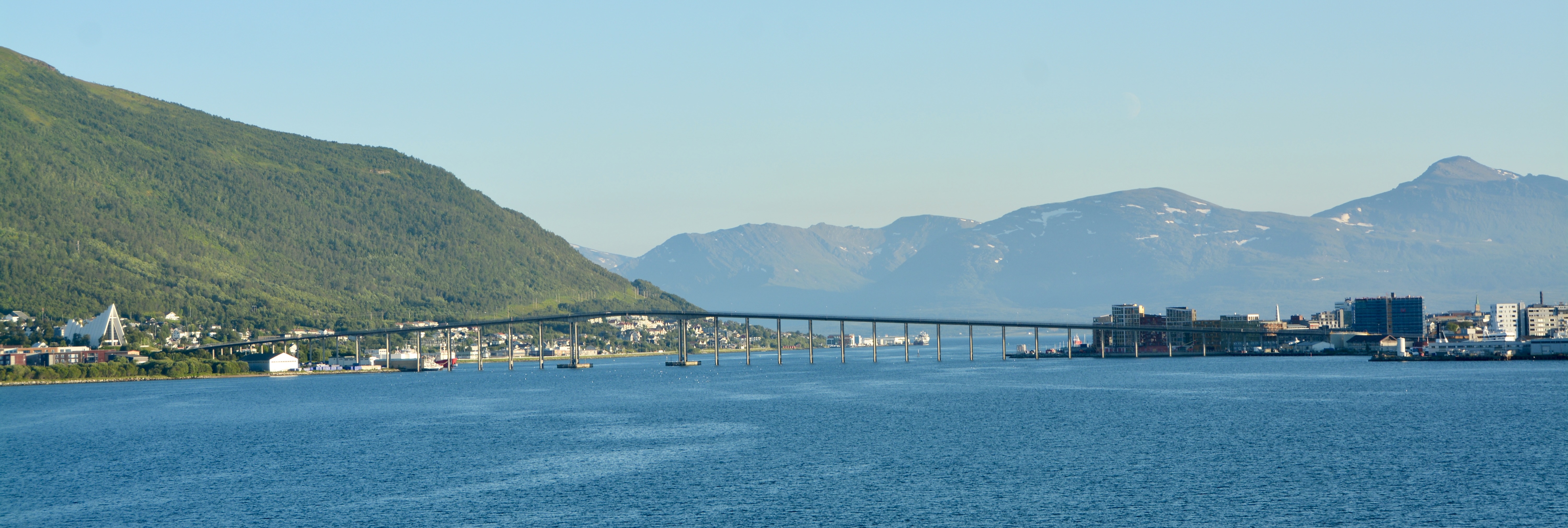


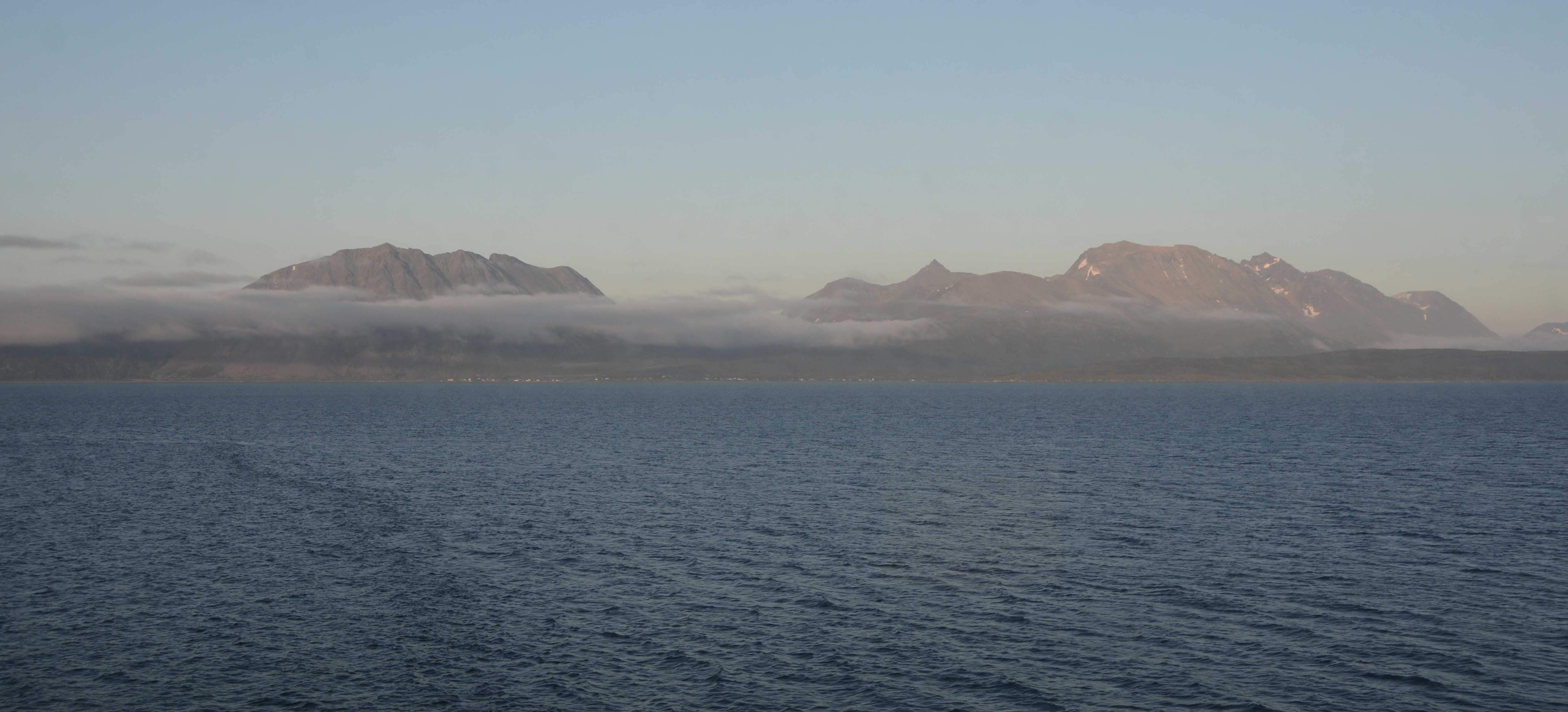
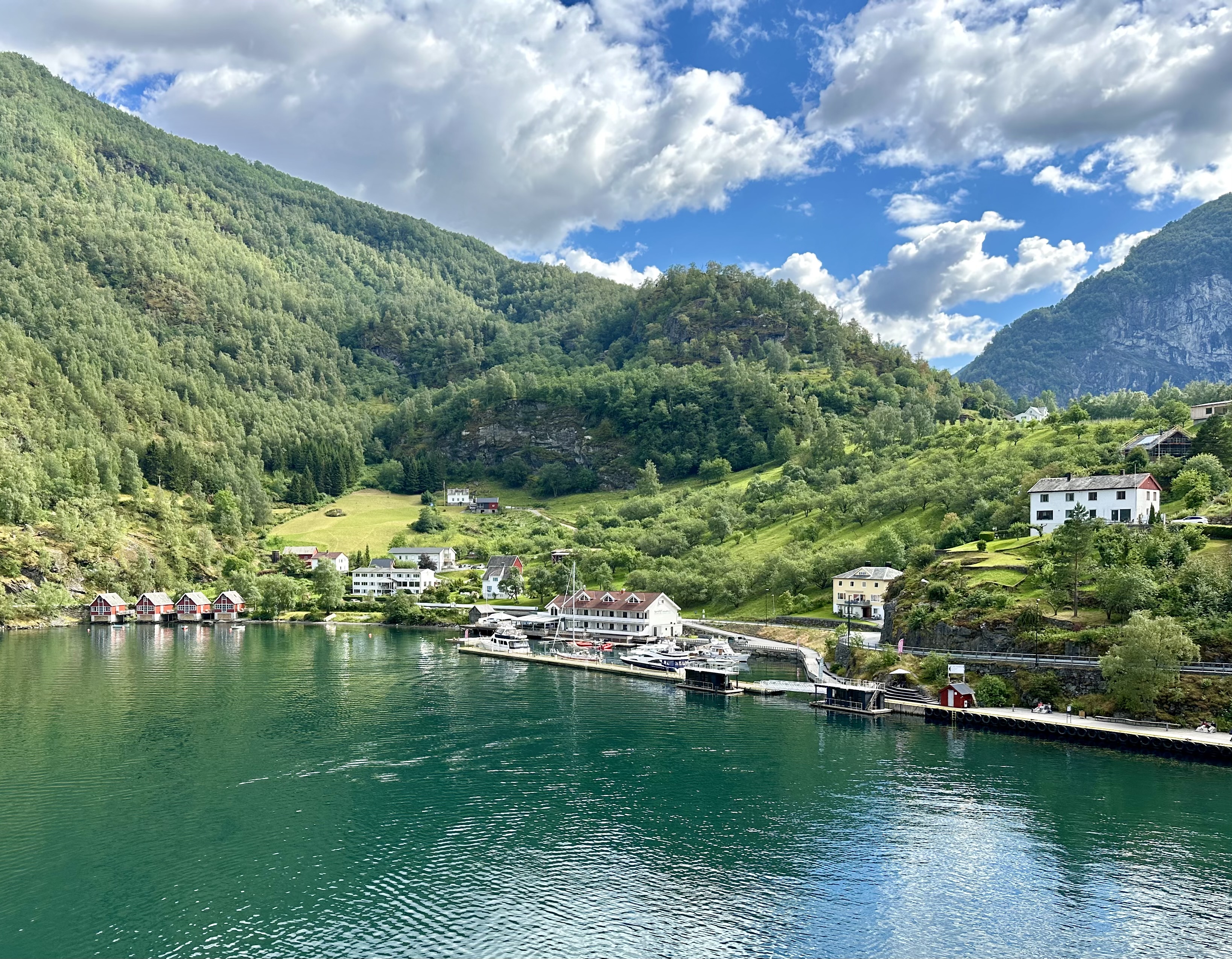

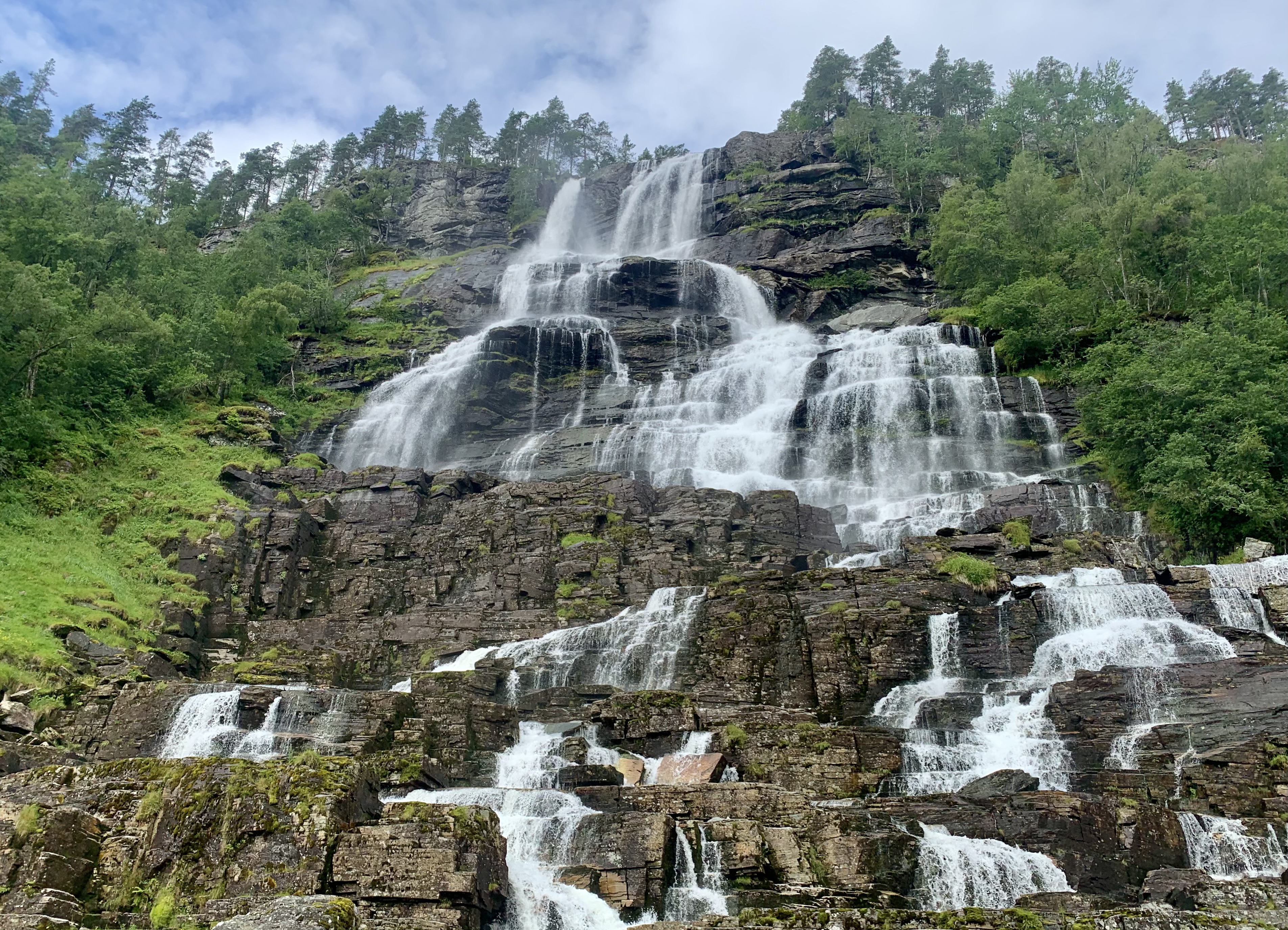
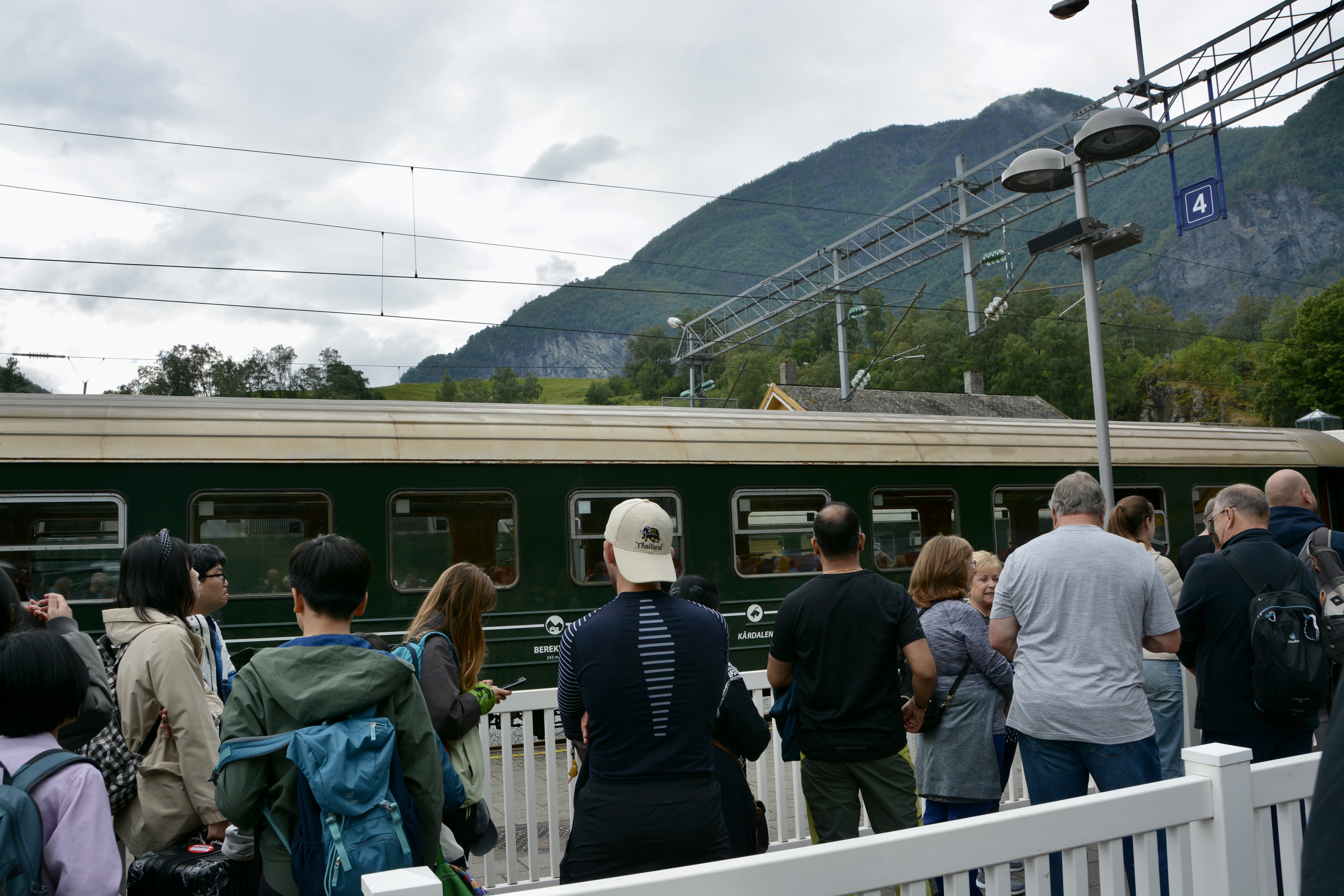
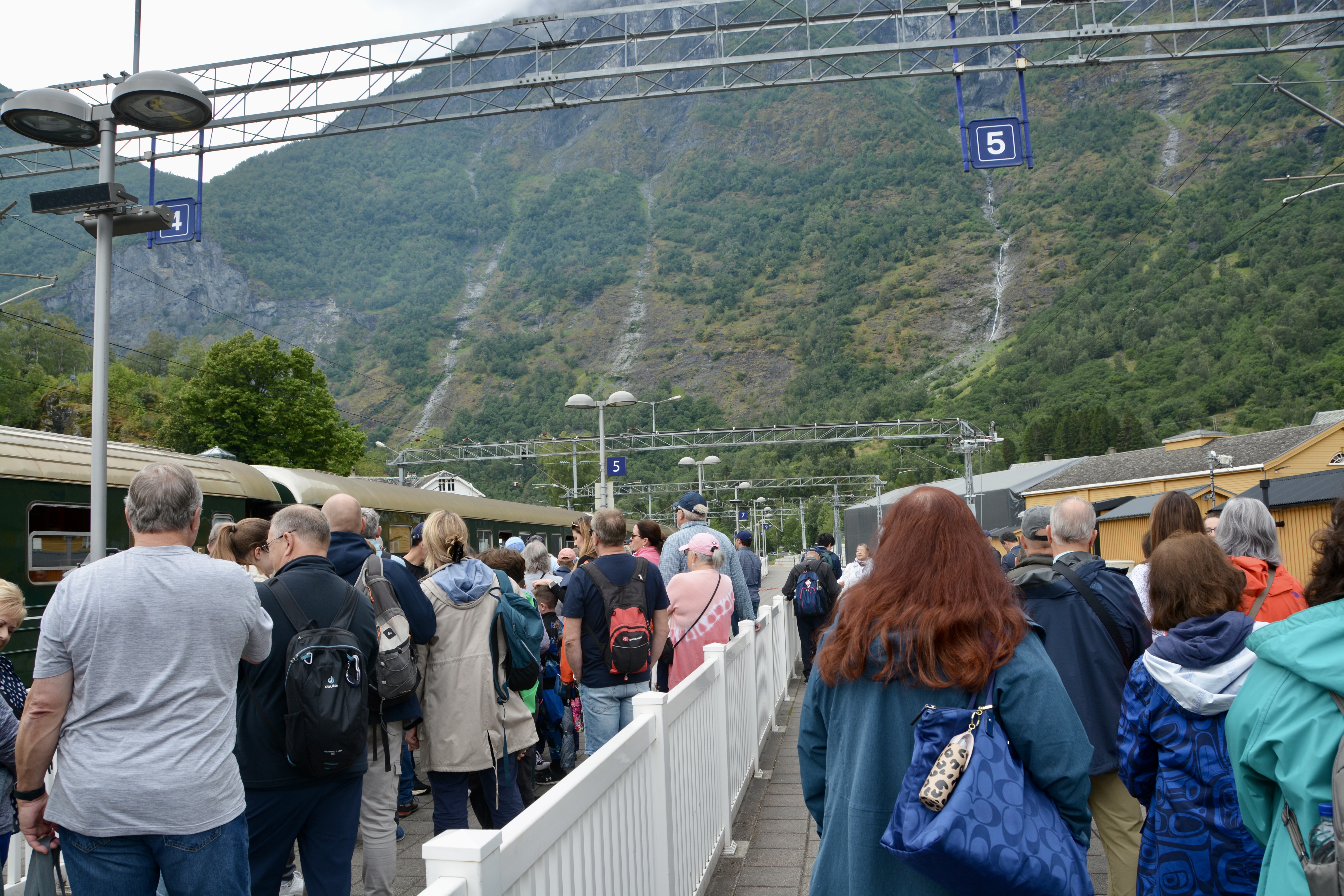


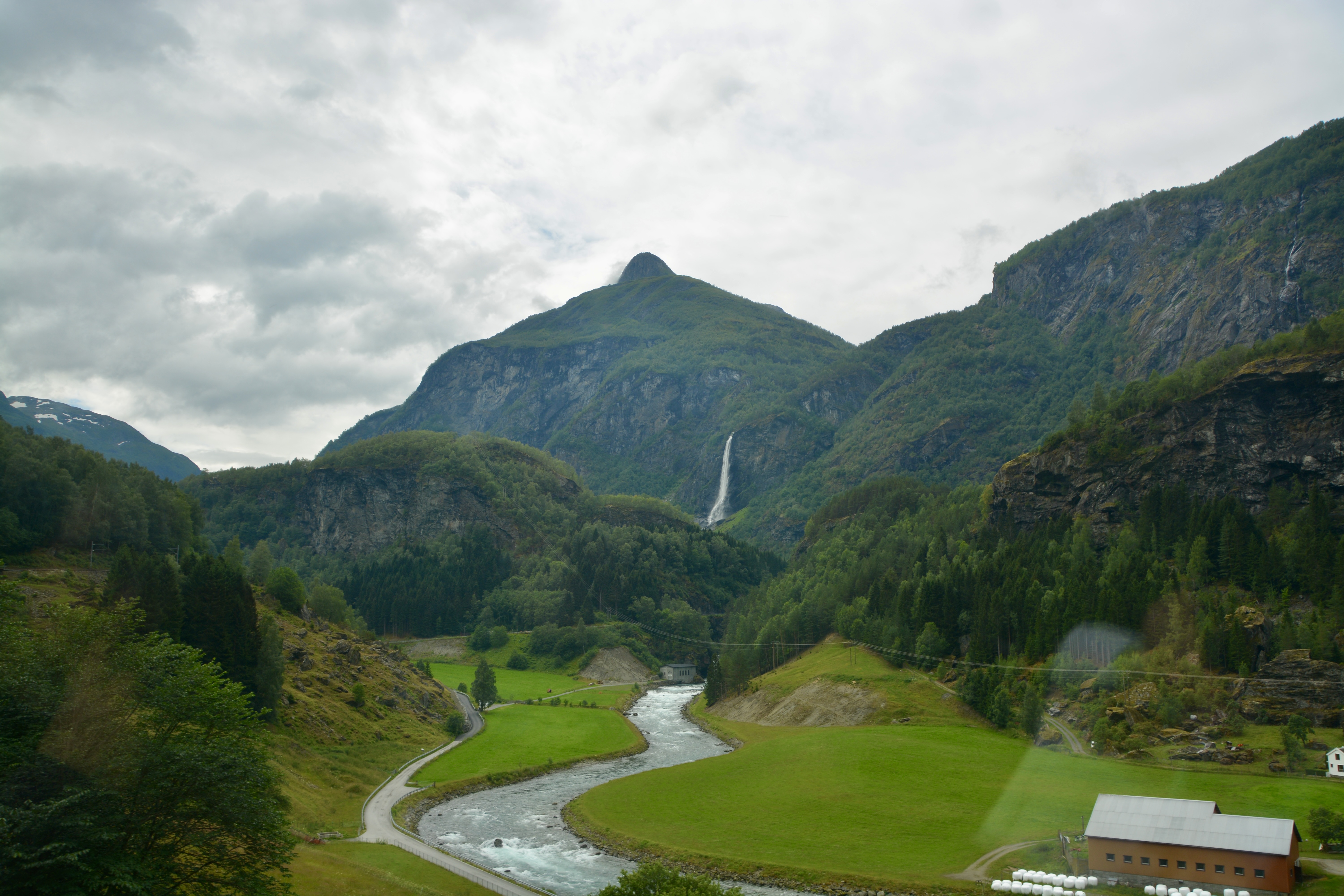
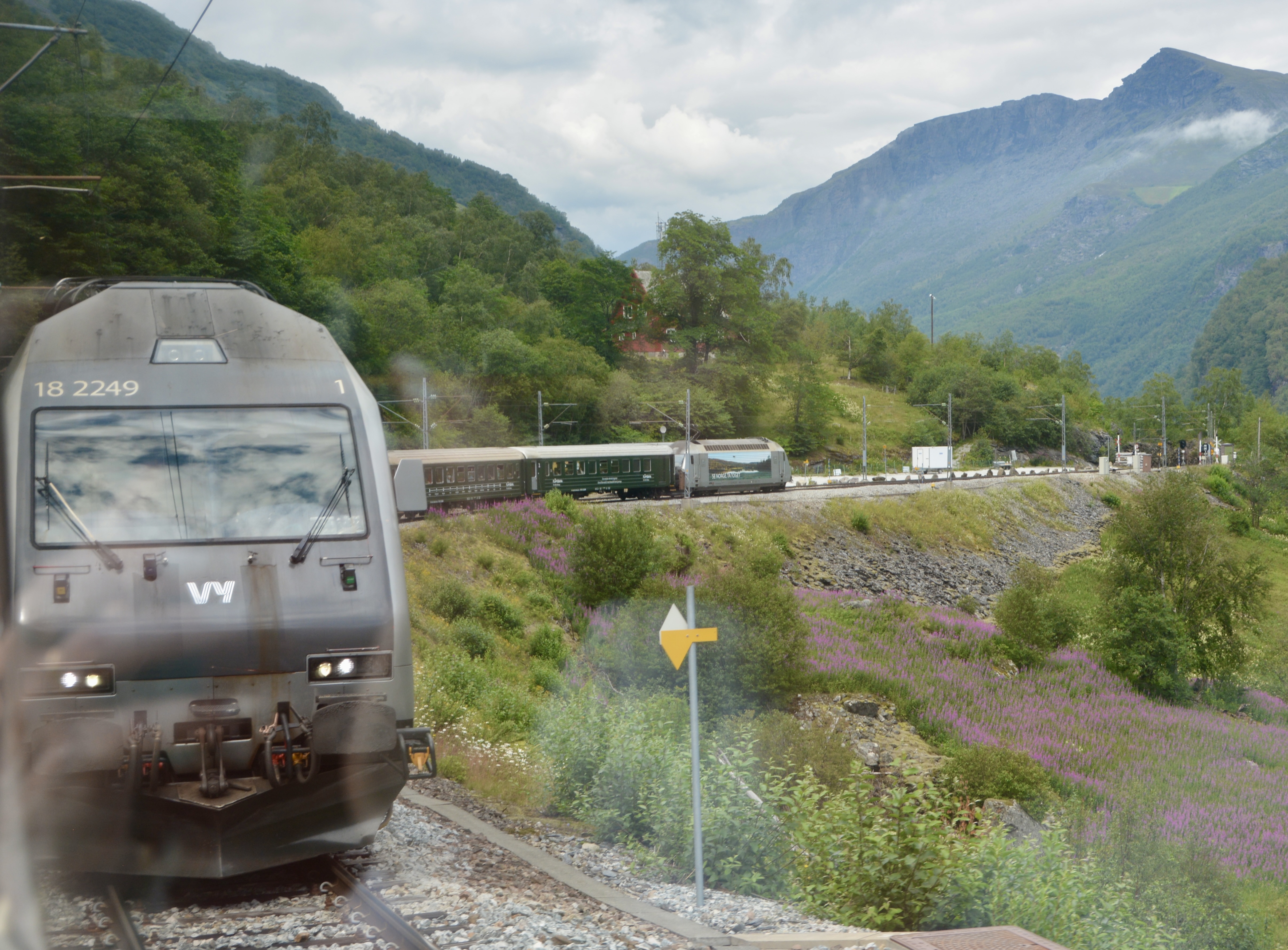

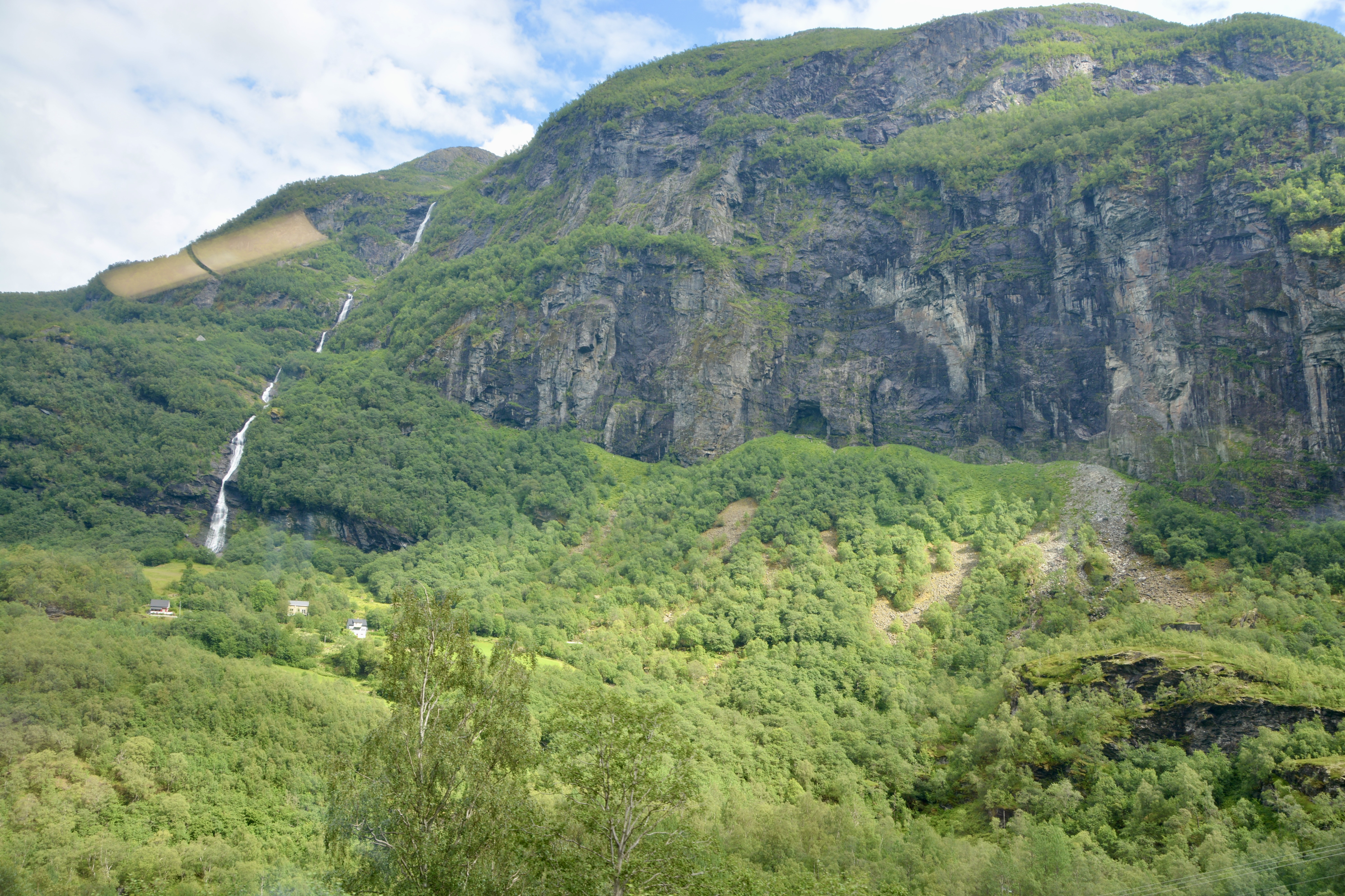
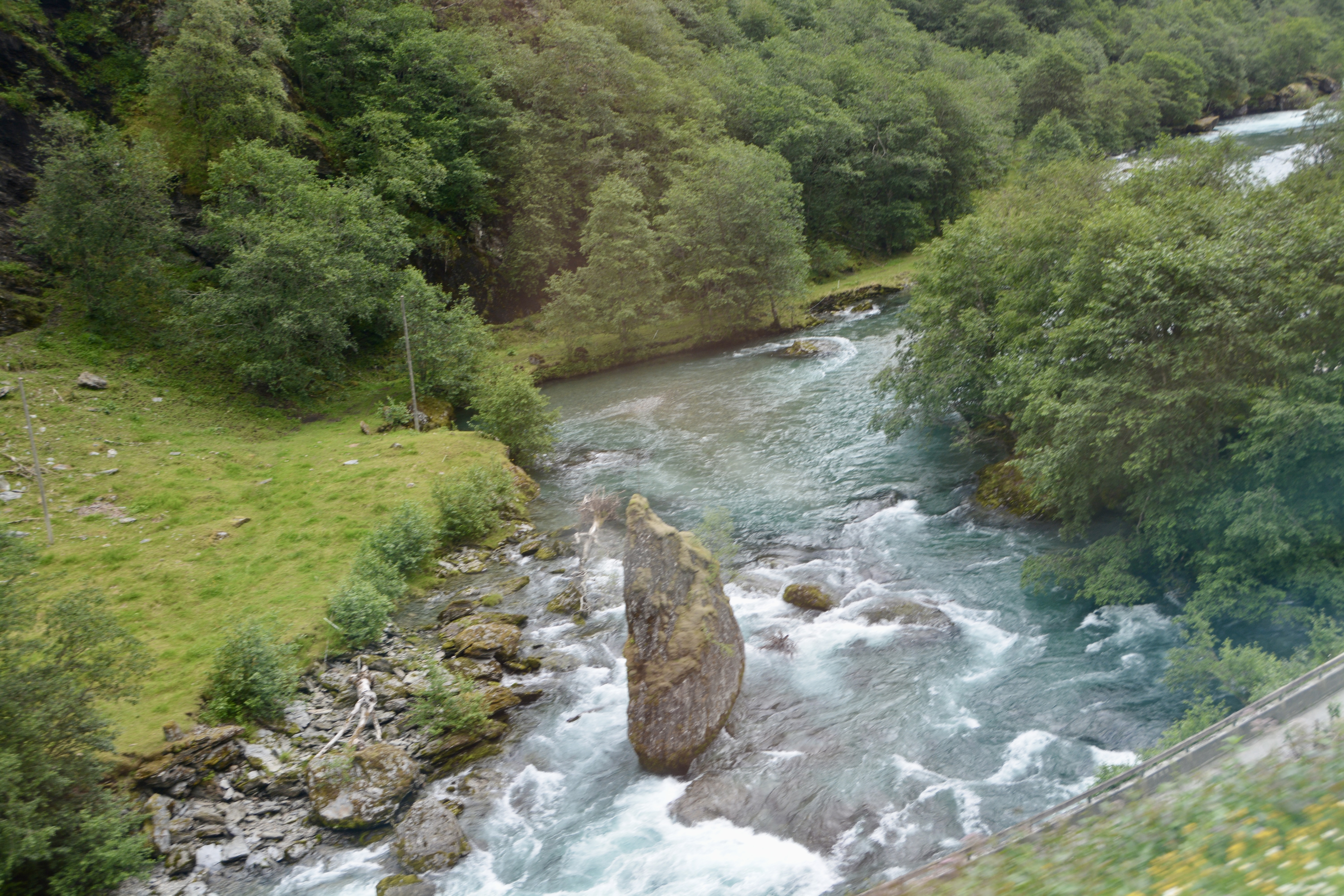
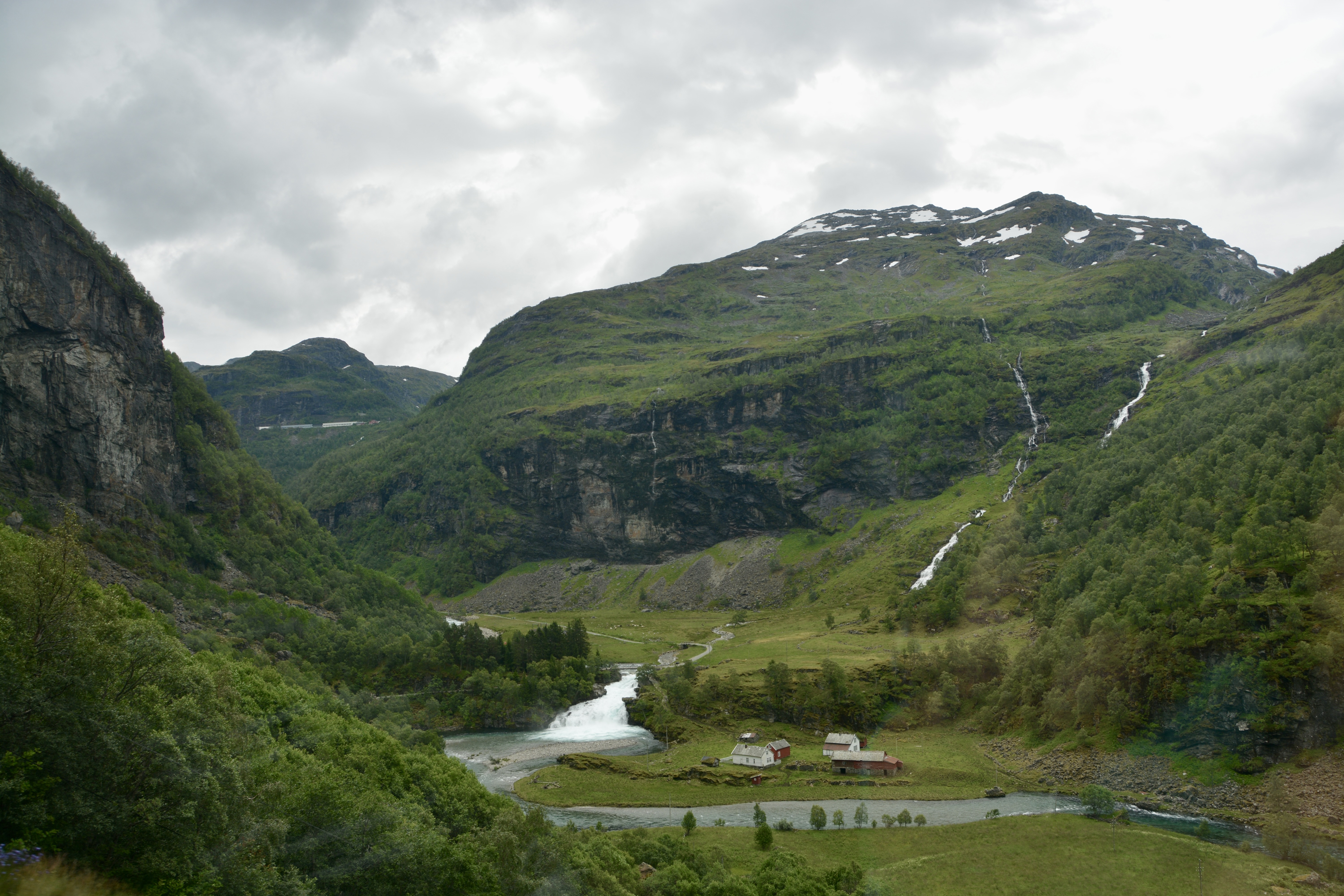

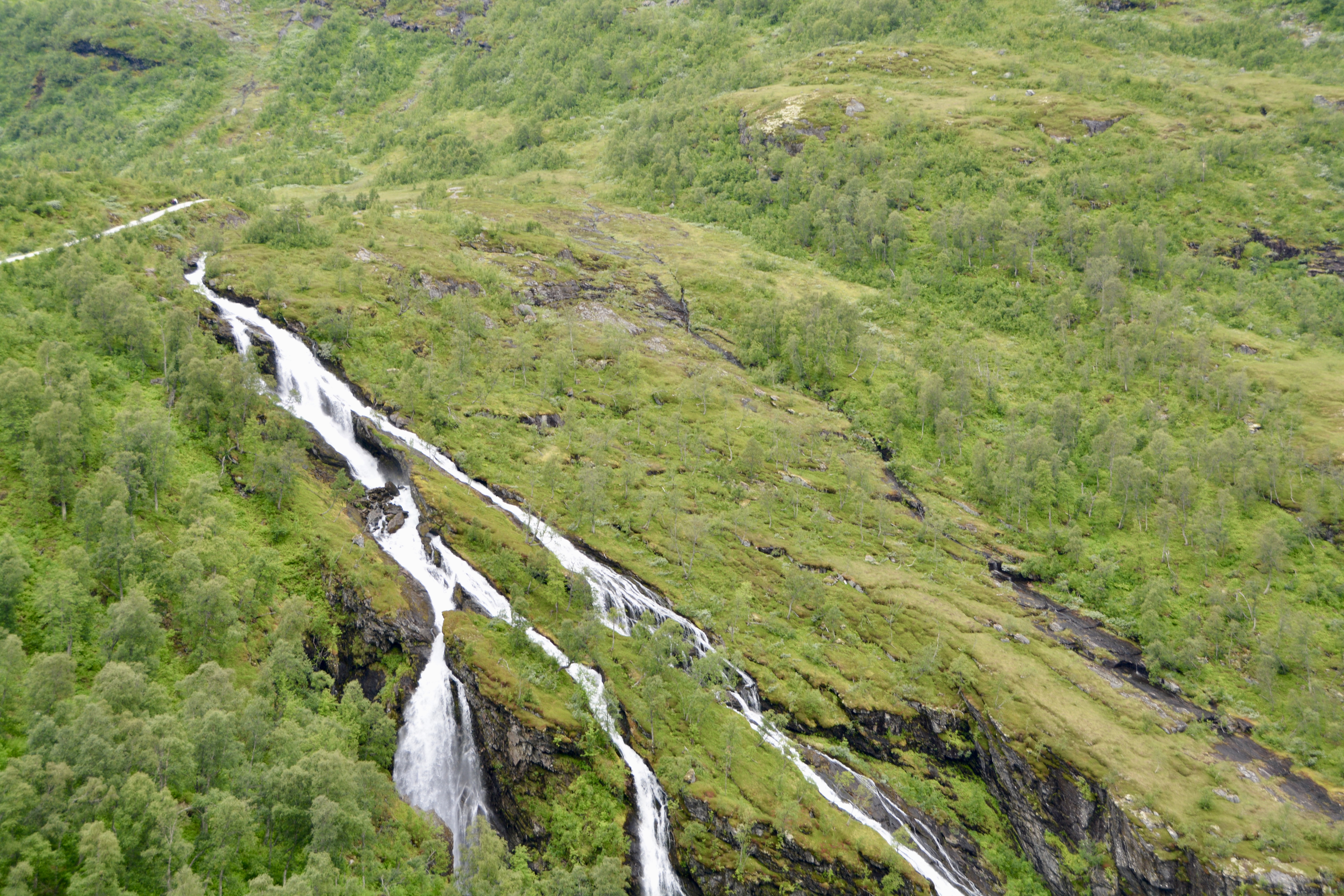

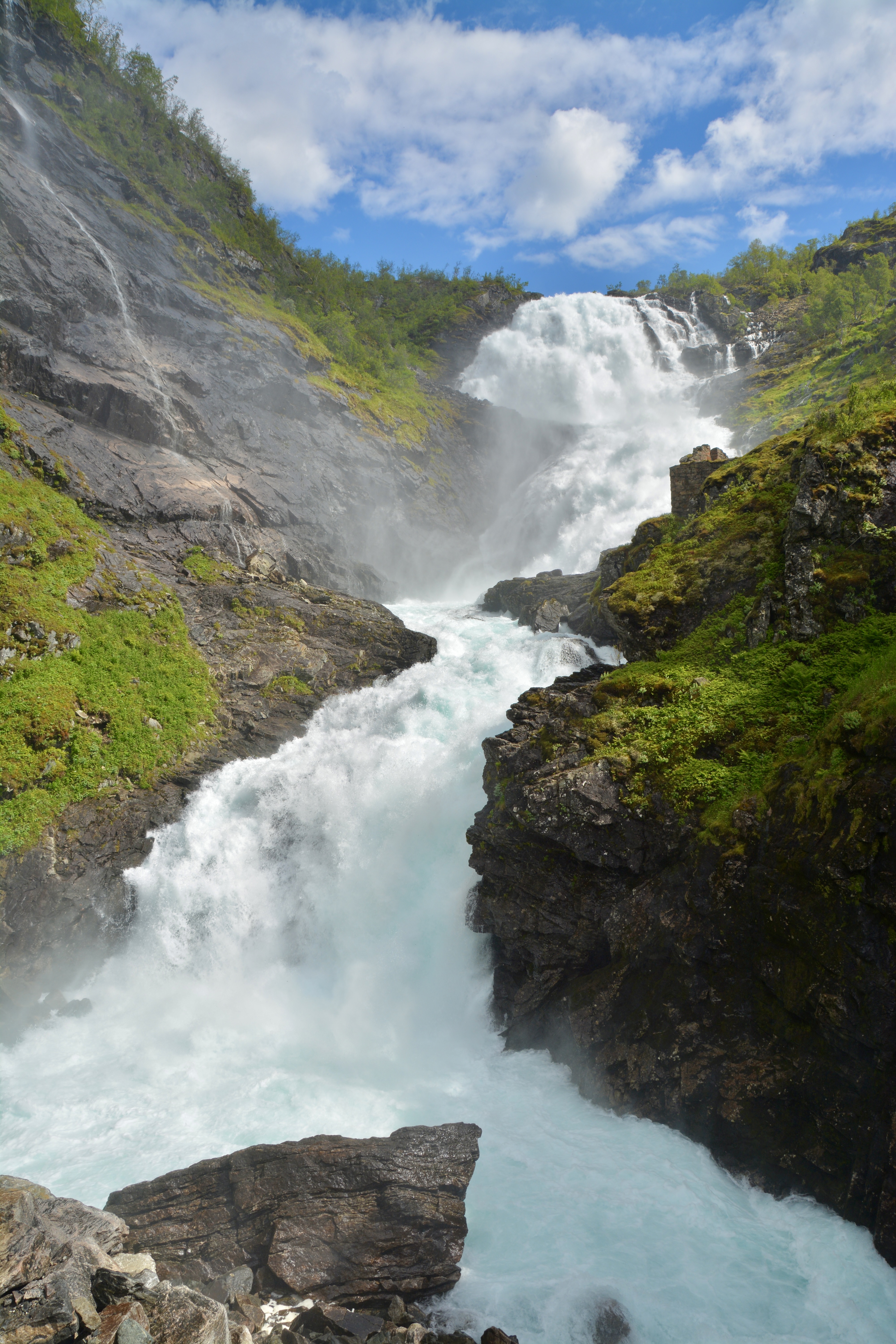
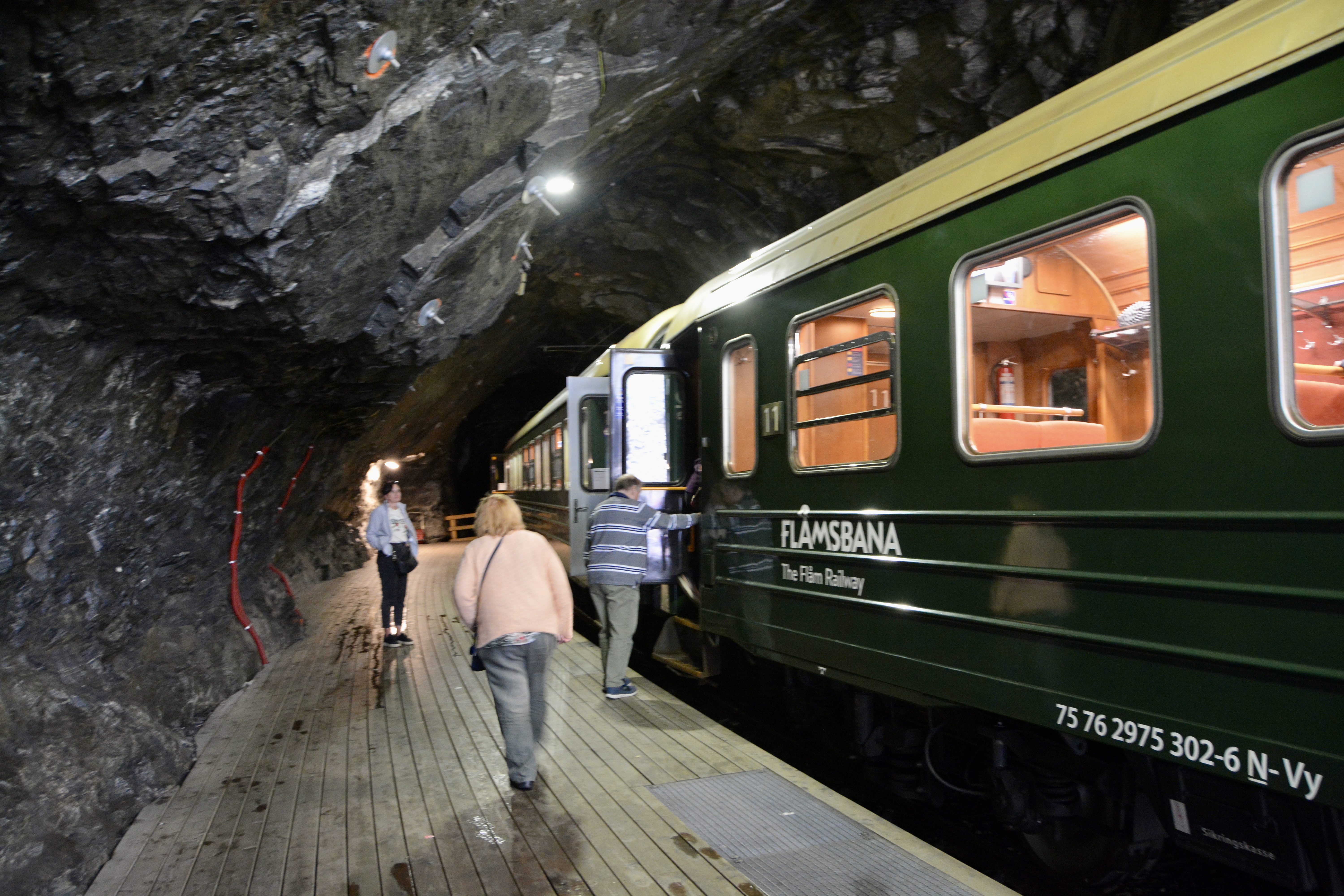
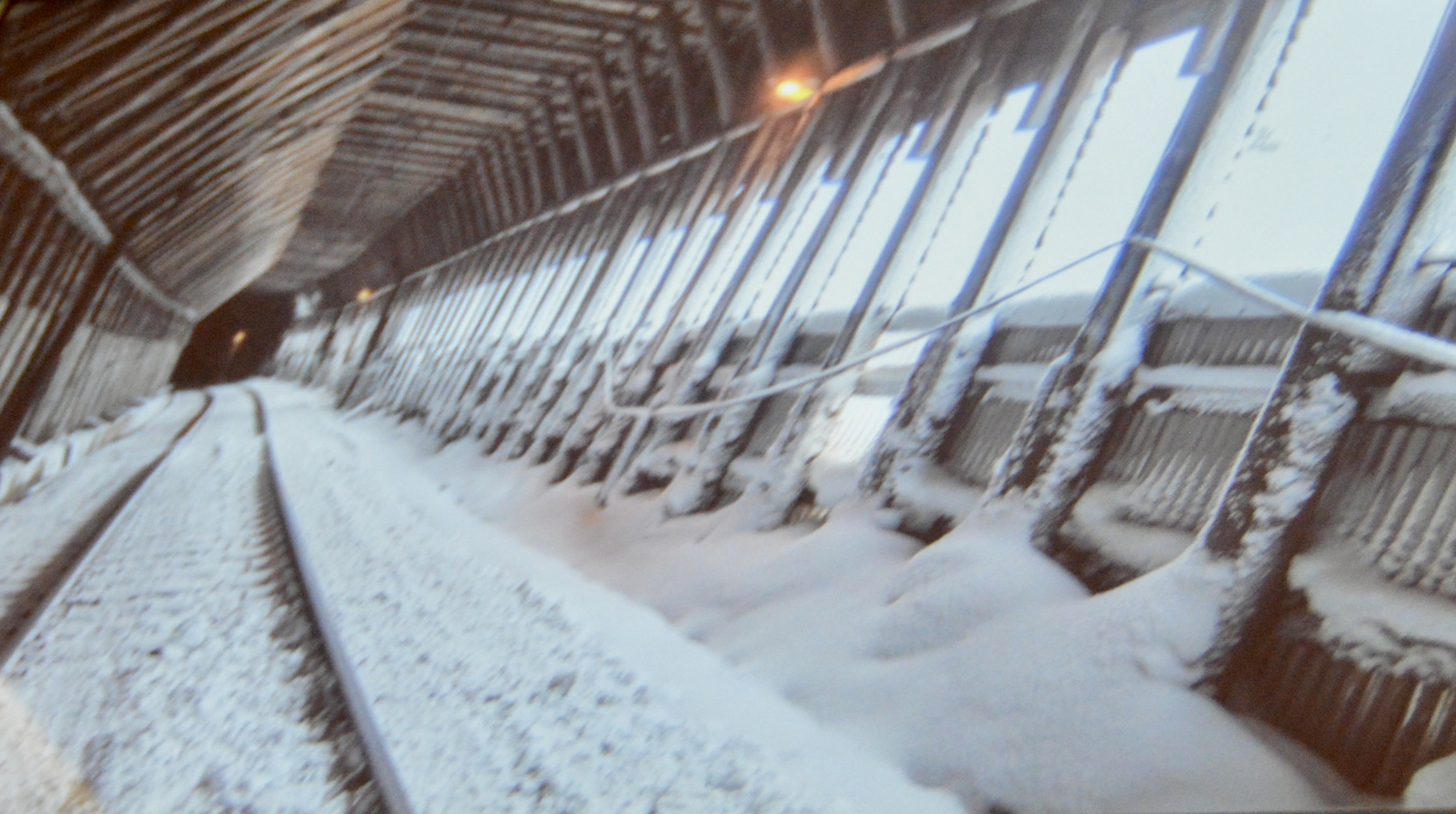


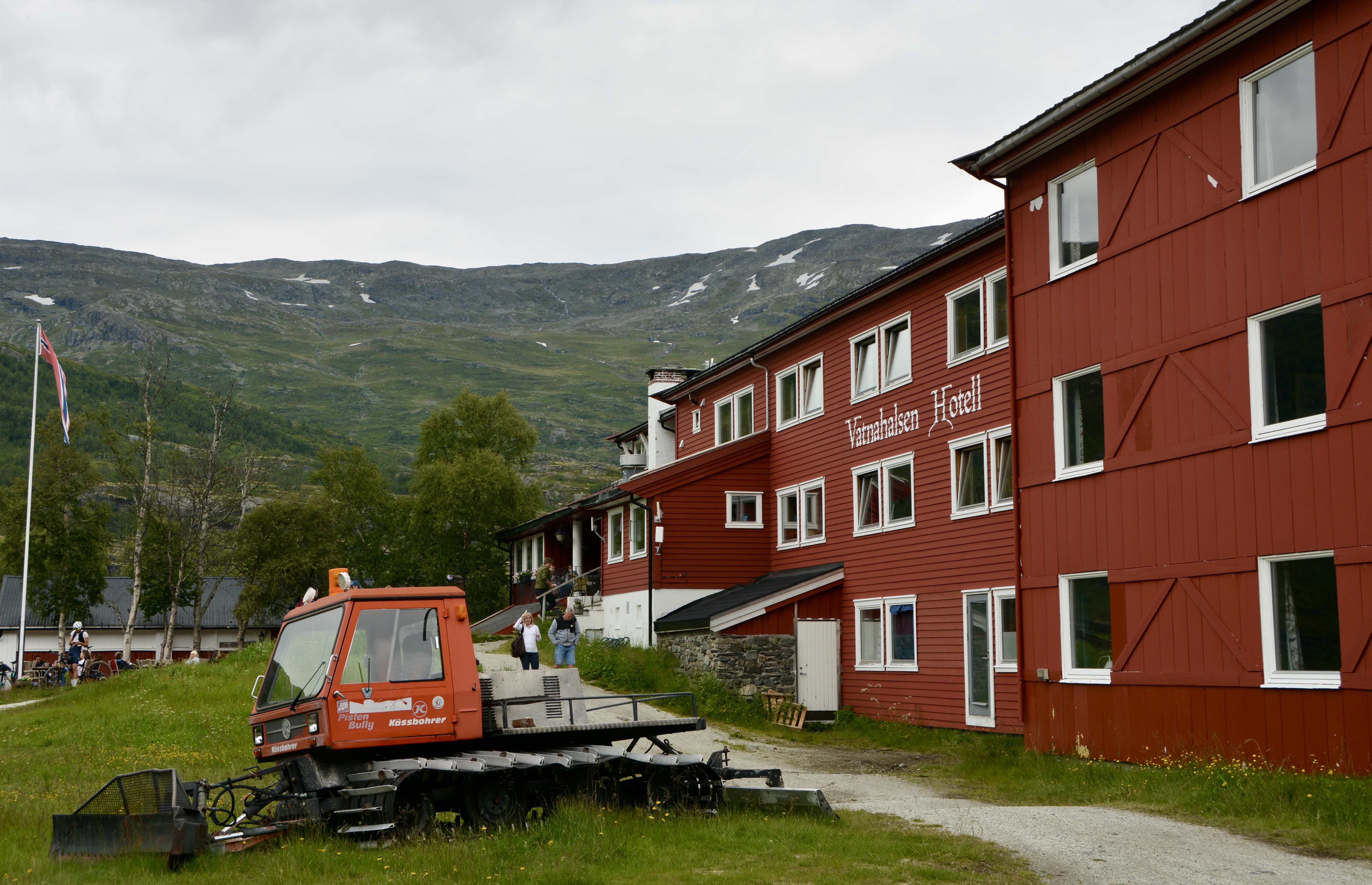
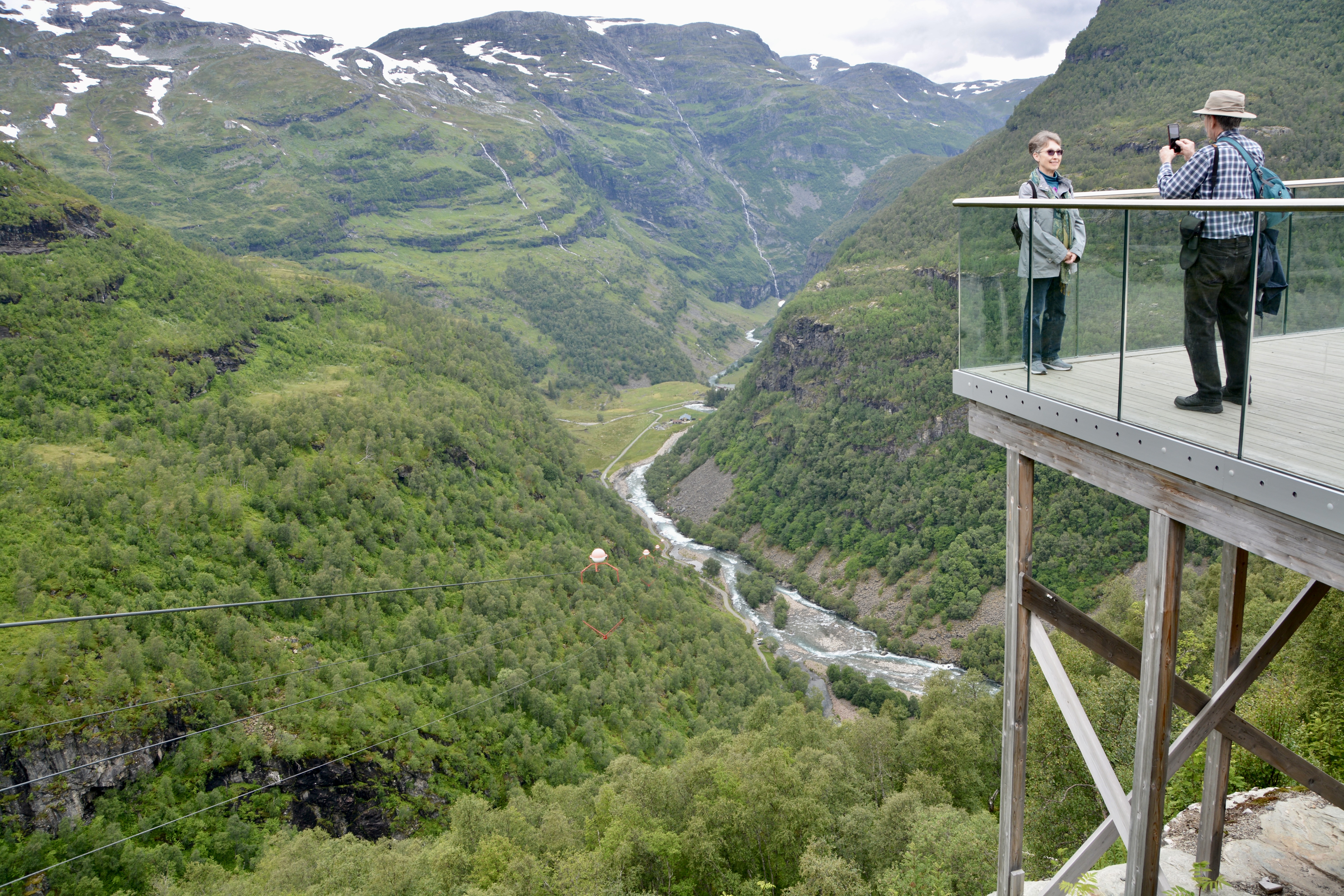


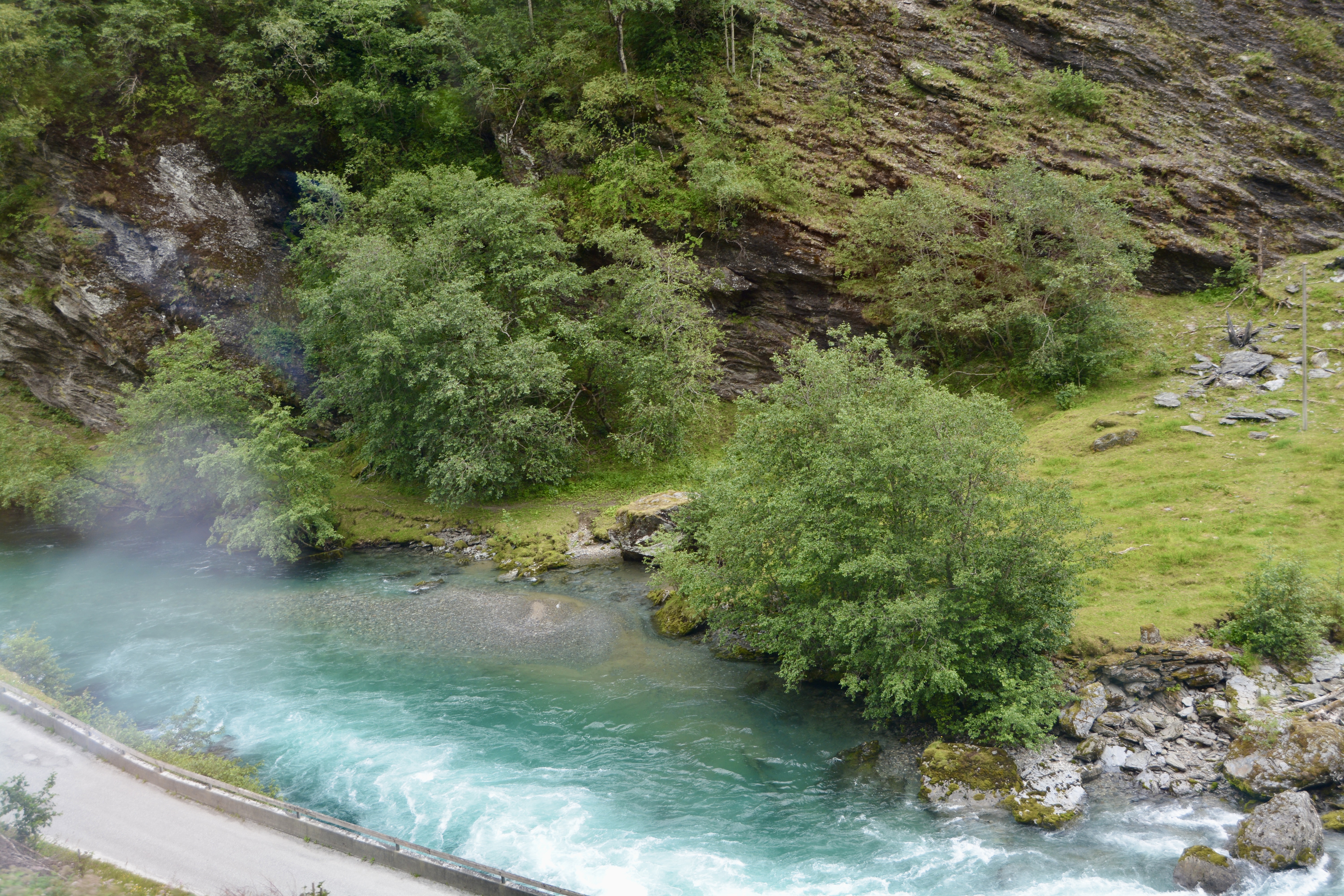


 travelbynatasha