
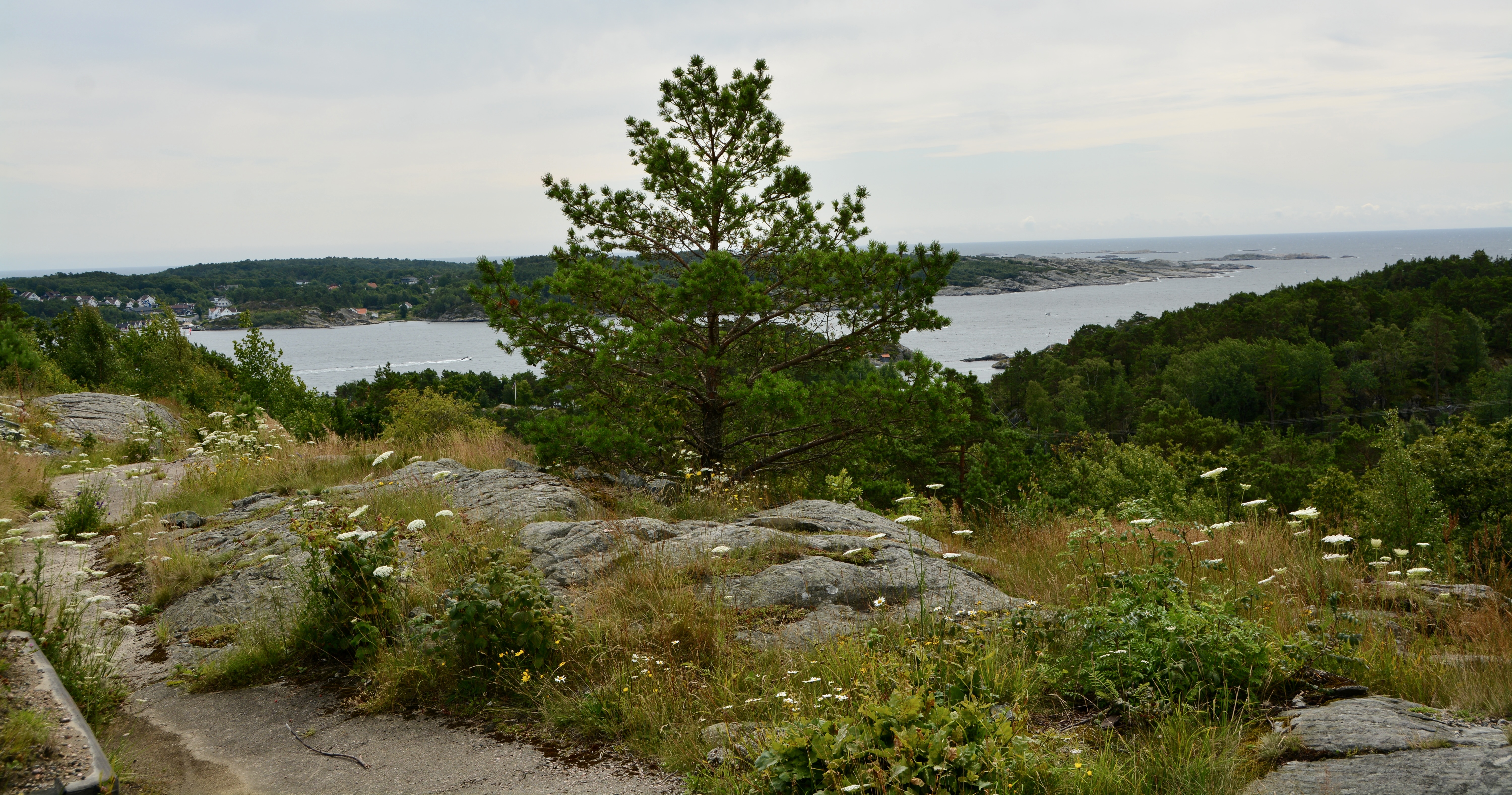

We have two sea days as we travel from one of the northernmost points in Norway, Honningsvag, to one of the southernmost, Kristiansand, Norway. Kristiansand sits at a strategic point between Denmark and Norway in route to Sweden and Russia to the east. Traveling directly west (over the water) you reach Scotland. During the sea days, we completed our journey in the Norwegian Sea and return to the North Sea.


These are lazy days for us. The lectures held no interest for us. It is cloudy and cold, so not great pool days, although the solarium is popular. I spent my time editing photographs, writing blog posts, reading, hanging out in the solarium, and researching future cruises. I did enjoy the second production show, The Tree of Life. It was upbeat and featured songs from more recent decades. The “tree” and background screen went through the seasons of the year. We heard back from Sue and Andy and met them for dinner the night of the second sea day. We just switched tables and still had our favorite waiter Mo serving us.
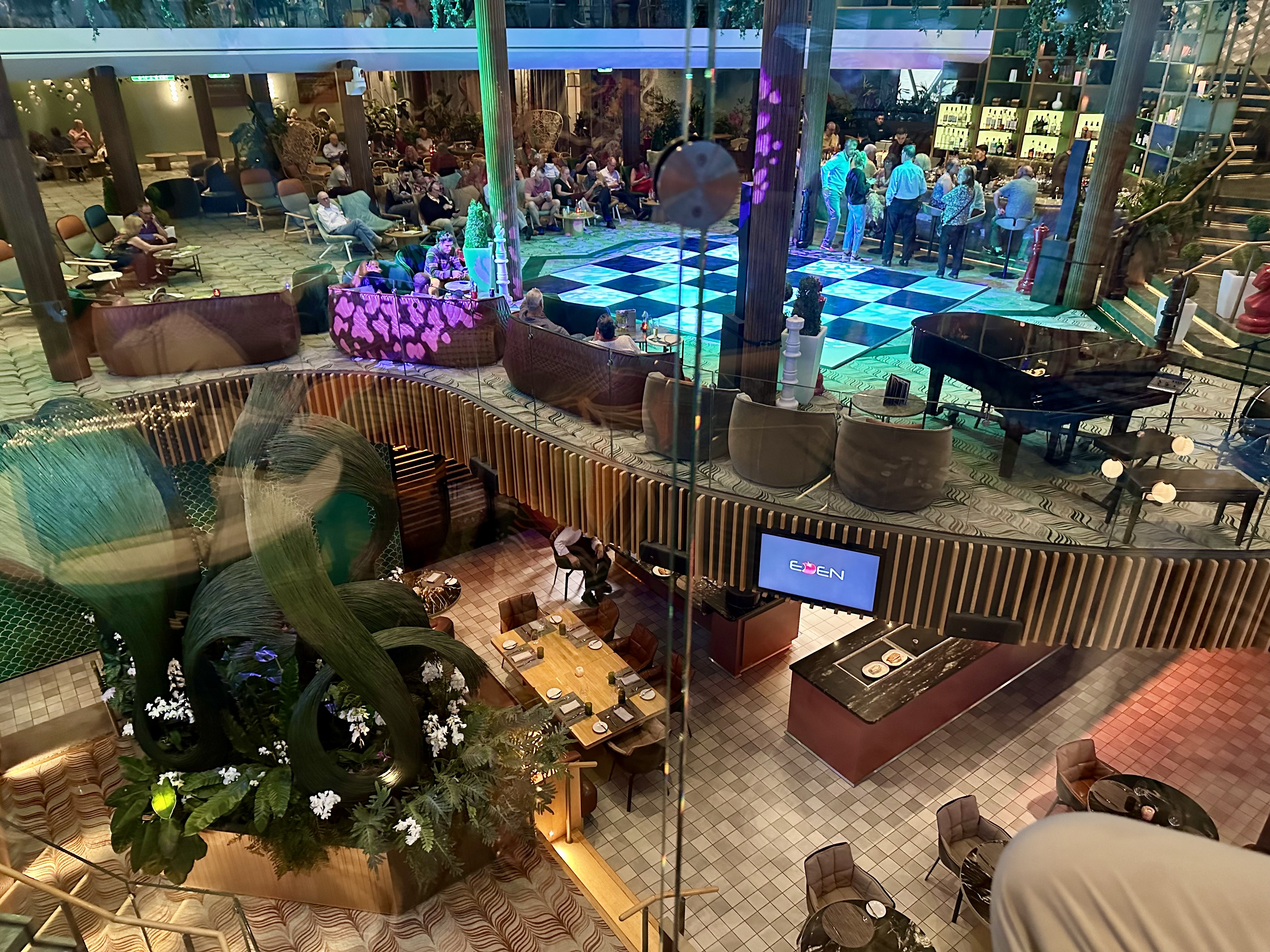
After dinner we went to the show and then on to “The Club” for the Abba sing-along, my choice. Sue and I really got into it. Afterwards, Sue suggested a nightcap at Eden so we headed up there after 11 pm. The bar ended up closing shortly after we arrived so the Eden Production Cast could so a technical rehearsal in costume (cue to cue for lights, sound, etc.). Guests were invited to stay if they liked. I have seen and been through many technical rehearsals as I have been involved with theater, but it was a new experience for Sue, Andy, and Boris.
It was fun seeing “behind the curtain”. It’s a new show, roughly based on Alice and Wonderland and the performers were costumed accordingly. We talked to the director afterwards. She is a former Celebrity performer. The cruise line has its’ own production company based in Miami (Florida, USA). Celebrity is part of the Royal Caribbean family of cruise lines. The director works for the production company. She comes on board for two weeks as they put the final touches on a new show. The Eden Production Cast will do Night of Dreams at 10:45pm on our last night of the cruise. Needless to say, we got to bed after 1 am after watching the technical rehearsal.
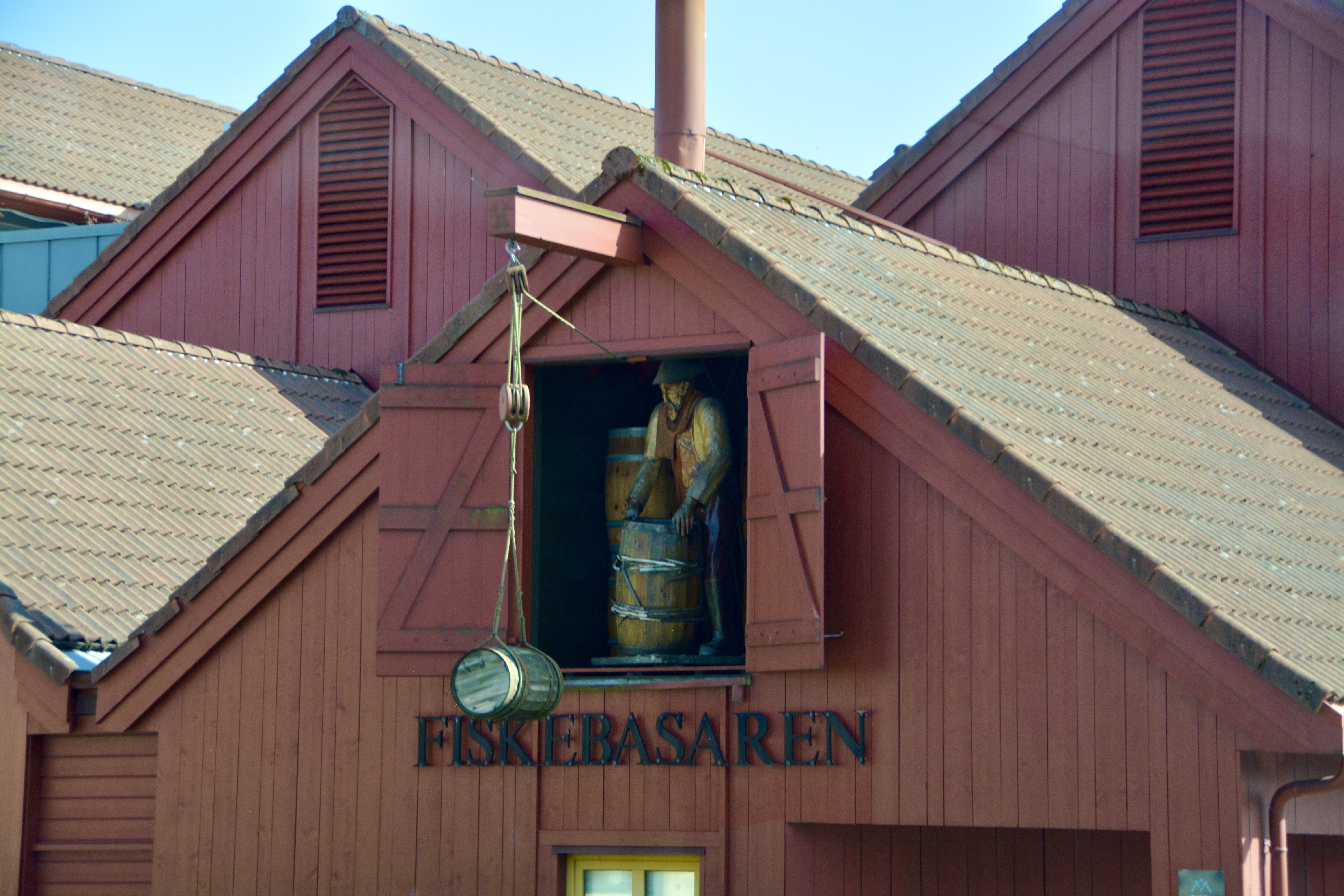
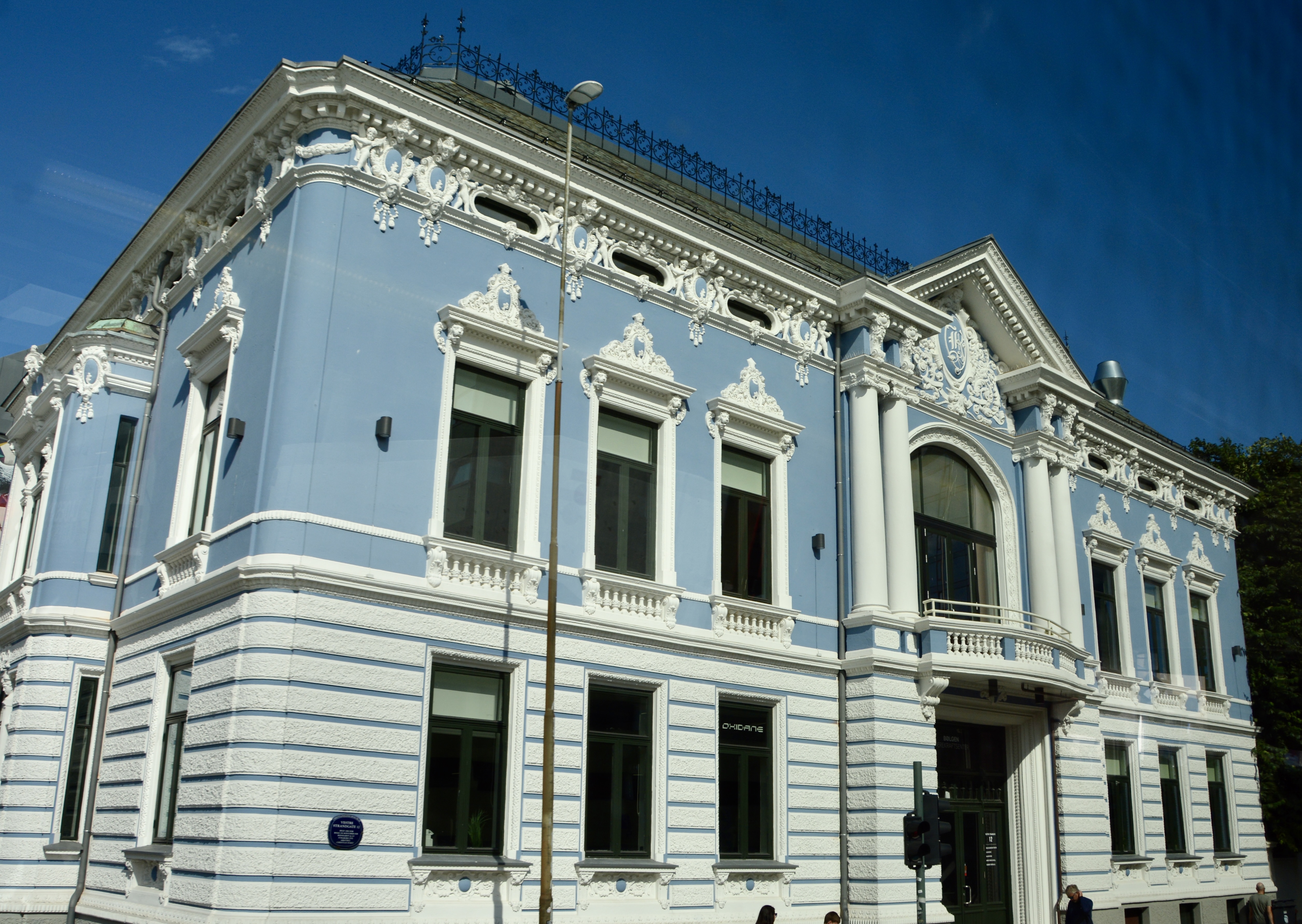
Our final port in Norway is Kristiansand. We were tired from our late night, so we were glad that we had an afternoon excursion. It was a little strange not to see mountains after that was part of every other location we visited. Had I realized how lovely the town was, I would have made the effort to get up early and go out. We by-passed the tented exit since we were on an excursion, but Joanne who sits at the table next to us said they had maps and information about the area available. From the pier you could walk to the nearly and newly refurbished area, the old fish quay Fiskebrygga, where you can still find a fish market, but the area is now the home of lots of upscale and fast-food restaurants.
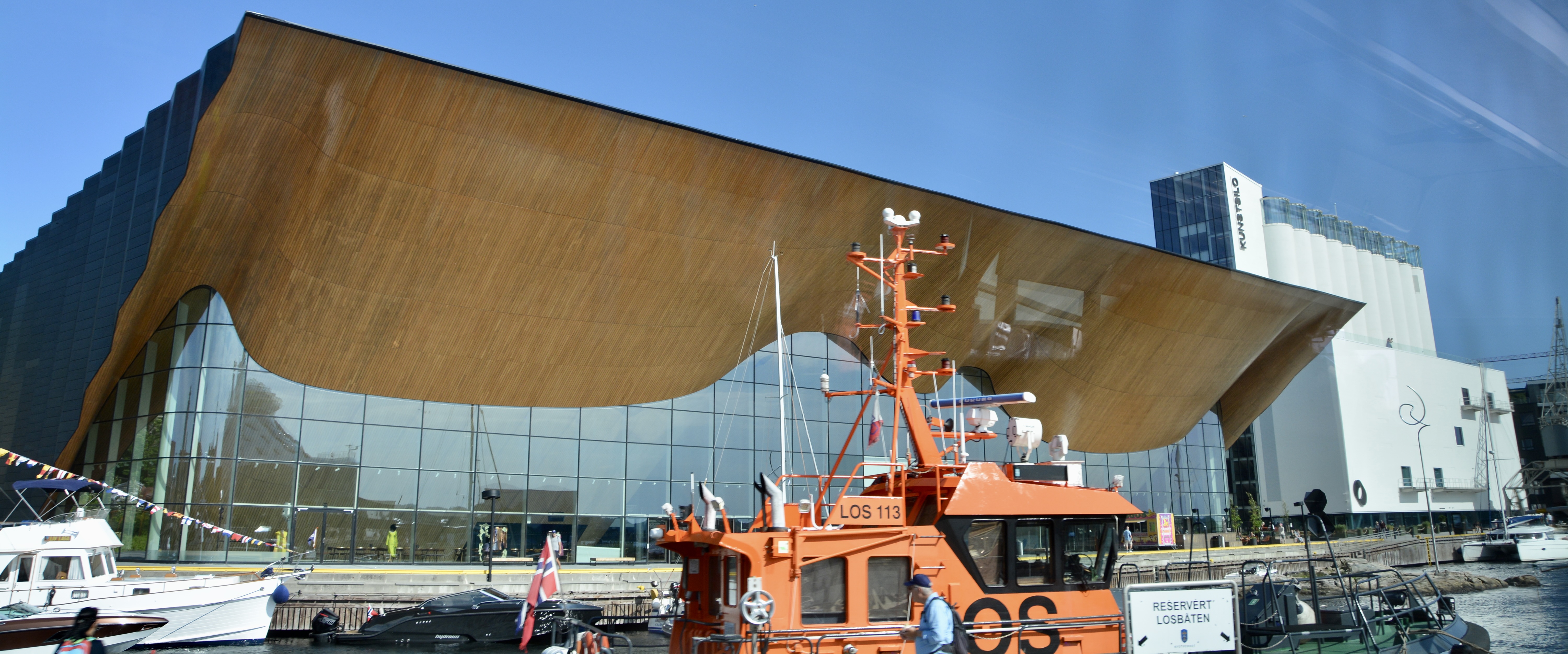
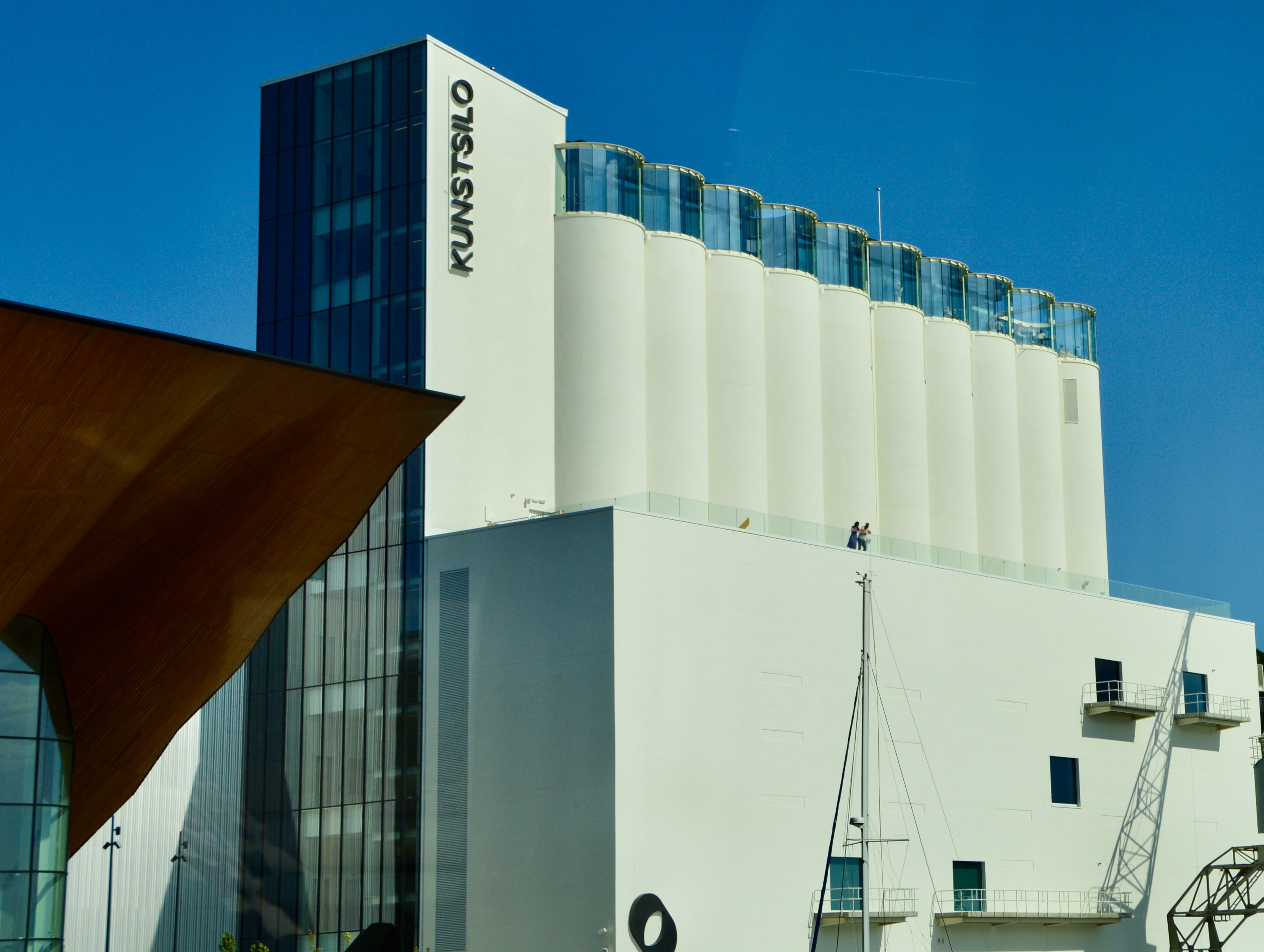
This section of the city has been revitalized not only because of the ferry and cruise passengers but because of the new cutting-edge Kilden Performing Arts Center and Kunstsilo, a modern arts museum housed in a series of former grain silos, that sits next to the performing arts center in the recreational area of Odderøya.
There is also a large beach area, Bystranda. Joanne saw lots of families out and about on this beautiful sunny day, one of our best weather days of the trip. It was a perfect day to walk around it. In fact, if you were going to pick a port on our itinerary not to take an excursion on, this was it.
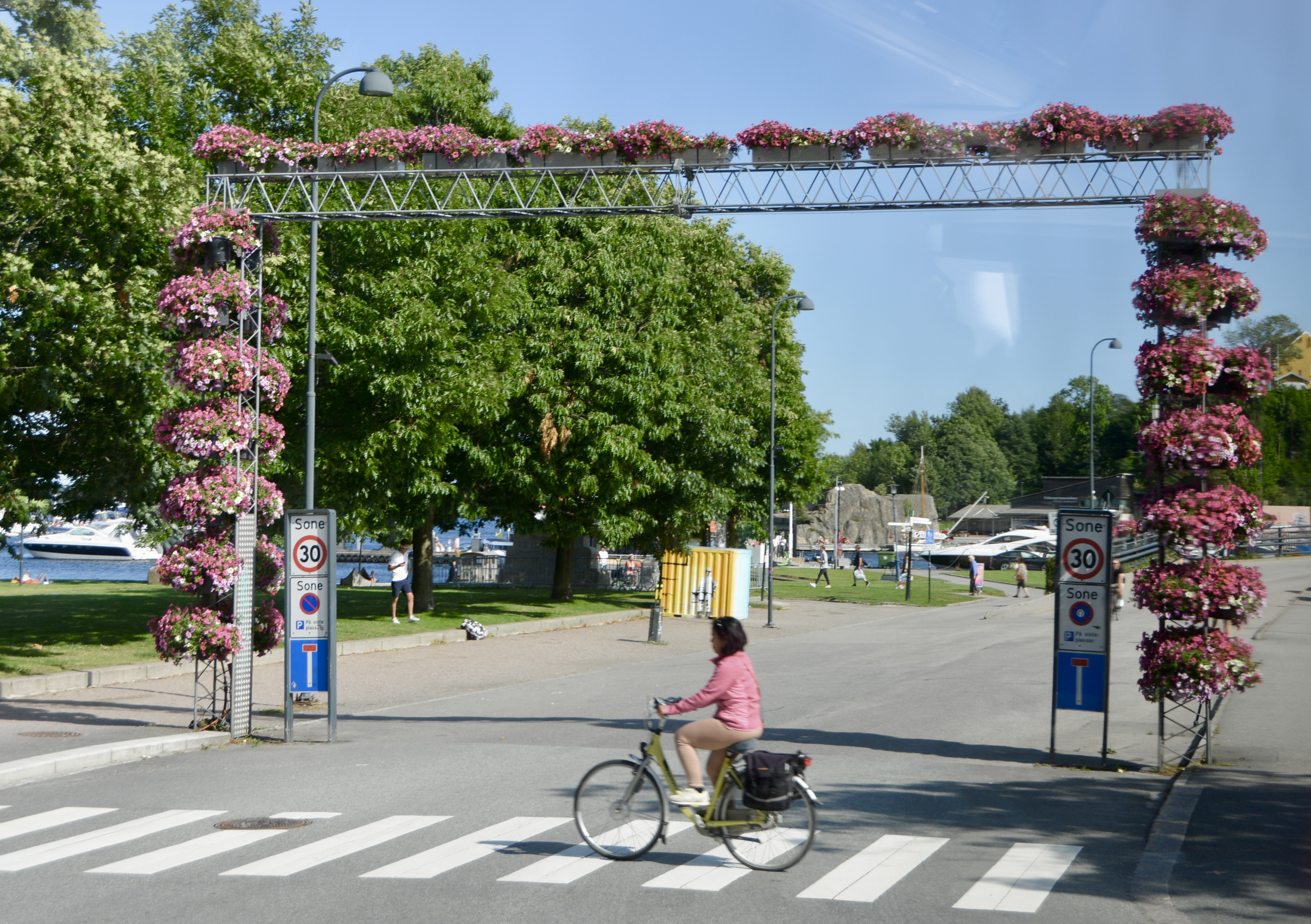
In the city center, called Kvadraturen, you will find more than 400 shops and plenty of cozy cafes and restaurants. The major pedestrian street is heated in the winter from energy generated by burning trash; it is also blocked off to vehicular traffic. Of course, the American fast-food chains have made their way in. I saw a McDonald’s as we drove by.

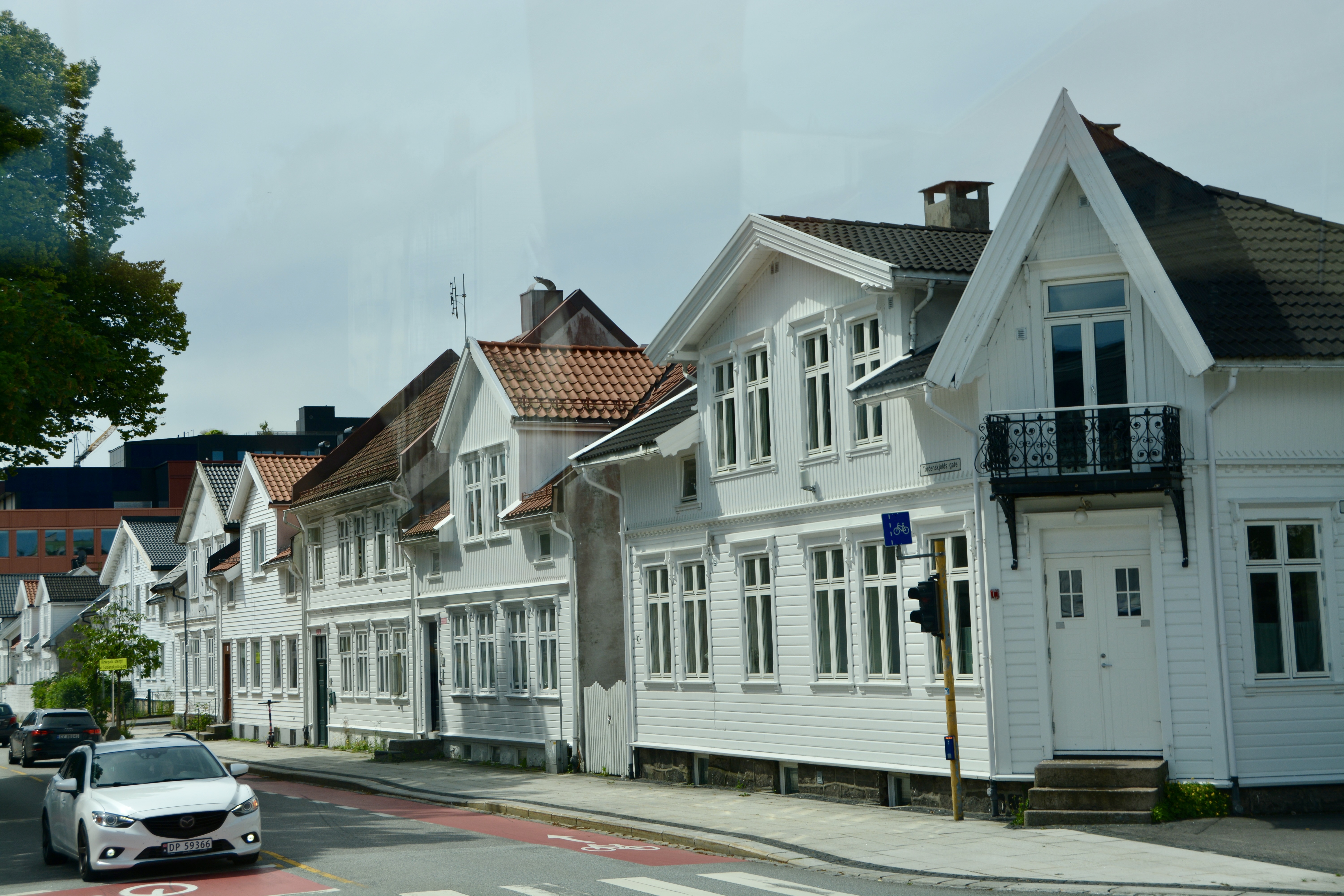
This older area of the city also features the traditional white houses and a few wooden houses in other colors. Our guide told us that white was originally an expensive color to produce so it was a sign of personal prosperity to paint your house (or at least the front side) white.
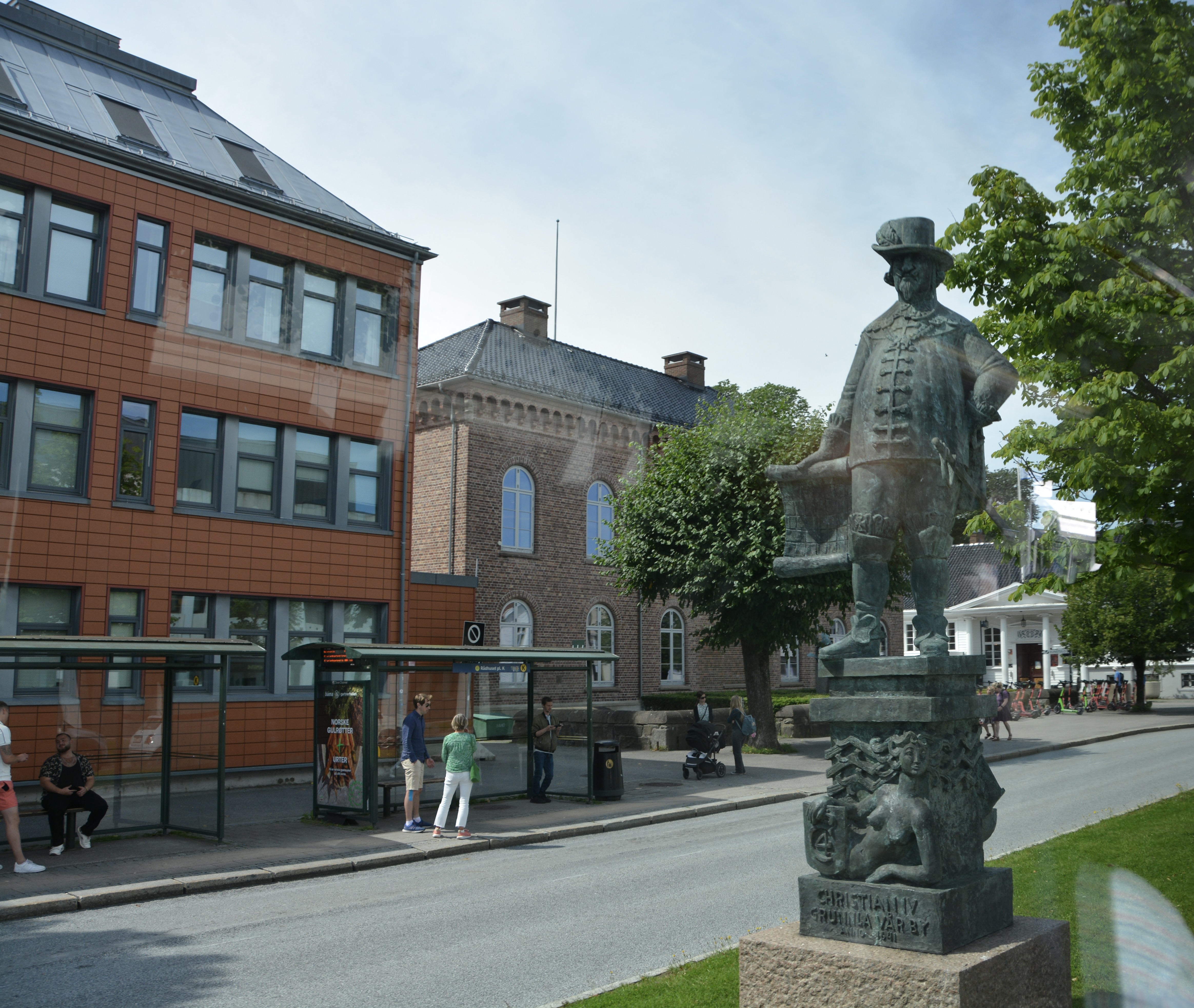
There had been an effort to widen the street, but only one had been partially renovated. Citizens wanted to keep the original grid layout of King Christian IV who founded the town in 1641. Kristiansand is named after King Christian IV of Denmark and Norway. The town rose to prominence as a hub for shipbuilding. Today it is the most important transportation center in southern Norway and provides freight services to countries around Europe and the United States. In addition to freight, there is a lot of personal and recreational travel to and from Kristiansnad. We saw the large ferry terminal; from this terminal, you can reach Denmark in about 3 and a half hours.

Just another selling point for the city, this is the hometown of the Crown Princess. She still has family in Kristiansand. She and the Crown Prince visit often, sometimes with their two children. The Crown Princess also has a son from a previous unmarried relationship. Prior to her marriage, she was a commoner and single mother. There is an understanding with the citizens and the press in Kristiansand that the royal couple will be treated as regular people and not bothered while in residence. Our guide told us a story of when she went to a charging station to recharge her car on the way home from giving a tour. She was in a hurry and wanted to ask the couple in front of her how long they would be. She thought they looked familiar and was embarrassed that she might not remember the name of someone she had met before if she spoke to them. Then she realized that the couple was the Crown Prince and Crown Princess. The Princess was in a sundress and the Prince was in just a tee shirt and shorts. The guide decided to let the couple take as long as they needed to charge their car and she stayed in her own car instead of approaching them.
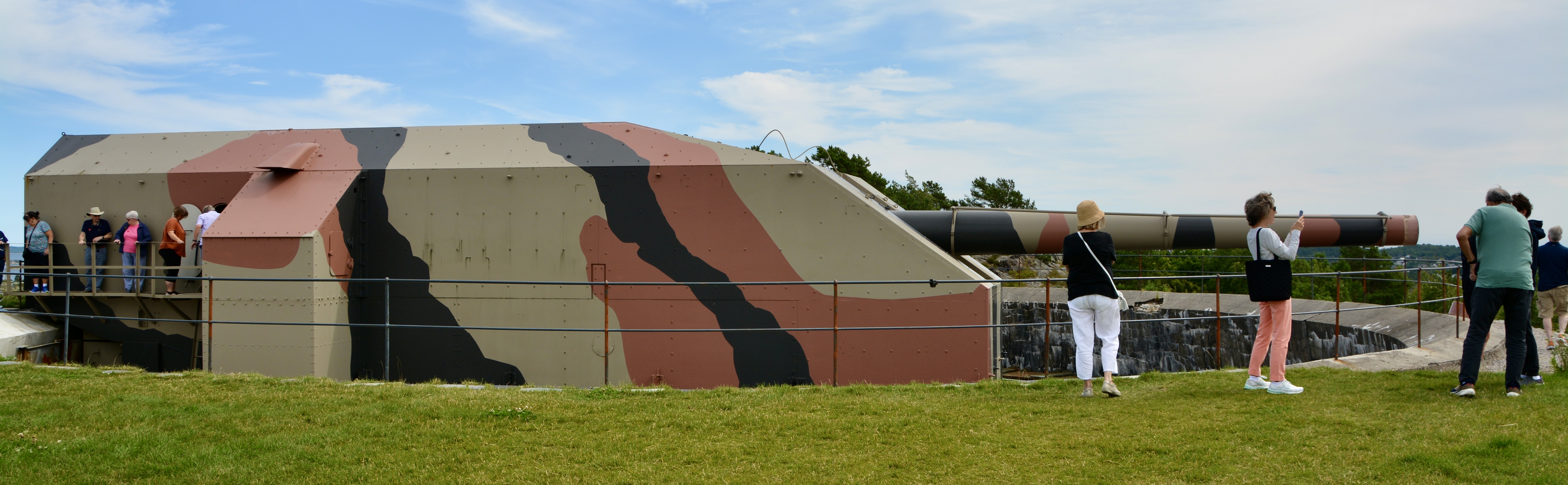
Our afternoon excursion is entitled War Relics. Boris picked it early and I didn’t look further at other options. We both love history, but military history is more his area of interest. Both sites we are visiting are related to WWII and the Nazis’ five-year occupation of Norway.

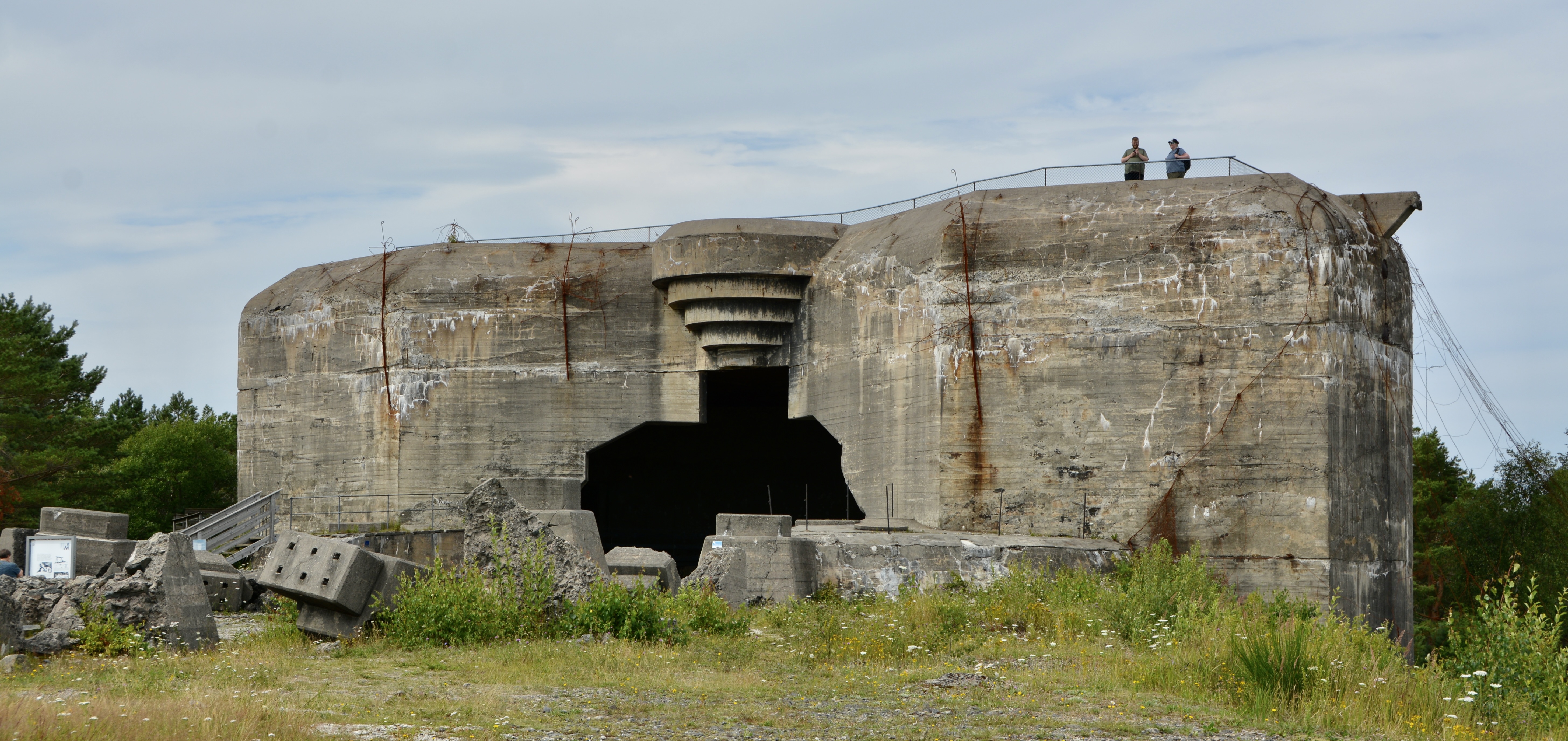
Our first stop is at a military site where the Germans installed four large canons. It was done late in the war, 1944. The installation was never actually completed. You could see the remains of one of the large concrete bunkers that were to have covered each of the cannons. The one cannon that remains is uncovered. It rotates a full 360 degrees and could still be operated (if someone knew how to do it). Once a year, the Norwegian military makes a complete rotation of the cannon, although no artillery is set off.

When fully operational, the cannon would let off three shots in three minutes. Then the cannon had to be rested at least 45 minutes before it could be fired again. The shots went off in rapid succession and there was no way to know if any would hit the target before the second and third shots were fired. Recalculations could be made before firing the other three cannons. The cannons could collectively get off approximately 12 shots in an hour to hit what was presumptively a moving target. There is no indication that any shots fired by the cannons ever hit anything.
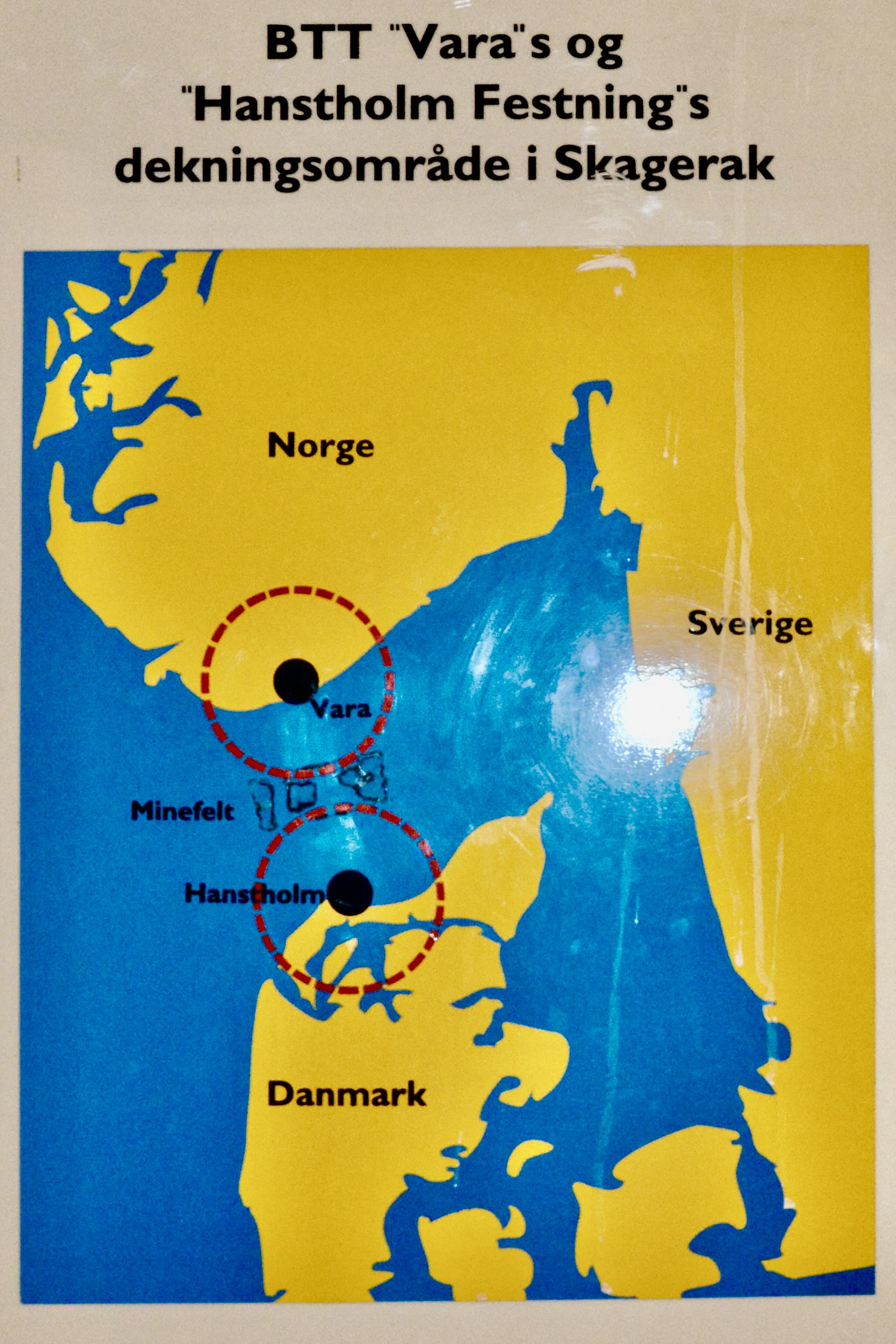
The Germans also installed the same long-range cannons in Denmark to block off access to the Baltic Sea from the North Sea. Between the two sets of cannons, there was only a 5 mile stretch in the center that was beyond cannon range. The Nazis mined this unprotected area.

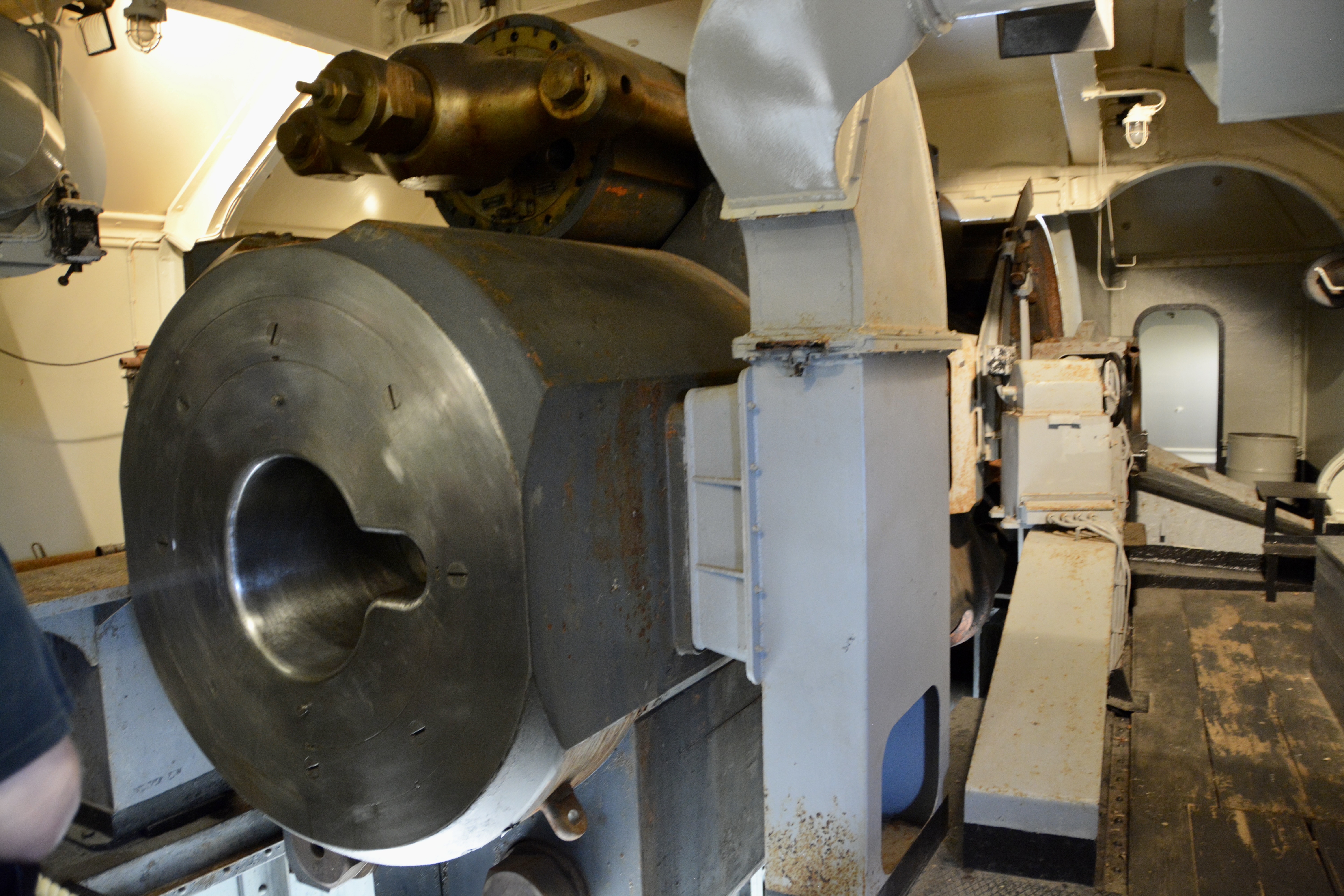
We were able to view the cannon and the track it rotated on from ground level; go inside the control center of the cannon and look straight down the barrel which was open; go underneath the cannon where the bombs were stored and loaded; see where they did the strategic calculations to target; and go outside at the lower level to see the base and access points.


The guide recounted a story from a previous tour when she described how the access point in the underground area was used to move the bombs to the elevator to be loaded into the cannon. During that previous tour, she told the tour group that no one knew exactly how everything worked. One of the tour participants, an elderly man, walked forward and began shifting levers and opened the hatch. He had been stationed there at age 16 as a German soldier.


The tour guide was wonderful, not only in telling us about the cannon, but in sharing war stories from her own family. She told us about a great uncle who had been head of the resistance in the area. The only access to his farm was through the German camp and they not only allowed him passage but invited he and his family to shelter with them in the bunkers during raids. The Nazis had no idea they were sheltering with the head of the local resistance.


She told about another family member who worked at the local brewery (now closed) who was fluent in German. Especially towards the end of the war, the Nazis were conscripting children into the military ranks. Many of these very young boys ended up in Kristiansand. They were so afraid and lonely, missing their mothers and the rest of their families, that they sought out her family member to speak in their native tongue. They often just sat and cried. They could not speak to their superiors for fear of retribution.

Our next excursion stop was a visit to a structure that was originally built to house the local archives. You could see the older original building and the new glass structure that sat next to and attached to it. It was in a lovely neighborhood with beautiful homes nearby. I took a picture of the exceptionally pretty home on the corner before we walked in.

When the Germans took control of Kristiansand during WWII, they took over the older building as their Gestapo headquarters. Years after the war, the Norwegian government was going to put the building on the open market for sale and a foundation lobbied to keep it as an education and documentation center. It was sold to the foundation for one kroner. Stiftelsen Arkivet houses the Institute for Dialogue and Conflict Resolution and the Center for Humanitarian Organizations.

Not only did the Gestapo confiscate the archives building, but they took the beautiful homes in the adjacent neighborhood. The lovely home that I admired when approaching the archives was the site of many Nazi parties where German and Norwegian hookers (the guide’s word) were brought in.

A guide from the Foundation gave us a tour of the lower level of the former Gestapo Headquarters including the office of the former commander Rudolf Kerner who was only 35 when he was posted in Kristaiansand; the former torture chamber; cells, and an exhibit hall.
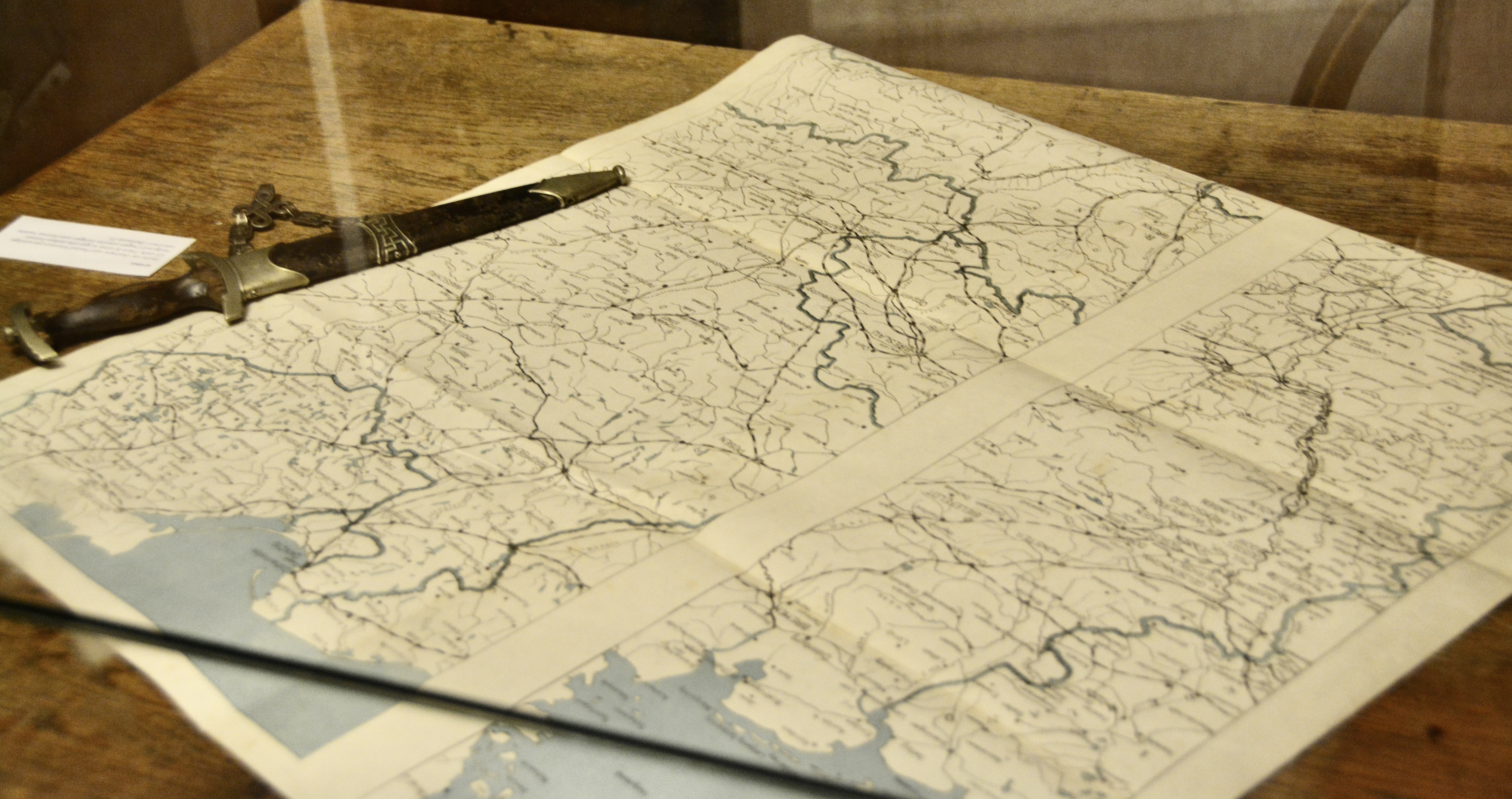
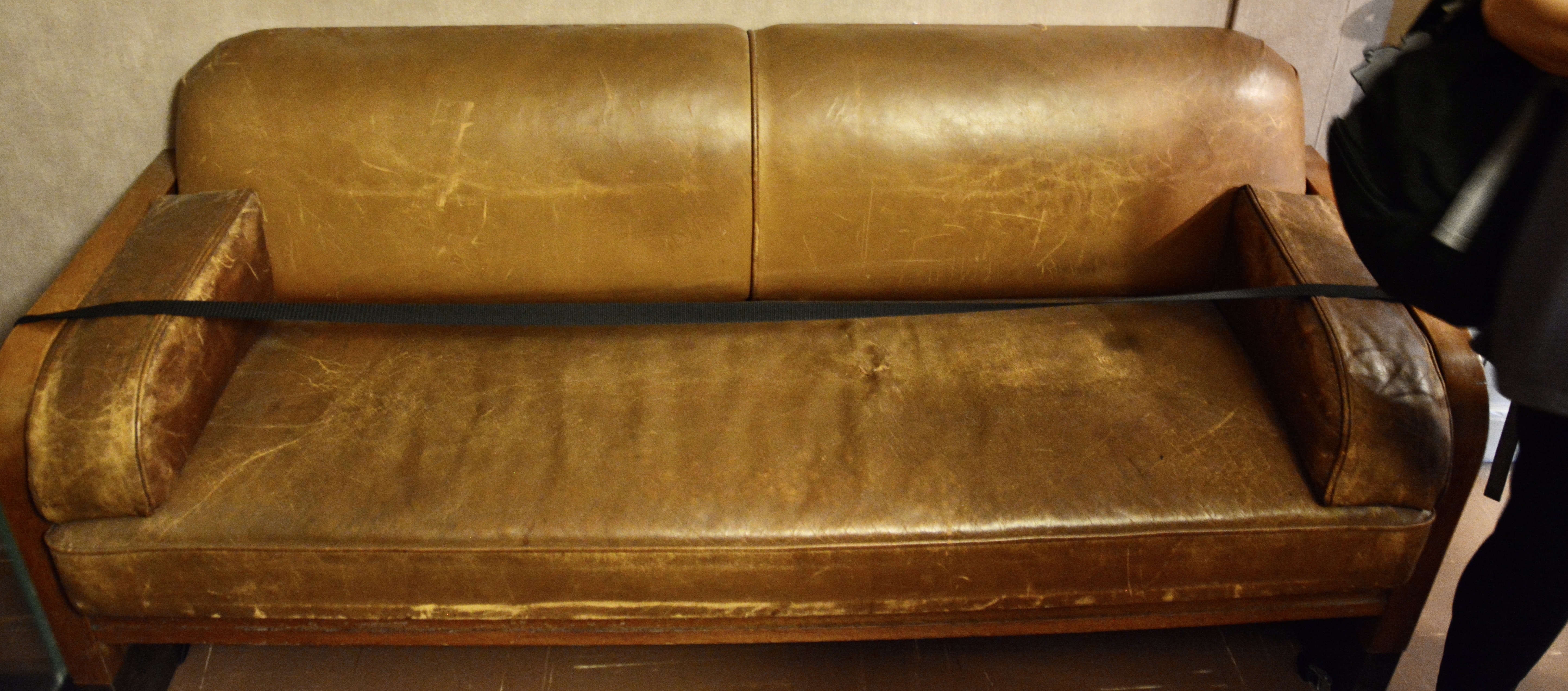
Their goal at this location was not to kill, but to torture and frighten to get information on the resistance movement in the area. Inside Kerner’s office all the furnishing and artifacts are original except for the Nazi flag. The guide even showed us a switch where Kerner could turn on music to drown out the screams from the nearby torture chamber.

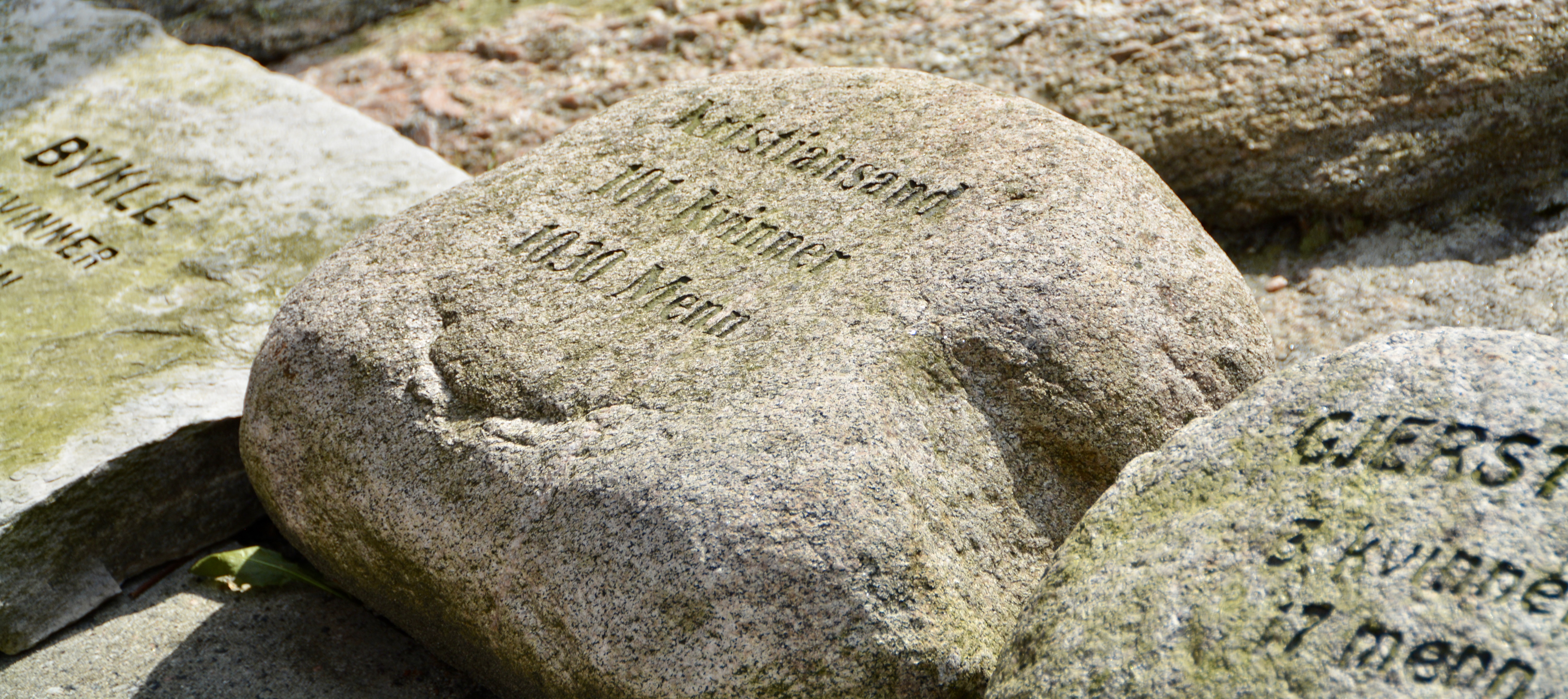
Outside, there is a monument to the 162 persons taken through the archives and sent to concentration camps that never returned. On the ground are stones from each mayor that came to the building dedication indicating the name of the province and the number of men and women from their province that were taken to the archives.
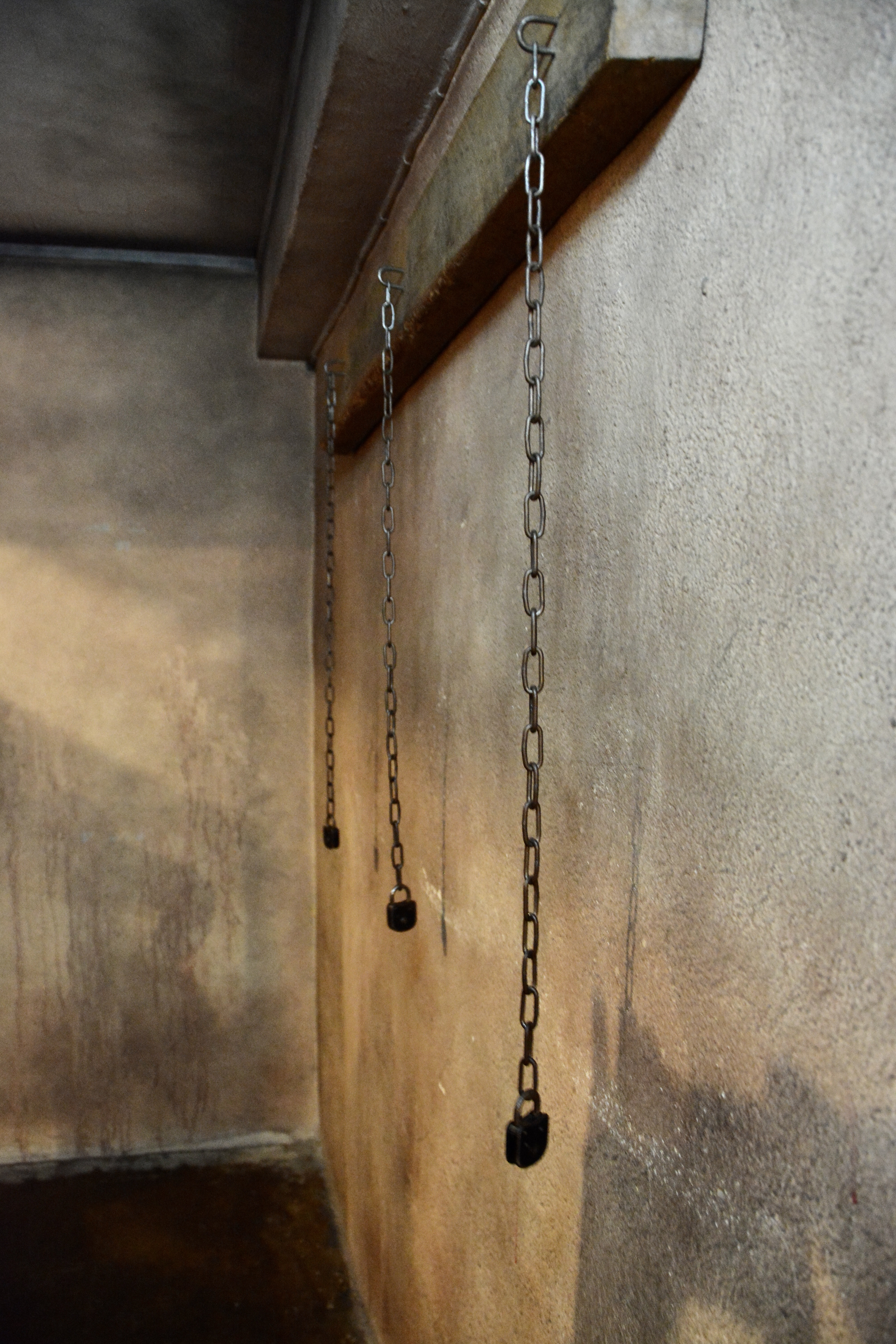
The Gestapo’s methods were brutal and unrelenting. They did not hesitate to torture pregnant women, even bringing in a doctor to find out how the torture could be done without killing the child. Years later, one such child born to a tortured pregnant prisoner returned to the center. After giving birth, her mother was sent to a concentration camp, and they were separated for three years. The child (now an older woman) toured the center but could not bring herself to enter the torture room. The video from an interview with her is shown on the wall; it is in Norwegian.

Children were also taken. In one instance a teacher was taken from his classroom and the children whistled when this happened. The Gestapo, considering themselves insulted, took all the children to the archives where they were kept and barely fed for the entirety of the Christmas and New Year seasons. Their parents had to pay large sums to get them released.

In the final space we visited our guide told us more about the resistance movement and after the war. The local resistance movement was responsible for blowing up key cells at the local factory for heavy water,
Resistance fighters were sent to the United Kingdom and trained. They were returned to the mountains near Kristensand and parachuted in. They received regular supply boxes. It paid off if you were the first one to reach the box; you got the bottle of whiskey. The guide told a story of a local man who had saved his silk parachute. After the war when he wanted to marry, fabric was in short supply. His wife’s wedding dress was made from his silk parachute. Many local families shared stories about family baptismal gowns that were made from the white silk parachutes. You had to use whatever you had. One older woman recounted that she was given a skirt made from an old Nazi flag to wear as a child.
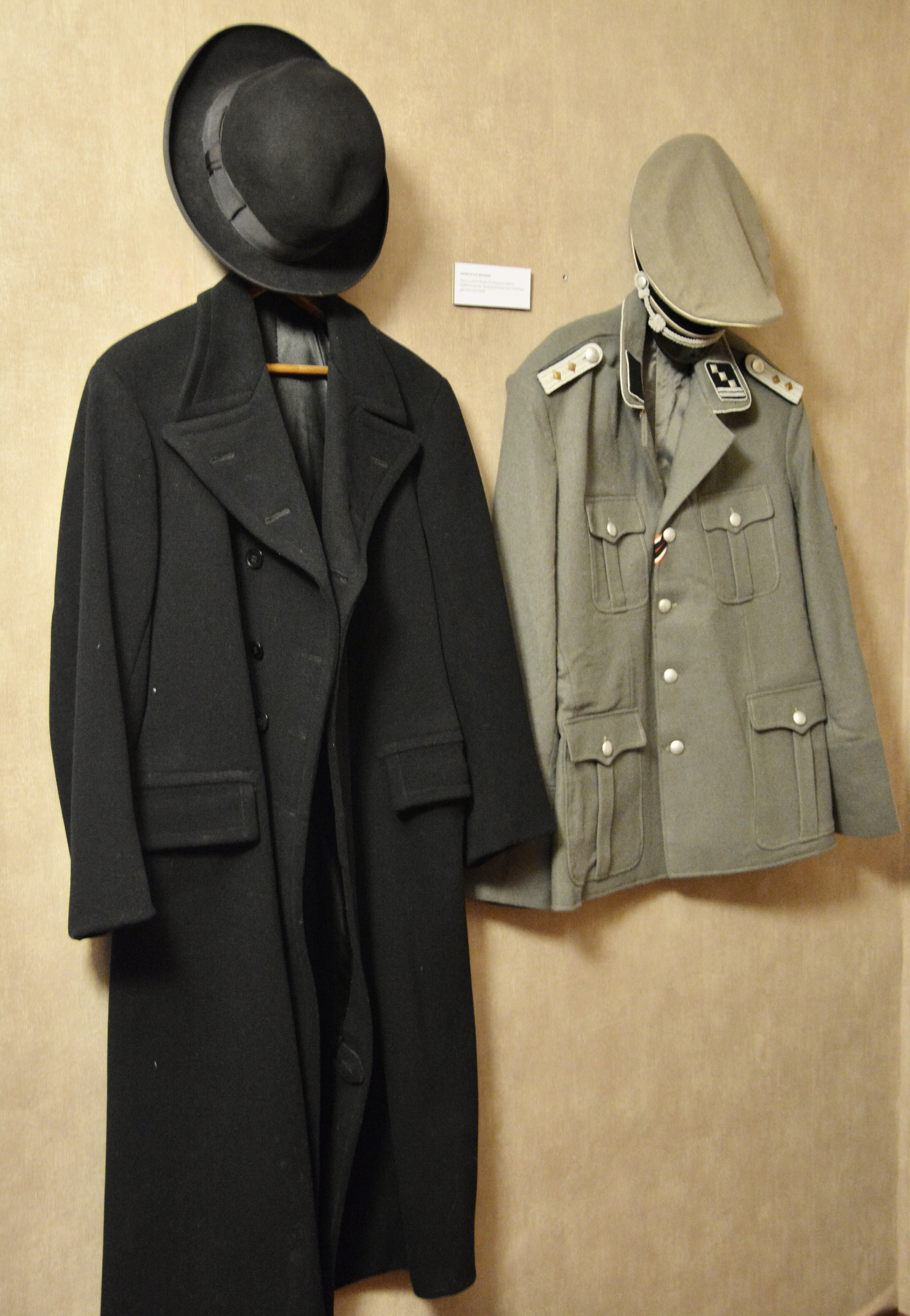
When the war ended, the Gestapo officers attempted to flee by putting on the uniforms of regular soldiers hoping to be transported home. Former archives prisoners were brought in to identify the officers. Five of the gestapo leadership were tried and sentenced to death. They appealed and their sentences were comuted and they were sent back to Germany. The leader, Rudolf Kerner only served eight years before he was sent home. He returned to being a shoe salesman in Germany and no one there was the wiser about his role in the torture of people in Norway. After the Archive Museum was opened, a tour group came through and when the guide started talking about Rudolf Kerner. A woman and child stopped the guide and identified themselves as the daughter and grandchild of Kerner. They said he had told them about his time being in prison in Norway. They never knew about his role in the Gestapo until they took the tour.

Norwegians that helped the Gestapo were not as fortunate. When tried and convicted, they were taken out and shot. When the tour was complete, we had ten minutes of free time. I just went outside and sat in the sunshine as a tonic for all I had heard.

So the excursion didn’t end on a sad note, the guide wisely took us on a drive through town on our way back to the ship. I enjoyed seeing all the lovely homes and summer flowers. The city is quite charming. Tonight is one of my favorite cruise activities, the silent disco. It will be just after the chandelier show at the martini bar in the Grand Plaza, a more upbeat way to end our last tour day.

Tomorrow, we leave Norway behind and enjoy a sea day on our return to Southampton.
–Natasha

 travelbynatasha